Lead With One Scientific Question, Not the Whole Company Story
A Spotlight Theater session is easier to follow when the audience can quickly recognize the research problem being addressed and why it matters. The starting point might be a platform capability, research method, development challenge, or one result that deserves closer attention.
Trying to fit every program, service, and company message into a short presentation usually makes the central idea harder to remember. A focused session gives relevant AACR attendees enough information to decide whether the science connects with their work.
The theater and booth can share that central question while doing different jobs. The session introduces the problem and its strongest supporting result. At the booth, visitors can examine the relevant program, mechanism, pipeline context, additional evidence, or development stage in greater detail.
A useful session leaves attendees with a sharper next question—not the impression that they have already seen the whole company story.
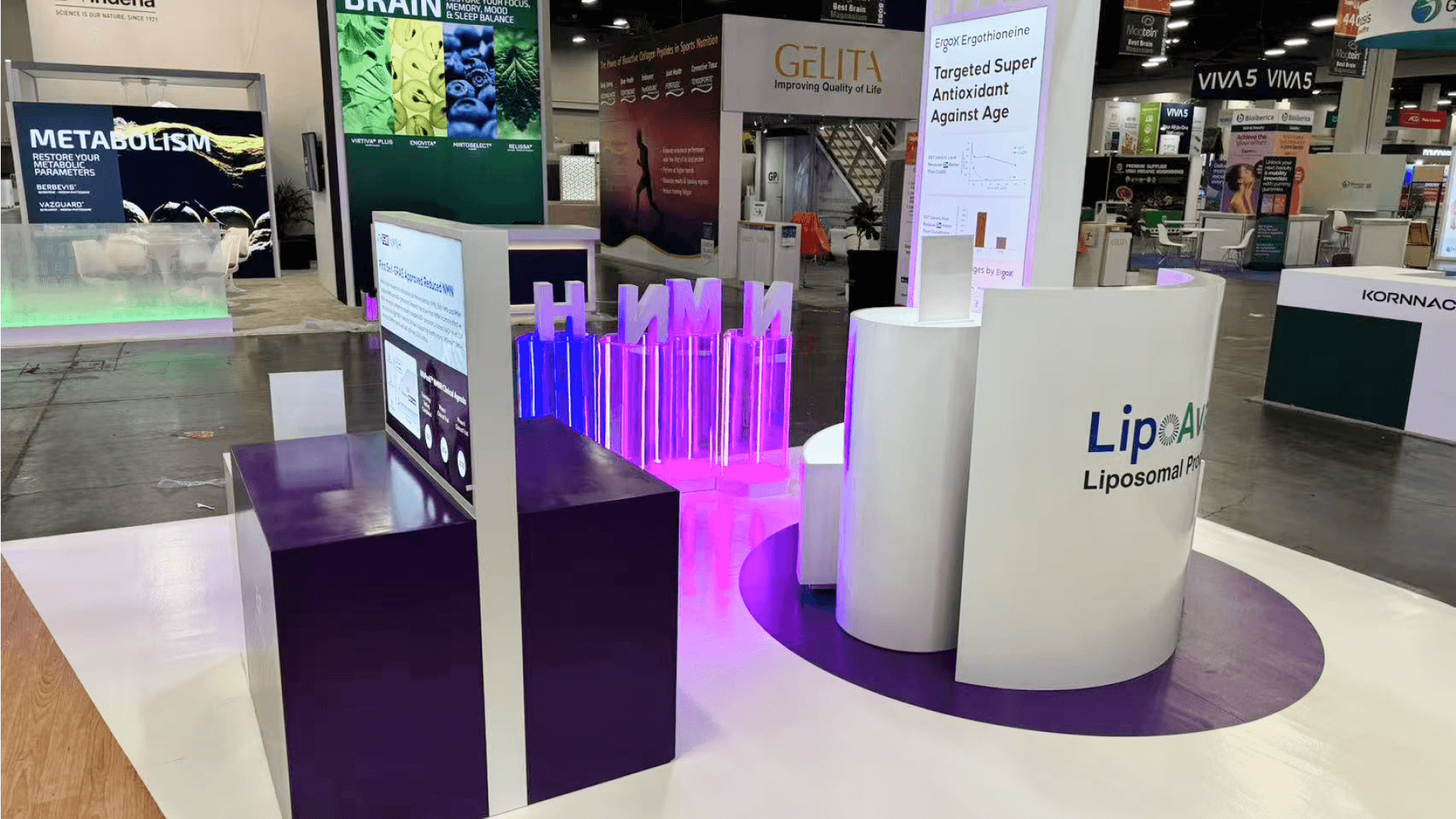
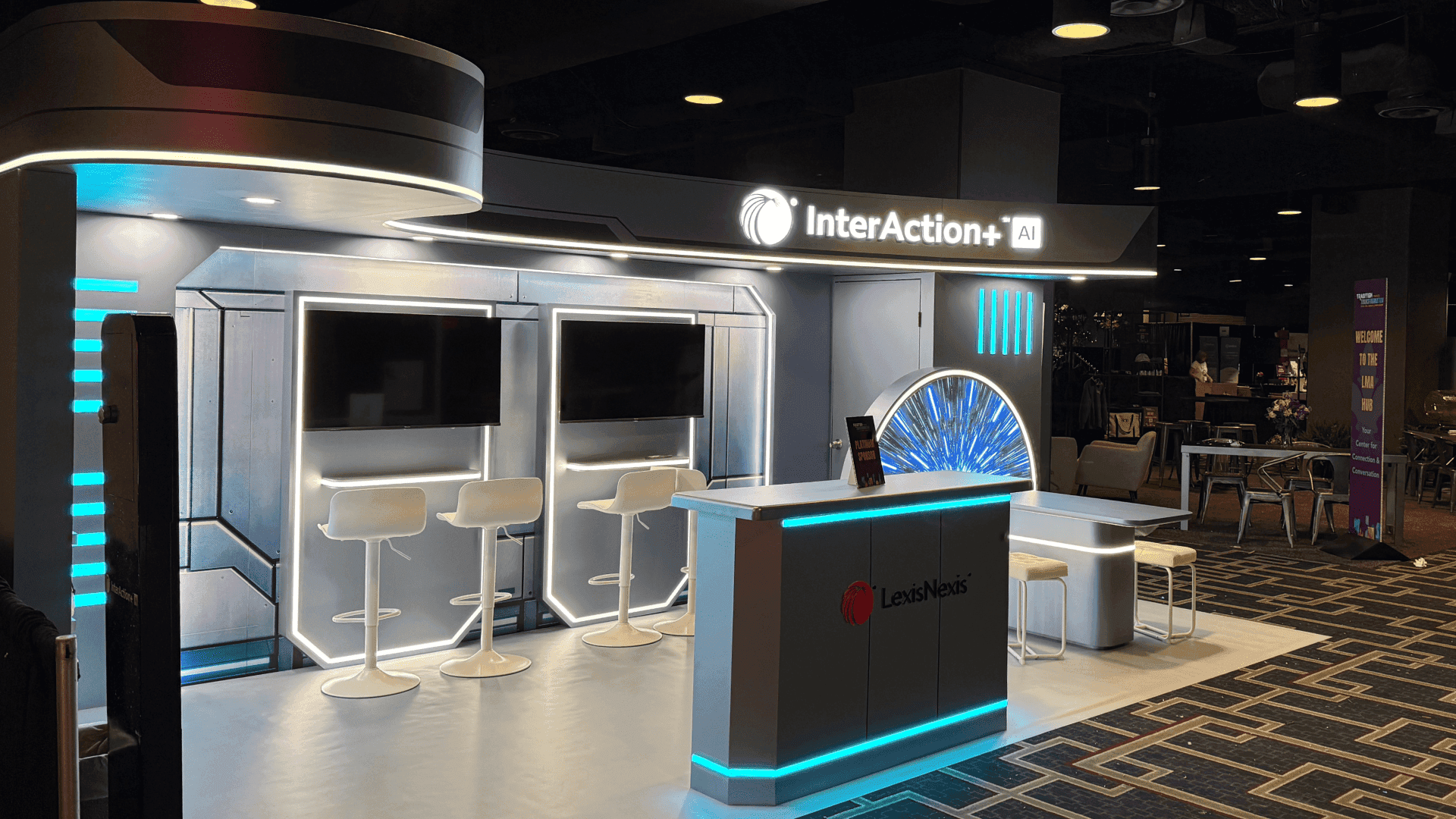
A focused Spotlight Theater session gives attendees enough scientific context to recognize the topic and decide what they want to examine next.
How the Theater, Booth, and Meeting Area Carry the Same Scientific Story
The Spotlight Theater gives the audience a shared starting point: one scientific question, capability, or result supported by enough evidence to make it credible. It creates interest without trying to cover every program or technical detail.
At the exhibit booth, visitors can look more closely at figures, mechanism graphics, program details, and additional results. They can also speak with the scientist or specialist best suited to their question. This is where general interest develops into a more specific scientific, technical, or development discussion.
A meeting area becomes useful when the conversation needs more time, privacy, or access to confidential evidence. It may support a deeper scientific review, licensing discussion, or partnership conversation, but it should be the next step for the right visitor—not the default destination for everyone.
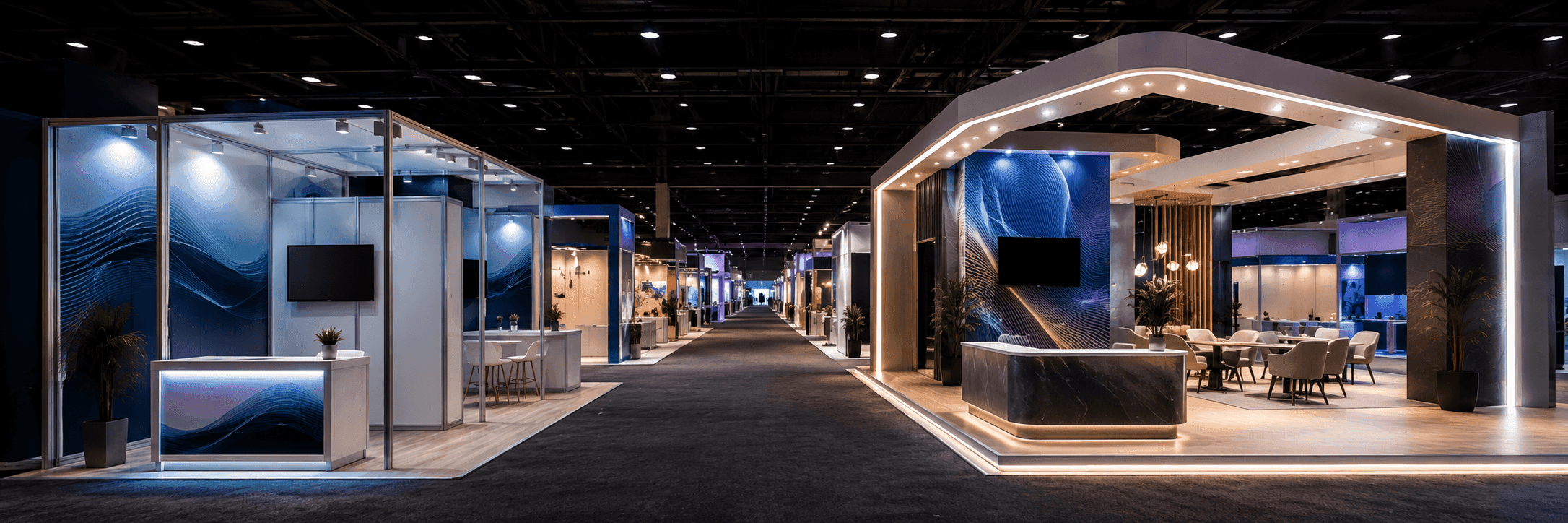
The three spaces carry the same scientific story at different depths instead of repeating the same presentation in different settings.

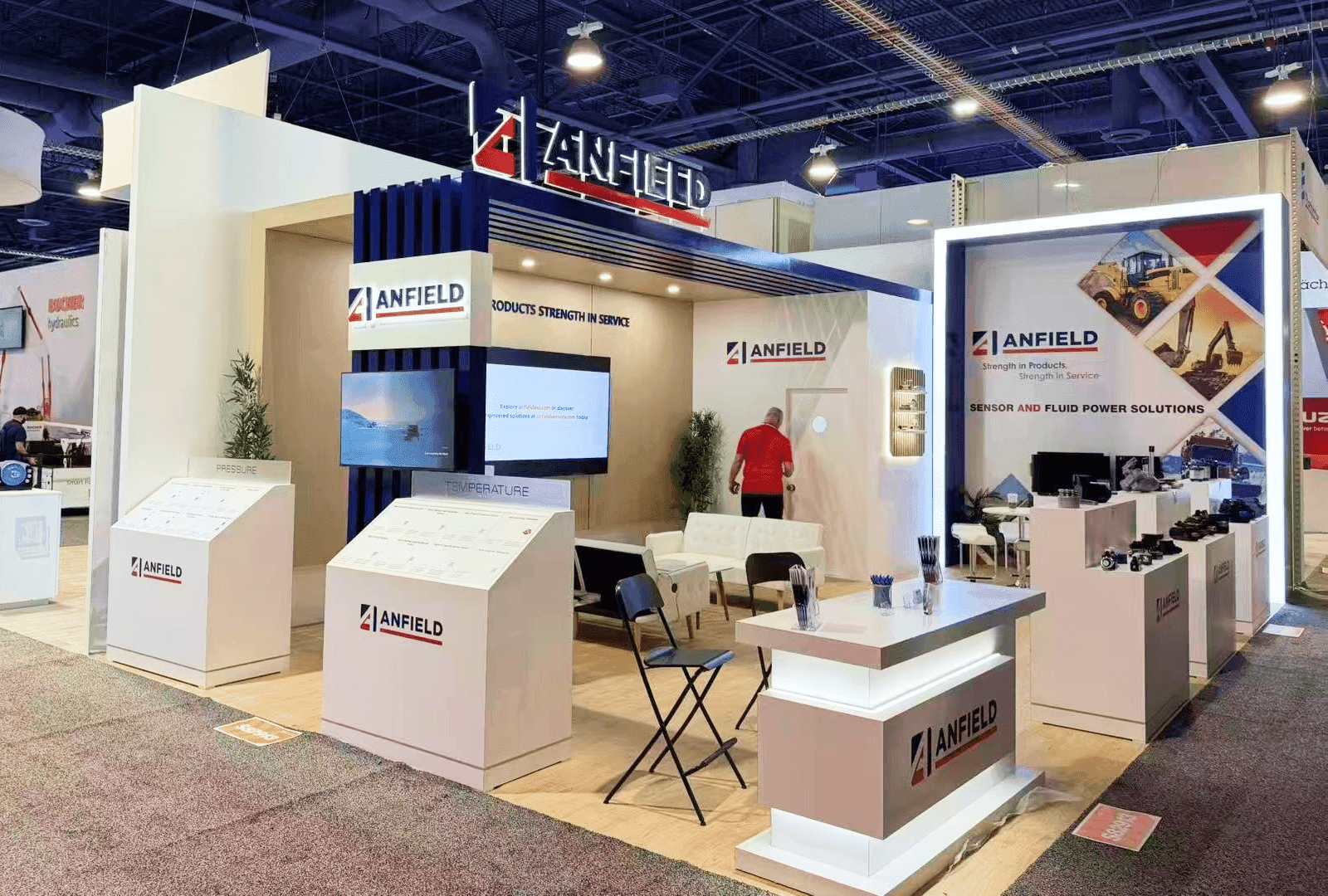
At the booth, attendees can review additional evidence, examine program details, and continue the session topic with the right scientist or specialist.
What Belongs in the Session—and What Should Wait for the Booth
A Spotlight Theater session should provide enough context to understand the scientific problem, the method or platform being discussed, and the result that makes it worth a closer look. It does not need every figure, mechanism, or program update. Those details are often more useful after the session, when visitors have time to stop, ask questions, and examine the evidence closely.
At the booth, the presentation can continue through larger figures, additional results, mechanism detail, program context, and access to a scientist or specialist. Screens, literature, and meeting materials can support different levels of interest without replaying the full session.
A clear graphics and brand presentation plan helps these formats work together. Theater slides introduce the central idea, booth graphics and screens make the evidence easier to review, and follow-up materials preserve details visitors may need later.
Give Attendees a Specific Reason to Return
“Visit our booth to learn more” gives attendees little direction. A useful return point is something they can identify before leaving the session:
Additional evidence or a closer look at a key figure
A program-specific result or mechanism discussion
A scientist Q&A or technical review
A platform demonstration
A licensing or partnership contact
Whatever is promised should be easy to find at the booth. Booth staff should also know what the session covered so the discussion can continue without restarting the company introduction.

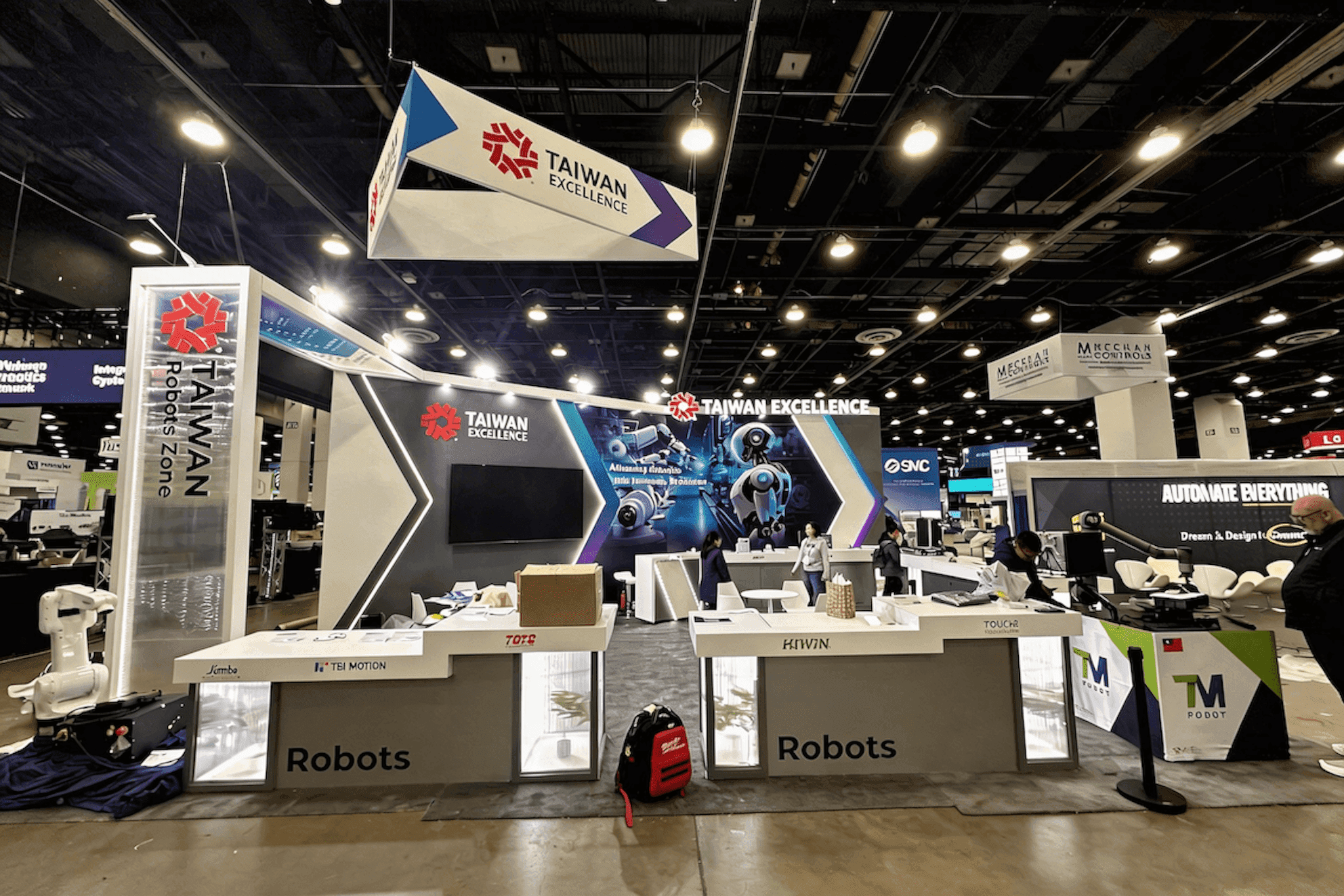
Clear staff handoffs help returning attendees move from general interest into a deeper scientific, technical, licensing, or partnership discussion.
When a Returning Attendee Needs a Different Expert
When someone returns from the Spotlight Theater, booth staff should begin with what caught the visitor’s attention. The answer usually shows whether the visitor wants to examine a result, understand a program, discuss an application, or explore a possible collaboration.
That context allows the next person to continue the discussion without asking the attendee to repeat everything already covered. A scientist may be needed for mechanism, methods, supporting evidence, or research questions. A clinical or technical specialist may be better suited to development, workflow, application, or practical fit. Business development and licensing staff become relevant when the interest shifts toward capabilities, program opportunities, or a potential partnership.
A meeting area is useful when the discussion needs more time or privacy, not simply because the attendee returned from the session. AACR biotech and drug discovery booth planning looks more closely at how evidence, staff roles, licensing discussions, and partnership meetings can be organized inside the exhibit.
What Useful Spotlight Theater Follow-Up Looks Like at AACR
Useful follow-up does not have to produce an immediate commercial result. It may be a visitor asking a better scientific question, requesting additional evidence, reaching the right specialist, or moving an existing professional relationship into its next stage.
Session attendance and booth traffic show how many people were reached. They do not show whether the scientific discussion moved forward. More meaningful signals include:
A returning attendee asks a more specific scientific question
Additional evidence or a technical review is requested
The visitor reaches the right scientist or specialist
A clear scientific, licensing, or partnership next step is agreed
Feedback reveals how the program, platform, or scientific message is being understood
These outcomes can improve future presentations, evidence selection, staff preparation, and follow-up materials. At AACR, value often begins with better understanding and a stronger professional connection rather than an immediate transaction.
Practical Questions About AACR Spotlight Theater Follow-Up
What should an AACR exhibitor include in a Spotlight Theater presentation?
Keep the presentation focused on one scientific question, capability, method, or result that AACR attendees can understand quickly. Include enough supporting evidence to show why the subject matters, but leave detailed figures, full pipeline context, and program-specific questions for the booth. Trying to summarize the entire company often makes the central idea harder to recognize.
What should attendees find when they return to the booth?
They should find something the session could not explore in full: additional evidence, a closer look at a figure or program, and access to the right scientist or specialist. The booth should continue the same scientific topic at greater depth rather than replay the presentation. Visitors should be able to resume the discussion from the point that first interested them.
How should exhibitors evaluate meaningful Spotlight Theater follow-up?
Look beyond session attendance and booth traffic. A useful sign is that attendees return with a more specific scientific question, request additional evidence, reach the right technical expert, or agree on a follow-up review. Licensing or partnership discussions may develop later, but clearer understanding, stronger professional connections, and useful feedback are also meaningful outcomes.