OSET Booth Planning for Product Demos and Specialist Conversations


What should an OSET booth be designed to do?
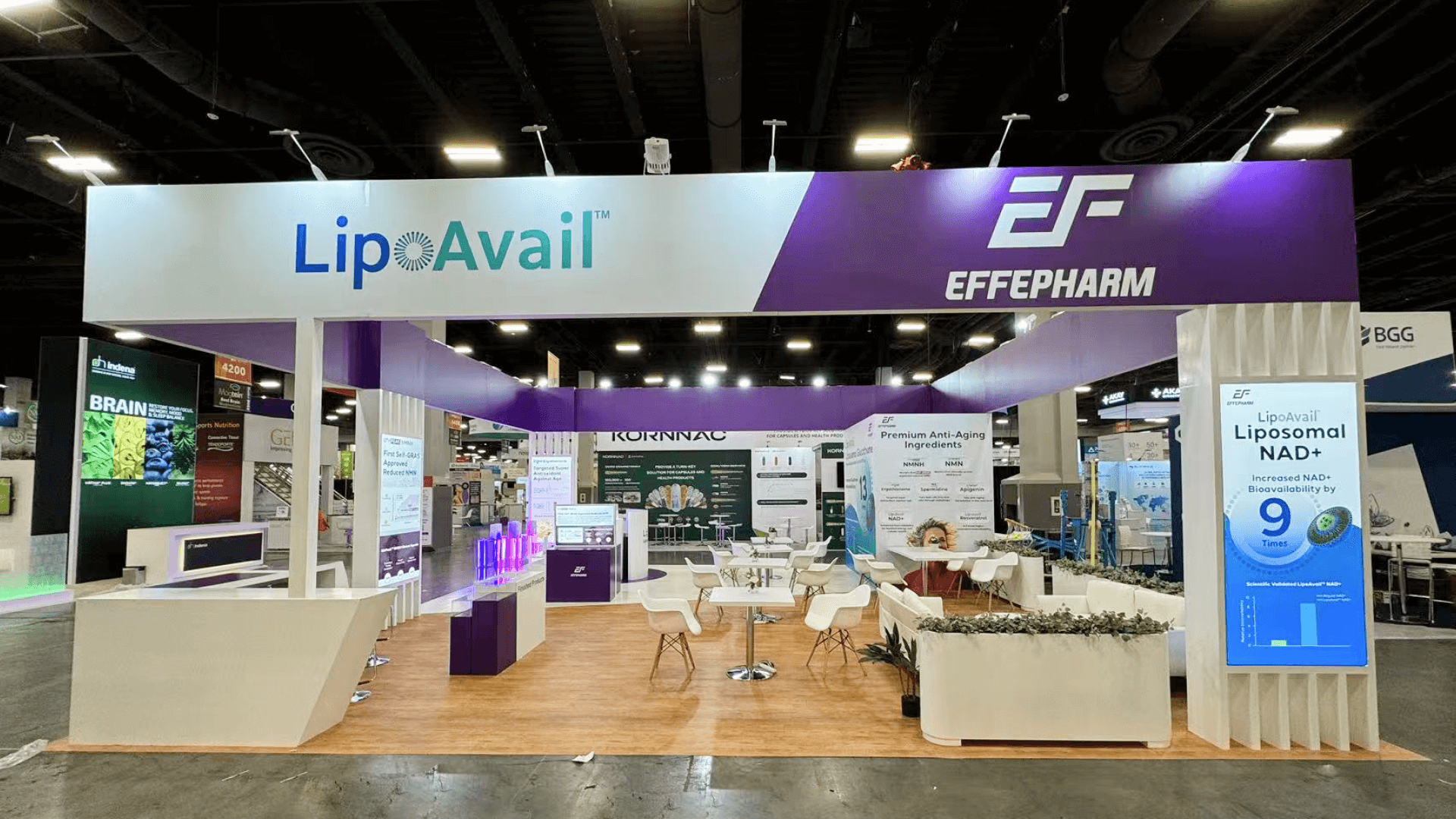
Start with the visitor task. Decide whether the booth only needs to introduce a product, help someone understand an application, support active evaluation, or make room for a longer discussion. That decision should drive the footprint, demo space, staff positions, storage, and setup—not the other way around.
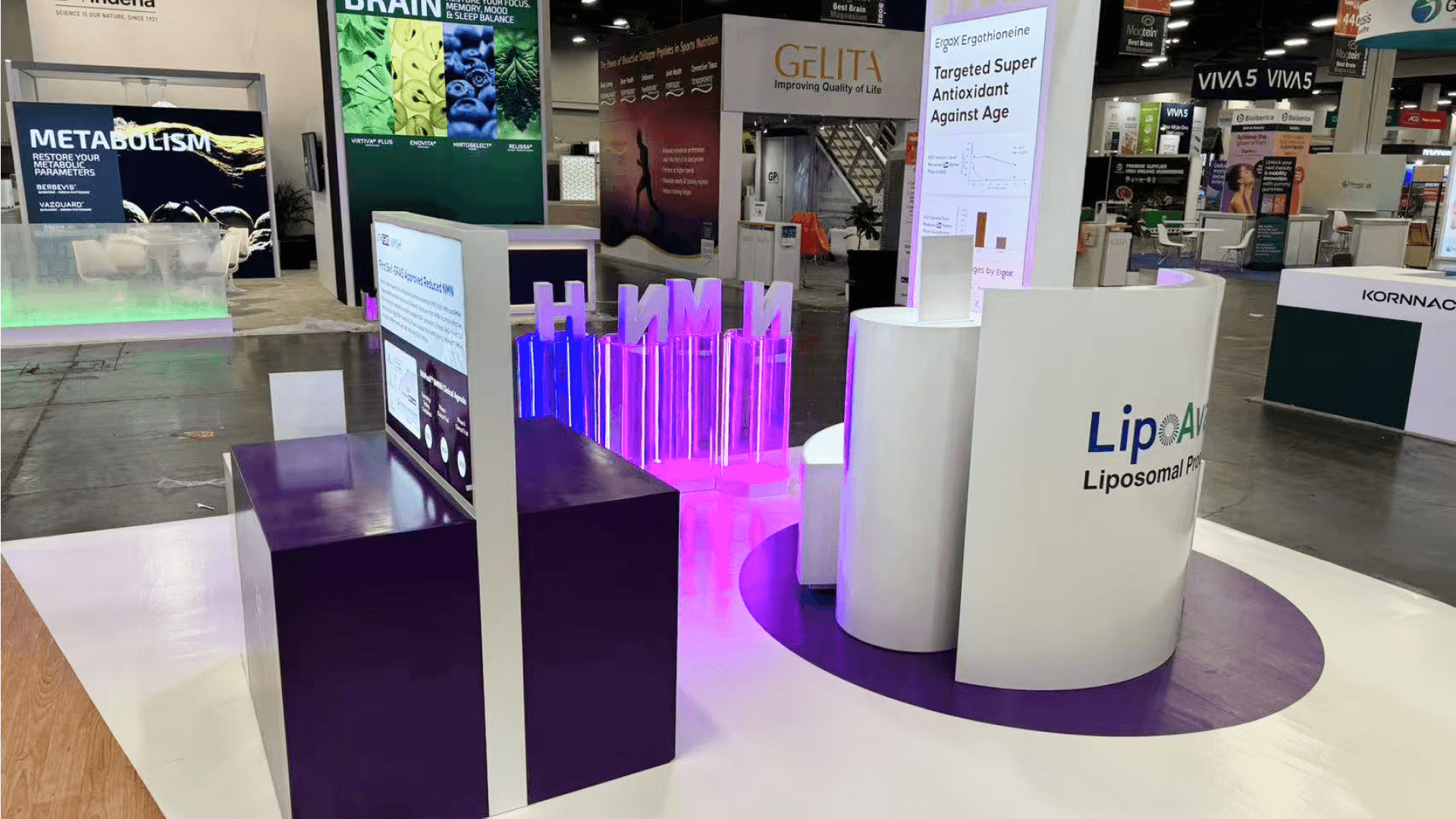
Before settling on a booth size, think about what needs to happen during a typical visit. Some products only need a strong visual introduction and a short conversation. Others need room for hands-on review, a screen-based workflow explanation, or a longer technical discussion.
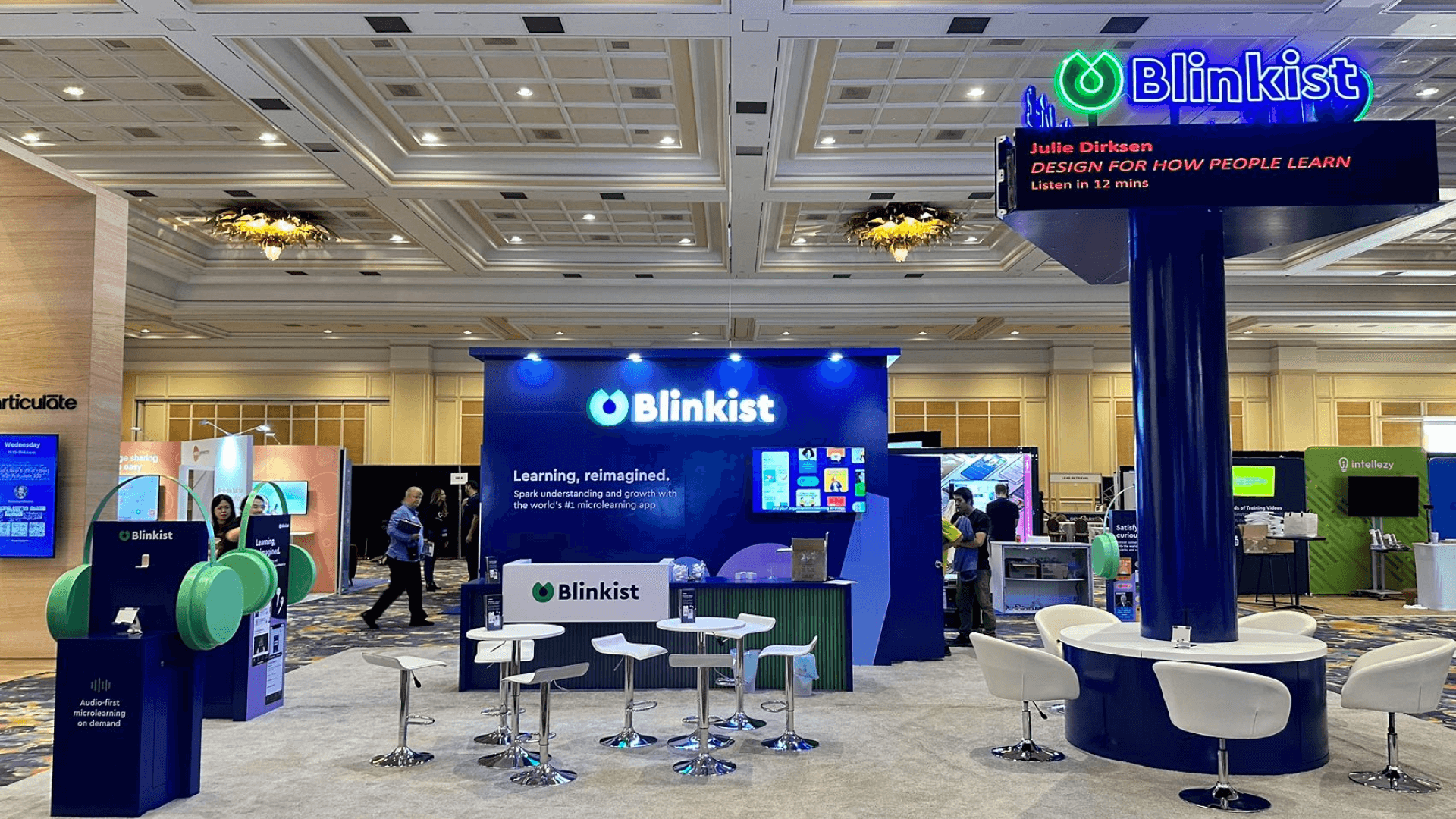
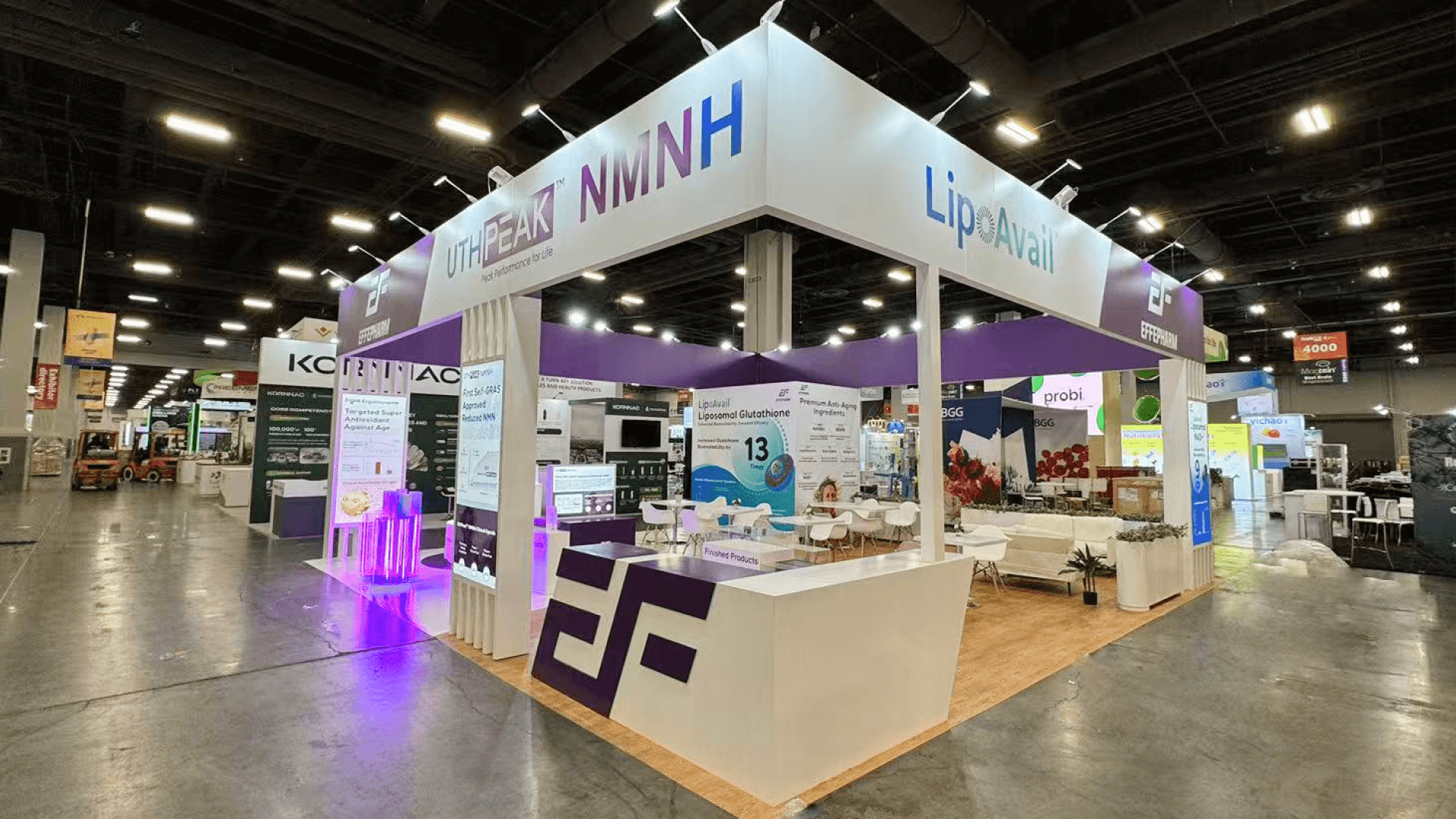
If one visitor is evaluating a product while another conversation is happening nearby, a 20×20 trade show booth gives the team more breathing room than a smaller inline setup. Exhibitors showing more complex arthroplasty systems can use OSET arthroplasty system-evaluation planning to go deeper into how product inspection, demonstrations, and technical discussions can work together without crowding the same space.
At Fontainebleau Las Vegas, the booth also has to be practical to install and run. Products, AV, storage, staffing, and installation all need to be coordinated before the show opens. If one team is handling the exhibit from design through fabrication and show-site execution, experienced Las Vegas trade show booth builders can keep those pieces working together.
Why Exhibitors Choose Circle Exhibit
Clear scope, transparent quote review, nationwide booth support, and efficient setup planning for qualified rental and custom exhibit projects.
48hr
Setup Window
10+
Years Since 2014
U.S.
Trade Show Support
Real
Booth Project Proof
The footprint should increase when the booth has to support more activity at the same time—not simply because the exhibitor has more products.
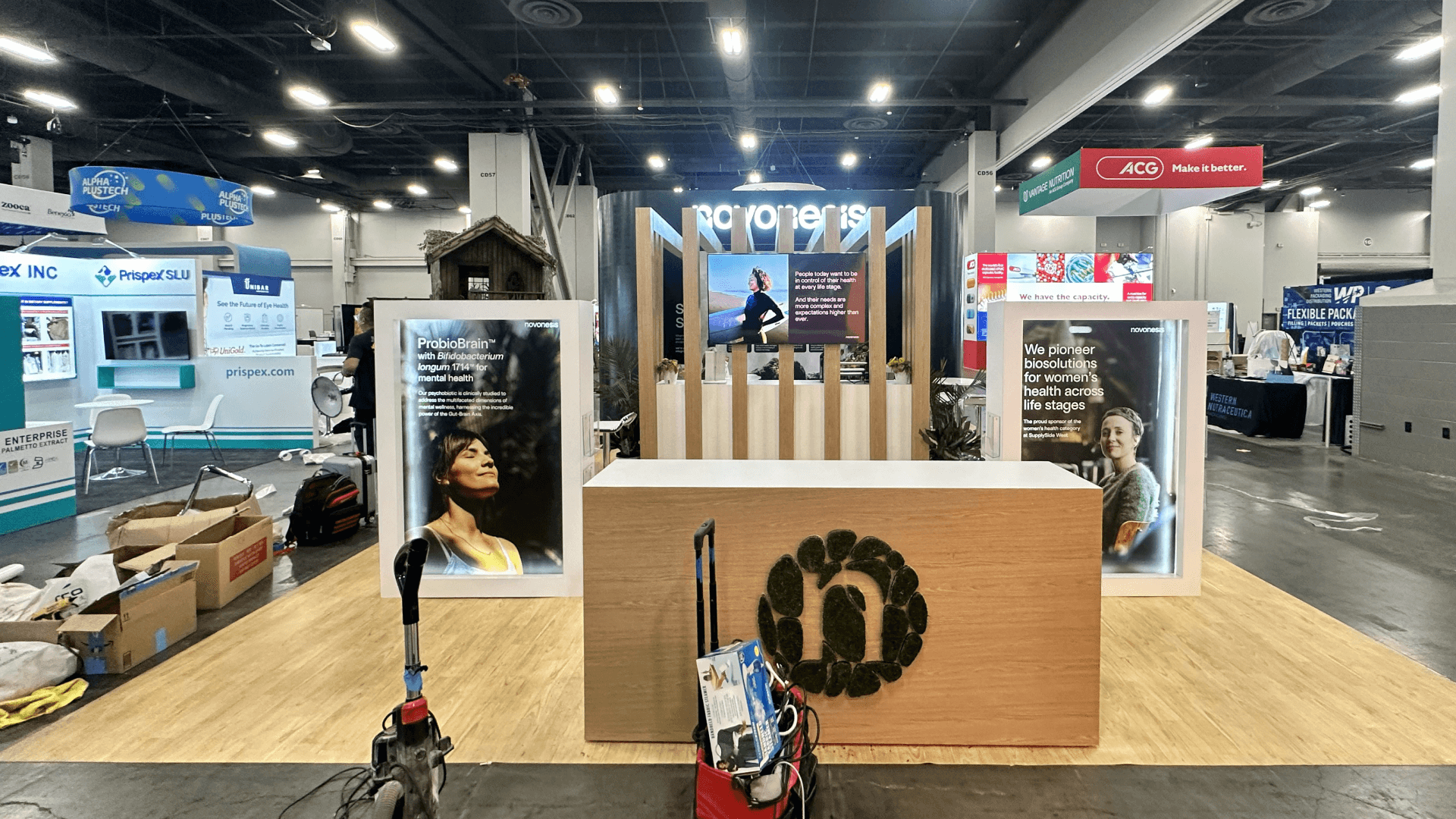
Stay with a 10×10 or 10×20 booth when one product story, a short conversation, and light storage can all happen without competing for space.
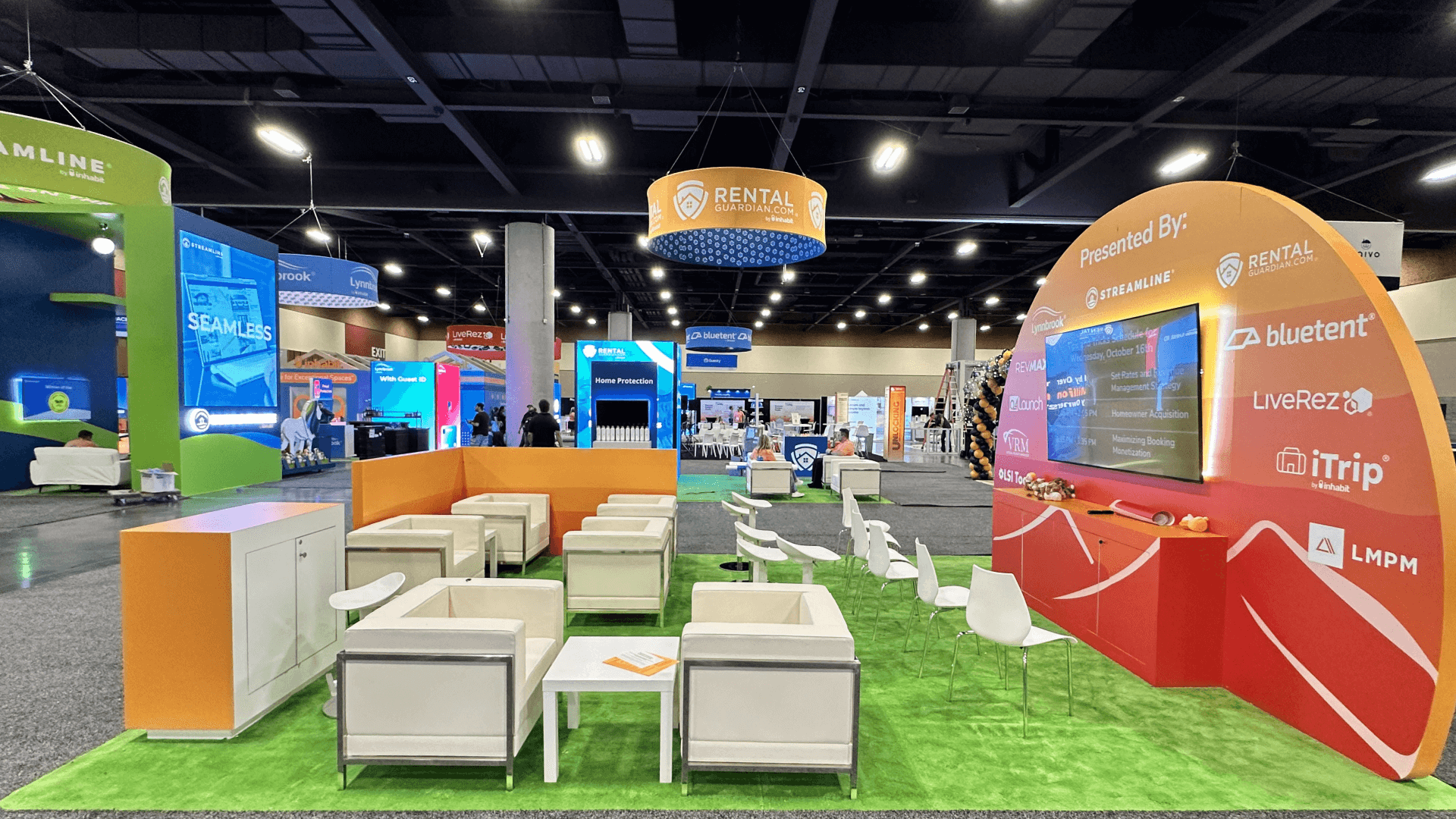
A 20×30 footprint earns its extra space when two demonstrations, specialist conversations, or product interactions need to operate independently.
The 20×20 booth starts to add real value when one visitor needs an active evaluation point while another conversation continues nearby.
An island becomes worthwhile when the exhibit needs multiple entrances, active demos, discussion space, AV, staff circulation, and substantial storage at the same time.
Not every technical discussion needs to stay beside the product. Once the initial evaluation is complete, exhibitors need to decide whether the conversation should remain in the booth or move elsewhere without tying up the next demo. Our OSET booth meeting planning article breaks down when the booth, an exhibit-floor meeting room, or a hybrid setup makes the most sense.
The display should make relevance clear quickly, give visitors enough information to decide whether to engage, and provide an obvious next step when interest becomes more serious.
A visitor passing the aisle should know whether the booth is relevant before a staff member has to start a full explanation.
Products, graphics, and screens should answer the basic “what is this?” question on their own. Staff can then spend time on the details that genuinely require conversation.
A visitor who finishes a demonstration should have somewhere to ask a longer question without holding the next person at the evaluation point.
Longer education, scheduled presentations, or more involved discussions do not all have to happen inside the booth. The show-floor story should lead naturally into those deeper interactions.
Some OSET exhibitors show one focused repair product, while others need to explain a larger technology system. The layout should match how visitors need to see, evaluate, and discuss it.
OSET 2026 runs December 2–5 at Fontainebleau Las Vegas, giving exhibitors one clear venue for the event, exhibit floor, and show-site planning.
A visitor may stop to inspect a product, watch a short demo, or ask how a system works. Strong interest can then lead to a longer technical or clinical discussion.
Not Sure Which Booth Size You Need?
Not every exhibitor knows whether a 10x20, 20x20, 20x30, or larger booth is the right fit. Circle Exhibit can help review your event goals, product display needs, demo areas, meeting space, storage, budget scope, and setup timeline before you choose a booth size.
Too Many Specialist Audiences Compete for the First Message
The Product Needs More Interaction Than the Layout Allows
1
Start With What the Visitor Must Leave Knowing
2
3
4
Rental When the Structure Can Stay Simple
A Las Vegas trade show booth rental can be enough when branded walls, standard counters, a screen, one product or demo point, light storage, and normal discussion space cover the job.
Custom When the Structure Becomes Part of the Function
Custom fabrication makes more sense when equipment clearances, specialty fixtures, built-in demo surfaces, concealed storage, or integrated AV are part of how the booth works. Booth fabrication and show-site execution is the more relevant path in that situation.
Hybrid When Only the Critical Touchpoints Need Custom Work
A reusable rental structure can still support custom product mounts, demo surfaces, graphics, or technology interfaces without forcing every functional detail into a one-show build.
Exhibitors using an independent contractor need to complete the required EAC process and insurance documentation. The current deadline is November 2, 2026.
OSET requires booth installation to be complete by 12:00 PM on December 2. Product placement, graphics, AV, furniture, and storage should be part of the same readiness check.
Products, screens, equipment, staff activity, and sound need to stay within the booth boundary and avoid interfering with neighboring exhibits or aisles.
The exhibit must remain intact through the scheduled 11:00 AM close on December 5. Outbound packing and staff planning should begin after the booth has finished its job.
Need a Flexible OSET Booth Rental in Las Vegas?
A rental booth can work well for OSET exhibitors that need branded walls, product display, screens, discussion space, storage, and a practical show-site setup without committing to a fully custom structure.
How much interaction should an OSET booth support?
Only as much as the product requires. Some exhibitors need recognition and a short explanation; others need active evaluation and room for a longer technical discussion.
When should OSET booth size increase?
Does every OSET exhibitor need a live demonstration?
When does meeting space become necessary?
What must be ready before the OSET exhibit opens?
READY TO PLAN YOUR NEXT BOOTH?
Let’s Build a Booth That Fits Your Event
Share your event name, booth size, city, timeline, product display needs, and design references. Circle Exhibit will review your project direction and help you choose a rental-friendly or custom exhibit path.
3000+
Booth Projects Supported
50+
U.S. Event Cities
Transparent
Quote Review
For repair-product exhibitors that need to connect product application, visual context, models, and concise technique explanation into one visitor path.
Useful when several demonstrations, product zones, or discussions need to run at the same time.
For exhibits where products, counters, screens, storage, and visitor flow need to be resolved as one working layout.
For coordinating booth components, products, graphics, AV dependencies, delivery, and opening readiness.
For installation sequencing, final adjustments, show-site problem solving, and compliant teardown.