Orgill Dealer Market Trade Show Booth Planning

How should exhibitors plan an Orgill Dealer Market booth?
Orgill Dealer Market booth planning should start with the retail decision an independent hardware or home improvement buyer must make. Once that decision is clear, the layout can assign space to product evidence, merchandising or demonstration, buyer questions, storage, and follow-up without asking every area of the booth to perform the same job.
Orgill Dealer Market is a working buying environment where independent hardware and home improvement retailers compare product lines, merchandising ideas, products in operation, show promotions, and new revenue opportunities. An Orgill Dealer Market trade show booth should help buyers answer one practical question quickly: does this product, program, or category deserve space in my store? Start with that retail decision, identify the evidence needed to support it, and only then choose the footprint and build approach.
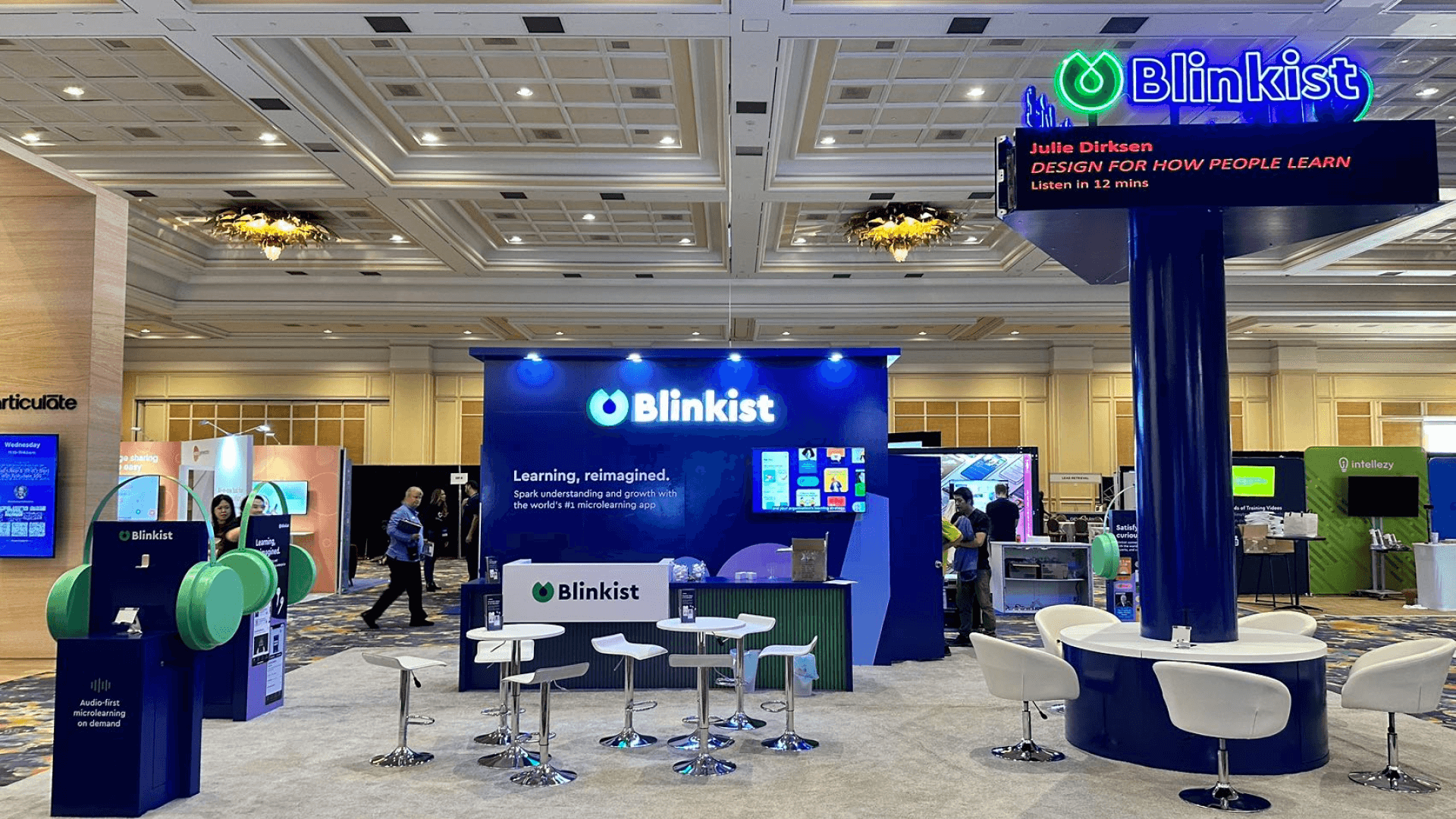
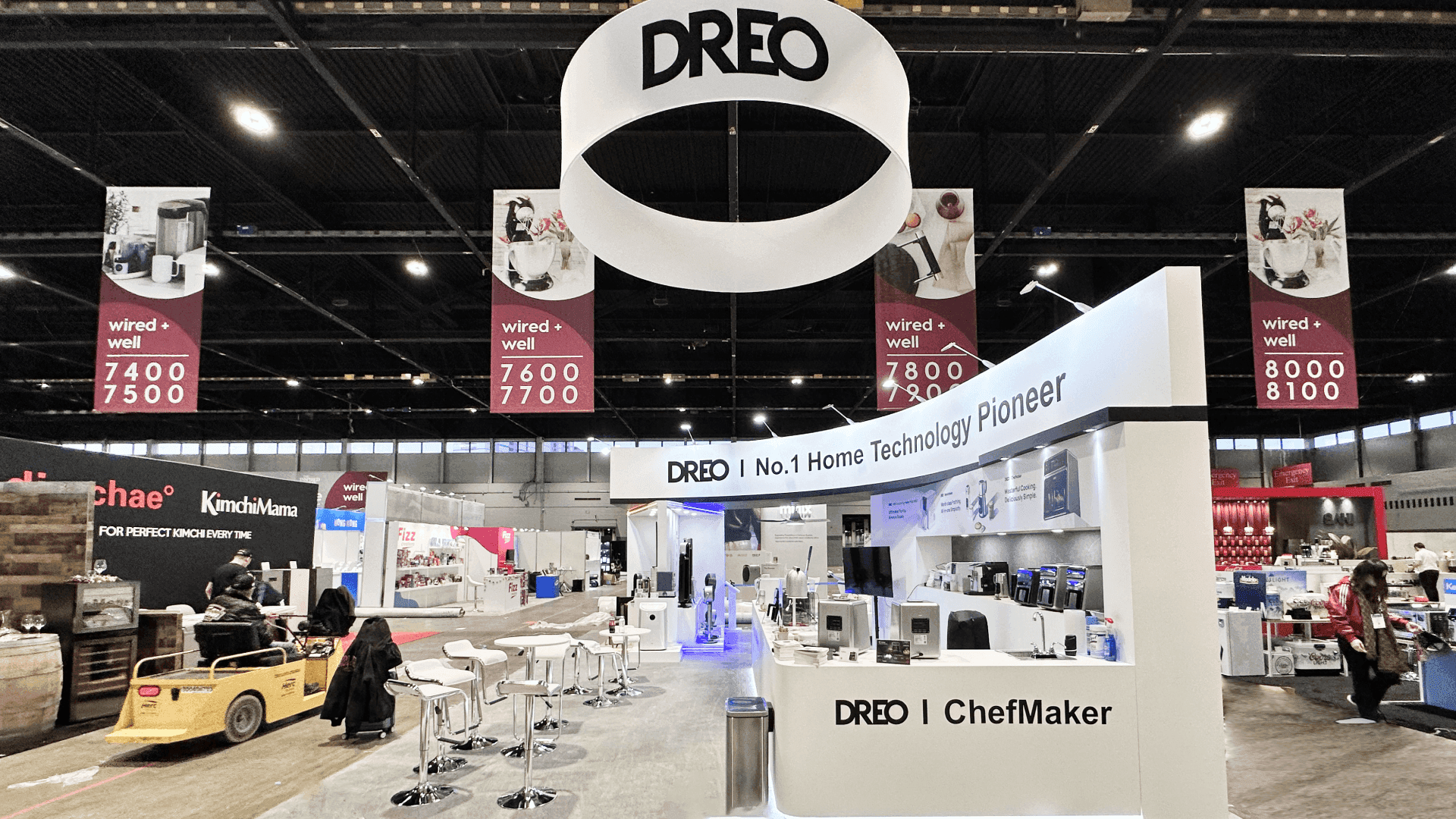
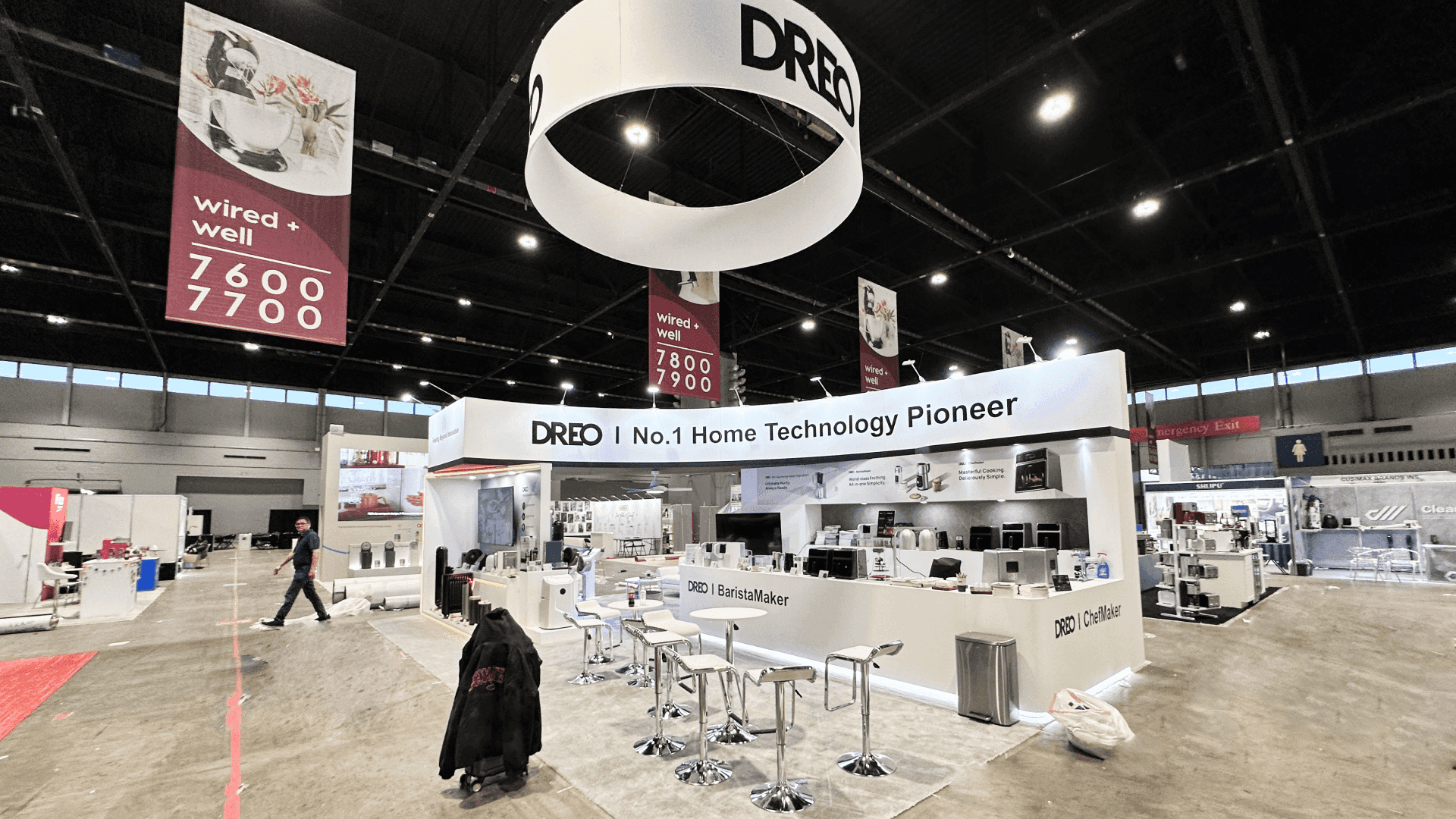
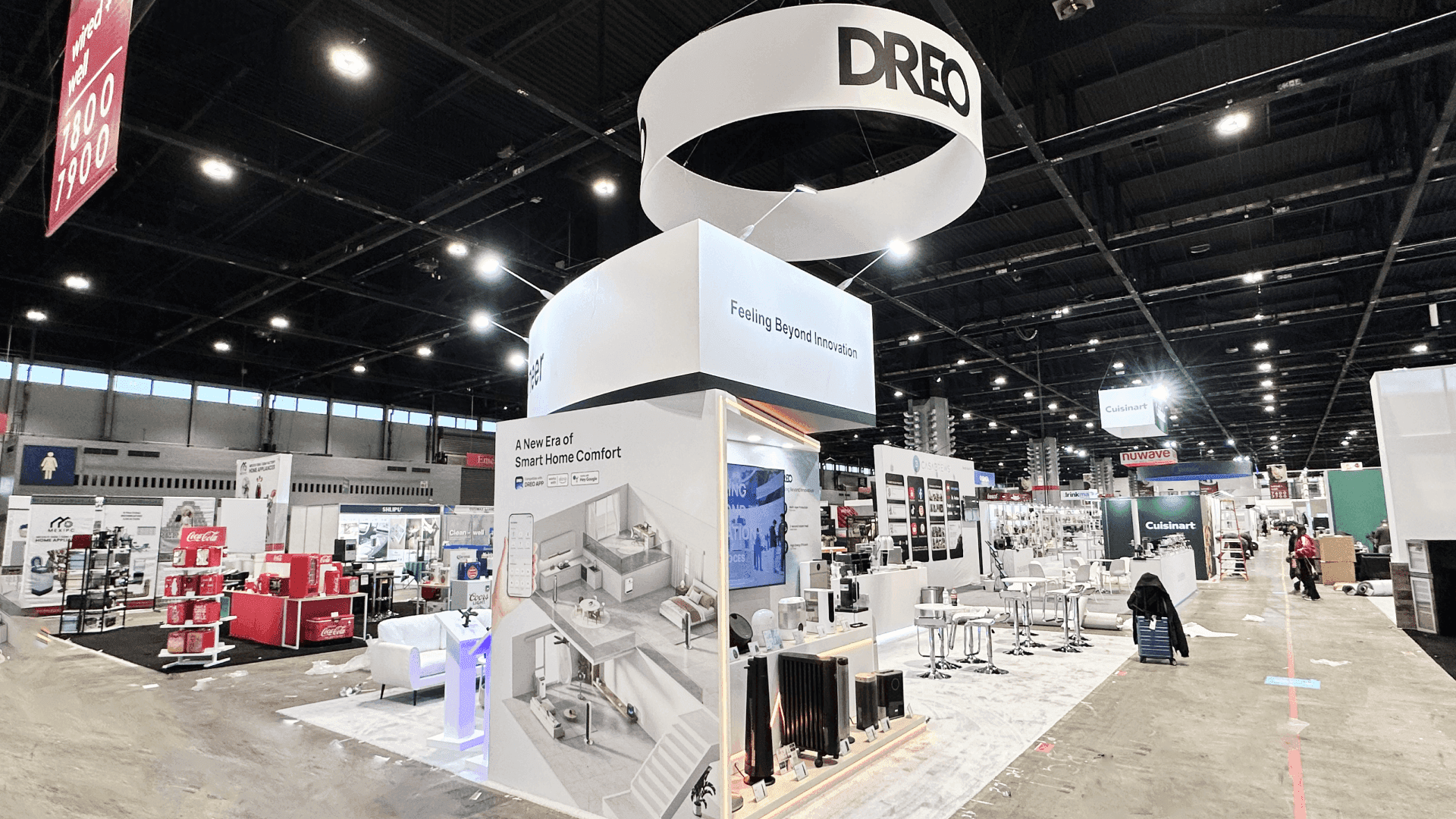
When the decision depends on assortment clarity, shelf fit, category organization, or how the offer will appear in-store, the Orgill retail merchandising booth guide provides the more focused planning path. A 10x20 can present one focused category with a compact discussion point, while a 20x20 creates clearer separation between the primary display and follow-up conversations. A 20x30 can accommodate several product zones plus a comparison or ordering area, and a 30x40 provides room for larger products, multiple teams, backstock, and simultaneous buyer conversations. Products whose value depends on visible performance also need a demonstration area that connects what buyers see to customer demand, staff usability, margin potential, or repeat sales.
At the Orange County Convention Center, exhibitors should confirm product dimensions, freight timing, utilities, storage, and installation order before the booth moves into production. Circle Exhibit’s trade show exhibit design and build team can translate those retail and show-site requirements into a coordinated plan for design, production, logistics, and installation in Orlando.
Why Exhibitors Choose Circle Exhibit
Clear scope, transparent quote review, nationwide booth support, and efficient setup planning for qualified rental and custom exhibit projects.
48hr
Setup Window
10+
Years Since 2014
U.S.
Trade Show Support
Real
Booth Project Proof
Booth size should follow the number of buyer activities, product scale, staff positions, storage requirements, and the separation needed between evidence and conversation.
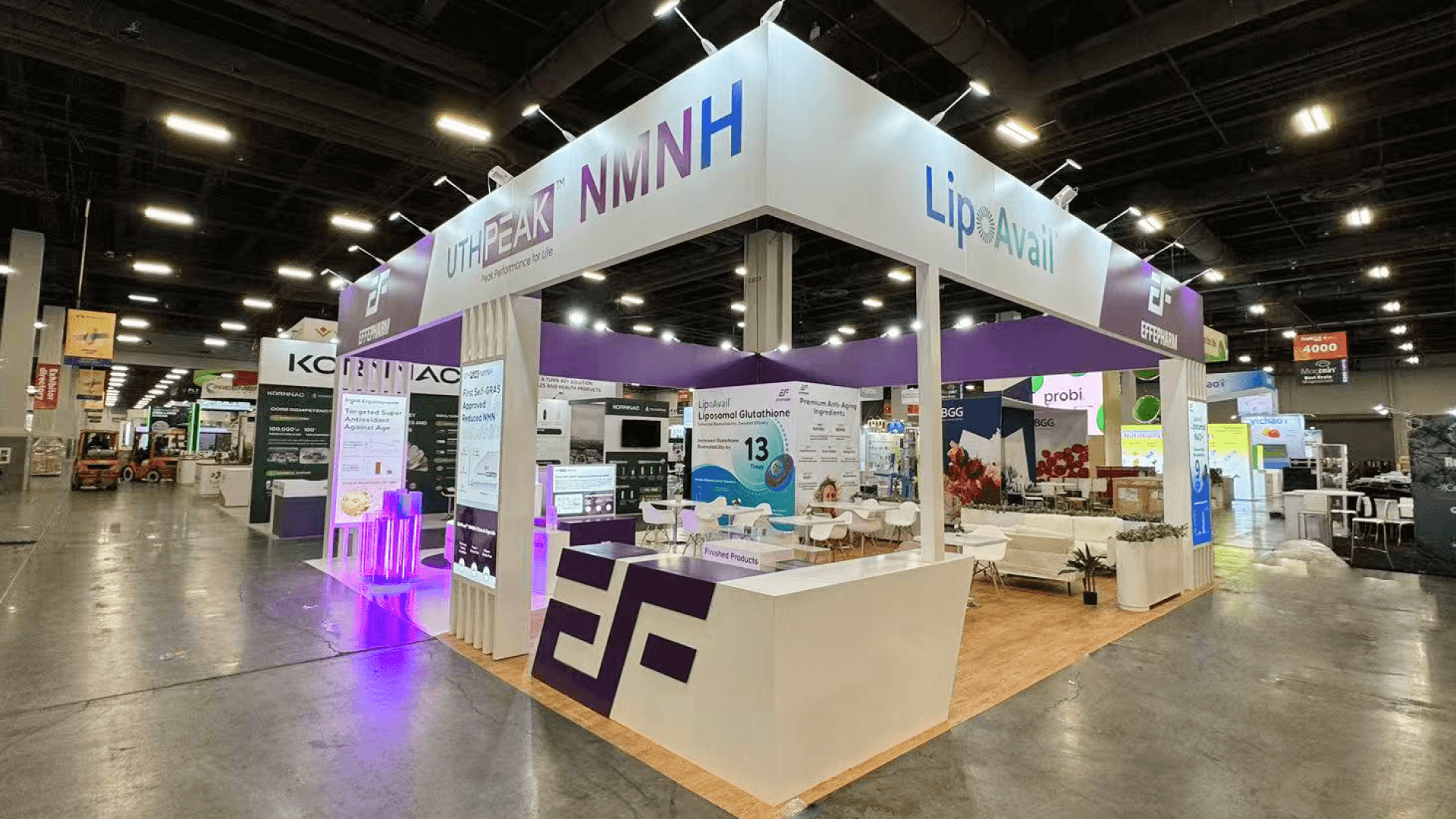
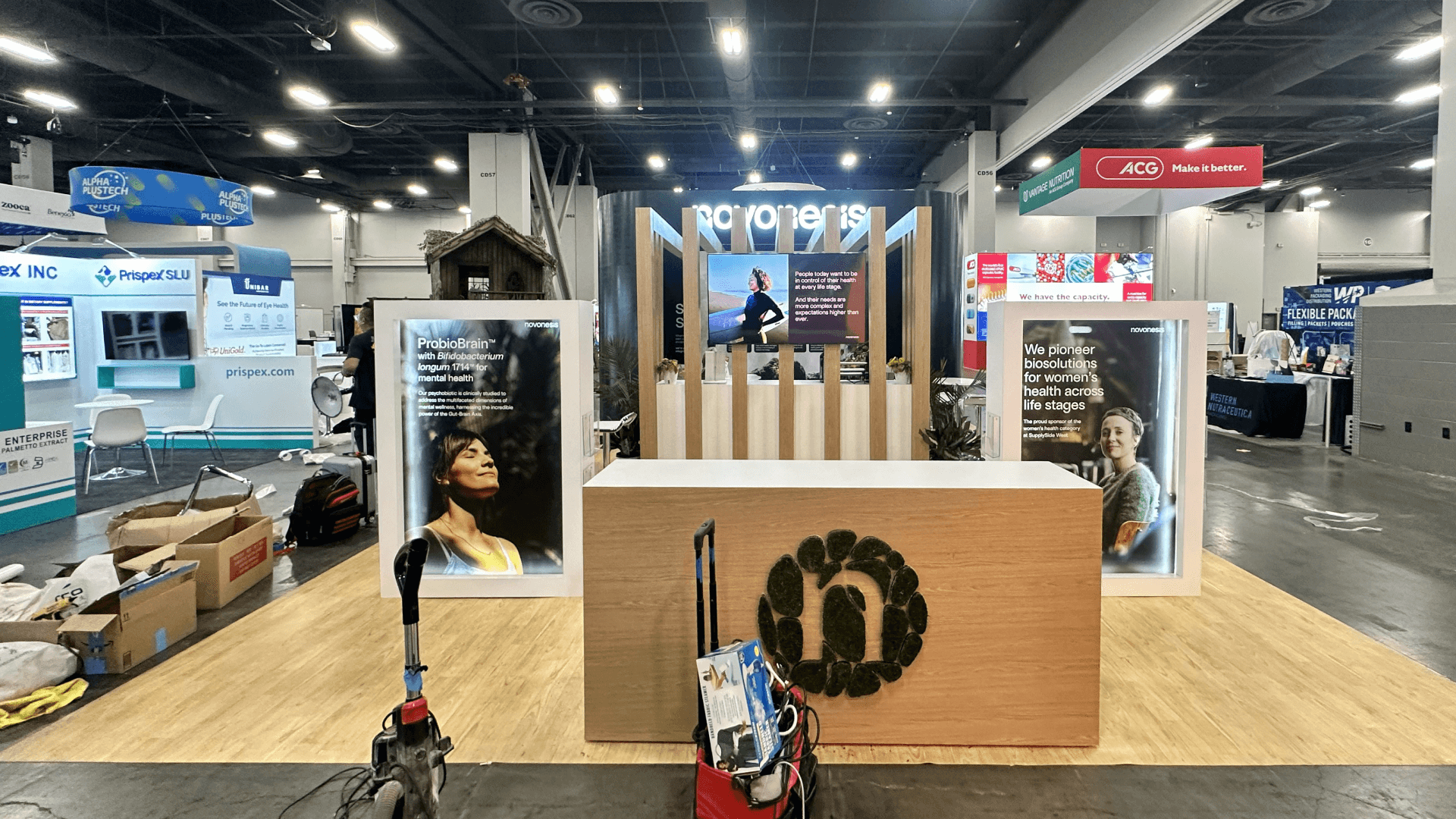
For one focused category, a 10x20 booth can hold a clear evidence point, standing conversations, and compact storage. It works best when visitors do not need several comparisons or a large operating area.
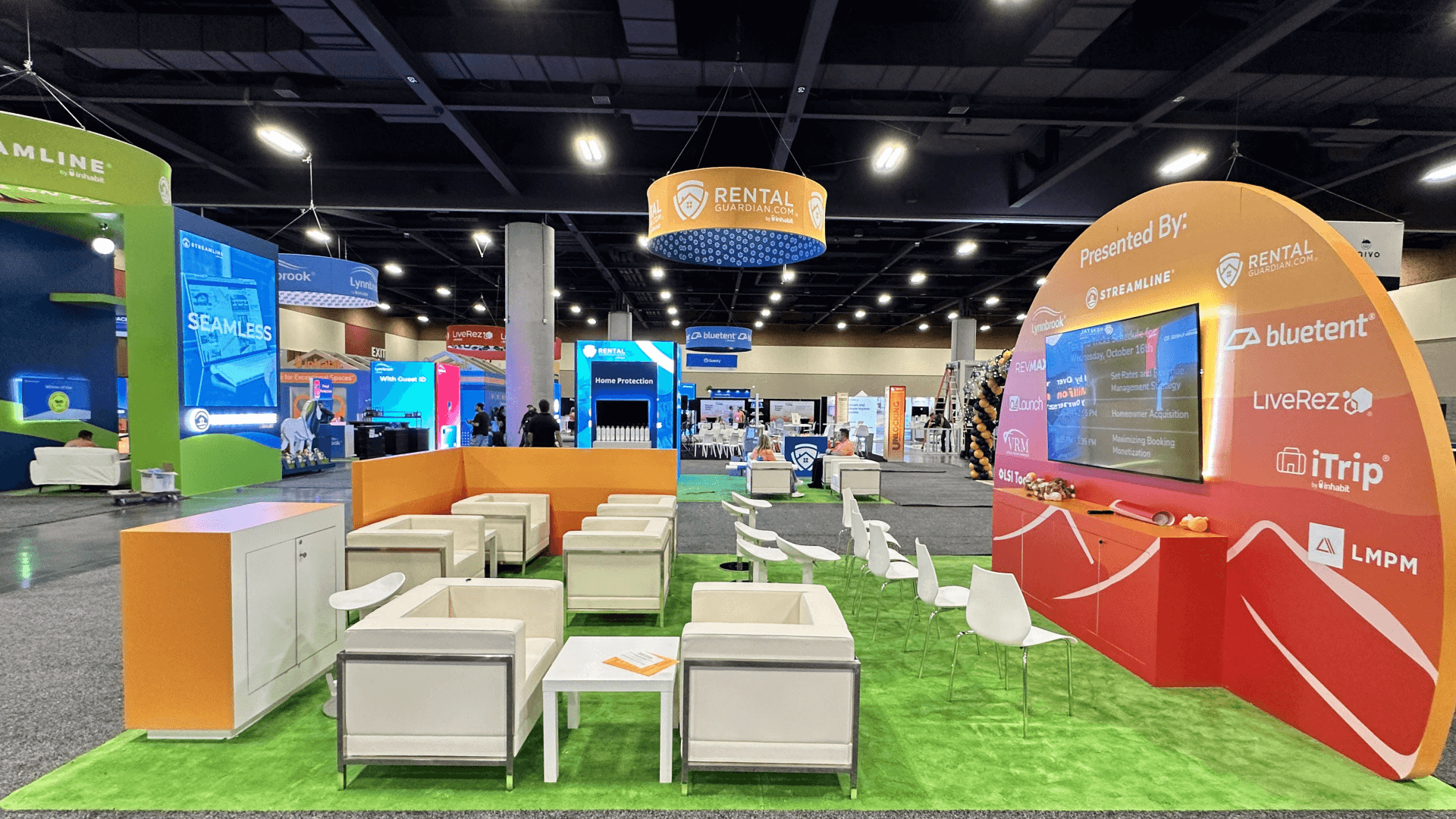
A 20x30 booth can support several product groups, a merchandising or demonstration area, buyer review, and controlled storage. Each zone should correspond to a different stage of the buying process.
Moving to a 20x20 booth gives the primary display or demonstration more separation from follow-up. Multiple open sides can improve visibility without placing visitors inside the working zone.
Consider a 30x40 booth when larger products, several teams, simultaneous demonstrations, private discussions, and substantial backstock must operate without sharing one circulation path.
An Orgill booth may need to place products in a recognizable retail setting, prove performance through a live demonstration, or support both without letting one activity crowd out the other. If the first question is how much of the store environment to reproduce, the Orgill retail-context guide separates useful category and application cues from scenery that competes with the product.
When performance must be seen, the guide to live demonstration layouts explains how viewing, operation, reset, and follow-up areas can work as one repeatable cycle. Together, these decisions clarify what the booth must accomplish before its footprint and build type are finalized.
The booth should help a buyer recognize the retail opportunity, inspect relevant evidence, move into a useful conversation, and understand the next commercial step.
Make the opening view explain which retail category, store problem, or customer need the product addresses before buyers reach the details.
Use a store-ready arrangement, comparison, working demonstration, or visible result that supports the selected buyer decision.
Keep fast browsing near the aisle and move longer specification, pricing, or program conversations away from the main flow.
Give qualified buyers an obvious path to samples, pricing, assortment review, ordering information, or a scheduled follow-up.
The 2027 Orgill Dealer Market brings independent retailers, vendor teams, product programs, promotions, education, and buying opportunities into more than 1 million square feet of show-floor activity. A booth needs one clear retail decision rather than a broad corporate story.
Orgill's concept stores are designed around DIY and Pro formats. Exhibitors serving both audiences should make differences in application, packaging, quantity, technical detail, and store placement easy to understand.
With more than 1,200 vendors and dedicated product showcases, buyers can compare many alternatives quickly. A booth needs an identifiable category role, relevant evidence, and a clear next step.
Not Sure Which Booth Size You Need?
Not every exhibitor knows whether a 10x20, 20x20, 20x30, or larger booth is the right fit. Circle Exhibit can help review your event goals, product display needs, demo areas, meeting space, storage, budget scope, and setup timeline before you choose a booth size.
DIY and Pro Buyers Need Different Proof
The Show's Features Can Blur the Booth's Job
1
Choose the Retail Decision First
2
3
4
Rental for a Focused, Adaptable Program
Choose rental when modular walls, counters, shelving, graphics, lighting, and storage can support the selected buyer path. Review Orlando trade show booth rental options after the program and footprint are clear.
Custom When Products Shape the Structure
Custom construction becomes more useful when oversized products, specialized fixtures, unusual clearances, substantial hanging elements, or a highly specific brand environment determine the structure.
Compare the Complete Project Scope
Evaluate graphics, fixtures, utilities, freight, installation, storage, and reuse together. The right decision is the structure that supports the booth program without adding unnecessary complexity.
Identify where OCCC utilities, rigging, freight timing, floor protection, labor, and installation constraints may affect the exhibit. Verify show-specific requirements before ordering services.
Lay out the aisle entry, first evidence point, staff positions, conversation zone, and exit before fixing product locations.
Separate exhibit-crate timing from samples, inventory, tools, batteries, demo media, and replenishment materials so each arrives in the order the team needs it.
Rehearse the real products, graphics, screens, lighting, storage, and lead-capture flow together. A floor-plan review will not reveal every conflict.
Use the Orgill merchandising booth guide when buyers need store-context evidence, or the Orgill product demo booth guide when a product must prove performance through a visible result. The OCCC booth planning page covers venue execution after the display direction is chosen.
Rental vs. Custom for Orgill Dealer Market
Choose the build path after defining the buyer decision, product display, booth size, storage, and OCCC requirements. A customizable rental works when a proven system supports the program. Custom construction becomes more relevant when the products or operating clearances shape the structure.
Should an exhibitor display its full product line?
No. Lead with the products that support the primary buyer decision. Use samples, a catalog, digital details, or staff follow-up for the rest.
Can DIY and Pro products share one booth?
Is a 20x20 booth large enough for Orgill Dealer Market?
Does every product need a live demonstration?
What should be confirmed before OCCC production begins?
READY TO PLAN YOUR NEXT BOOTH?
Let’s Build a Booth That Fits Your Event
Share your event name, booth size, city, timeline, product display needs, and design references. Circle Exhibit will review your project direction and help you choose a rental-friendly or custom exhibit path.
3000+
Booth Projects Supported
50+
U.S. Event Cities
Transparent
Quote Review
Plan a visible, repeatable proof when product performance drives the buyer decision.
Review venue-driven requirements before production and show-site service orders.
Move from event planning into Orlando-specific rental, production, and setup scope.
Turn the selected retail decision into readable aisle messaging and product information.
Coordinate booth components, products, equipment, freight, and move-in timing.