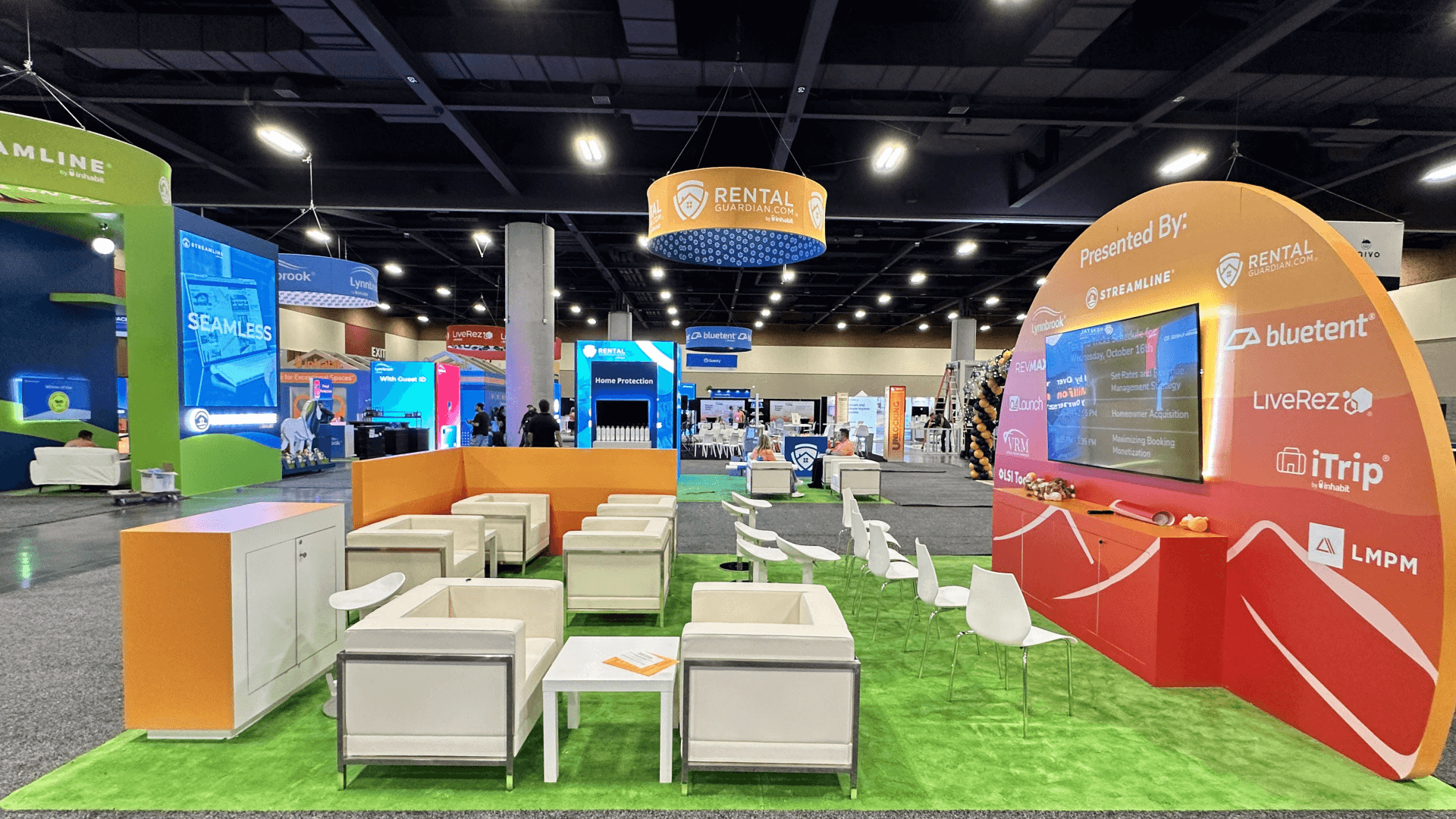
Orgill Dealer Market Store-Ready Merchandising Booth Planning
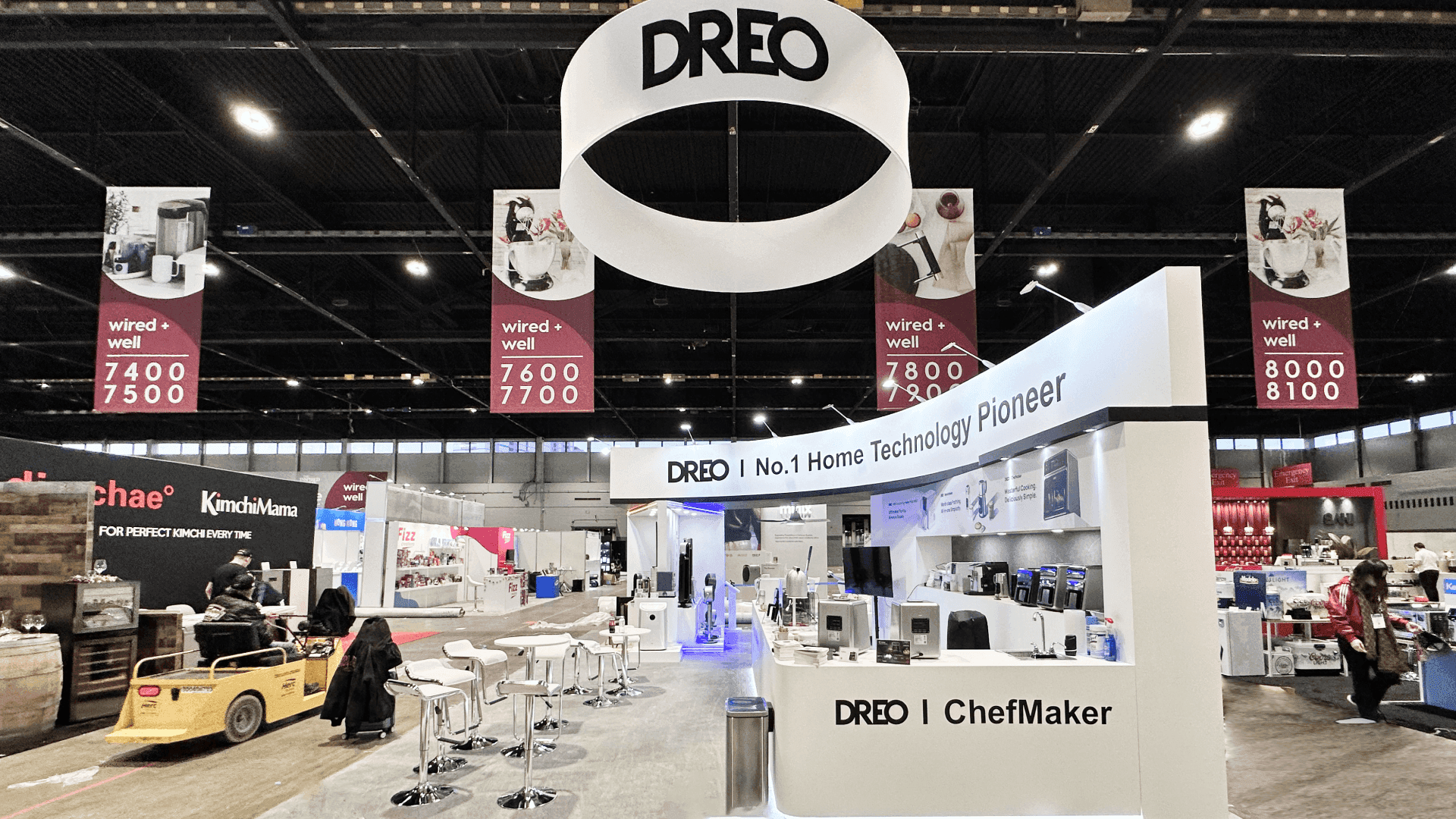
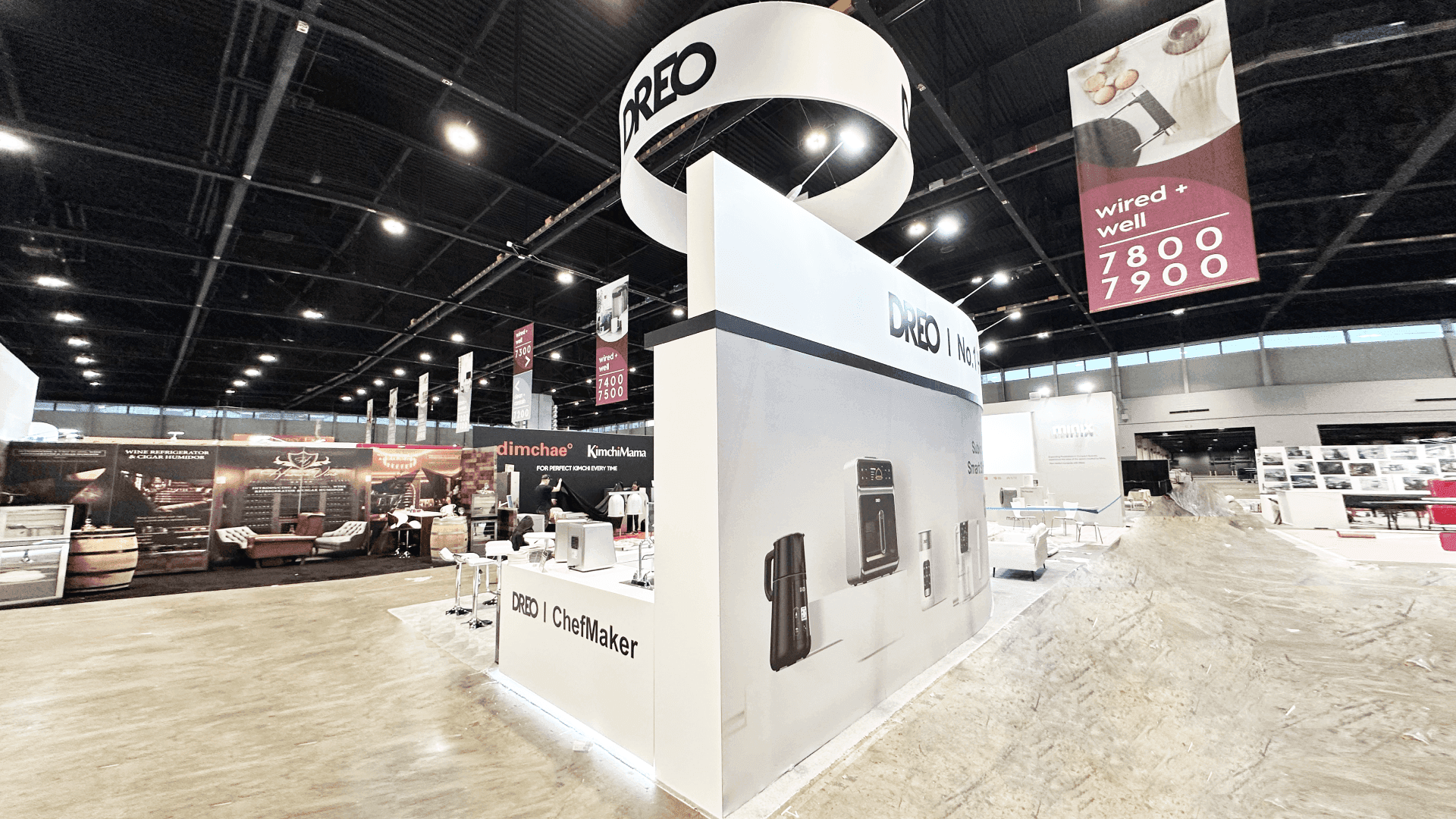
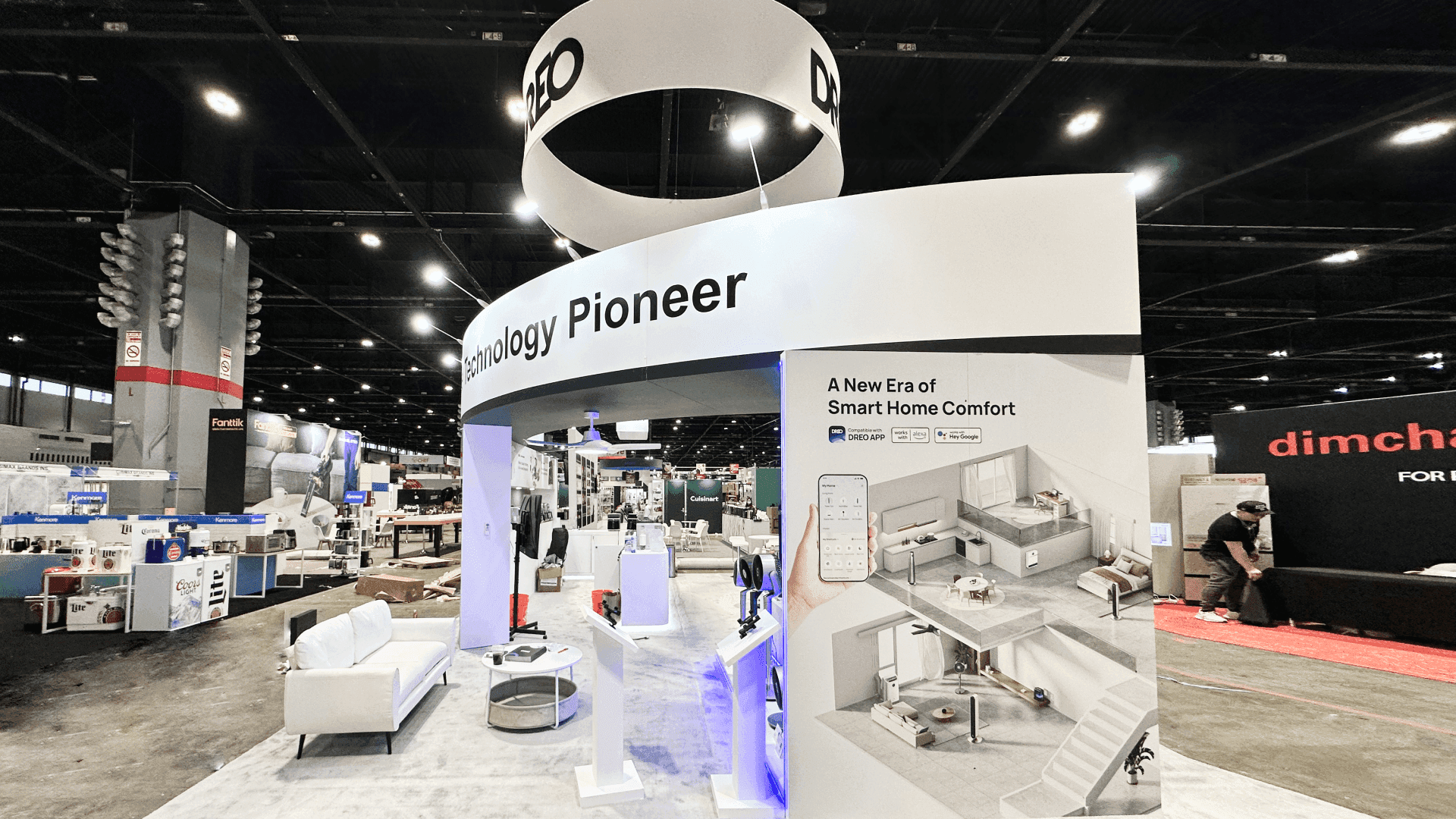

How should exhibitors plan an Orgill Dealer Market merchandising booth?
An Orgill Dealer Market merchandising booth should help independent hardware and home improvement retailers judge whether a product group fits their stores. Edit the visible selection, separate hero, supporting, and add-on products, show packaging and placement clearly, distinguish DIY and Pro relevance when needed, and connect the display to a practical assortment or ordering conversation.
An Orgill merchandising booth should mirror the way a retail buyer evaluates a category: identify what it is, understand where it belongs, compare the priority products, and decide whether the assortment merits a closer look. That requires a clear category cue, an edited product hierarchy, enough context to explain store fit, and an obvious point for the next buying conversation. When an exhibit must balance assortment comparison with live product proof, the Orgill Dealer Market booth planning hub helps determine which task should control the layout before fixtures and displays are selected.
Orgill’s Real World Model Concept Stores and Shoppable Showcases make store context and usable assortments especially relevant at this event. An individual exhibitor does not need to recreate a complete store; it needs to make category placement, customer use case, assortment logic, and meaningful product differences easy to evaluate. Fixture runs, shelf-level messaging, comparison groupings, and a focused hero product should show buyers why the line belongs in their stores—not simply how many products it contains.
A 10x20 can present one edited category with a clear hero product and a compact buyer-review point. A 20x20 gives a DIY-and-Pro or product-family comparison more breathing room, while a 20x30 can support several related assortments, longer fixture runs, replenishment access, and a separate ordering conversation. A 30x40 becomes relevant when multiple categories, larger displays, several buyer teams, and backstock must operate at the same time. Because the show takes place at the Orange County Convention Center, fixture depth, freight volume, storage, and installation order should be confirmed early enough to keep stocking and buyer movement from interfering with each other.
Why Exhibitors Choose Circle Exhibit
Clear scope, transparent quote review, nationwide booth support, and efficient setup planning for qualified rental and custom exhibit projects.
48hr
Setup Window
10+
Years Since 2014
U.S.
Trade Show Support
Real
Booth Project Proof
Merchandising needs linear display capacity, readable labels, buyer standing room, and backstock. More floor area helps only when it makes the category logic easier to understand.
For one edited category, a 10x20 booth can support a focused fixture run, one hero group, compact backstock, and brief buyer review. Keep supporting products subordinate so the wall does not become a catalog.
Move to a 20x30 booth when several related assortments need distinct zones, longer fixture runs, replenishment space, and a separate table or counter for range review.
A 20x20 booth is useful when buyers need to compare two product families, DIY and Pro lines, or several store placements. Use the extra approaches to reveal distinctions rather than duplicate the same display.
Do not add a 30x40 footprint unless the assortment, fixture depth, staffing, and buyer-review program require it. A larger booth should make navigation easier, not justify showing more SKUs.
A product wall, shelf run, or application setting is useful only when it resolves a buyer question the product cannot answer alone. Before selecting fixtures, use the Orgill retail-context guide to decide whether the booth needs a category cue, a real-use setting, or a comparison point—and where additional scenery would begin to reduce product access and buyer review space.
That decision gives the merchandising plan a cleaner brief: one retail judgment, one hero product or family, and only the supporting context needed to make the relationship clear.
The display should help buyers understand where the products belong, how the range is organized, what information matters, and how to continue into an assortment or ordering discussion.
Use shelves, peg systems, bins, endcap cues, or modular product walls at a scale that lets buyers understand placement and reach.
Make the priority item obvious, then show only the supporting and attachment products that change assortment logic or basket value.
Label products with the few details that drive comparison: use case, key difference, compatibility, pack information, or retail position.
Provide hidden backstock and a separate place for line sheets, pricing, ordering references, and longer assortment conversations.
Orgill uses model concept stores to show how merchandise, signage, assortments, and displays work together. An exhibitor does not need to recreate a full store, but the booth should make product placement and category fit believable.
Dedicated showcases highlight new items, impulse products, private brands, and planning assortments. A merchandising booth should help buyers understand which products lead the range, which support it, and which create an add-on opportunity.
Retail buyers need to judge whether packaging, product mix, shelf use, customer relevance, and ordering information will work in their stores. The booth should support that evaluation without presenting the full catalog.
Not Sure Which Booth Size You Need?
Not every exhibitor knows whether a 10x20, 20x20, 20x30, or larger booth is the right fit. Circle Exhibit can help review your event goals, product display needs, demo areas, meeting space, storage, budget scope, and setup timeline before you choose a booth size.
The Category Role Is Missing
DIY and Pro Products Are Mixed Together
1
Edit the Assortment Before Designing Fixtures
2
3
4
Rental When Modular Fixtures Carry the Range
A customizable Orlando rental booth works when modular walls, shelving, counters, lightboxes, and storage can support the edited assortment without compromising product scale.
Custom for Purpose-Built Merchandising
Custom construction earns its place when product dimensions, fixture behavior, load, security, lighting, or a branded retail environment require purpose-built elements.
Choose from the Assortment Outward
Compare fixture depth, product weight, label visibility, replenishment access, graphics changes, storage, reuse, and installation before selecting the build type.
Cross-check fixture depth, stability, aisle exposure, open sides, storage, and floor protection against the assigned OCCC footprint before production.
Plan flooring and structure first, followed by fixtures, graphics, products, labels, and final replenishment. Avoid a setup sequence that requires finished displays to be moved twice.
Crate and label samples in the order they will be placed: hero, supporting, add-on, then replenishment. This shortens setup and reduces misplaced items.
View the finished display from aisle distance and again at arm's length. Confirm that the category, priority products, comparison points, and next step remain clear at both distances.
Use the Orgill Dealer Market booth planning hub when the team still needs to choose between merchandising and demonstration. After the assortment and footprint are clear, review OCCC booth planning for venue execution and booth graphics planning for product labels and category messaging.
Rental Booths for Store-Ready Merchandising
A rental system can work well when modular walls, shelving, counters, lightboxes, and storage support the edited assortment. Confirm fixture depth, label visibility, replenishment access, and buyer review space before choosing the structure.
How many products should a merchandising booth display?
Show enough products to explain the category, comparison, and attachment opportunity. Additional SKUs should remain in line sheets, digital tools, or backstock unless they change the buyer's decision.
Should the booth recreate an entire hardware store?
Should DIY and Pro products have separate zones?
What information belongs on product labels?
When does merchandising require more than a 20x20 booth?
READY TO PLAN YOUR NEXT BOOTH?
Let’s Build a Booth That Fits Your Event
Share your event name, booth size, city, timeline, product display needs, and design references. Circle Exhibit will review your project direction and help you choose a rental-friendly or custom exhibit path.
3000+
Booth Projects Supported
50+
U.S. Event Cities
Transparent
Quote Review
Return to the broader decision between merchandising, demonstration, booth size, rental, and custom construction.
Review venue conditions that may affect fixtures, freight, utilities, and setup.
Evaluate whether an island footprint provides enough space for comparison and buyer review.
Plan category signs, product labels, fixture graphics, and aisle-facing messages.
Connect the approved merchandising program to an Orlando rental and installation scope.