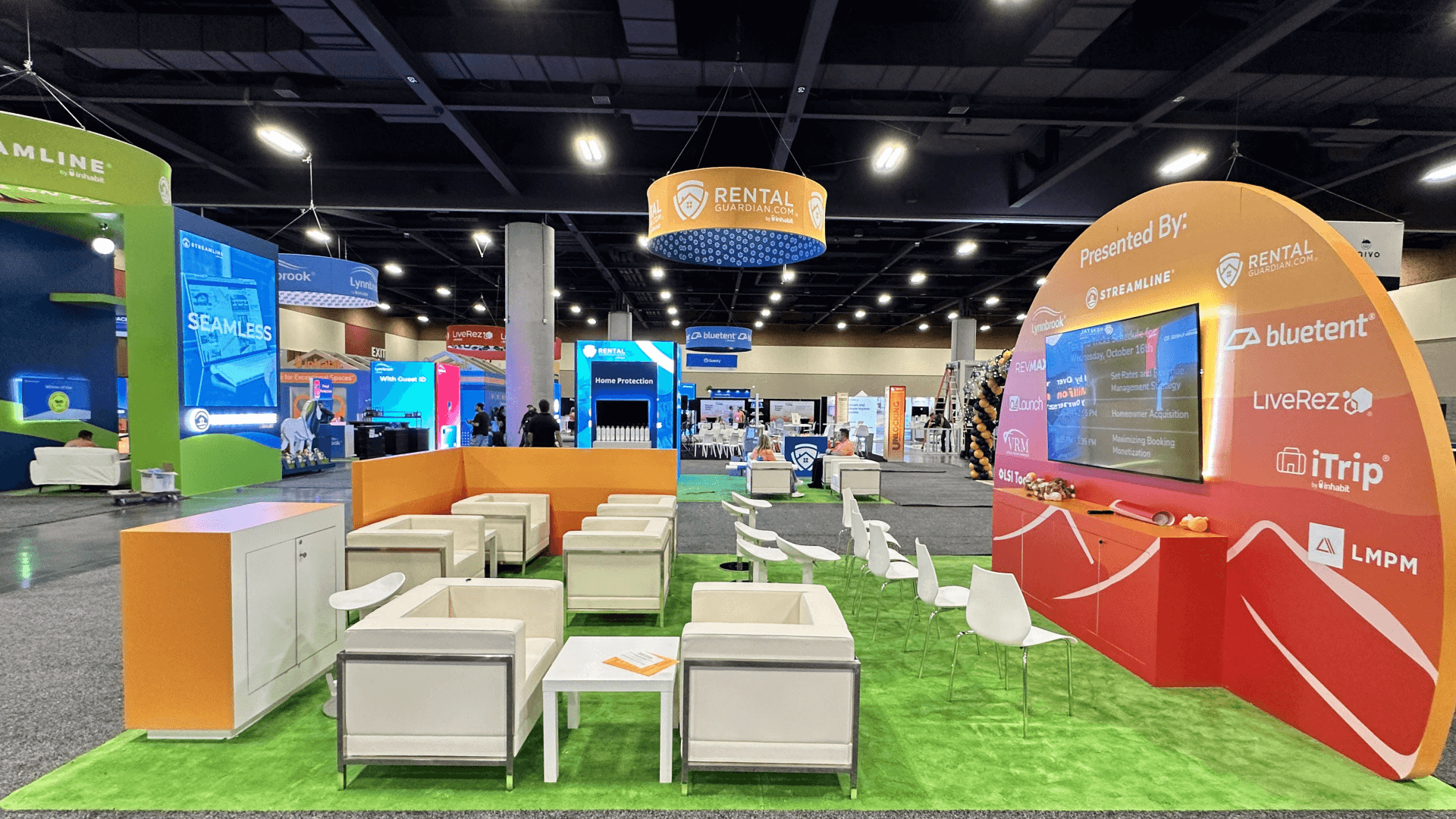
Orgill Dealer Market Product Demonstration Booth Planning
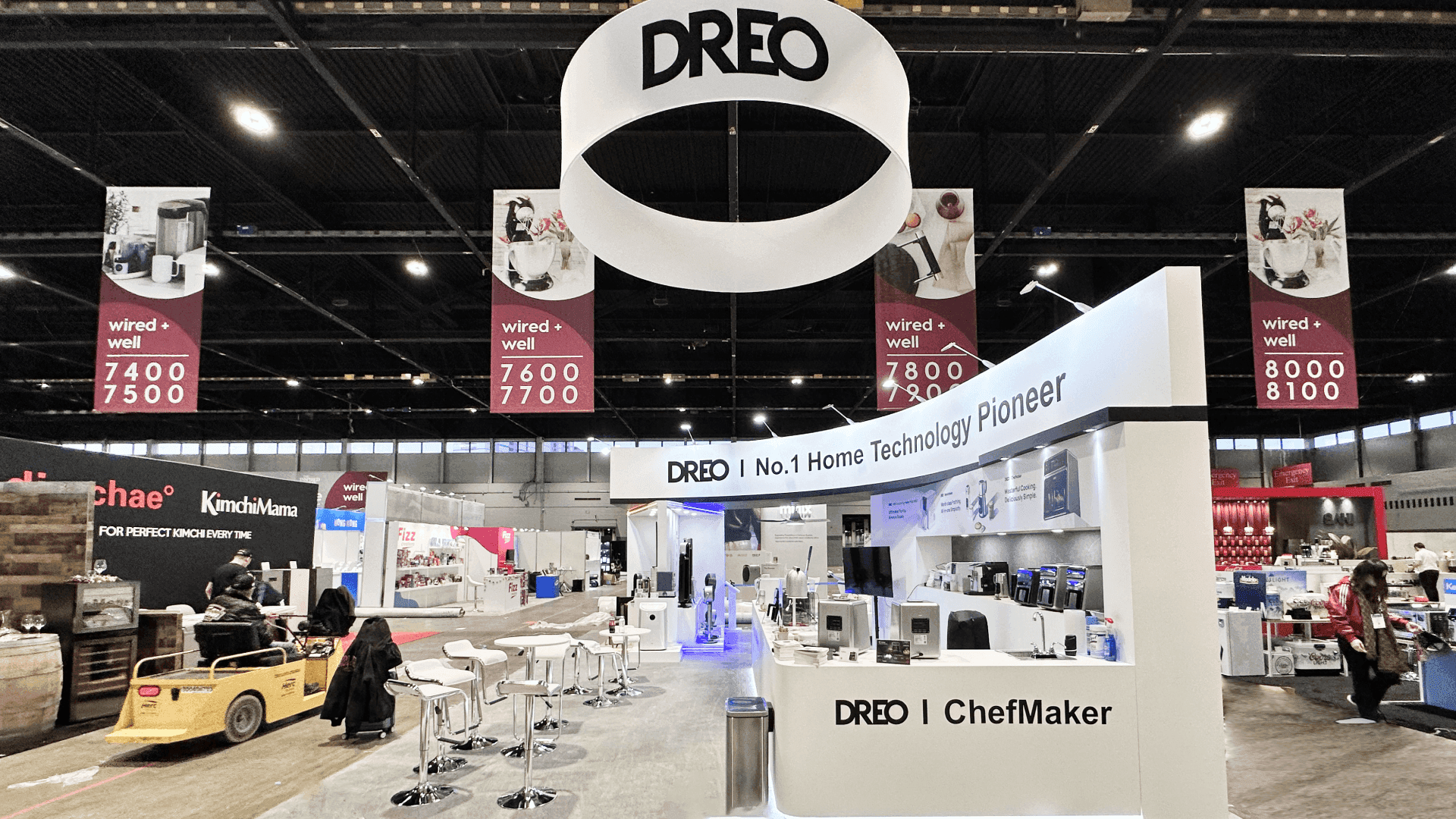
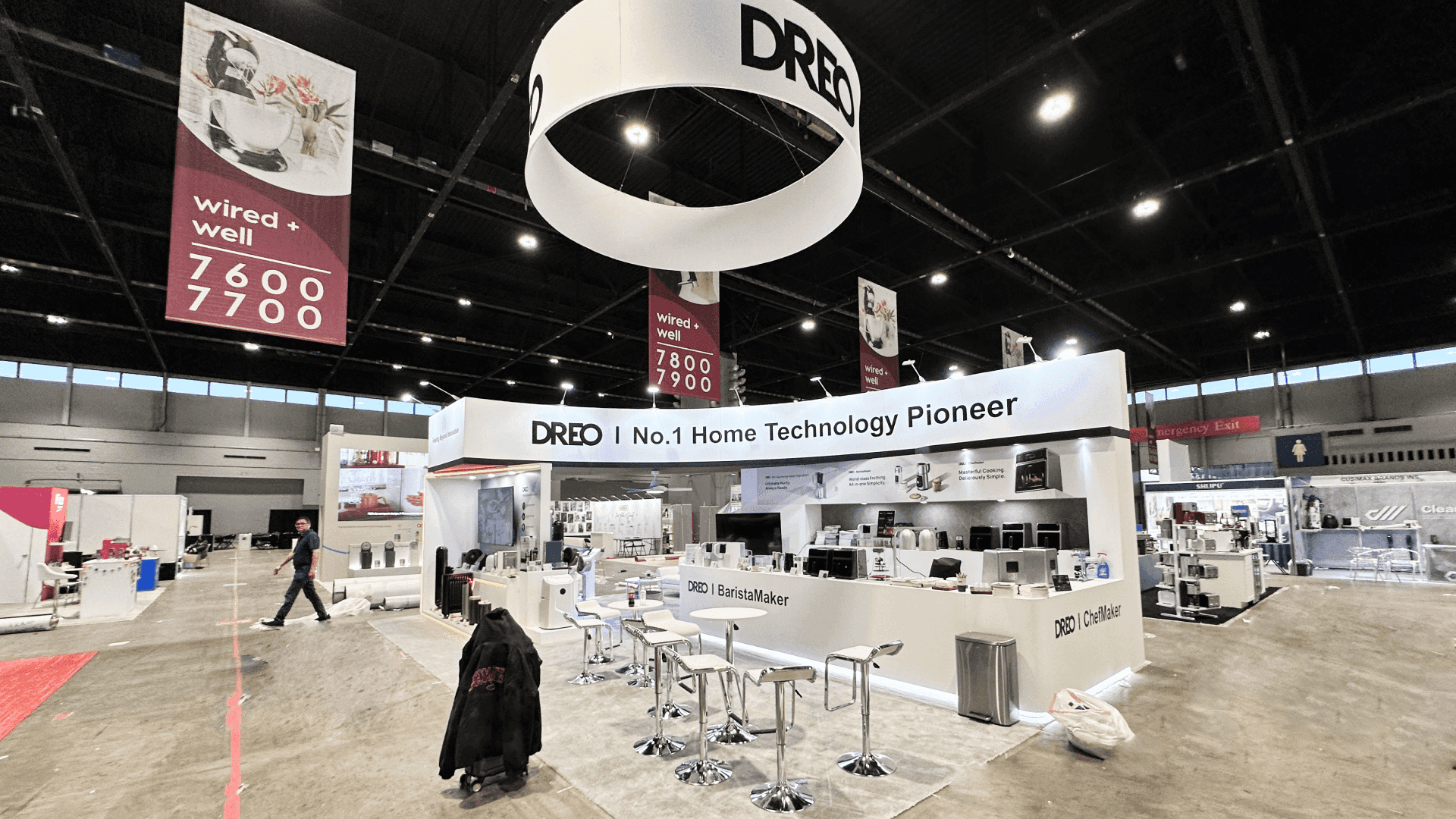
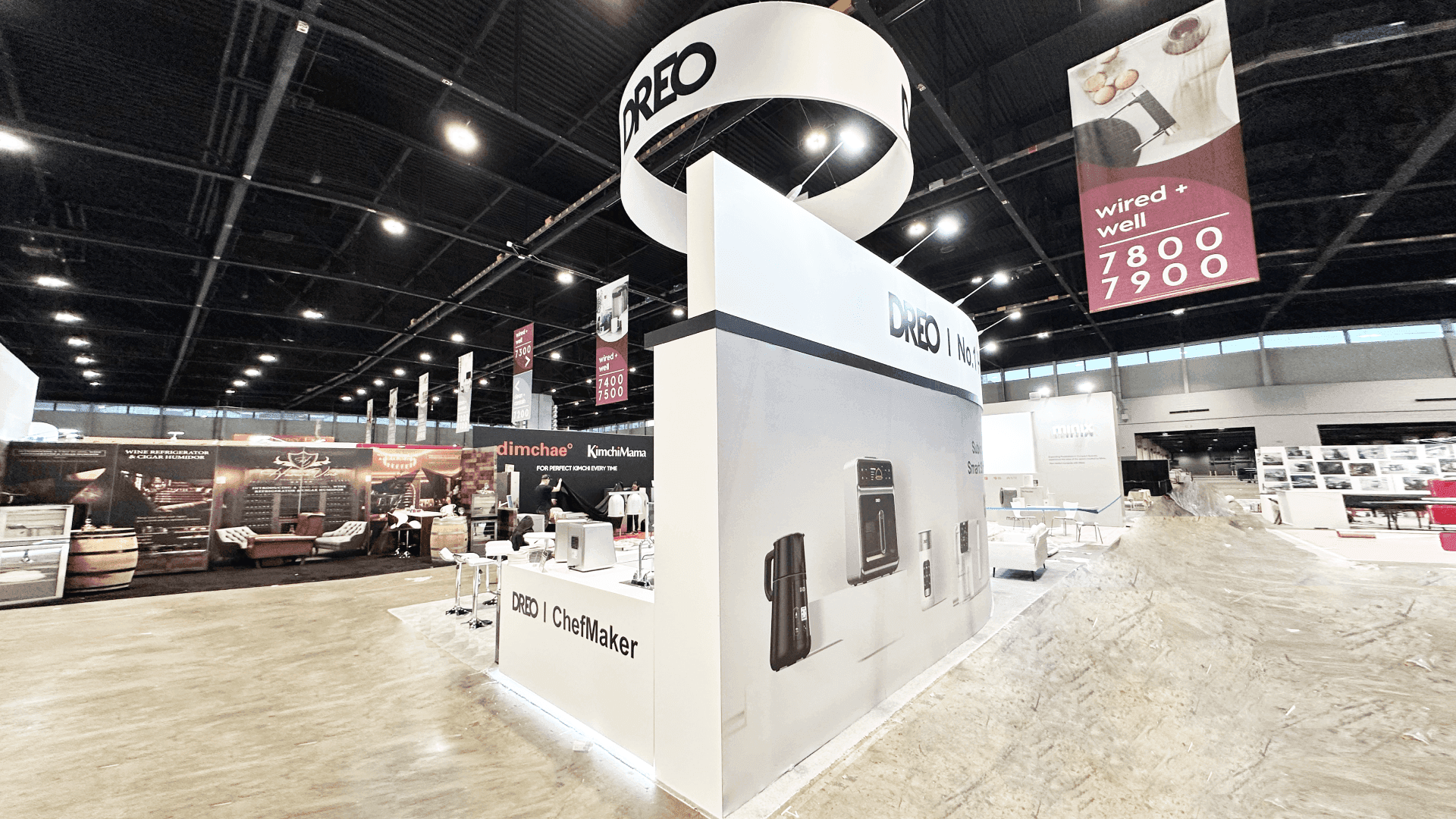

How should exhibitors plan an Orgill Dealer Market product demo booth?
An Orgill Dealer Market product demo booth should prove one practical product claim through a result buyers can see and understand. Plan the working product, test material or comparison, operator position, viewer line, utilities, safety clearance, specifications, buyer handoff, reset supplies, and backup method before the booth enters production.
An Orgill Dealer Market product demo booth should answer a practical retail question: what does the product do, how is it different, and what result can a buyer confidently explain to store staff or customers? Within the broader Orgill Dealer Market booth plan, live proof may lead the visitor experience or support a merchandising-led layout. That choice should be made before the footprint and build type are fixed.
A repeatable demonstration follows a simple rhythm: introduce one claim, operate the product under understandable conditions, make the result visible, handle the next application or technical question, and reset for the next group. Equipment, operators, observers, test materials, and follow-up conversations need defined positions so visitors can see the proof without interrupting the demonstration.
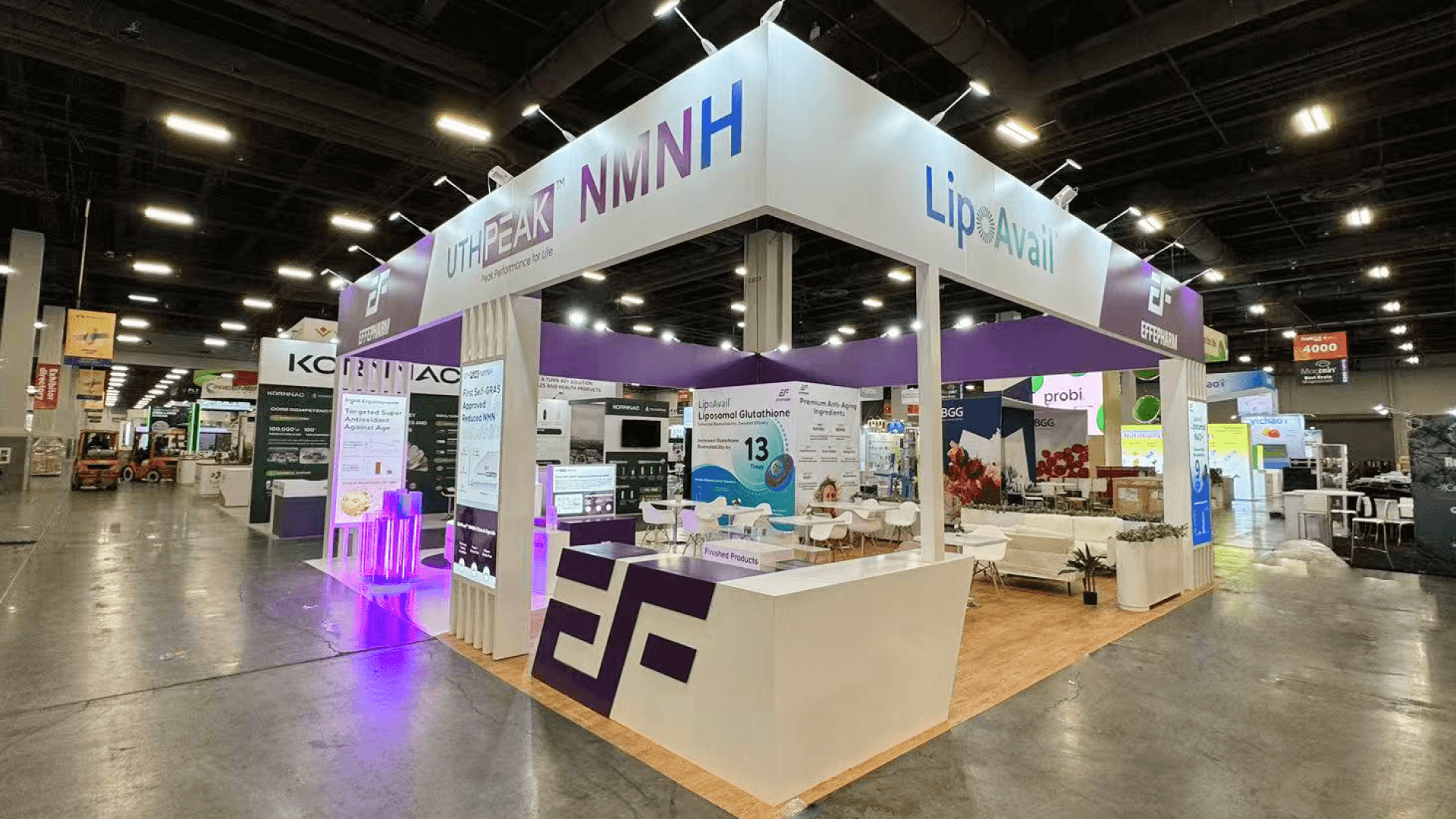
A 10x20 suits one compact, staff-led proof point. A 20x20 creates clearer separation between operation, viewers, and buyer questions, while a 20x30 can support larger equipment, multiple demo stations, additional test materials, stronger utility requirements, a controlled queue, or a dedicated technical handoff. A 30x40 becomes relevant when several demonstrations must run at once or when equipment access, storage, and buyer circulation require separate zones. Because the show takes place at the Orange County Convention Center, equipment dimensions, power demand, freight timing, test materials, and reset access should be confirmed before the demonstration layout moves into production.
Why Exhibitors Choose Circle Exhibit
Clear scope, transparent quote review, nationwide booth support, and efficient setup planning for qualified rental and custom exhibit projects.
48hr
Setup Window
10+
Years Since 2014
U.S.
Trade Show Support
Real
Booth Project Proof
Demo footprints must account for the working product, operator movement, viewer sightline, utilities, safety clearance, reset materials, and the transition into buyer discussion.
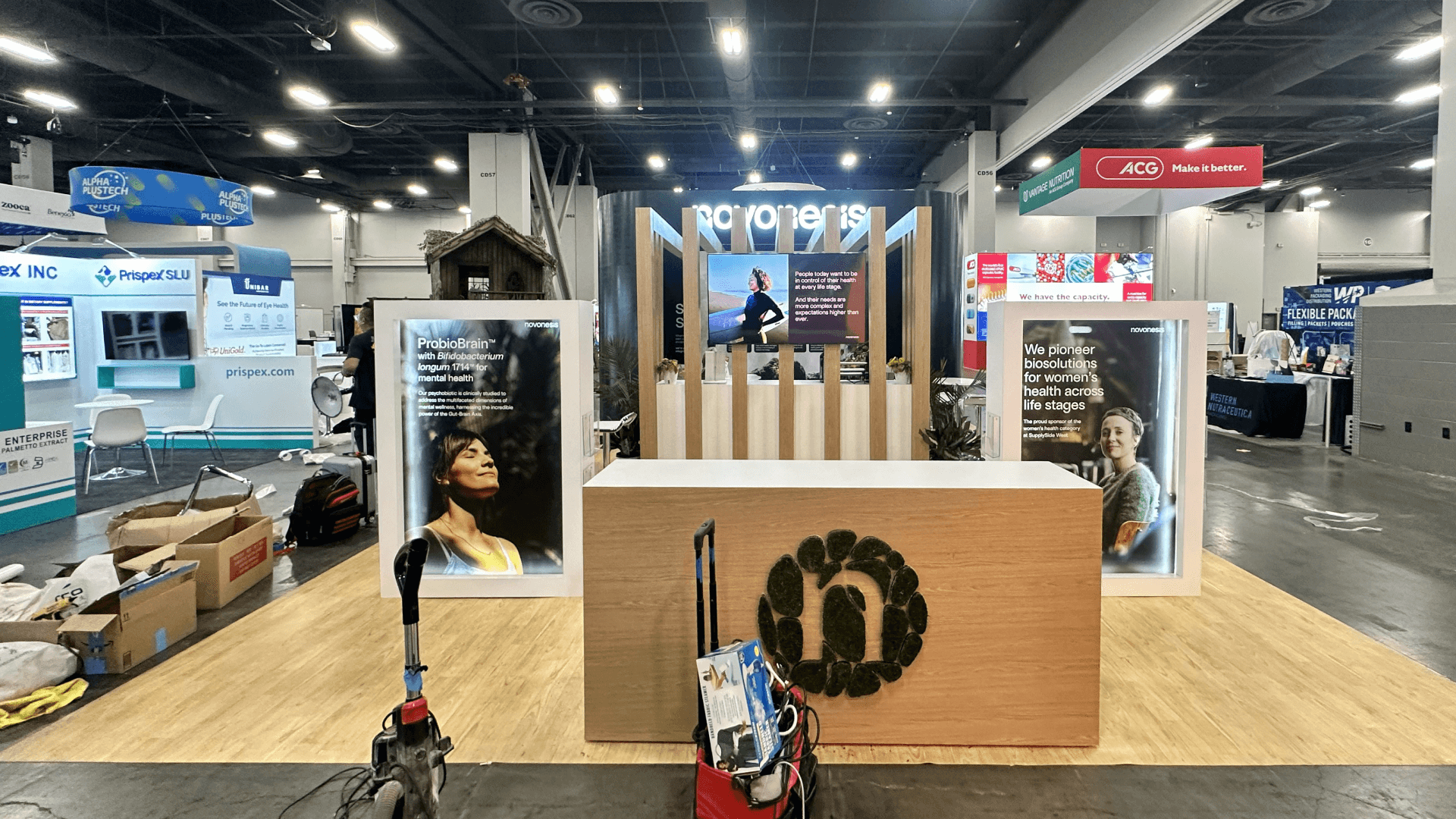
For one compact proof point, a 10x20 booth can fit the working product, one operator, a small viewing line, supporting graphics, and reset storage. Avoid designs that let the audience occupy the operator's space.
Move to a 20x30 booth when larger equipment, more test material, several demo stages, a controlled queue, or a separate technical handoff must function at the same time.
A 20x20 booth is useful when the demo needs clearer separation among operation, viewing, questions, and reset. Multiple open sides also require sightlines and barriers that work from more than one approach.
Consider a 30x40 booth only when large equipment, multiple operators, strong utilities, substantial storage, or simultaneous demo groups require distinct work cells and protected circulation.
A demonstration layout has to work after viewers gather, not only during an empty-booth rehearsal. The live demonstration layout guide shows how to position operators, viewers, waiting visitors, reset work, and follow-up conversations so one interested buyer does not stop the next demonstration.
Use the article after the team has defined what the product must prove. It handles the repeatable spatial cycle, while the Orgill planning guidance here keeps that layout tied to retail relevance, utilities, staffing, and booth-size requirements.
The station should keep the working product operable, the result visible, viewers outside the work area, and specifications and reset materials close to the handoff point.
Integrate product, controls, work surface, accessories, power, cable paths, and operator reach into one repeatable setup.
Place before-and-after samples, output, measurement, comparison, or screen feedback where viewers can recognize the proof without crowding the equipment.
Use distance, floor cues, counters, or low barriers to protect movement and sightlines while keeping the demonstration approachable.
Keep specifications, applications, lead capture, reset supplies, cleanup tools, and backup evidence close enough to support the next cycle without entering the work zone.
Buyers are comparing products, programs, and store opportunities rather than attending only for technical education. A demonstration should prove one practical advantage that a retailer can understand, explain, and act on.
In a show with more than 1,200 vendors, viewers may approach from different directions and stop briefly. The operator, equipment, result, and supporting explanation must remain visible without forcing visitors into the work area.
Power, data, air, water, ventilation, floor protection, equipment access, and reset materials can change the booth plan. Those requirements should be confirmed before structure, counters, graphics, and service orders are finalized.
Not Sure Which Booth Size You Need?
Not every exhibitor knows whether a 10x20, 20x20, 20x30, or larger booth is the right fit. Circle Exhibit can help review your event goals, product display needs, demo areas, meeting space, storage, budget scope, and setup timeline before you choose a booth size.
The Test Condition Does Not Match Real Use
The Operator Blocks the Result
1
Choose One Result Buyers Can Verify
2
3
4
Rental When the Demo Fits a Standard Station
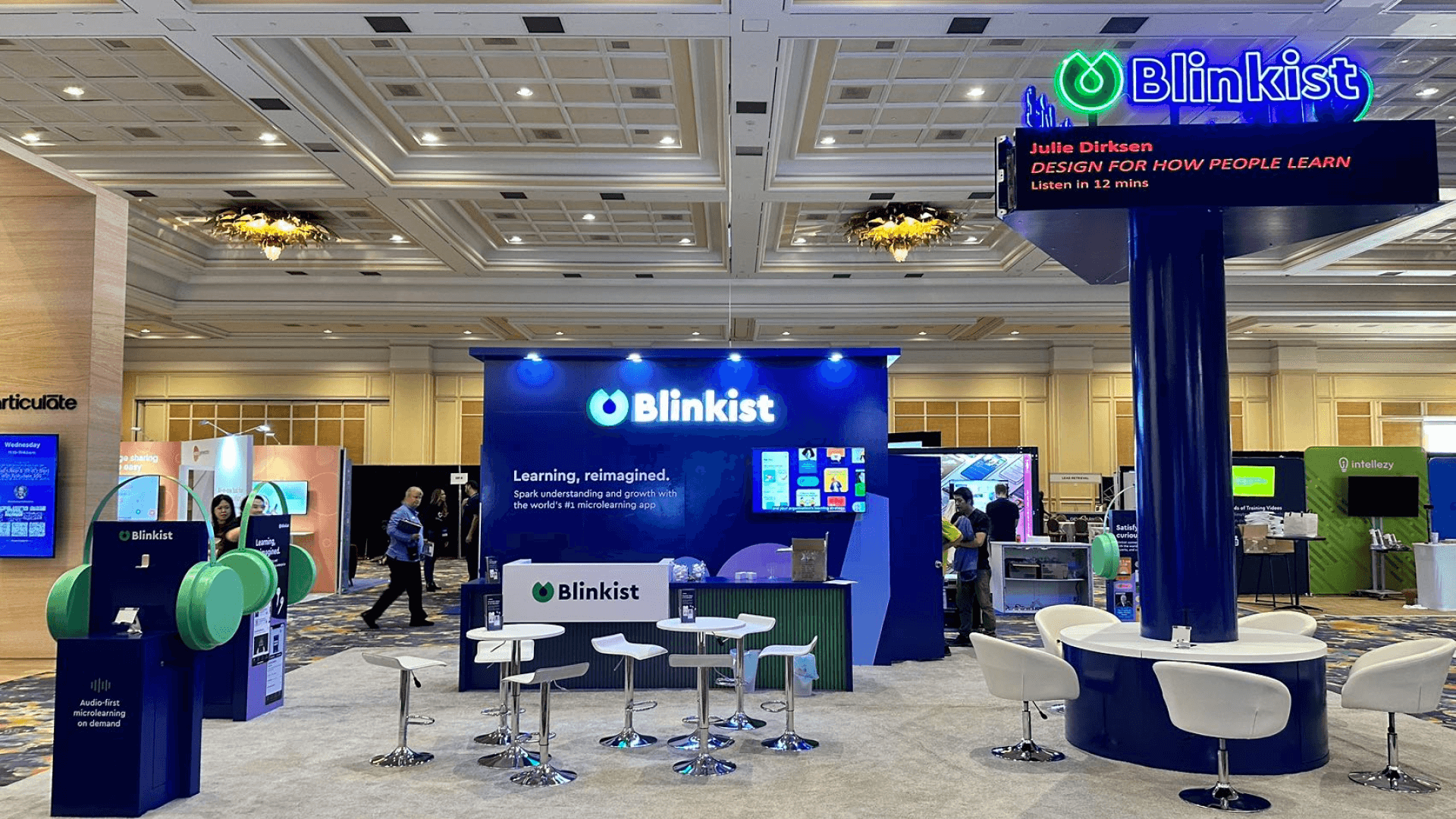
A customizable Orlando rental booth can work when the product fits standard counters, display walls, screens, lighting, storage, and conventional utility routing.
Custom When the Product Determines the Structure
Custom design becomes more relevant when equipment load, reach, ventilation, enclosure, noise control, unusual clearances, specialized interfaces, or a protected operating area shape the booth.
Choose from the Operating Envelope
Compare equipment footprint, operator movement, viewer protection, utilities, reset access, freight, installation, and reuse. Appearance should follow the working requirements.
Identify possible OCCC utility, freight, rigging, floor-protection, and installation requirements. Confirm exact responsibilities and deadlines in the show's exhibitor materials.
Pack the product, controls, accessories, test materials, tools, spares, and cleanup supplies according to setup and reset sequence rather than general product category.
Run the demonstration with final counters, graphics, screens, lighting, cable routes, barriers, and viewer positions in place. Confirm that the result remains visible and understandable.
Assign who introduces the claim, runs the product, answers technical questions, captures the lead, and resets the station. One person should not perform every step during peak traffic.
Start with the Orgill Dealer Market booth planning hub if the team has not yet confirmed that live proof is the right display method. Use booth design and engineering to translate the operating envelope into a buildable layout, then review OCCC booth planning before show-site services are ordered.
Rental Booths for Working Product Demonstrations
A rental structure is practical when standard counters, screens, storage, and utility routes can support the full demonstration cycle. Check the equipment footprint, operator clearance, viewer sightlines, reset materials, and power needs before selecting the layout.
What makes an Orgill product demonstration useful?
It should establish one claim, use a believable test condition, produce a visible result, repeat reliably, and lead into a relevant buyer conversation.
Should every product be demonstrated live?
How long should a booth demonstration take?
When should utilities be confirmed?
What backup should the booth have if the product cannot run?
READY TO PLAN YOUR NEXT BOOTH?
Let’s Build a Booth That Fits Your Event
Share your event name, booth size, city, timeline, product display needs, and design references. Circle Exhibit will review your project direction and help you choose a rental-friendly or custom exhibit path.
3000+
Booth Projects Supported
50+
U.S. Event Cities
Transparent
Quote Review
Return to the broader decision between demonstration, merchandising, footprint, rental, and custom construction.
Review venue considerations that may affect utilities, clearances, freight, and installation.
Evaluate a footprint that separates operation, viewing, and buyer conversations.
Translate equipment, clearance, utility, and sightline requirements into a buildable plan.
Coordinate setup, final equipment placement, testing, dismantling, and pack-out.