Mid-America Trucking Show Booth Planning


How should exhibitors plan a booth for MATS?
Plan the MATS booth around what visitors need to inspect on a vehicle, compare in a parts display, or understand from a fleet-service demonstration. Fit those tasks to the proposed or booked footprint, allowing for product access and staff conversations. Resolve display requirements and vehicle move-in access before releasing the design for production.
At the Mid-America Trucking Show in Louisville, an owner-operator may need to see how a part fits a particular truck. A fleet team may want to discuss servicing or deployment across several vehicles. Decide which questions the display can answer and where staff will handle the conversations that take longer.
A 10x20 space can be a starting point for a focused parts range or one screen demonstration. A 20x20 booth offers more options for separating inspection and meetings, depending on the fixtures and assigned open sides. Size truck and trailer exhibits from the actual display configuration and access needs.
At Kentucky Exposition Center, display restrictions and vehicle move-in routes can affect fixture placement and installation. Bring those requirements into the trade show booth design and build brief with Circle Exhibit, alongside your product list and booth dimensions.
Why Exhibitors Choose Circle Exhibit
Clear scope, transparent quote review, nationwide booth support, and efficient setup planning for qualified rental and custom exhibit projects.
48hr
Setup Window
10+
Years Since 2014
U.S.
Trade Show Support
Real
Booth Project Proof
Test the products and activities against the proposed or booked space, including tasks that must happen at the same time. If they do not fit, reduce the display, rearrange the functions, or reconsider the footprint before approving the layout.
A 10x20 booth layout can suit a compact parts range or one service demonstration when the fixtures leave enough working room. Account for sample dimensions, counter depth, staff access, and storage before committing to the display.
Compare 20x30 booth layouts when several product groups, demonstrations, or specialist discussions need to run together. Leave staff room to handle each display and check that one demonstration does not interrupt another or block its visitor approach.
A 20x20 booth gives more options for separating product inspection from longer discussions. Position fixtures and seating around the assigned open sides, then check that storage and staff movement do not take over the inspection area.
Measure the truck or trailer in its display configuration, including doors, steps, and service points that need access. Add room for inspection and staff explanations, then check the footprint and vehicle position against current MATS requirements.
The trade show drayage guide explains receiving, booth delivery, empty containers, and outbound handling. Use it to understand the general freight process, then check current MATS exhibitor information for dates, access windows, and service responsibilities.
Help visitors identify the application, examine the relevant detail, and ask a useful question. Keep demonstrations easy for staff to operate and reset, with longer discussions clear of the inspection area.
Show compatible vehicle types, mounting positions, and relevant use conditions beside the displayed part. Keep detailed specifications within staff reach for questions that need more than the label can explain.
Expose the connection, service point, or comparison sample that explains the product. Give staff enough access to handle it safely and return it to position after each conversation.
Demonstrate a specific installation step, service task, or fleet workflow. Keep the sample, controls, and screen within the presenter’s reach so staff can repeat the demonstration without rearranging the display.
Provide a suitable place for questions about vehicle applications, fleet requirements, or distribution. Position seating and paperwork where a longer discussion can continue without interrupting visitors examining the products.
Displays range from trucks and trailers to aftermarket components, maintenance products, fleet technology, and operating services.
Kentucky Exposition Center in Louisville, Kentucky, hosts MATS across indoor and outdoor exhibit areas.
Professional drivers, dealers, distributors, and other trucking industry visitors attend alongside owner-operators and fleet teams.
Not Sure Which Booth Size You Need?
Not every exhibitor knows whether a 10x20, 20x20, 20x30, or larger booth is the right fit. Circle Exhibit can help review your event goals, product display needs, demo areas, meeting space, storage, budget scope, and setup timeline before you choose a booth size.
Details Hidden by the Display
Vehicle Space Without Working Room
1
Select the Physical Displays
2
3
4
Rental Structures for Parts and Service Displays
A trade show booth rental may suit a parts display or fleet-service presentation using branded walls, counters, and furniture. Check product dimensions, mounting needs, and the included setup scope before selecting a design.
Custom Fixtures for Vehicle and Equipment Displays
Custom work may be appropriate when a vehicle-related display, heavy component, or demonstration rig needs a dedicated fixture. Confirm dimensions, loads, access, and the fabrication scope before production.
Rental Structure with Product-Specific Fixtures
A rental structure can be paired with custom shelves, mounts, or display counters when the system supports them. Identify which items are rented, purchased, returned, or retained for future use.
Follow the color-coded move-in instructions for the assigned booth. Keep the required space clear through the applicable vehicle window, even if your own display does not include a vehicle.
Check the conditions for displaying a vehicle and whether the proposed demonstration needs approval. Resolve any requirement affecting product operation, visitor access, or the final vehicle position before setup.
Kentucky Exposition Center handles utilities and material handling, while Genesis is the official general services contractor. Check contractor documentation and distinguish official orders from the agreed booth scope.
After installation, check labels, fixture stability, screens, and the visitor approach. Make sure staff can demonstrate the products and reach storage without blocking inspection or the space needed for conversations.
Plan Your MATS Booth Rental
Share your booked space, key products, and demonstration or meeting needs to discuss a MATS rental booth. Ask for a proposal that separates booth components and installation from venue-ordered services.
What product information should we provide before booth design starts?
Provide displayed and packed dimensions, weights, mounting requirements, power needs, and the details visitors must inspect. For a vehicle, include its full display configuration and the access needed around it.
Can we present truck components without displaying a complete vehicle?
Do fleet technology exhibitors need a separate meeting room?
Does a 20x20 footprint automatically provide four open sides?
Which services should be checked separately from the booth proposal?
READY TO PLAN YOUR NEXT BOOTH?
Let’s Build a Booth That Fits Your Event
Share your event name, booth size, city, timeline, product display needs, and design references. Circle Exhibit will review your project direction and help you choose a rental-friendly or custom exhibit path.
3000+
Booth Projects Supported
50+
U.S. Event Cities
Transparent
Quote Review
Develop the drawing from actual products and vehicle dimensions, with access needs and fixture positions established before production.
Place vehicle applications, fitting details, and product identifiers where visitors need them while examining parts or comparing products.
Coordinate vehicle and booth-material arrivals with the assigned MATS access arrangements, receiving instructions, and planned order of installation.
Define the crew’s assembly, product-placement, and dismantling work around the agreed display plan and the space available for setup.
For owned items the team intends to reuse, plan return packing, condition checks, and preparation for the next show.
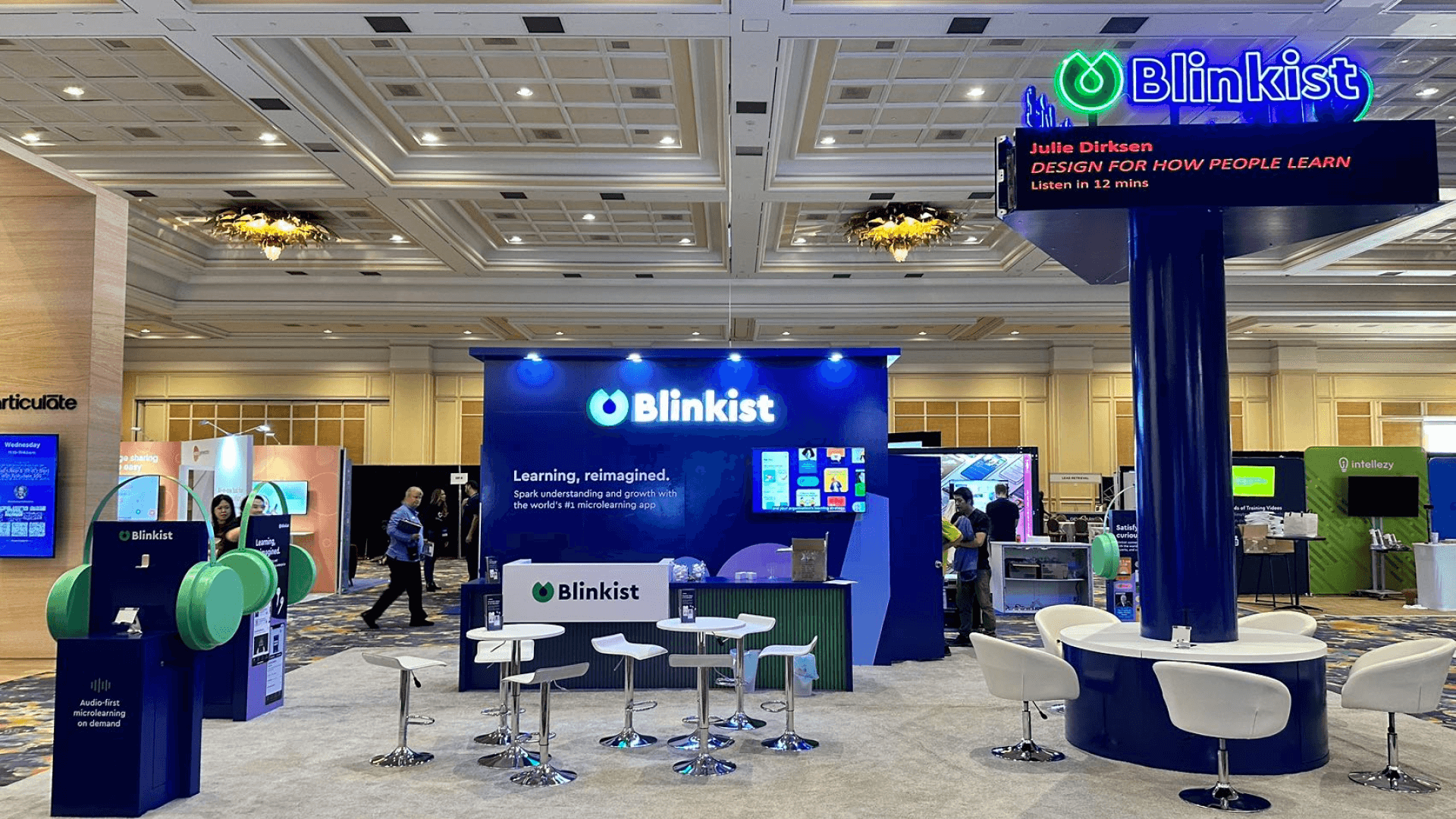
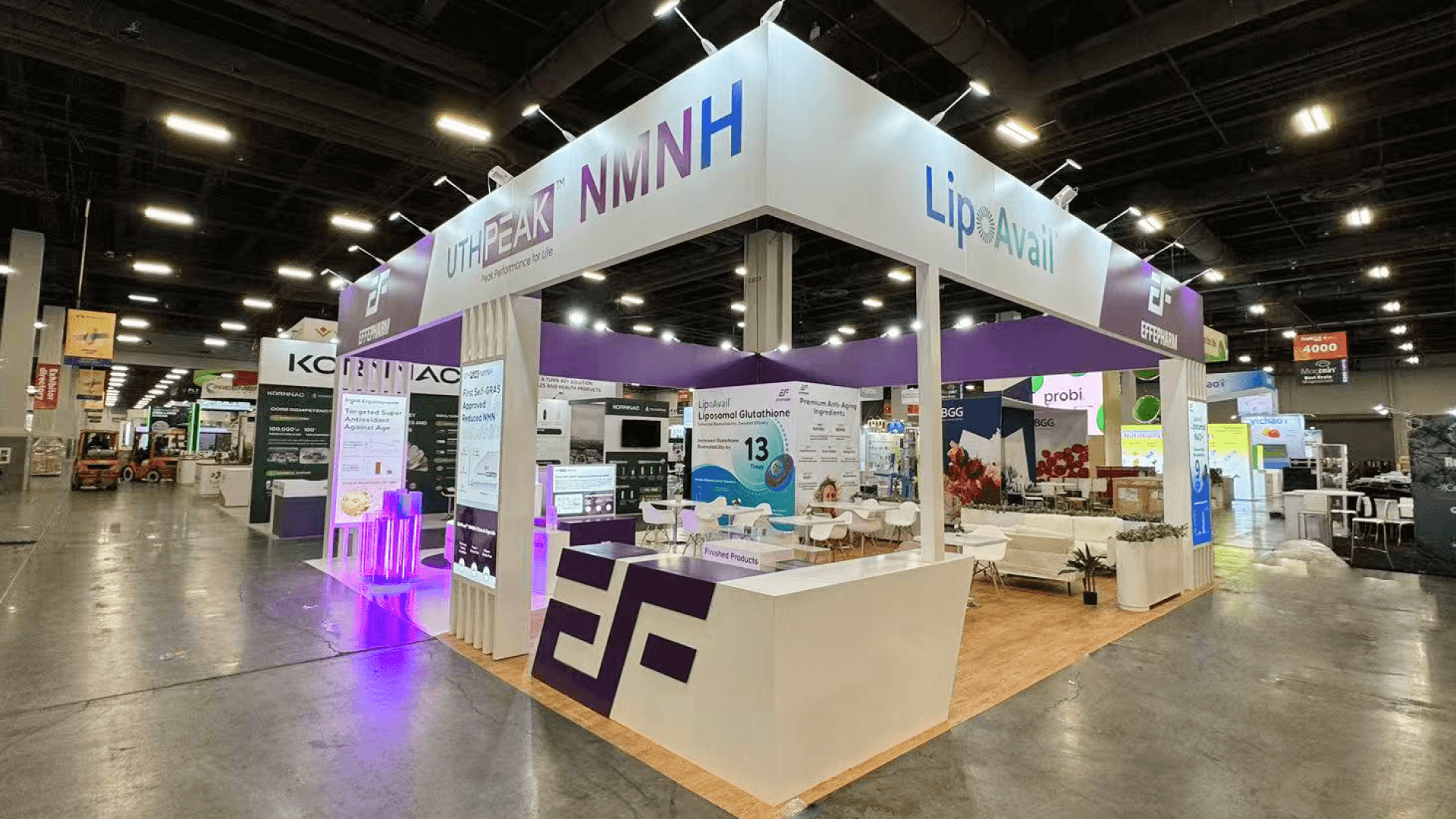
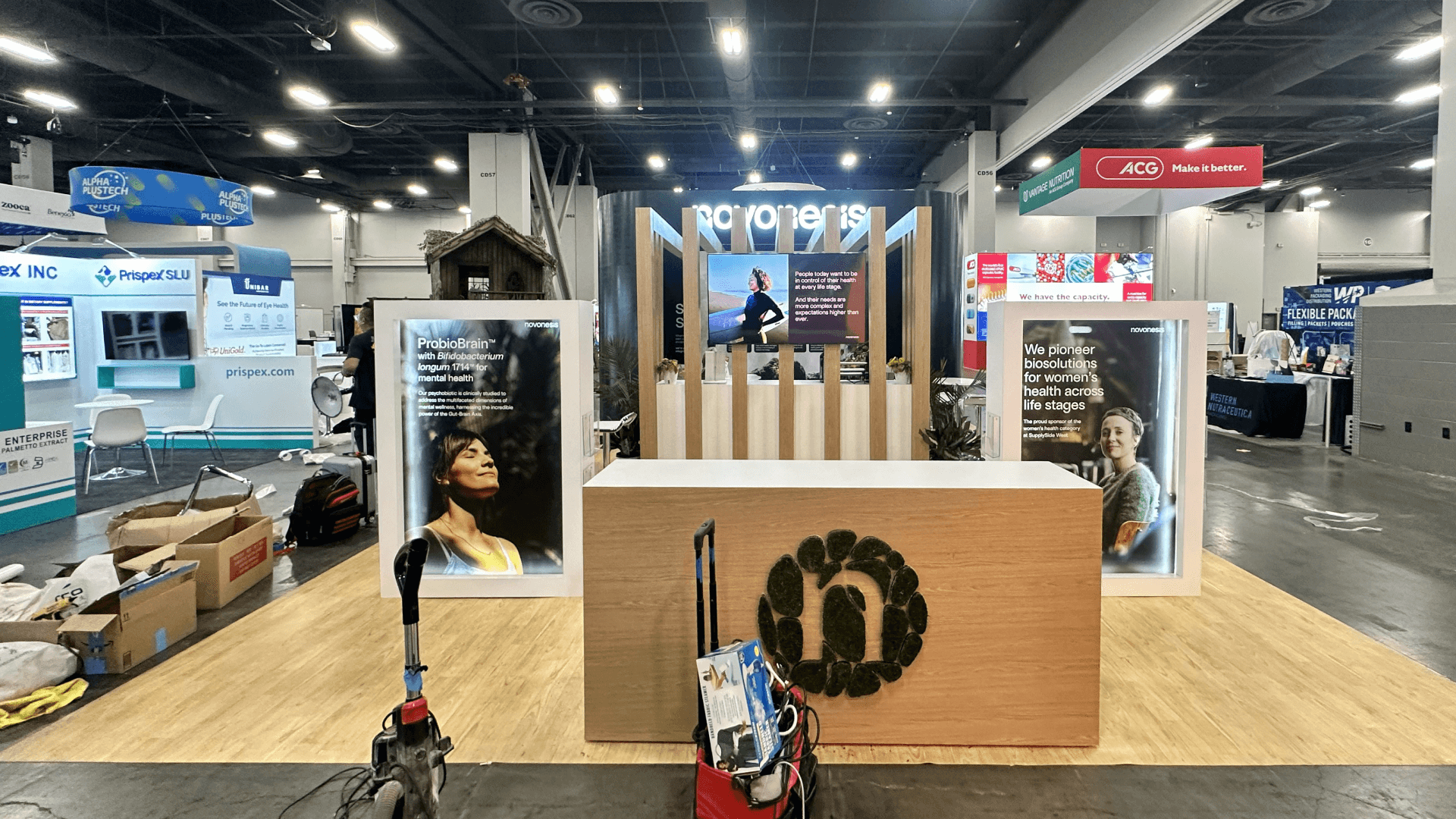
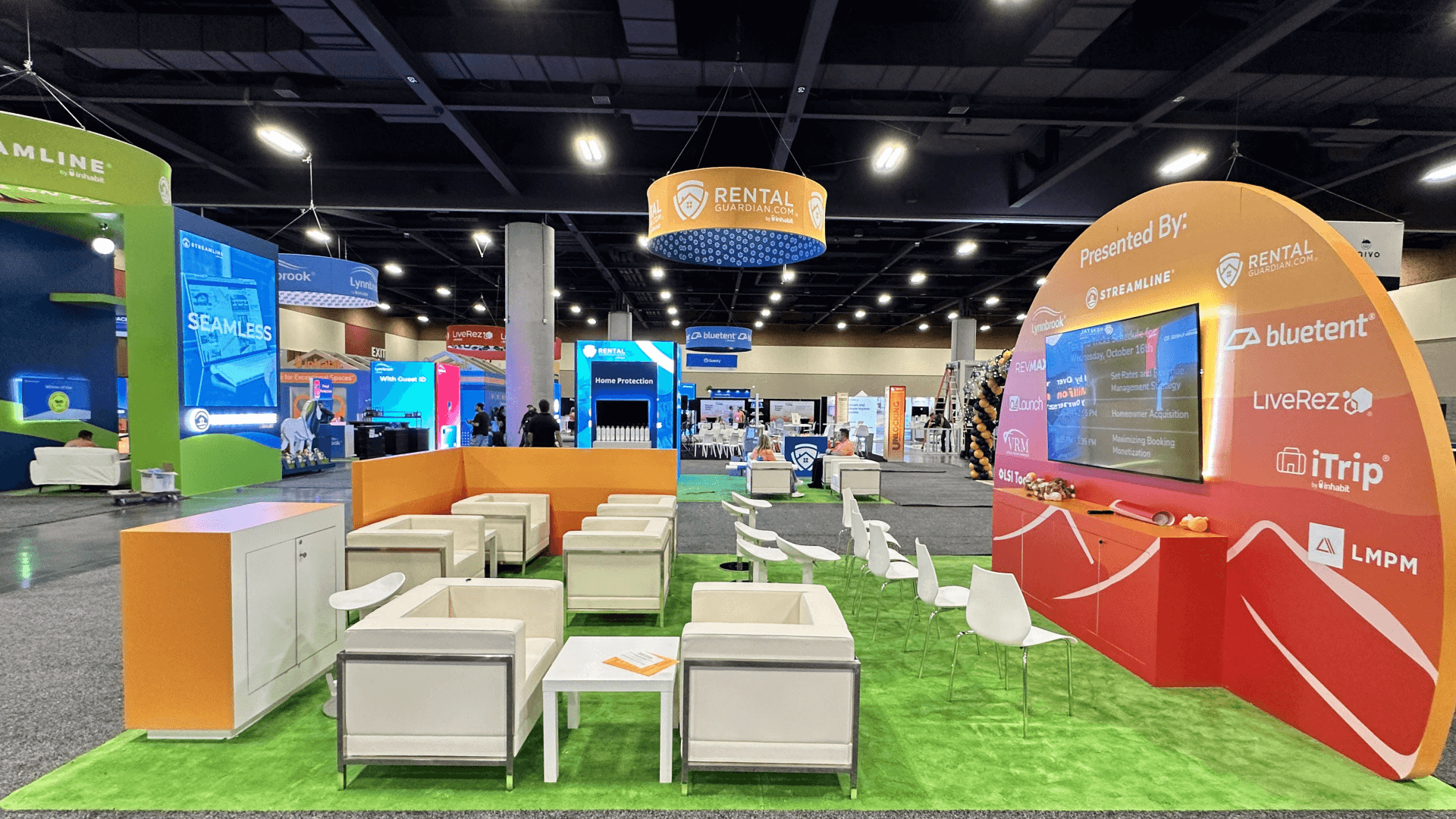
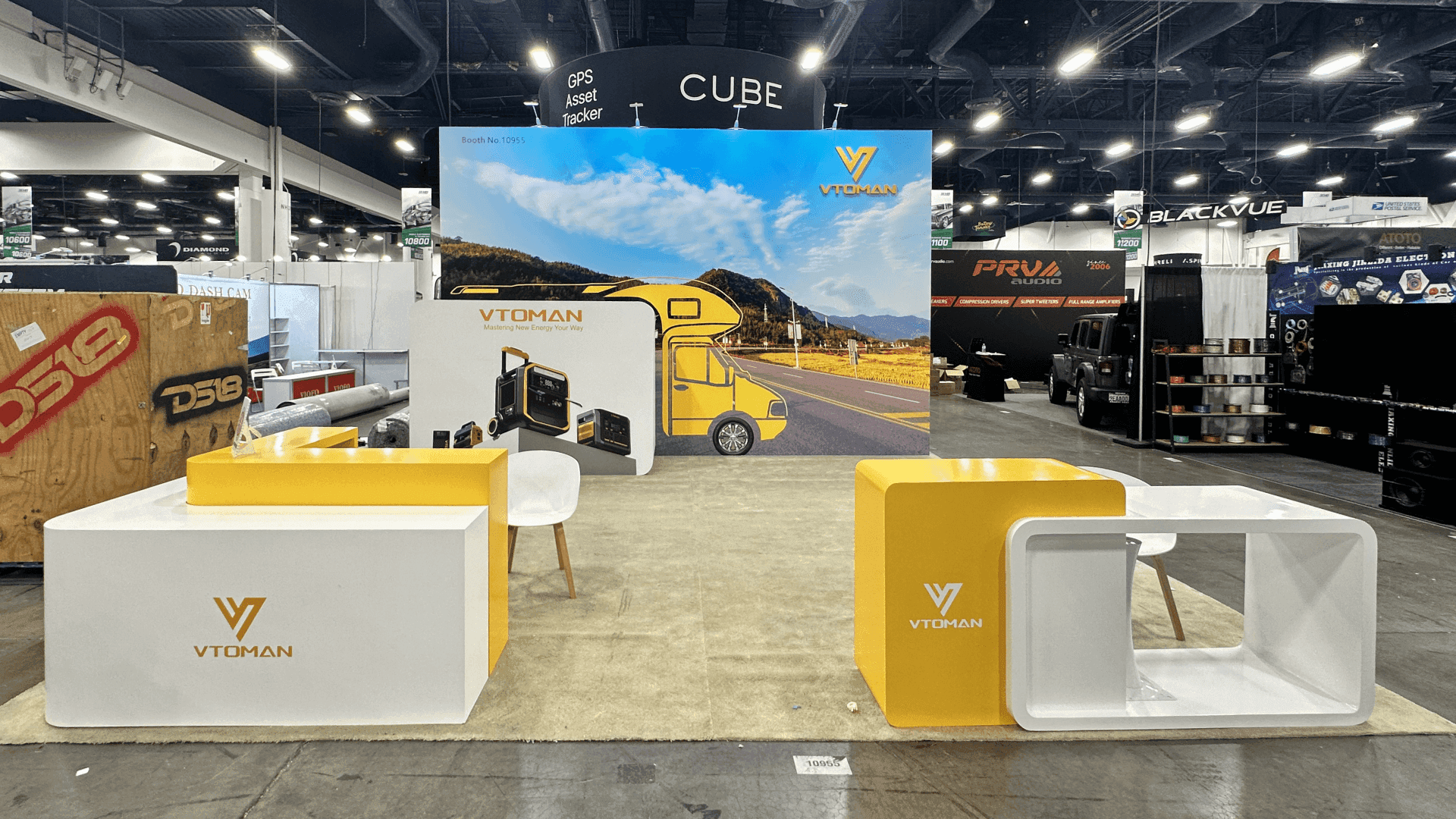
Our SEMA booth projects show different approaches to vehicle placement, automotive product displays, and visitor access across several booth sizes. MATS exhibitors can use these Las Vegas examples to compare layouts, then adapt the vehicle footprint, display arrangement, and setup plan to Kentucky Exposition Center requirements.