Define What You Would Rent, Own, or Keep
Set a common comparison period and record each event’s dates, city, footprint, open sides, and required functions. Separate booked shows from tentative additions, and mark the inputs as confirmed, assumed, or still to be checked.
Describe the asset arrangement for each alternative:
Rental: Use rented structure for the agreed events, identifying any graphics or fixtures you would retain.
Purchase: Acquire a specified inventory for continued use, with rented furniture, AV, or other add-ons listed separately.
Hybrid: Combine retained components with rented items—for example, owned product displays within a rented structure.
The component list and agreement determine ownership and return terms. Modular construction and custom fabrication describe how the booth is made; either can appear in a rental, purchase, or hybrid proposal. Custom graphics alone do not establish that a plan includes exhibitor-owned assets.

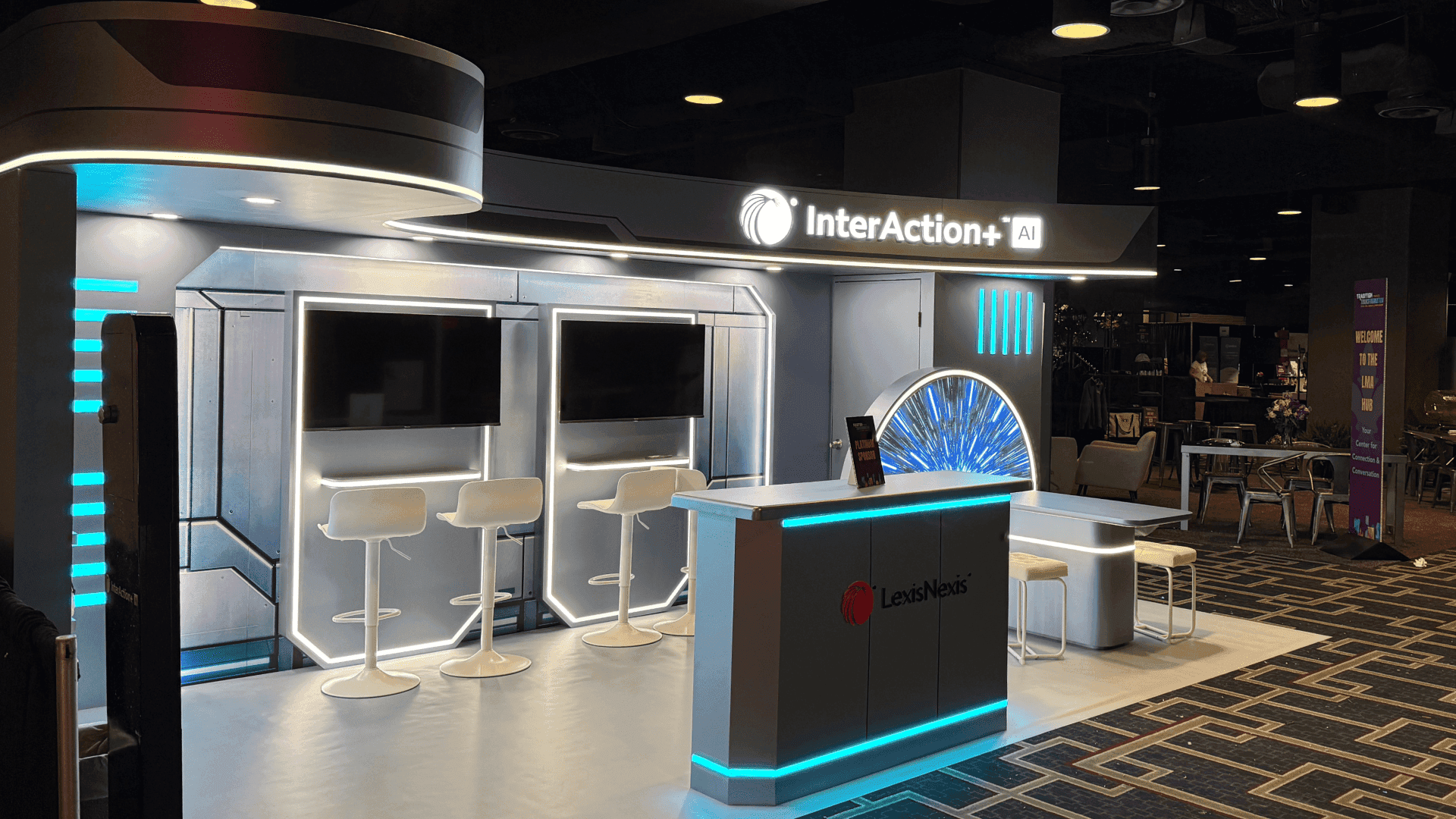
10x10 Meeting Booth at IMEX America 2026, Las Vegas, NV
Check Whether the Same Assets Can Cover Your Shows
Before counting reuse as a saving, establish whether the available components fit the planned layouts and can be ready on the required dates. For changes in footprint, review the limits of modular booth reconfiguration against the parts you intend to use.
Show-plan condition | What to establish | What the comparison should include |
|---|---|---|
Different booth sizes or open sides | Whether dimensions, connections, and available parts support each layout | Adaptations, replacements, or supplementary rentals |
New products or branding | Whether changes affect graphics, fixtures, or the structure | The update work required under each alternative |
Short gaps or overlapping events | Time for packing, freight, preparation, and installation; items needed in two places | Additional components or another set where the schedule requires them |
Damage or missing parts | Current inventory, condition, and readiness | Repairs, replacements, and packing work needed before reuse |
A component that fits the next layout may still need repair or repacking before shipment. The storage and maintenance scope should reflect that work and the actual holding period. Where supplementary rentals are needed, confirm their availability and preparation dates before including them in the plan.
Build a Complete Cost Comparison
For each event, price the alternatives against the agreed brief. Identify the exhibit partner’s package, separately billed show services, and the work required between events so that each proposal covers an equivalent result.
Cost category | Include under each alternative, as applicable | Where to verify it |
|---|---|---|
One-time charges | Design or setup, initial production and graphics, acquired components, and initial packing | Itemized proposals and component lists |
Event charges | Rental or package fees, plus separately billed freight, material handling, installation, dismantle, and required show services | Quotes and service information for each event |
Between-show care | Storage, inventory checks, routine care, and shipment preparation | Storage dates, written terms, and condition records |
Changes | Replacement graphics, layout adaptations, repairs, replacements, and additional components | Defined change scope and quoted work |
End-of-plan charges | Applicable return, release, transfer, or disposal work at the agreed endpoint | Asset, rental, and storage agreements |
Count the complete package price plus services billed separately, assigning each charge once. Graphics, freight, or installation already included in a package should not be added again. Use the same currency and tax basis throughout, and distinguish confirmed quotes from estimates and items awaiting a price.
Costs that remain identical across the alternatives, such as the same booked space and staff travel, can stay in your wider trade show budget. Record those exclusions and include any difference caused by a particular configuration.
Calculate storage from actual holding dates within the comparison period, which may extend beyond the final show. Identify commitments continuing after that period separately so a remaining obligation stays visible.
Calculate Totals Across Your Show Calendar
Add the itemized costs for each workable alternative over the agreed period:
Plan total = one-time charges + event charges + between-show care + changes + end-of-plan charges.
Calculate the booked schedule first, then a separate scenario containing tentative additions. If one, three, and six shows are relevant checkpoints, build each total from its own event charges, storage dates, updates, and pricing conditions. Apply a multi-show discount only to a scenario that meets the quoted commitment terms.
If buying requires more upfront spending, calculate whether later savings recover that difference:
Extra upfront cost: Purchase one-time charges minus rental one-time charges.
Later savings: All remaining rental costs minus all remaining purchase costs over the same period.
Buying and renting have the same total cost for that schedule when later savings equal the extra upfront cost. Buying has the lower total when those savings exceed it. A later adaptation, repair, or additional shipment can change the result, so reaching that point does not establish a permanent rule about how many shows justify ownership.
The hybrid alternative needs its own total, including integration and ongoing care of retained items. It can cost more or less than either rental or purchase. If ownership becomes cheaper only after tentative events are added, make that dependency clear and weigh the projected saving against the initial commitment and the work of managing the assets.
List missing quotes beside any known subtotal, and keep the result provisional if those costs could change the choice. Show the inventory retained at the end of the period alongside the totals. Exclude speculative resale proceeds from the baseline; where a recovery amount has a reliable basis, state its source and timing separately and apply consistent treatment across the alternatives.

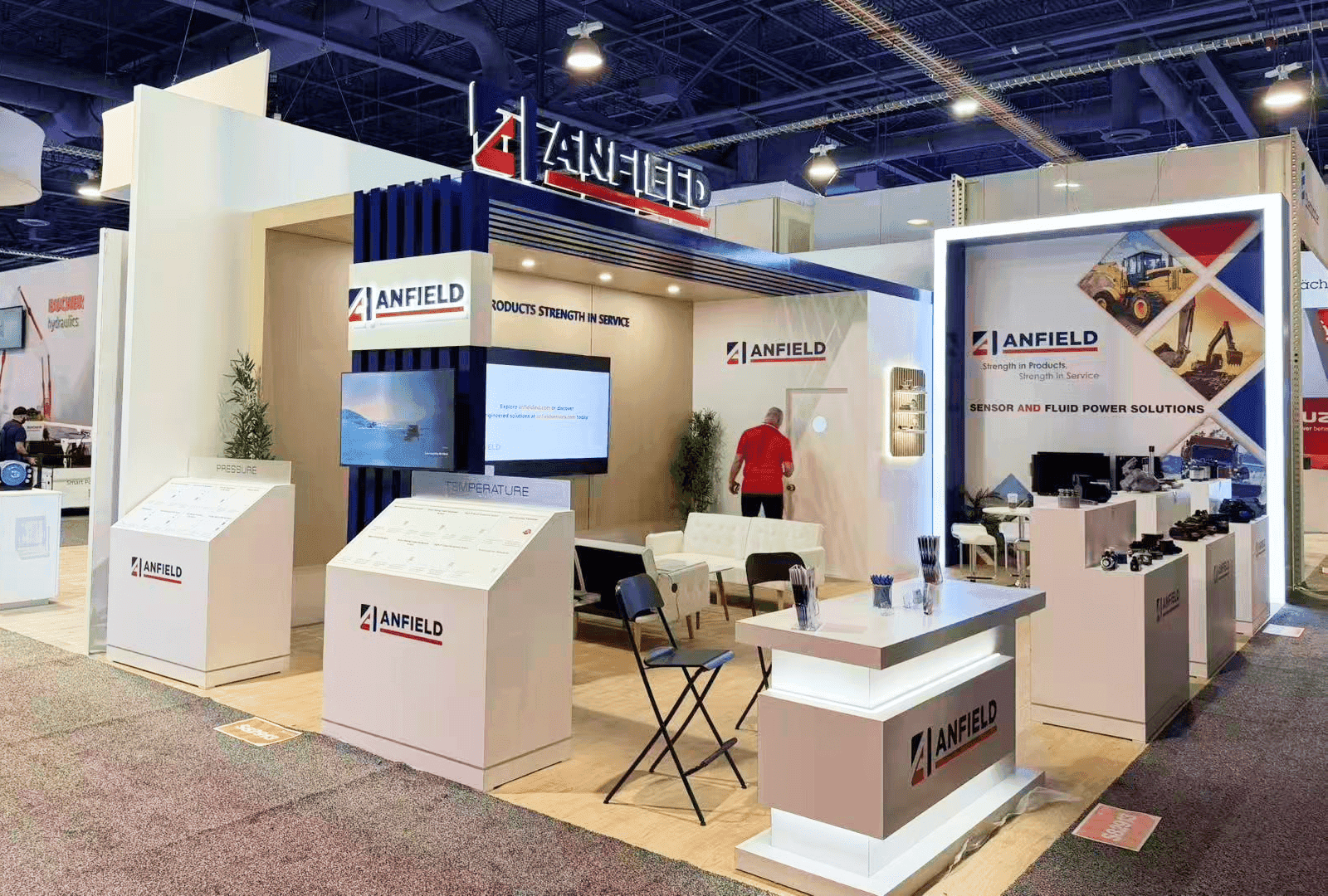
30x30 Island Booth at SupplySide West 2024, Las Vegas, NV
Request Comparable Multi-Show Proposals
Send each supplier the same brief so the alternatives can be priced against common requirements:
The show plan: Booked and tentative events, dates, cities, footprints, open sides, and requirements for demos, displays, meetings, storage, graphics, and technology.
The existing assets: Inventory, photographs, relevant drawings, dimensions, condition, ownership, and any release or return arrangements.
The alternatives and services: Rental, purchase, or hybrid options to price, with the requested production, packing, freight, installation, dismantle, storage, and update scope.
For new or modified parts, specify the fabrication and prebuild checks in the requested scope. Ask the supplier to identify the components and assemblies covered and list anything still awaiting a decision or price.
Rent-or-Buy Questions
Can we keep graphics or fixtures from a rental booth for future shows?
The agreement should identify which items you can retain and which must be returned. Before planning another use, confirm any storage or preparation charges and whether the retained items suit the next configuration.
Can we use our own fixtures with rented booth structure?
Send the supplier the fixtures’ dimensions, connection details, condition photos, and packing information before the layout is finalized. The proposal should identify any integration work and the components the supplier will provide.
What if we already own a booth but are considering renting for the next show?
Compare future spending from today: preparation, changes, freight, and installation for the owned booth against the complete rental option. Storage of the existing exhibit may continue even if you rent for that event, so include it where applicable. Record past purchase spending separately.
Can another supplier store or install a booth we purchased elsewhere?
Another provider needs to assess the exhibit before accepting the work. Share assembly drawings, hardware lists, packing information, and condition records, and confirm who can authorize release from the current location.
What happens to owned components if we stop exhibiting?
Arrange what happens to the retained inventory and packaging. Obtain prices for continued storage, transfer, or disposal, and check any notice or release requirements in the relevant agreements before ending the arrangement.