What Does Trade Show Drayage / Material Handling Cover?
Material handling is more than moving a crate from the loading dock to the booth. Depending on the event, it can cover much of the show-site freight cycle from inbound receiving through post-show outbound movement.
Inbound Freight
When freight reaches the designated receiving point, the material-handling provider may receive and unload the shipment, move it through the show’s freight system, and deliver it to the assigned booth. The exact receiving and staging process depends on the event and move-in schedule.
Empty Containers During the Show
After unpacking, empty crates, pallets, and reusable shipping containers may need to be removed from the exhibit area. Material-handling service can include moving those empties into storage and returning them after the show closes so the booth can be repacked.
Outbound Handling
Material handling can continue after dismantling. Once booth materials and products are packed, the freight may need to move from the booth back through the show’s loading system for handoff to the outbound carrier.
The exact service scope varies by event, so the current exhibitor manual and material-handling information should define what applies to that show.
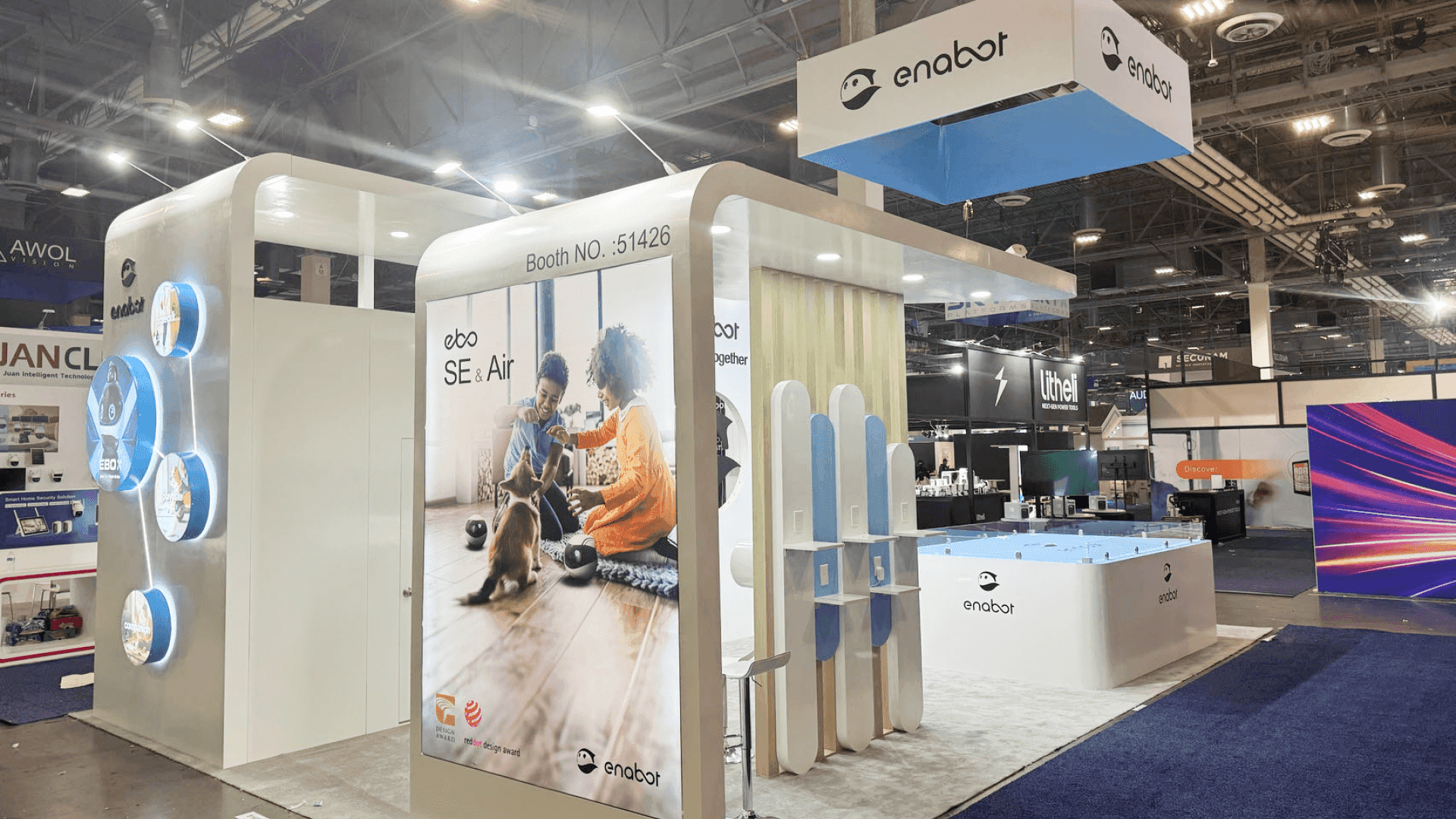
Shipping gets exhibit freight to the designated receiving point; material handling covers the show-site movement that follows, including booth delivery and empty-container handling.
Shipping vs. Material Handling: Where Does One End and the Other Begin?
Shipping and material handling are connected, but they cover different parts of the freight journey.
Freight / Shipping moves booth materials or products from their origin to the event’s designated receiving point.
Material Handling / Drayage begins when that shipment enters the show’s receiving system and covers the on-site handling needed to move it through the event.
A typical path looks like this:
Exhibitor / Exhibit Partner / Warehouse → Freight Carrier → Advance Warehouse or Show Receiving → Material-Handling Provider → Booth
This is why paying a freight carrier does not automatically mean dock-to-booth handling is included.
On a first U.S. show, this freight handoff often sits alongside unfamiliar decisions about booth scope, show services, installation, and move-in. The first-time trade show exhibitor checklist maps that broader planning sequence.
Who Handles Material Handling at a U.S. Trade Show?
Several parties may touch the same shipment, but they do not control the same part of the process.
Party | Typical Role |
|---|---|
Show Organizer / Show Management | Appoints official service providers and publishes the show’s receiving, move-in, and material-handling requirements |
Freight Carrier | Transports freight to the advance warehouse or show-site receiving point and picks up outbound freight after the show |
Show-Appointed Material-Handling Provider / GSC | Receives and unloads freight, delivers it to the booth, handles empty-container storage and return, and moves packed freight back toward the dock for outbound pickup |
Exhibitor | Confirms the receiving route, shipment details, labels, bill of lading (BOL), billing responsibility, and outbound carrier instructions |
Exhibit Partner | May coordinate freight, documentation, show-service orders, and shipment handoffs when those responsibilities are included in the agreed scope |
At many U.S. trade shows, freight entering the official receiving system is handled by a show-appointed provider, often the General Service Contractor (GSC).
Not every shipment follows exactly the same process. Hand-carry, small-package, self-unloading, privately owned vehicle (POV), and other exceptions can vary by event, so the current exhibitor manual should be the final reference.
If an exhibit partner is coordinating logistics, confirm what that coordination actually covers. It may include shipment tracking, paperwork, show-service orders, provider communication, or only part of the handoff. That responsibility should be clear before the freight moves.
Advance Warehouse or Direct-to-Show?
Many U.S. shows offer one or both of two common receiving routes: advance warehouse and direct-to-show.
Advance Warehouse
Freight is delivered to a designated warehouse before show-site receiving opens. It is held there and later moved through the show’s material-handling system for delivery to the booth.
A typical path is:
Carrier → Advance Warehouse → Temporary Holding → Booth Delivery
Direct-to-Show
Freight arrives at the venue during the published show-site receiving or move-in window.
A typical path is:
Carrier → Venue Receiving → Material Handling → Booth
Neither route is universally better or less expensive. Availability, deadlines, target move-in requirements, rates, and handling conditions vary by event. The correct route should be based on the current show manual and the actual freight schedule rather than a general rule.

Material-handling charges depend on more than shipment weight. Before shipping, confirm the receiving route, rate basis, handling conditions, deadlines, paperwork, and outbound plan.
How Are Trade Show Material Handling Charges Determined?
Material-handling rates and classifications are show-specific.
The final charge can depend on:
Shipment weight
The applicable CWT rate
Minimum charge per shipment
Number of separate shipments
Handling classification
Crated, uncrated, or special-handling conditions
Advance warehouse or direct-to-show receiving
Arrival timing
Overtime, late, off-target, or other show-specific conditions
CWT, or hundredweight, is a billing unit based on 100 pounds. A show may apply a rate per CWT while also setting a minimum charge for each shipment.
That is why total weight alone does not always explain the final bill. Two exhibitors could ship the same total weight and receive different material-handling charges. One might send a single properly prepared shipment during the published receiving period, while the other sends several separate shipments that each trigger a minimum or require different handling conditions.
When Handling Conditions Change the Charge
Freight that cannot be unloaded or moved under standard handling conditions may be classified differently. Stacked freight, restricted access, unusual loading conditions, mixed shipments, or paperwork issues can affect how the shipment is processed.
Late, overtime, off-target, and other receiving conditions may also be treated differently depending on the show. Rates, classifications, and surcharges vary, so use the current material-handling rate sheet instead of relying on a national rule of thumb.
Because material handling is only one part of the event budget, the trade show exhibiting cost breakdown places it alongside booth space, exhibit scope, freight, show services, labor, staffing, and other event costs.
What Should Exhibitors Confirm Before Shipping?
The best time to resolve material-handling questions is before the freight leaves.
Confirm:
Which receiving route applies: advance warehouse or direct-to-show?
What is the correct receiving address?
What delivery deadline or target window applies?
What is the shipment weight?
How many separate shipments will be sent?
Is the freight packaged for normal dock handling?
Are shipping labels and paperwork complete?
What material-handling rate and shipment minimum apply?
Who is responsible for approving or paying the charge?
How will empty containers be handled during the show?
Who is the outbound carrier?
Who will prepare outbound labels and shipping instructions?
Exhibitors usually have more control over shipment count, packaging, paperwork, routing, and timing than over the show-appointed material-handling rate itself. Those variables are easier to manage before freight moves than after the shipment enters show receiving.
Once the receiving route and shipment responsibilities are clear, timing becomes the next execution question. For Las Vegas shows, drayage and move-in timing explains how freight availability affects booth setup. When the issue is a missed receiving window, dock handoff, or labor-timing problem, what can disrupt a trade show booth timeline covers that failure mode.
Final Material Handling Check
Before the shipment leaves, the exhibitor should be able to answer four questions:
Where is the freight going?
Who takes control when it arrives?
What variables determine the material-handling charge?
What happens to the freight after the show closes?
If any of those answers are still unclear, check the current exhibitor manual, material-handling rate sheet, freight plan, and agreed exhibit scope before shipping.
FAQ
What is drayage at a trade show?
Drayage, commonly called material handling in the trade-show industry, refers to the show-site handling of exhibit freight after it enters the event’s receiving system. It can include unloading, booth delivery, empty-container handling, and post-show outbound movement.
Is drayage the same as shipping?
No. Shipping transports freight to the designated receiving point. Material handling covers the show-site movement and handling that follows after the shipment enters the event’s receiving system.
Does material handling include empty crate storage?
Empty-container removal, storage, and return are commonly part of the material-handling cycle, but the exact service scope depends on the show and provider. Check the current exhibitor manual.
How are trade show drayage charges calculated?
Charges can depend on shipment weight, CWT rates, shipment minimums, the number of shipments, handling classification, receiving route, and timing. The applicable rates and classifications are show-specific.
Should I ship to the advance warehouse or directly to the show?
It depends on the show’s receiving options, deadlines, freight schedule, move-in plan, and applicable rate structure. Neither route is automatically the better choice for every exhibit.