HIMSS AI Pavilion Booth Planning for Healthcare AI Exhibitors


How should exhibitors plan a HIMSS AI Pavilion booth?
A HIMSS AI Pavilion booth should focus on one healthcare AI use case that clinical, technical, and executive buyers can understand quickly. The space needs a clear demo path, visible proof and governance, readable screens, secure data, meeting space, concealed storage, and a reliable local or recorded fallback for cloud-dependent demonstrations.
The HIMSS AI Pavilion brings together clinical AI platforms, decision-support tools, documentation systems, predictive analytics, automation products, and enterprise AI solutions. A strong booth should make one healthcare use case easy to understand while keeping validation, governance, security, and implementation evidence within reach.
One primary use case should guide visitors from the aisle message to the demo, proof, and next conversation. The HIMSS27 booth planning hub provides the wider event context, while teams demonstrating connected clinical platforms can also review HIMSS Interop+Smart Experience booth planning.
Screen placement, cloud access, local backup files, AV hardware, power, and reset timing should be confirmed before the structure is finalized. Chicago trade show booth builder support is relevant when those elements require local coordination, while 20x20 booth planning offers a practical reference for one focused AI demo, visible proof, meetings, and storage.
Why Exhibitors Choose Circle Exhibit
Clear scope, transparent quote review, nationwide booth support, and efficient setup planning for qualified rental and custom exhibit projects.
48hr
Setup Window
10+
Years Since 2014
U.S.
Trade Show Support
Real
Booth Project Proof
Choose the footprint based on AI use cases, demo length, proof, buyer paths, meetings, screens, equipment, and storage. Every zone should support one clear AI story.
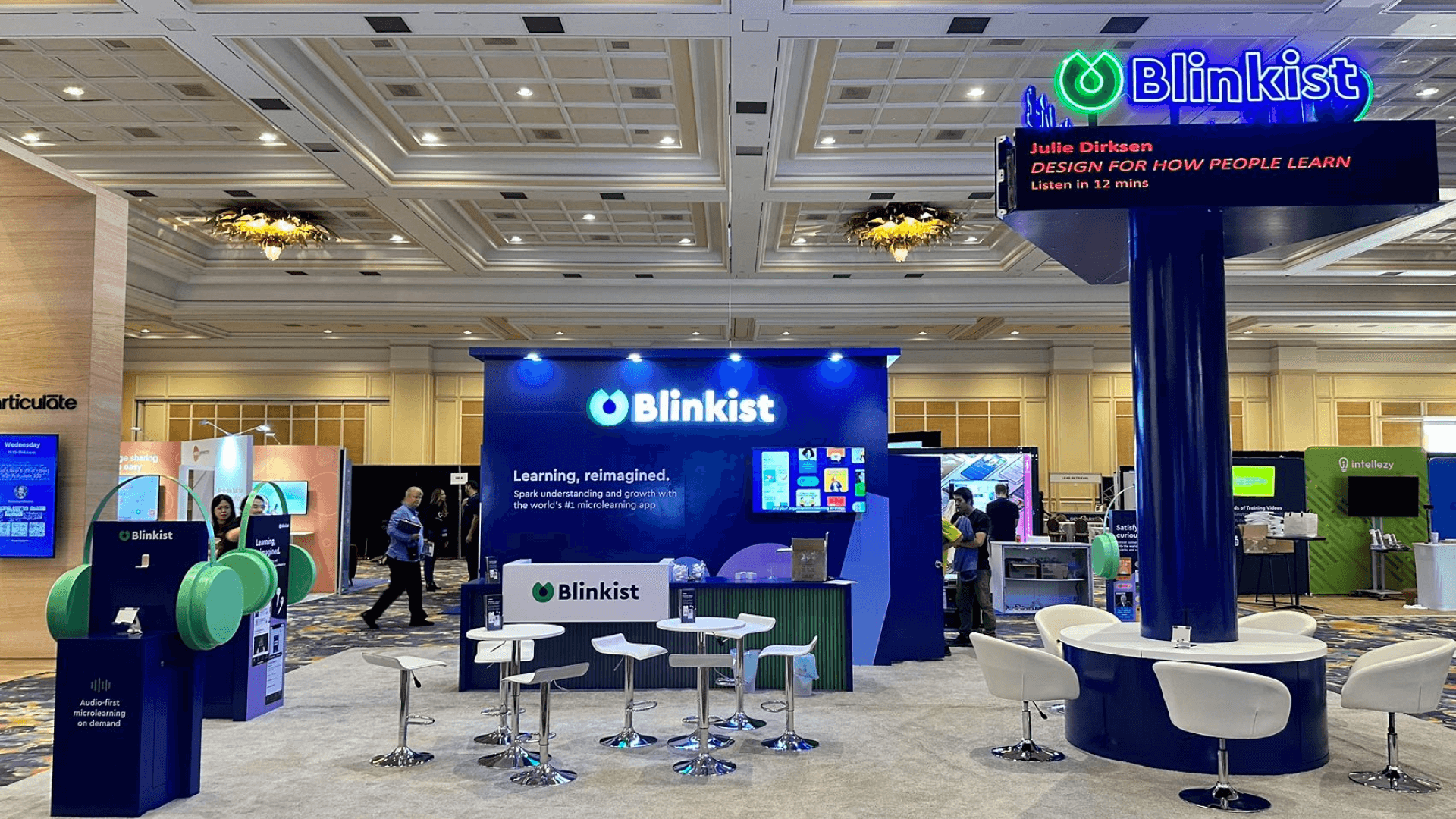
This footprint works for one AI platform, a guided screen demo, and short buyer conversations. 10x20 booth planning helps balance screens, counters, and storage.
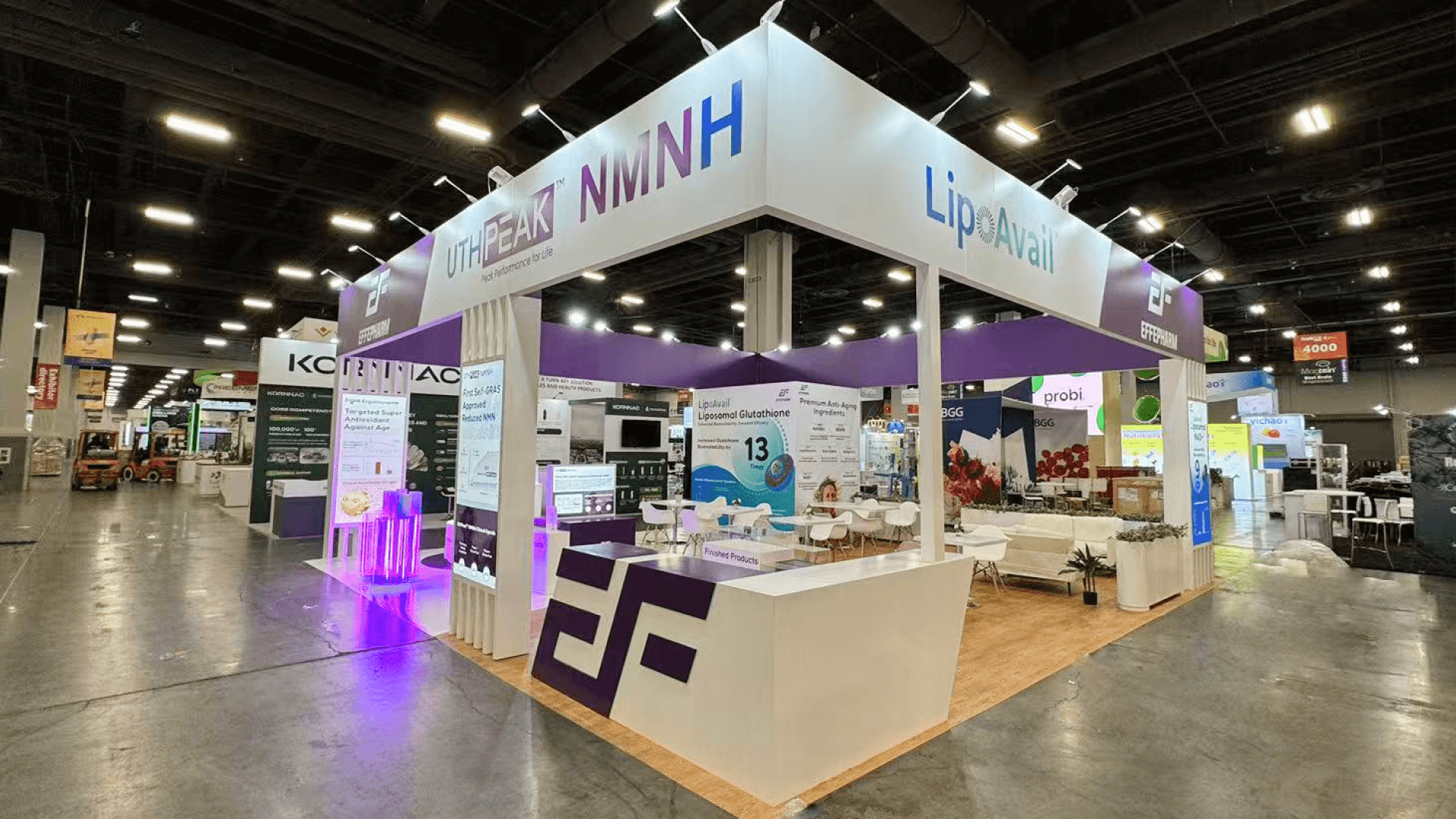
A larger footprint separates clinical demos from executive conversations while allowing longer sessions and smoother visitor flow. 20x30 booth planning supports clearer zoning for different buyers.
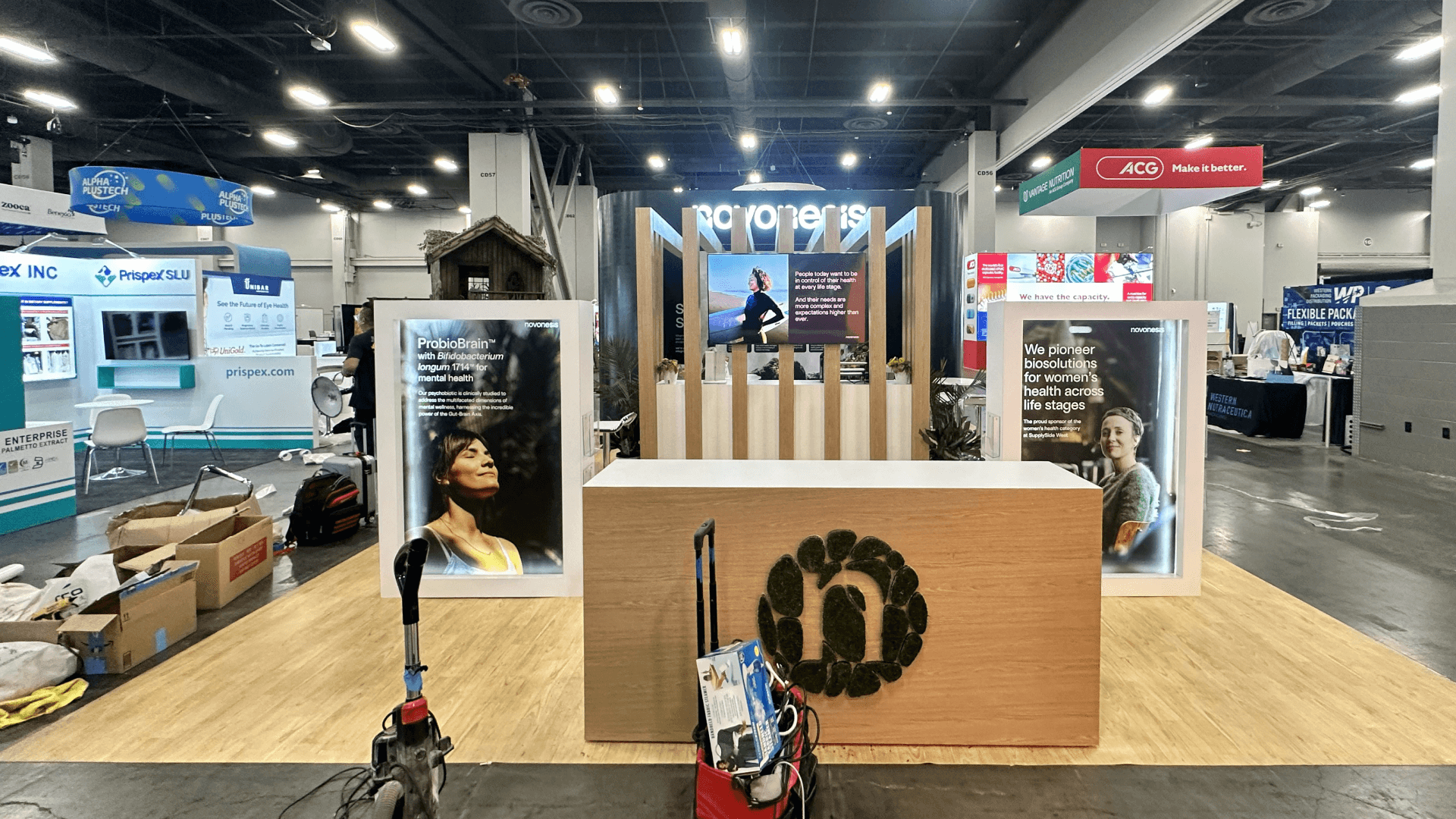
The added space supports one primary demo, visible proof, meetings, and concealed AV storage. 20x20 booth planning helps organize these functions without crowding the visitor path.
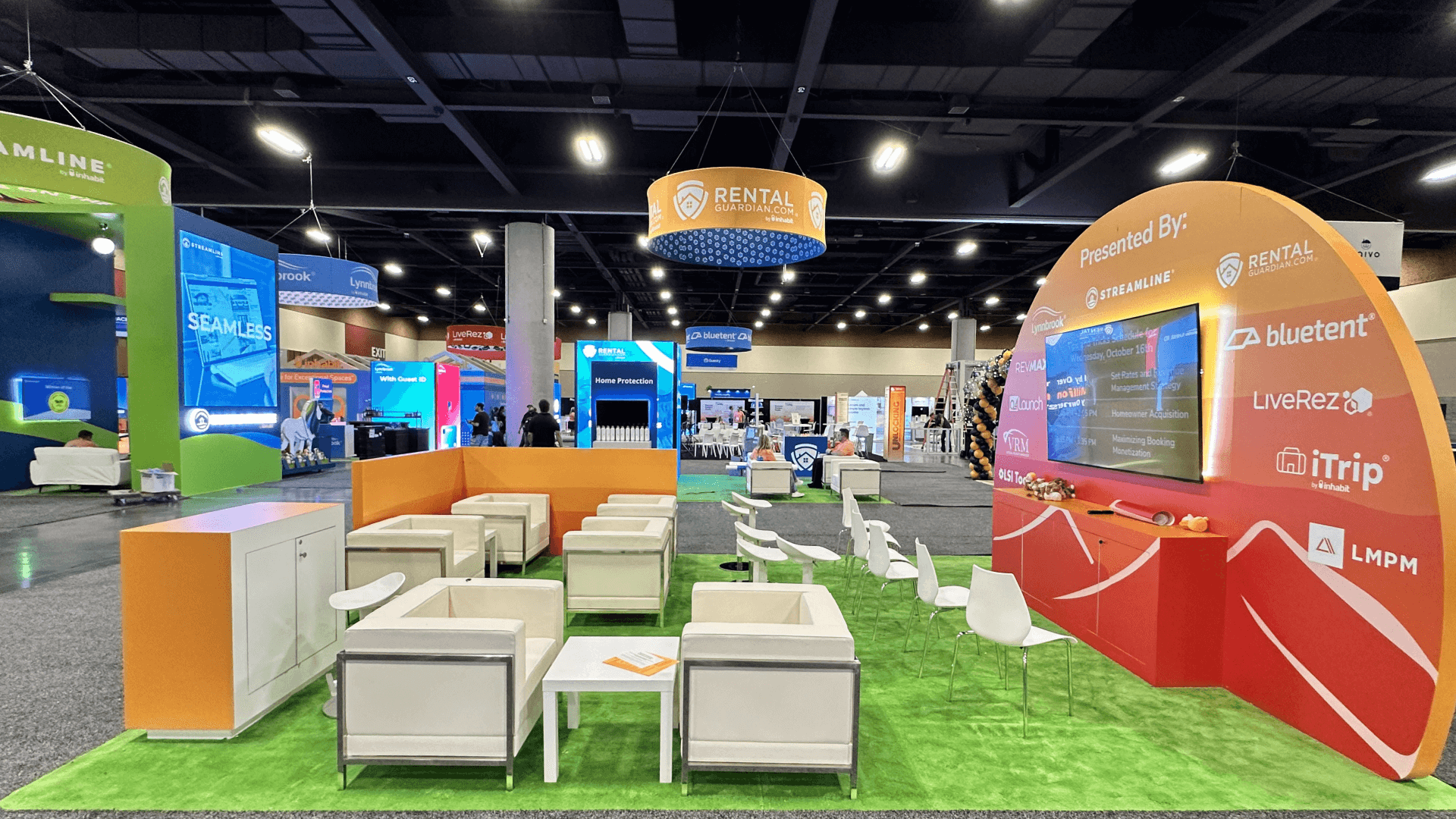
This scale can accommodate multiple AI applications, partner demos, private meetings, larger AV systems, and back-of-house technology. 30x40 booth planning helps organize these functions within one integrated environment.
For healthcare AI exhibitors, the guide to explaining healthcare AI from clinical input to human review examines how to organize the demonstration itself. It helps teams make the input, system output, proof, exception state, and human review easier to follow without repeating the full HIMSS AI Pavilion booth plan.
Healthcare AI booths should make the use case, product value, proof, and human role easy to understand without turning the experience into a long software presentation.
Lead with one clinical or operational problem and one clear outcome. Keep secondary applications in support of the main story.
Use the main demo to show the product value, with validation, governance, security, integration, and implementation details available nearby.
Clinical, technical, operational, and executive buyers need different evidence. Guide each group toward the right screen, specialist, or meeting area.
Plan cloud access, local files, logins, reset procedures, recorded content, and backup devices so a failed connection does not stop the conversation.
The HIMSS AI Pavilion highlights AI solutions for clinical care, healthcare operations, analytics, automation, and technology strategy.
HIMSS27 runs April 5–8, 2027, at McCormick Place in Chicago. The Conference & Exhibition is open April 6–8.
Clinical leaders, health IT teams, innovation executives, data specialists, operations leaders, and health system decision-makers evaluate AI use cases and implementation readiness.
Not Sure Which Booth Size You Need?
Not every exhibitor knows whether a 10x20, 20x20, 20x30, or larger booth is the right fit. Circle Exhibit can help review your event goals, product display needs, demo areas, meeting space, storage, budget scope, and setup timeline before you choose a booth size.
Model Output Shown Without Clinical Context
Too Many AI Use Cases in One Booth
1
Choose One Primary AI Use Case
2
3
4
Rental Booth for a Focused AI Demo
A rental booth works for one AI platform, a main screen, visible proof, meetings, and concealed storage using proven components.
Custom Build for Multi-Zone Enterprise AI
A custom build suits multiple AI applications, separate clinical and executive paths, private discussions, integrated architecture, and larger AV systems.
Hybrid Booth for Reusable Technology Environments
A hybrid booth combines reusable architecture with custom counters, graphics, lighting, AV integration, proof displays, and meeting features.
Confirm electrical, network, AV, rigging, and material-handling requirements before finalizing screens, counters, meetings, and back-of-house technology.
Plan monitor mounts, presentation computers, charging, hardline connections, local files, and cable routing as part of the booth structure.
Keep AV racks, backup equipment, logins, and reset controls accessible to staff without exposing technical clutter to visitors.
After installation, test every screen, connection, local fallback, output view, proof asset, presenter position, and buyer path.
Planning a HIMSS AI Pavilion Booth in Chicago?
Circle Exhibit can coordinate booth design, graphics, AV integration, logistics, installation, and demo-readiness planning for healthcare AI exhibitors at McCormick Place.
What should a HIMSS AI Pavilion booth include?
The booth should include one clear AI use case, a focused demonstration, visible proof, human-review context, buyer conversation space, concealed storage, and a reliable fallback.
What booth size works for HIMSS AI exhibitors?
Should a healthcare AI demonstration be live or recorded?
How should AI proof and governance be displayed?
Why does McCormick Place setup planning matter for AI booths?
READY TO PLAN YOUR NEXT BOOTH?
Let’s Build a Booth That Fits Your Event
Share your event name, booth size, city, timeline, product display needs, and design references. Circle Exhibit will review your project direction and help you choose a rental-friendly or custom exhibit path.
3000+
Booth Projects Supported
50+
U.S. Event Cities
Transparent
Quote Review
Use design and engineering support to coordinate demo counters, screen positions, meetings, proof displays, AV access, storage, and staff movement around one AI story.
Plan graphics that separate the healthcare problem, AI output, human role, validation, governance, and implementation evidence without creating a text-heavy booth.
Coordinate monitors, computers, AV racks, backup devices, shipping labels, storage, and show-site delivery around the order in which the booth must be installed and tested.
Coordinate structural installation, screen mounting, cable routing, network connections, AV setup, testing, reset access, and dismantle at McCormick Place.
A 20x30 footprint can separate clinical demonstrations, technical discussions, executive meetings, proof content, and equipment storage without blocking visitor flow.