Start With the Feature That Triggers Technical Review
Start with the physical feature that changes the project, not with a generic approval checklist.
For each feature, confirm what is being built, what requirement it may trigger, who needs to review it, and when that decision must be completed.
A standard wall or counter may need no additional technical submission. A covered area, engineered structure, hanging element, or suspended display may follow a different path.
Keeping the review tied to the actual booth makes the production decision clearer: release the feature, or keep it on hold until the required review is cleared.
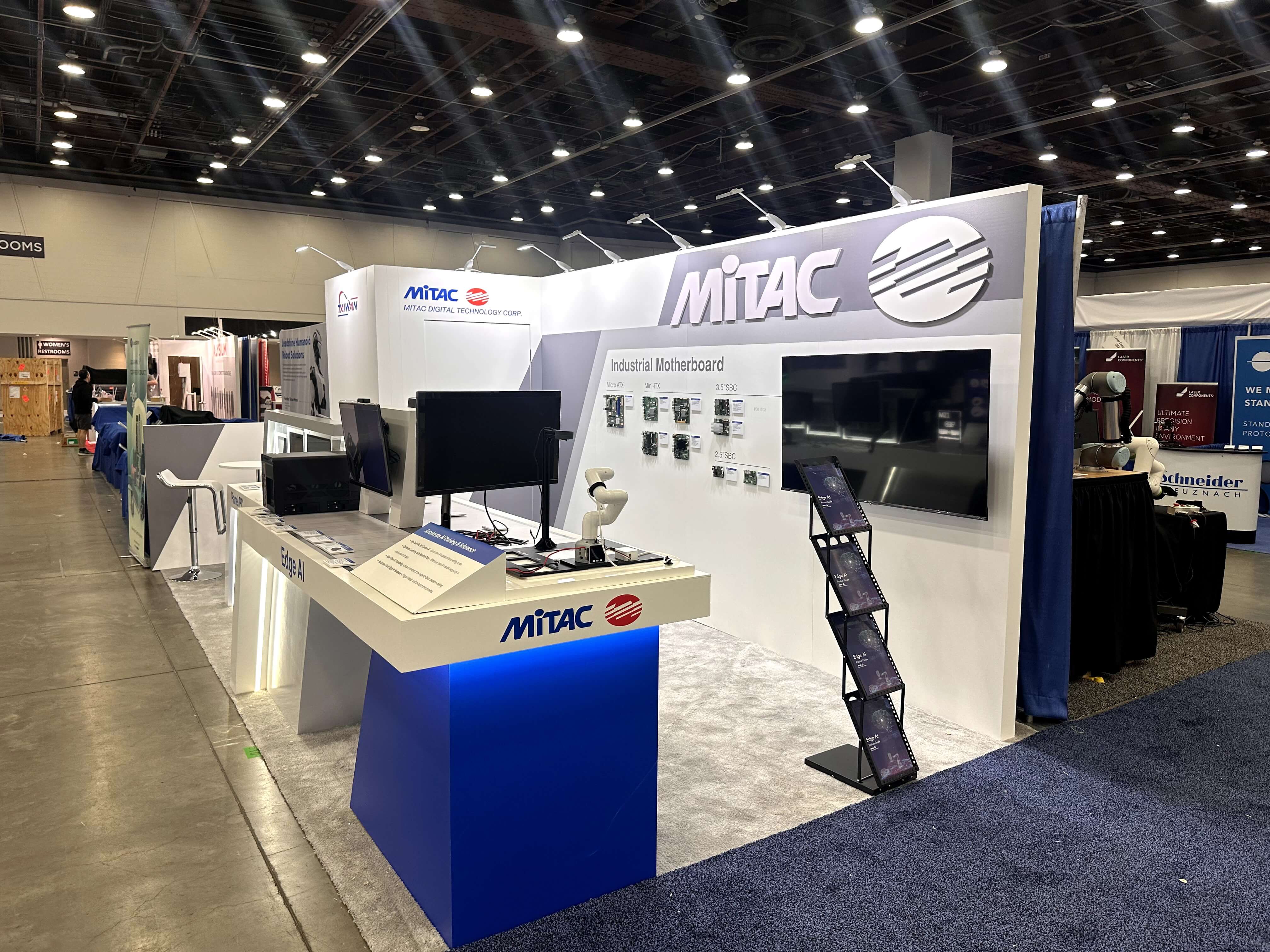
Structural complexity, covered areas, and other technical features should be reviewed before fabrication when they trigger drawing, engineering, or safety requirements.
Separate Booth Rules From Technical Approval
General booth rules and technical approval are related, but they are not the same step. Display rules usually define the basic conditions a booth must follow, such as permitted height, open sides, accessibility, visibility, safety, or use of overhead space, while technical review begins when a specific feature needs additional documentation or formal acceptance before production can continue. That may involve drawings, engineering information, load details, rigging documents, or another submission.
A practical sequence is:
Booth rule check → Review trigger identified → Required documents confirmed → Approval completed → Fabrication released
Passing the initial rule check does not automatically mean every booth element is ready for production. The same distinction applies to visual approval: a design mockup review can confirm the intended layout, products, graphics, screens, and visitor experience, but it does not replace the technical review required for structural, overhead, or engineered features.
Taller or Structurally Complex Booths May Need Engineering Review
Height alone does not determine whether engineering review is required. What matters is whether the structure creates a condition that the current show requires to be documented or reviewed.
That may include tall freestanding walls, large architectural elements, unusual spans or connections, heavy integrated equipment, structural frames, or components whose stability depends on more than a standard exhibit system.
An engineering review is a technical check of a structure and its supporting documentation against the requirements applied to that project or event.
Because engineering and height thresholds vary by show and venue, use the current event documents rather than a universal rule before releasing the affected structure for fabrication.
Covered or Multilevel Areas May Require Additional Review
Covered or elevated areas can introduce questions that do not exist in an open, single-level exhibit.
Depending on the show, those questions may involve access, egress, occupancy, fire or life-safety requirements, canopy coverage, or supporting documentation.
Flag these conditions while the design is still flexible. If the review changes access, coverage, or the physical configuration, update the production drawings before fabrication begins.
Hanging Signs and Overhead Elements Need Their Own Rigging Path
Anything suspended above the exhibit should be checked separately from floor-supported booth components.
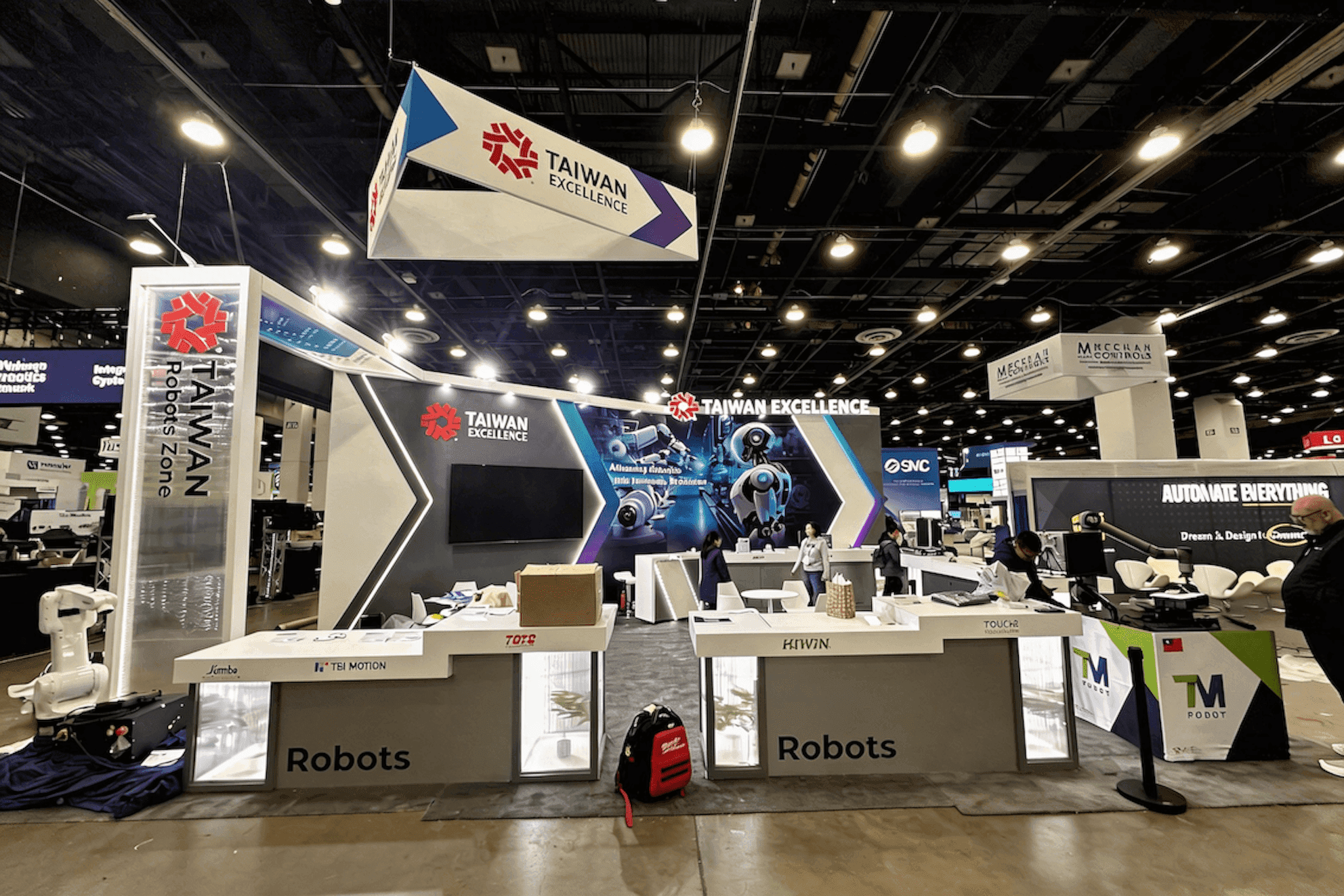
Hanging signs, overhead branding, truss, lighting, or other suspended elements may require organizer or venue approval, weight and dimension information, hanging-location confirmation, rigging documents, service orders, or scheduled installation windows.
Rigging is the controlled suspension or support of approved overhead elements through the event or venue’s designated systems and service process.
Adding an overhead element late can affect more than the sign itself. Sightlines, equipment placement, service orders, and the installation schedule may all need to change.
At events such as NBAA-BACE, booth approval and rigging requirements can also be tied to EAC registration and move-in timing, making early coordination especially important.
Suspended AV Can Require More Than Rigging Approval
Suspended displays, lighting, and other technical equipment may create requirements beyond the rigging itself.
Weight, attachment method, clearance, power, service access, and installation timing can all affect the technical review. The equipment may be standard; the way it is supported and integrated is what can trigger additional approval.
Before production is released, make sure those conditions are reflected in the drawings, service requirements, and technical submission.
Treat Approval as a Production Gate
Treat approval as a production gate, not as an administrative task running alongside fabrication. A late decision can force drawing revisions, fabrication changes, new service orders, or changes to the installation schedule.
Tie approval deadlines directly to production milestones. A feature that still requires technical acceptance should remain on hold until it is cleared.
No review required → Release | Review required → Hold | Revision required → Update and resubmit | Approved → Release for fabrication
Technical issues found after fabrication begins are also more likely to create field changes or rework. Resolving drawings, service locations, and open technical decisions during pre-show coordination is usually easier than correcting them after materials reach the show floor.
Late technical changes can also increase crew time on site. The trade show installation and dismantle cost drivers explain how waiting, rework, service dependencies, and added labor hours affect I&D cost.
The rule is simple: unresolved technical issues should not move into fabrication. Even after technical review is closed, the full project still needs to be ready for fabrication, with stable scope, buildable drawings, controlled revisions, and no unresolved decision that can still force physical redesign.

Hanging signs, suspended AV, and other overhead elements may require rigging documents, load information, venue approval, and service coordination before production moves forward.
Assign Ownership Before Fabrication Is Released
A technical review may involve the exhibitor, booth partner, engineer, organizer, venue, EAC, rigging provider, or another designated service provider.
When responsibilities are split across several parties, the U.S. trade show operating model helps clarify how EACs, general contractors, and show-appointed providers typically fit into the project.
Before fabrication is released, record the review trigger, required document, submission owner, reviewer, deadline, and current status.
Identified → Assigned → Submitted → Approved / Revision Required → Closed
This gives the design, production, and show-site teams one visible record of the technical decision.
Trade Show Technical Review Trigger Checklist
Booth Condition | What to Check |
|---|---|
Tall / Structurally Complex Element | Does the current event require drawings, engineering documentation, or structural review for this feature? |
Covered / Multilevel Area | Does the design require additional structural, access, occupancy, or fire/life-safety review? |
Hanging / Overhead Element | Does it require approval, weight and dimension data, rigging documentation, location confirmation, or a designated provider? |
Suspended AV / Lighting | Do load, attachment, clearance, power, or rigging conditions create a separate technical review? |
Heavy / Integrated Equipment | Does the equipment affect structural support, floor loading, clearance, access, or the approved booth configuration? |
Design Change After Approval | Does the revision change an approved condition enough to require updated drawings or resubmission? |
Before fabrication or related service orders are released, confirm that every triggered review is approved or formally cleared.
Final Takeaway
Technical review should happen before fabrication whenever a booth feature creates a separate approval, engineering, or rigging requirement.
Identify the trigger, confirm the required submission, assign an owner, and keep the affected feature on hold until it is cleared. Production and show-site execution should both work from the same approved design.
FAQ
Does every trade show booth need engineering approval?
No. Requirements depend on the booth design and the specific event. Straightforward exhibits may not require additional engineering, while structurally complex, covered, multilevel, overhead, or technically demanding features may trigger separate review.
When should booth drawings be submitted for approval?
Follow the deadline published for the specific event and leave enough time for revisions before the affected booth feature is released for fabrication or related services are ordered.
Does a hanging sign always require rigging approval?
Hanging elements commonly follow a separate venue or show-service process, but the exact requirements vary by event and facility. Confirm the current exhibitor manual and rigging documentation before production.
Can a booth be fabricated before technical approval is complete?
Fabricating a feature that still requires approval increases the risk of rework if the reviewer requests changes. Where review is required, keep that part of the booth on hold until it is cleared.