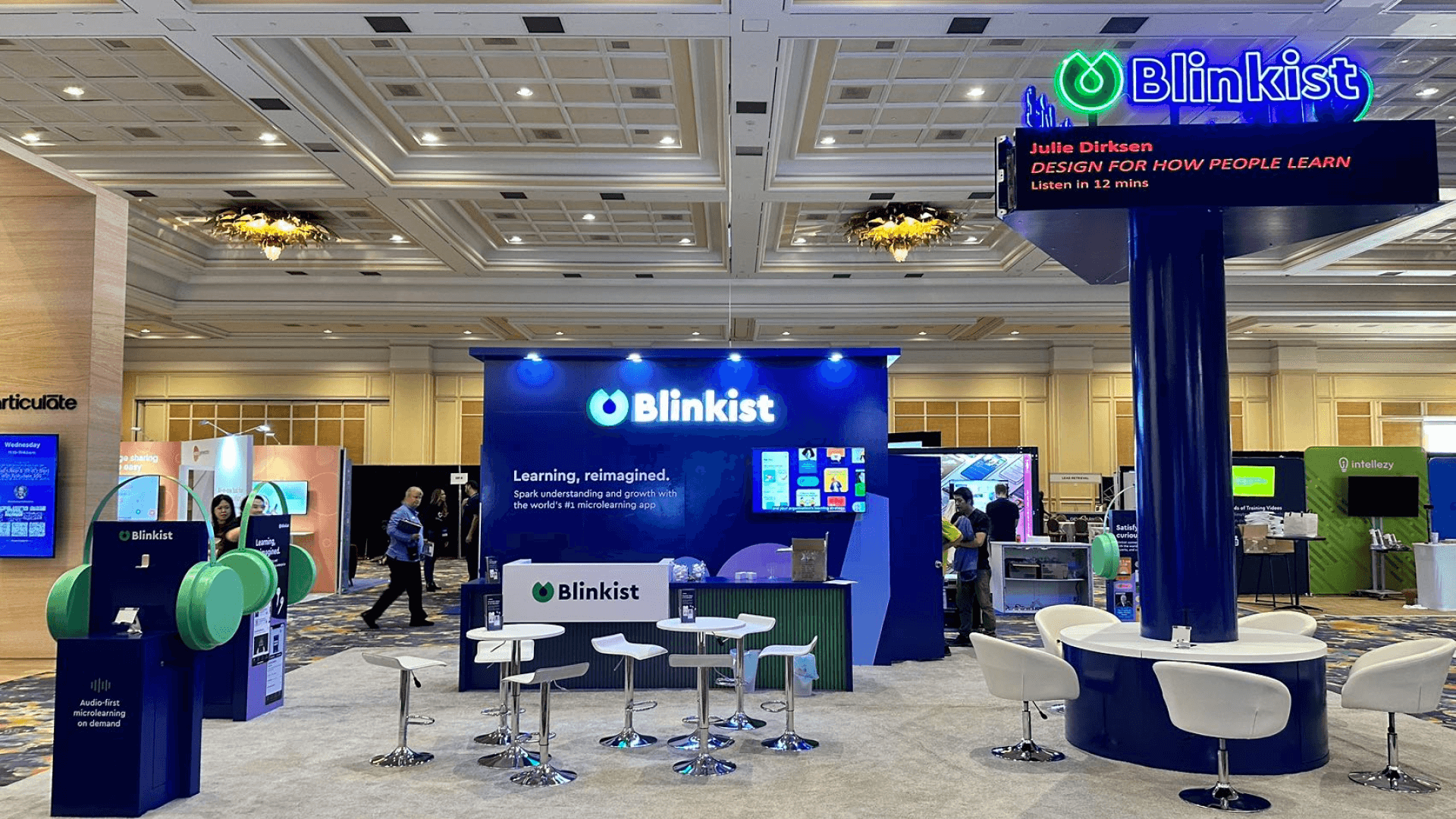
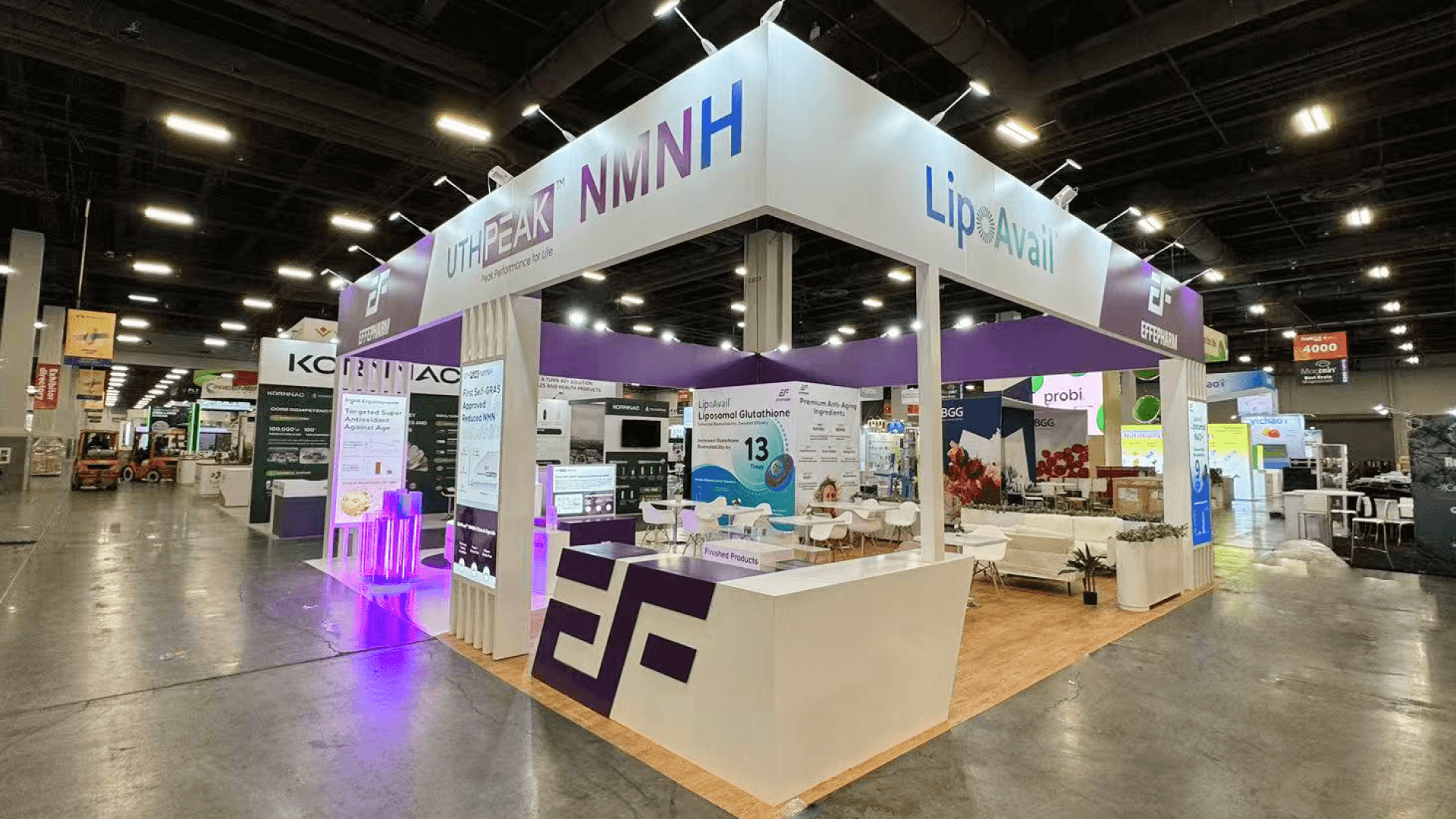
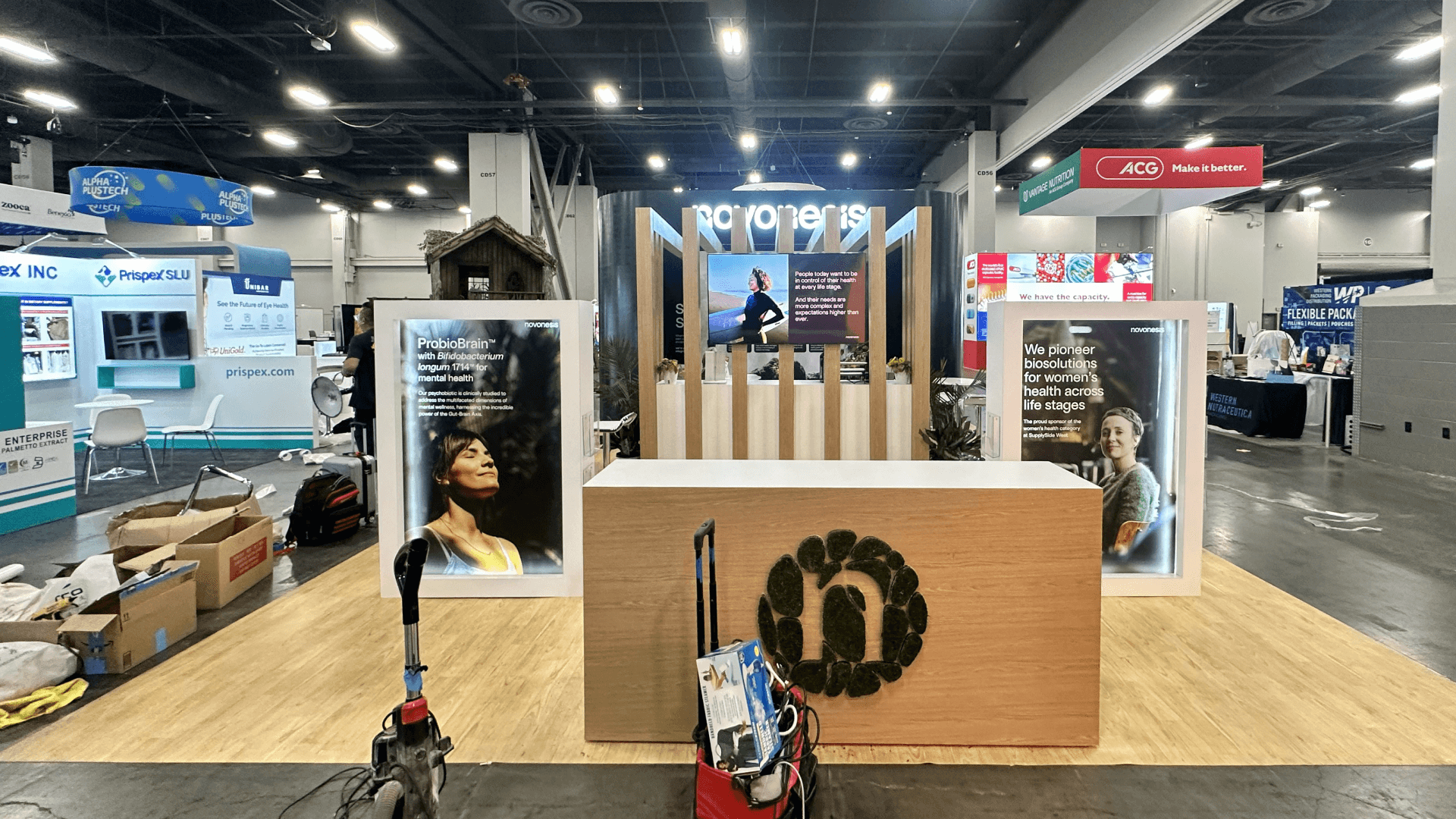
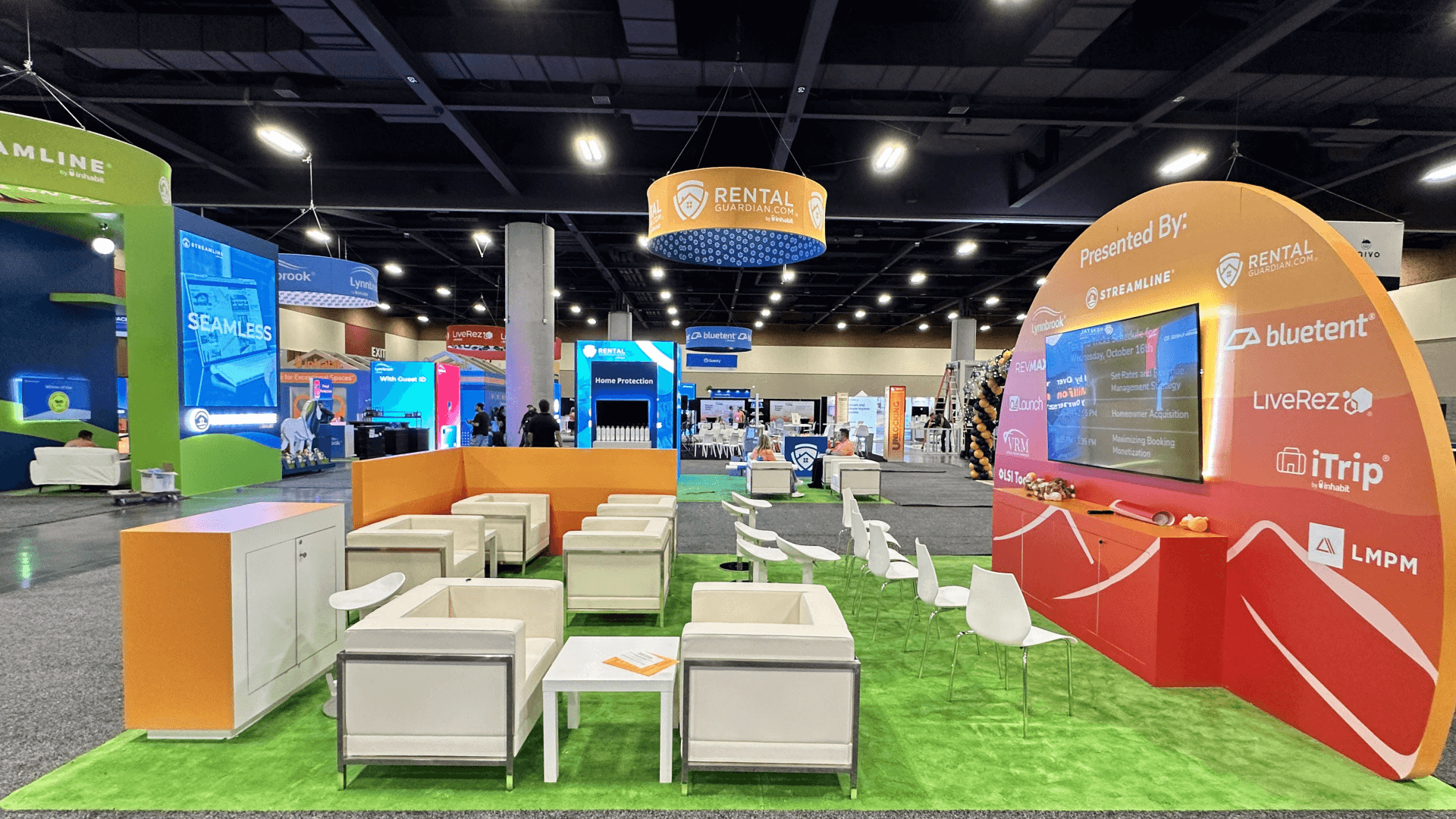
The HFA Show Booth Planning




How should exhibitors plan a booth for The HFA Show?
HFA Show booth planning should reflect how club buyers evaluate your offer and decide what to do next. Choose the main activity: equipment trials, a software walkthrough, product inspection, or a service discussion. Give it priority, then arrange supporting displays, staff positions, and buyer conversations around it.
At The HFA Show, buyers may want to try equipment, follow a software workflow, inspect a product, or discuss a service for their club. Choose the activity that best supports your offer and the buyer’s next decision. A service exhibitor may give the main space to conversation, while a working machine needs a trial area.
Within a 20x20 booth, the main buyer activity guides the space available for supporting displays, staff, and buyer seating. For working machines, fitness equipment demo booth planning explains how to arrange equipment use, staff assistance, and preparation between trials.
At Mandalay Bay Convention Center, the layout must also fit the assigned space and current HFA requirements. For custom exhibit elements, Las Vegas trade show booth builders can turn those display priorities into a buildable layout and production plan.
Why Exhibitors Choose Circle Exhibit
Clear scope, transparent quote review, nationwide booth support, and efficient setup planning for qualified rental and custom exhibit projects.
48hr
Setup Window
10+
Years Since 2014
U.S.
Trade Show Support
Real
Booth Project Proof
Compare the activities that must happen at the same time and the space each needs. Final layouts depend on the exhibits, staffing, assigned open sides, and current show requirements.
A compact footprint suits a limited product story or focused demonstration. A 10x20 layout is useful when the presentation and a short buyer conversation need separate positions.
Consider a 20x30 footprint when product evaluation and buyer discussions need to continue independently. Use the extra space to resolve a specific conflict between activities.
A 20x20 booth offers more layout flexibility when the main display leaves room for reception and discussion. If those functions compete for the same stopping area, simplify the plan before adding features.
A 30x40 layout may suit several product groups with separate demonstrations, meetings, and staff support. Confirm the need for those independent functions before committing to a larger program.
Once you know what buyers need to evaluate at the booth, a narrower decision may change the display brief. Equipment exhibitors considering a separate static display can use HFA Equipment Pedestal planning to decide whether it serves a clear discovery goal while essential trials remain available at the booth.
For club software teams presenting a booking flow to consecutive visitors, booking demo rehearsal helps check what the first run changes and whether the next can start from the agreed conditions. Those findings give the booth team clearer requirements for screens, controls, and preparation between demos.
Help buyers understand the offer, take part in the relevant activity, and continue a useful discussion. Select the functions that support your products, services, and target buyers.
Decide which machines need hands-on use and which can be assessed through inspection or supporting information. Reserve the trial space before assigning the rest of the booth.
Choose a workflow that helps operators see the product’s relevance to their business. Set that purpose before deciding how many screens or demo stations the booth needs.
Group smaller products by application or relevant differences. Place labels, specifications, and supporting materials beside the items they explain so buyers can inspect the product and follow the information.
For service exhibitors, a conversation may be the main evaluation activity. Provide a clear place to explain the offer, establish the facility’s requirements, and agree on the next discussion.
Equipment, technology, products, and services for health and fitness businesses.
March 10–12 at Mandalay Bay Convention Center; the Expo opens March 11–12.
Professionals from fitness clubs, studios, and related health and fitness businesses.
Not Sure Which Booth Size You Need?
Not every exhibitor knows whether a 10x20, 20x20, 20x30, or larger booth is the right fit. Circle Exhibit can help review your event goals, product display needs, demo areas, meeting space, storage, budget scope, and setup timeline before you choose a booth size.
Different Buyers, Different Questions
Too Many Functions for the Footprint
1
Choose the Buyer’s Next Step
2
3
4
Rental for a Defined Display
Rental walls, counters, graphics, and furniture can support a clear display and conversation plan. Consider Las Vegas trade show booth rental when an adaptable configuration meets those needs.
Custom Build for Specific Requirements
Custom fabrication is useful when the presentation depends on purpose-built forms, integrated displays, or unusual exhibit connections. Identify the requirement that needs fabrication before expanding the build scope.
Reuse Compatible Client-owned Components
Existing graphics, furniture, or displays may remain useful when they fit the new layout and product message. Check their dimensions, condition, and attachment methods before including them in the final plan.
The event runs March 10–12, 2027; the Expo opens March 11–12. Establish delivery and move-in access from the current exhibitor instructions before scheduling shipments and installation.
Work from the confirmed dimensions, open sides, neighboring aisles, and applicable display rules. Update the layout if those conditions differ from the initial concept or booking information.
Identify who handles booth materials, product shipments, client-owned pieces, and official service orders. Agree how those teams hand over materials and information before shipments leave for the venue.
Compare the installed graphics, products, and demo setup with the approved plan. Confirm who handles issues during the show and receives client-owned items after dismantling.
Plan the Rental Around Your HFA Display Route
Share your booked footprint, product list, main buyer activity, and any components you already own. Circle Exhibit teams can use those inputs to propose the rental structure, graphics, counters, furniture, and installation support for your Las Vegas booth.
Can planning start with an already-booked booth?
Yes. Use the confirmed dimensions and open sides to prioritize the main evaluation activity, staff positions, and buyer conversations.
Does every HFA product need a live demo?
What can remain provisional before the product list is final?
Does an Equipment Pedestal replace a hands-on booth demo?
Who approves the final booth brief?
READY TO PLAN YOUR NEXT BOOTH?
Let’s Build a Booth That Fits Your Event
Share your event name, booth size, city, timeline, product display needs, and design references. Circle Exhibit will review your project direction and help you choose a rental-friendly or custom exhibit path.
3000+
Booth Projects Supported
50+
U.S. Event Cities
Transparent
Quote Review
Arrange software demonstrations around the presenter, viewers, controls, and the transition into a discussion about the buyer’s club requirements.
Develop the chosen display functions into a coordinated layout, with buildable details for the exhibit elements that need fabrication.
Organize aisle messages, product information, and supporting graphics around what buyers need to understand at each stage of the visit.
Align booth materials and product deliveries with venue access, equipment placement, and the installation sequence required before the show opens.
Define the installation handoff, opening checks, repacking, and handling of client-owned components before the exhibit reaches the show floor.