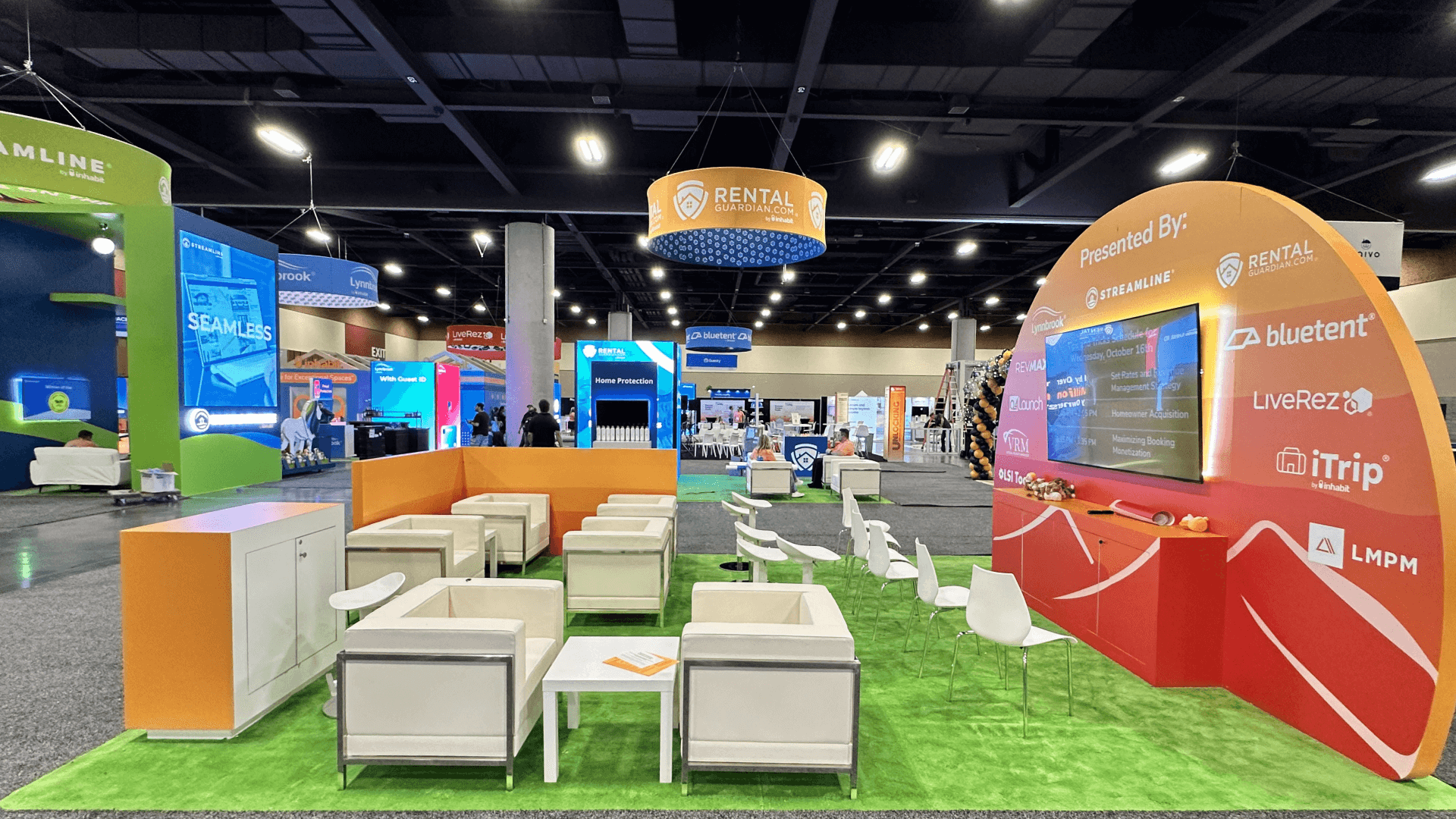
Google Cloud Next 2027 Booth Planning
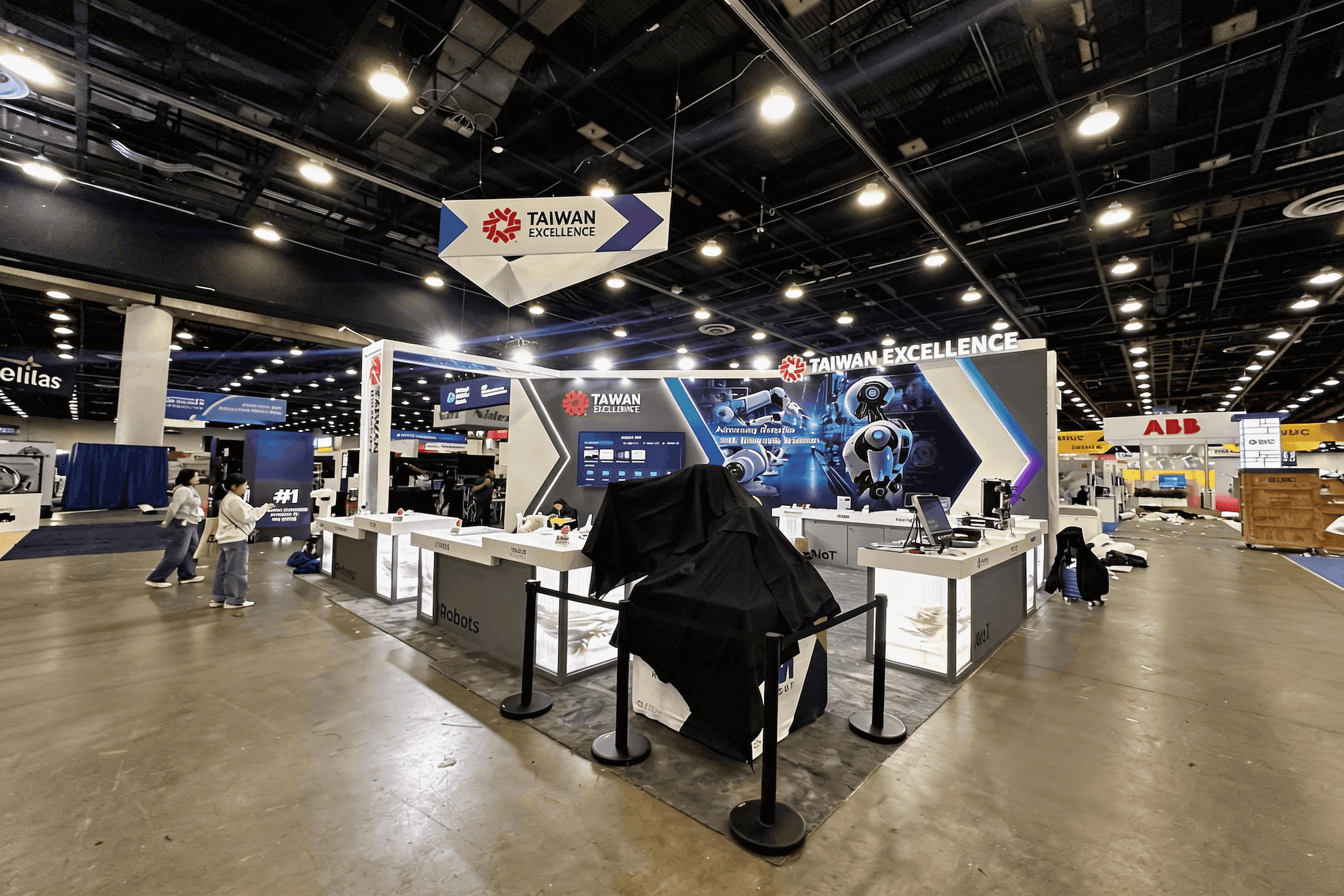
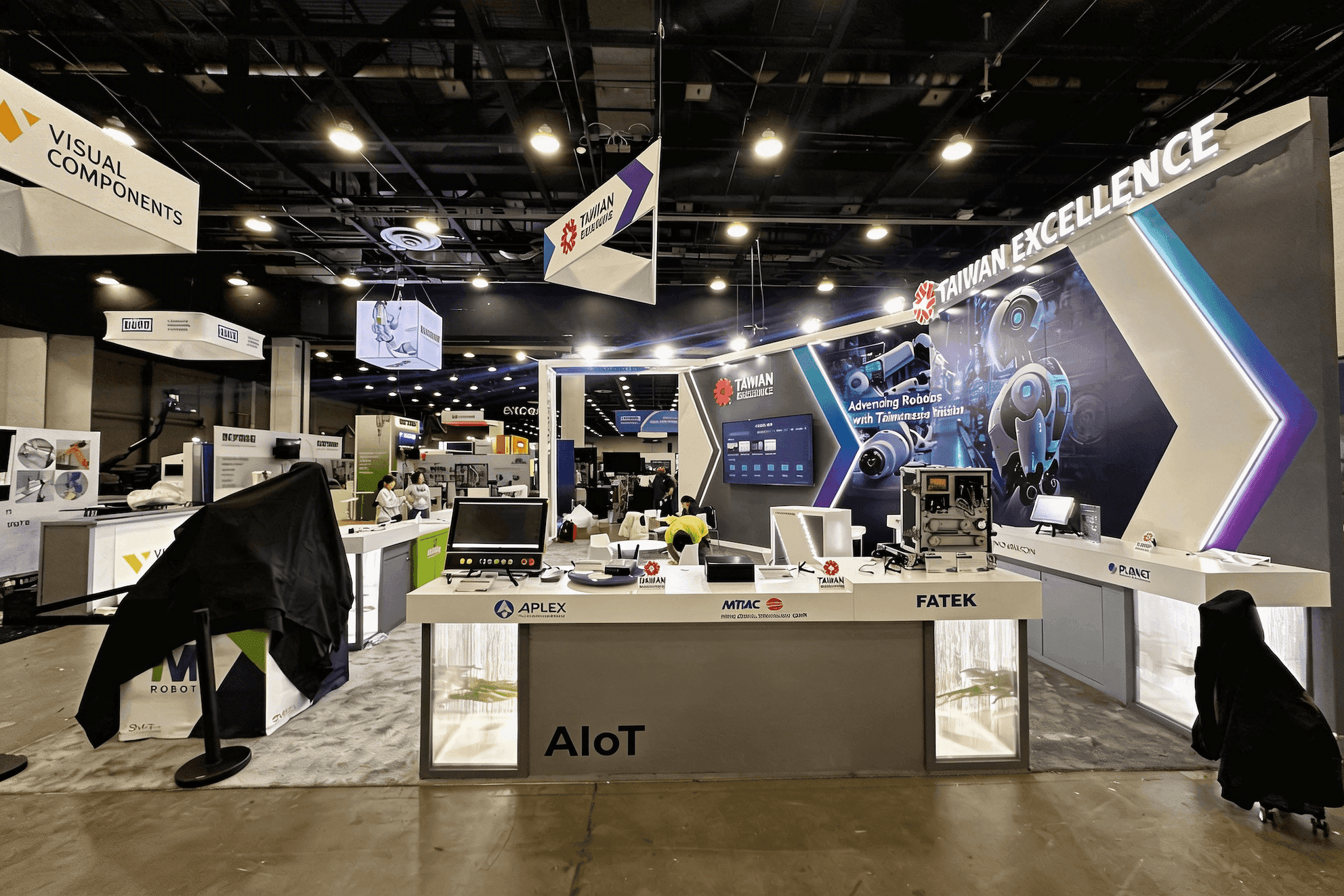


How should exhibitors plan a Google Cloud Next 2027 booth?
Start with the buyer journey. Decide what visitors should understand from the aisle, what needs a demo or screen to prove, and which questions require a specialist or meeting. Booth size should then follow the number of demos, conversations, staff, and support functions that need to run at the same time.
Google Cloud Next exhibitors often need to explain a complex product in a very short interaction. A cloud, AI, data, or security solution may involve architecture, integrations, dashboards, and technical workflows, but someone approaching the booth still needs to understand quickly what problem the solution addresses and why it is worth a closer look.
That first explanation should lead naturally into proof. A focused exhibitor may only need one clear demo and space for a standing conversation, while a larger program may need several product stories, technical specialists, meeting areas, and separate visitor paths. Similar pressures appear across Las Vegas technology trade shows, but Google Cloud Next places particular emphasis on cloud, AI, data, security, and partner conversations. Security-focused teams that need a deeper proof-to-consultation workflow can continue with Google Cloud Next Security Hub booth planning.
Google Cloud Next 2027 is scheduled for Mandalay Bay Convention Center. Screens, demo hardware, freight, utilities, installation, and technical testing should therefore be considered before the booth layout is finalized. Programs that also require custom fabrication, integrated technology, or coordinated show-site work may need an experienced team of Las Vegas trade show booth builders to keep the physical build aligned with the demo and meeting plan.
Why Exhibitors Choose Circle Exhibit
Clear scope, transparent quote review, nationwide booth support, and efficient setup planning for qualified rental and custom exhibit projects.
48hr
Setup Window
10+
Years Since 2014
U.S.
Trade Show Support
Real
Booth Project Proof
Booth size should follow how much activity needs to happen at once. Start with the number of demos, specialists, meetings, product stories, and support functions, then choose the footprint that can separate those tasks without making the visitor path harder to follow.
One clear product story, one main demo, standing conversations, and light storage can often fit within a 10x20 booth. The real limitation is how many conversations can happen while the demo is running.
Several demos, product teams, or buyer paths start to compete in smaller footprints. 20x30 booth planning becomes more relevant when meetings, storage, and specialist handoffs need their own space.
Once a demo needs to keep running while another visitor talks with a specialist, the layout needs more breathing room. A 20x20 footprint gives those activities more separation without immediately turning the booth into a large multi-zone exhibit.
A 30x40 booth or larger layout is better justified by concurrency—multiple teams, demos, meetings, or presentation functions running together—than by a desire to simply look bigger.
At Google Cloud Next, the same buyer may encounter sponsor content through talks, focused programs, booth demos, and deeper technical conversations. Instead of restarting the message at each touchpoint, Google Cloud Next sponsor activation planning looks at what the booth should add when the buyer already understands part of the problem—and when the conversation is ready to move to a specialist or meeting.
The booth should help a visitor understand a cloud or AI use case, see enough proof to judge whether it is relevant, and reach the right person when the conversation needs more depth.
The aisle message should explain the problem, environment, or outcome before presenting dense architecture, feature lists, or technical terminology.
A screen or live demo should prove one meaningful part of the solution. Trying to show every feature at once usually makes the product harder to evaluate.
When a visitor asks a deeper technical or commercial question, staff should know who takes over and where that conversation can continue.
Chargers, adapters, backup devices, literature, lead tools, and staff supplies should stay close to the demo area without narrowing circulation or becoming part of the presentation.
Google Cloud Next brings cloud, AI, data, security, infrastructure, enterprise software, and partner solutions into an environment where exhibitors need to make complex products understandable within a short visitor interaction.
Google Cloud Next 2027 takes place April 13–15 at Mandalay Bay Convention Center in Las Vegas, with select programming beginning April 12.
A developer may want to see the workflow, while an architect, security lead, partner, or technology executive may ask very different questions. The booth should support those different levels of evaluation without forcing everyone through the same presentation.
Not Sure Which Booth Size You Need?
Not every exhibitor knows whether a 10x20, 20x20, 20x30, or larger booth is the right fit. Circle Exhibit can help review your event goals, product display needs, demo areas, meeting space, storage, budget scope, and setup timeline before you choose a booth size.
Not Every Visitor Needs the Same Demo
Too Many Screens Can Break the Flow
1
Decide What the Visitor Should Understand First
2
3
4
Rental for a Focused Technology Program
A Las Vegas trade show booth rental can work well when the program needs branded walls, screens, counters, storage, light meeting space, and a reusable structure without highly specialized architecture.
Custom for a Larger Multi-Team Story
A custom build becomes more relevant when several solution areas, integrated AV, presentation functions, stronger architectural branding, or controlled meeting environments need to operate as one exhibit.
Hybrid for a Product Story That Keeps Changing
A reusable structure with replaceable graphics, configurable counters, exhibitor-owned demo equipment, and adaptable meeting elements can work well when the core exhibit remains useful but the cloud or AI story changes between shows.
Confirm current event and Mandalay Bay requirements for booth access, freight, utilities, screens, device installation, and installation timing before production is locked.
Screens, devices, connectivity, power, accounts, and lead tools should be checked together before opening. Leave detailed reset procedures to the team responsible for each demo environment.
Structure, graphics, screens, counters, devices, cabling, furniture, and storage should be installed early enough to leave time for meaningful technical testing.
Before traffic begins, confirm screen content, devices, logins, charging, lead tools, staff positions, meeting schedules, storage access, and backup presentation paths.
Flexible Rental Booths for Demo-Heavy Google Cloud Next Programs
A rental booth can work well when the Google Cloud Next program needs branded walls, integrated screens, demo counters, meeting points, and hidden storage without a fully custom structure. The layout should still be planned around how many demos, specialists, and buyer conversations need to run at the same time.
What should a Google Cloud Next booth include?
Start with a clear use case, then add the functions needed to prove it and continue the conversation. That may include screens or demos, specialist access, meeting space, lead capture, and storage.
How should exhibitors choose booth size for Google Cloud Next?
Does every product need its own demo station?
When does a Google Cloud Next booth need meeting space?
What should be confirmed before setup at Mandalay Bay?
READY TO PLAN YOUR NEXT BOOTH?
Let’s Build a Booth That Fits Your Event
Share your event name, booth size, city, timeline, product display needs, and design references. Circle Exhibit will review your project direction and help you choose a rental-friendly or custom exhibit path.
3000+
Booth Projects Supported
50+
U.S. Event Cities
Transparent
Quote Review
Broader context for AI, cloud, software, cybersecurity, screen demos, technical conversations, and technology-event booth planning in Las Vegas.
Venue-level planning for freight, utilities, installation, storage, booth footprints, and opening-day setup.
Relevant when the booth moves from planning into fabrication, prebuild review, EAC coordination, installation, and show-site execution.
For exhibitors considering a branded reusable system for screens, demos, counters, meeting functions, storage, and changing event programs.
Freight timing, graphics, demo devices, crates, supporting materials, delivery dependencies, and readiness before installation begins.