At Google Cloud Next, the Booth May Not Be the First Touchpoint
Google Cloud Next creates this problem because the sponsor booth may not be the first place where a buyer encounters the subject.
Prior editions of the event have combined expo activity with sponsor talks, focused environments, partner programming, and deeper technical conversations. Those formats can establish part of the problem, use case, or technology category before a vendor conversation begins.
That changes the buyer’s starting point.
One visitor may still need a short explanation of the use case. Another may already understand the category and be comparing vendors. A third may arrive looking for evidence that a particular product can solve a problem they have already spent time discussing elsewhere at the event.
Treating all three visitors as if they are hearing the story for the first time wastes context they already have.
The important planning question is not which event touchpoint always comes first. It is how much useful context the buyer is carrying when the sponsor interaction begins.
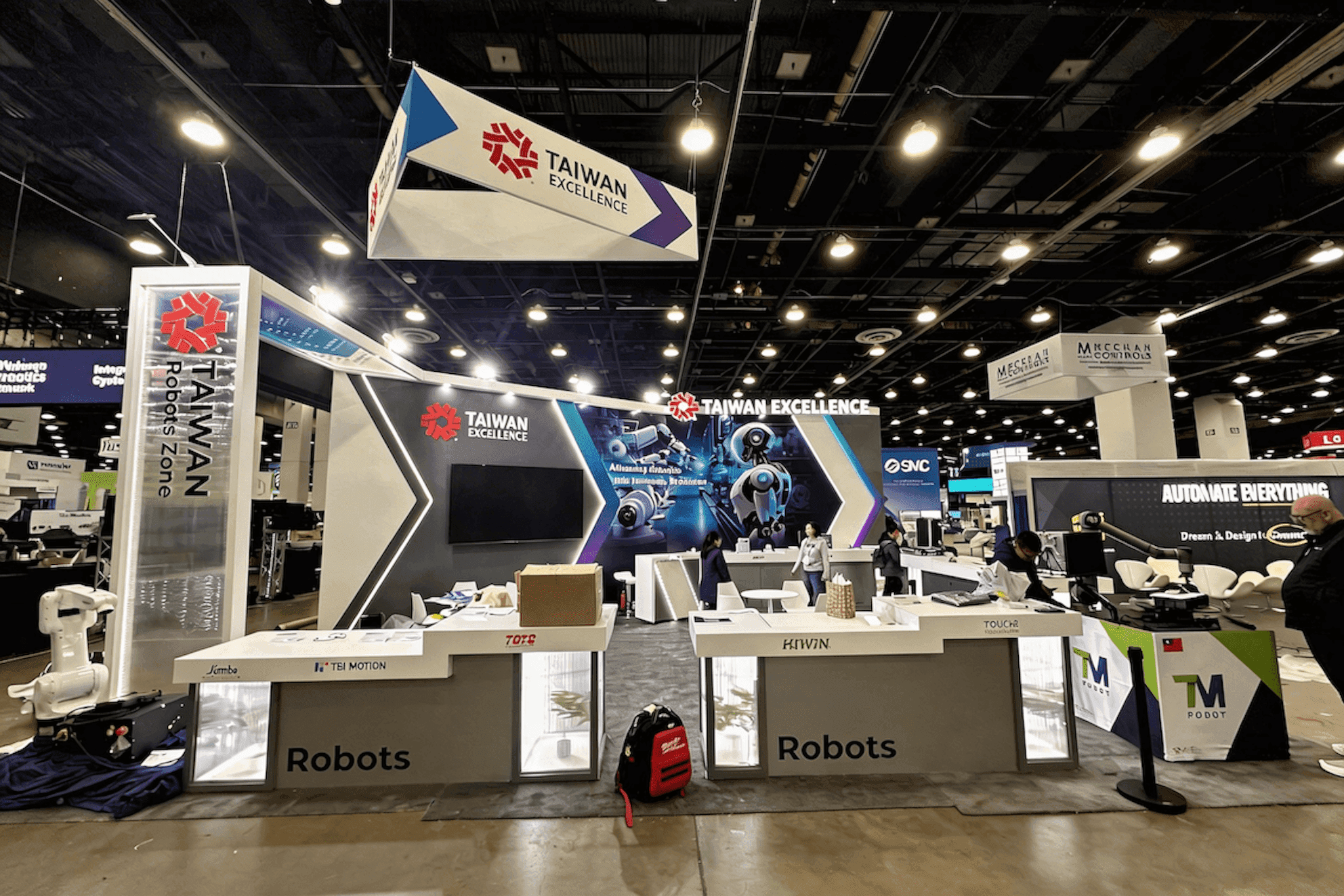
A sponsor booth should build on what the buyer already understands, adding proof before the conversation moves into architecture, integration, or deployment fit.
Start With What the Buyer Still Needs to Know
Start by asking what the buyer can already explain back to you.
If the problem and use case are already clear, another category-level introduction adds little. The buyer is ready to see evidence that the vendor’s solution actually does what it claims.
Once that evidence is convincing, questions often become more specific. Integration, architecture, security, data, deployment, or compatibility with an existing technology stack begin to matter. At that point, the missing information is no longer proof. It is technical fit—whether the solution can work within the buyer’s actual environment.
Once technical fit is reasonably clear, the useful conversation becomes specific to the buyer’s own requirements.
What the buyer already understands | What is still missing | Useful next question |
|---|---|---|
Problem or category context | Vendor-specific proof | “Can you show me how it works?” |
Product proof | Technical fit | “How does this fit our architecture?” |
Technical fit | Organization-specific requirement | “What would this look like for us?” |
Organization-specific requirement | Concrete next action | “What needs to happen next?” |
The same issue becomes especially clear in a focused security setting. A buyer may already understand the risk or category before reaching a vendor-specific interaction, so the next conversation should add proof rather than repeat category education. The deeper question of how that security interaction itself should run—from proof through specialist discussion and consultation—is handled separately in Google Cloud Next Security Hub booth planning.
The goal is not to force every visitor through the same sequence. It is to recognize what information is already present and add the next layer that is still missing.
Hand Off the Conversation When the Question Changes
The best handoff cue is the question itself.
A buyer asking to see how the product works is still looking for proof. The standard booth conversation can usually handle that.
The interaction changes when the buyer begins asking about conditions that depend on their own technical environment. A deeper handoff is usually justified when questions move into:
architecture or integration;
security, data, or deployment requirements;
compatibility with an existing technology stack;
implementation in the buyer’s own environment;
a concrete technical or commercial next step.
At that point, the standard product explanation has done its job. The answer now depends on information specific to that buyer.
This distinction matters at Google Cloud Next because technical conversations can become environment-specific quickly. A preset five-minute demo or fixed booth script is a weaker handoff signal than the question the buyer is actually asking.
When the question changes, the interaction should change with it.
The handoff should happen when the buyer’s question becomes specific to their own environment and needs a deeper technical or meeting-level discussion.
Do Not Make the Buyer Start Over
One of the easiest ways to waste a multi-touchpoint event is to make the buyer restart the same conversation.
If a talk has already established the problem and why it matters, the booth does not need to spend the next several minutes repeating the same industry background.
If the buyer has already seen the product work, a technical meeting should not begin with another broad company introduction. The useful next step is whatever remained unresolved after the proof—technical fit, deployment requirements, internal constraints, or a more specific business question.
Follow-up can move the buyer backward as well. If a specialist has already discussed architecture or integration in detail, sending only a generic brochure afterward removes the context that made the conversation valuable.
Each later Google Cloud Next interaction should add information the buyer does not already have.
The talk, focused hub, booth, specialist conversation, meeting, and follow-up do not need to repeat the same story. Each should move the buyer’s understanding forward from the point they have already reached.
FAQ
Should a Google Cloud Next sponsor booth repeat information from a talk or focused hub?
It can briefly reference earlier context, but it should not restart the same explanation. If the buyer already understands the problem or category, the booth should add the next missing layer, usually vendor-specific proof.
When should a booth conversation move to a technical specialist?
The handoff makes sense when the buyer moves beyond standard product behavior and starts asking about architecture, integration, security, data, deployment, or fit within their own technical environment.
When should the discussion move from a specialist to a meeting?
A meeting becomes more useful when the answer depends on the buyer’s own organization, implementation requirements, internal constraints, commercial scope, or a concrete next step that needs more time than the initial technical conversation allows.