Global Produce Business Solutions Booth Planning
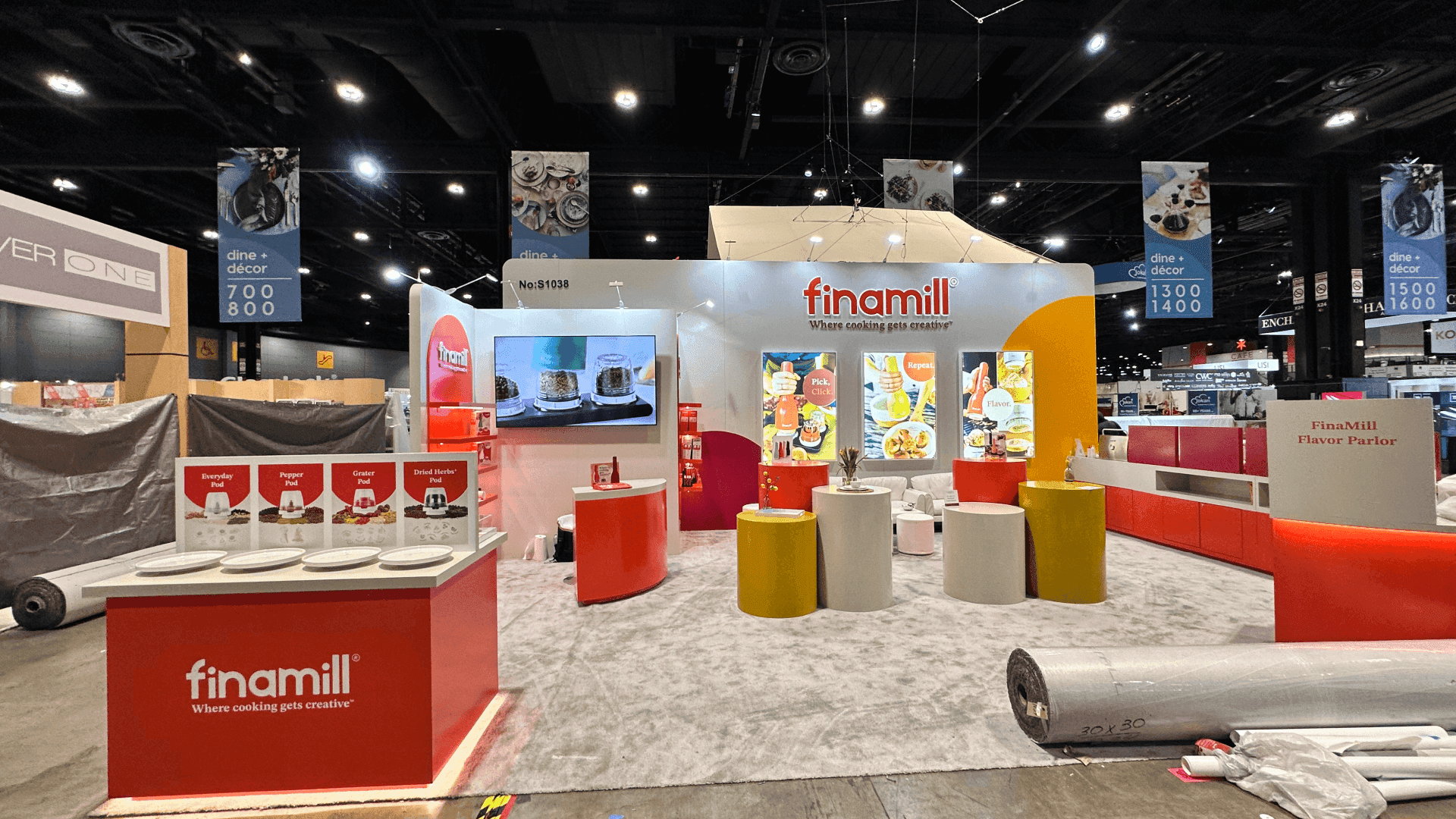

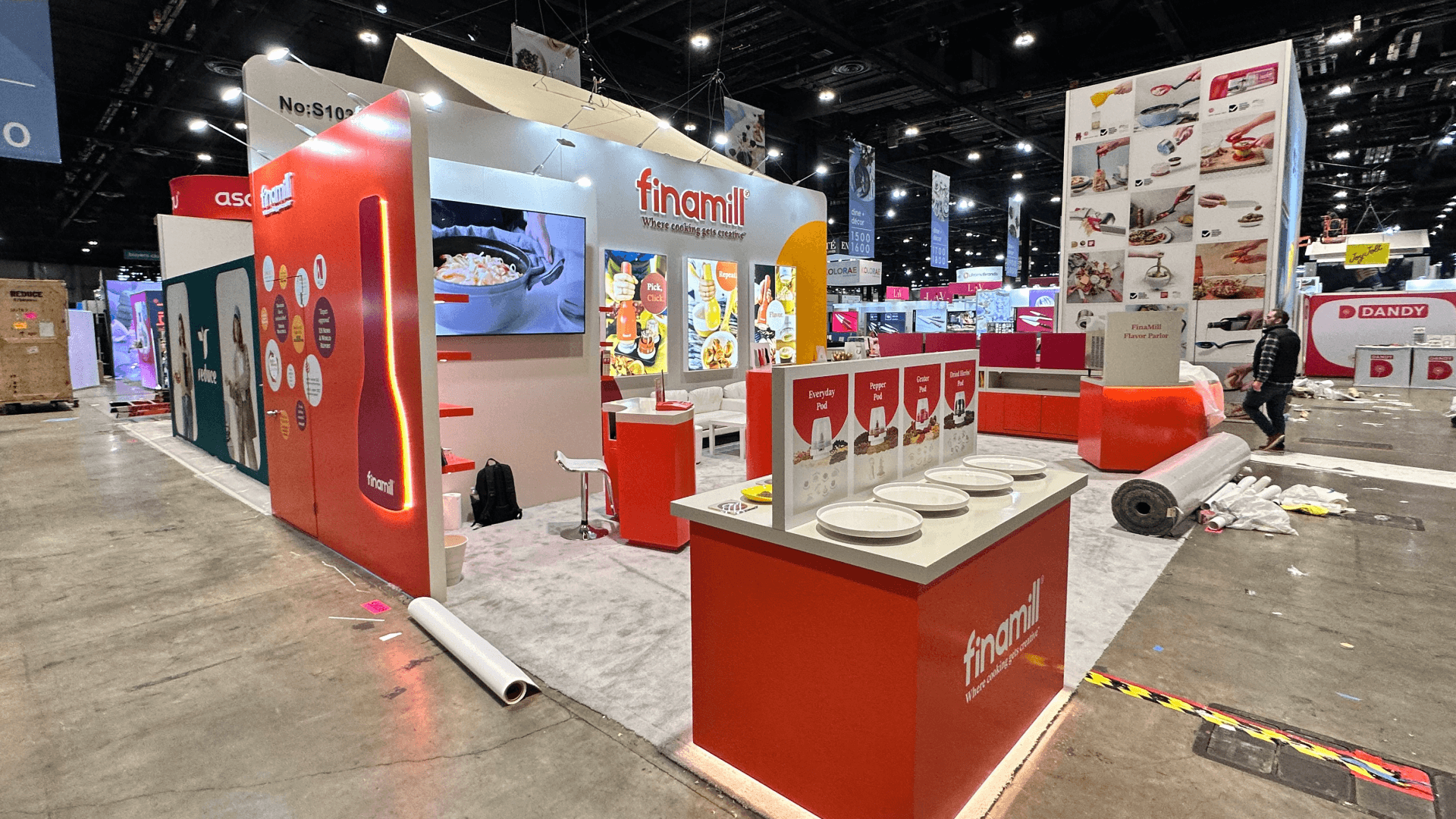

How should Business Solutions exhibitors plan a booth for Global Produce?
Business Solutions booths should make the scale of the system and its role in daily operations clear. Packaging systems, logistics equipment, operational technology, and services need accessible displays, readable specifications, and enough room for technical discussion without making the space feel crowded.
For Business Solutions exhibitors, the layout is driven by the operational problem being solved and the footprint of the system on display. Packaging equipment, logistics systems, machinery, operational technology, and services each need a different balance of access, demonstration space, technical explanation, and staff interaction.
Within the broader Global Produce & Floral Show booth planning framework, this page covers supply-chain and operational solutions that buyers need to inspect, see in action, or discuss in practical terms. Produce-aisle merchandising, signage, fixtures, and shopper-facing technology are covered separately in Retail Solutions Pavilion booth planning.
For larger OCCC displays, product dimensions, freight timing, power, installation order, service access, and viewing space should be settled before move-in. The booth needs to show where the solution fits into day-to-day operations without burying buyers in technical copy.
Why Exhibitors Choose Circle Exhibit
Clear scope, transparent quote review, nationwide booth support, and efficient setup planning for qualified rental and custom exhibit projects.
48hr
Setup Window
10+
Years Since 2014
U.S.
Trade Show Support
Real
Booth Project Proof
The footprint should follow the product size, demo method, staff count, service access, and depth of buyer discussion. A consulting service and a packaging machine do not need the same floor plan.
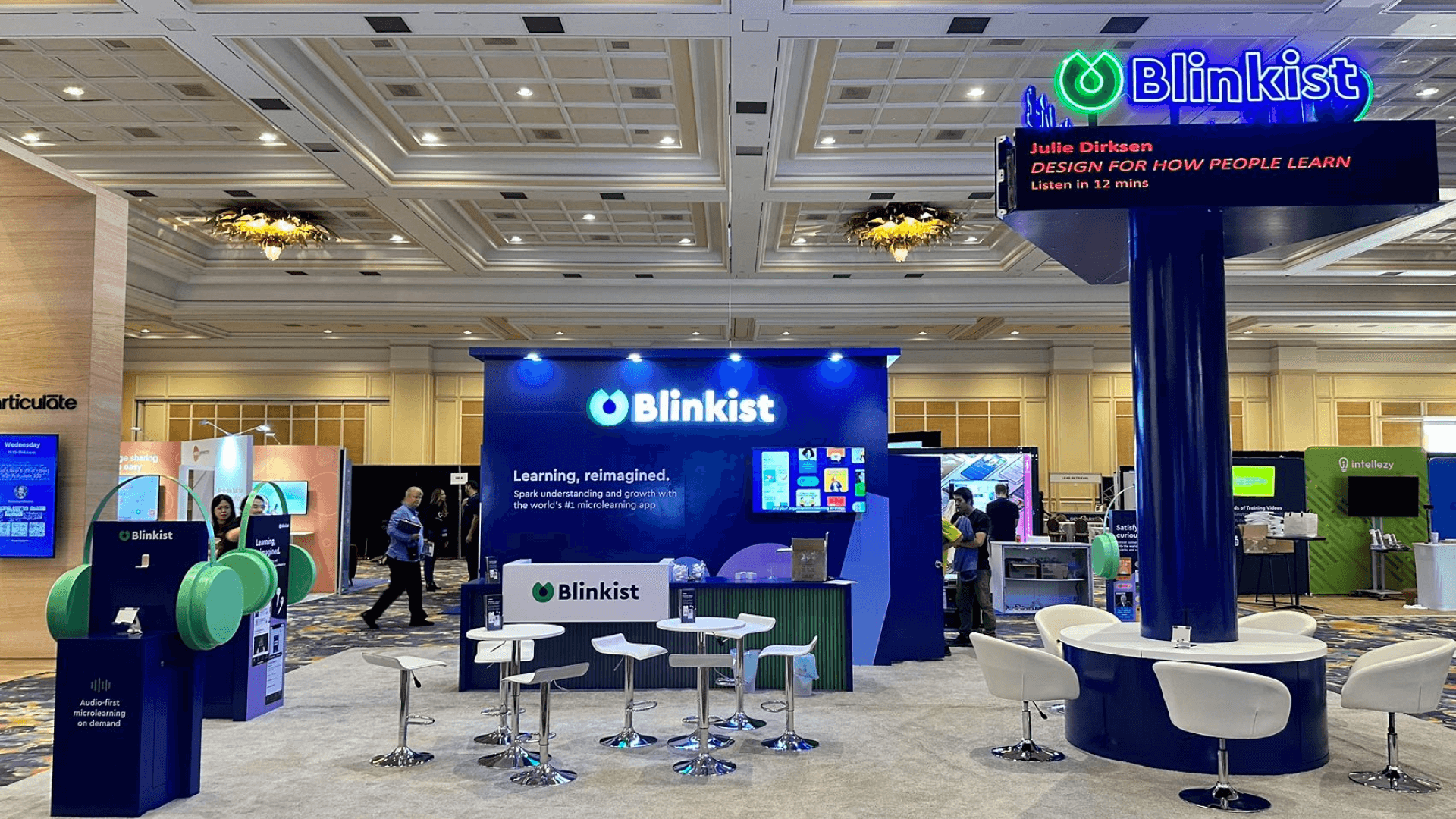
A 10x20 trade show booth fits a focused service, software platform, packaging sample, or compact technology demo.
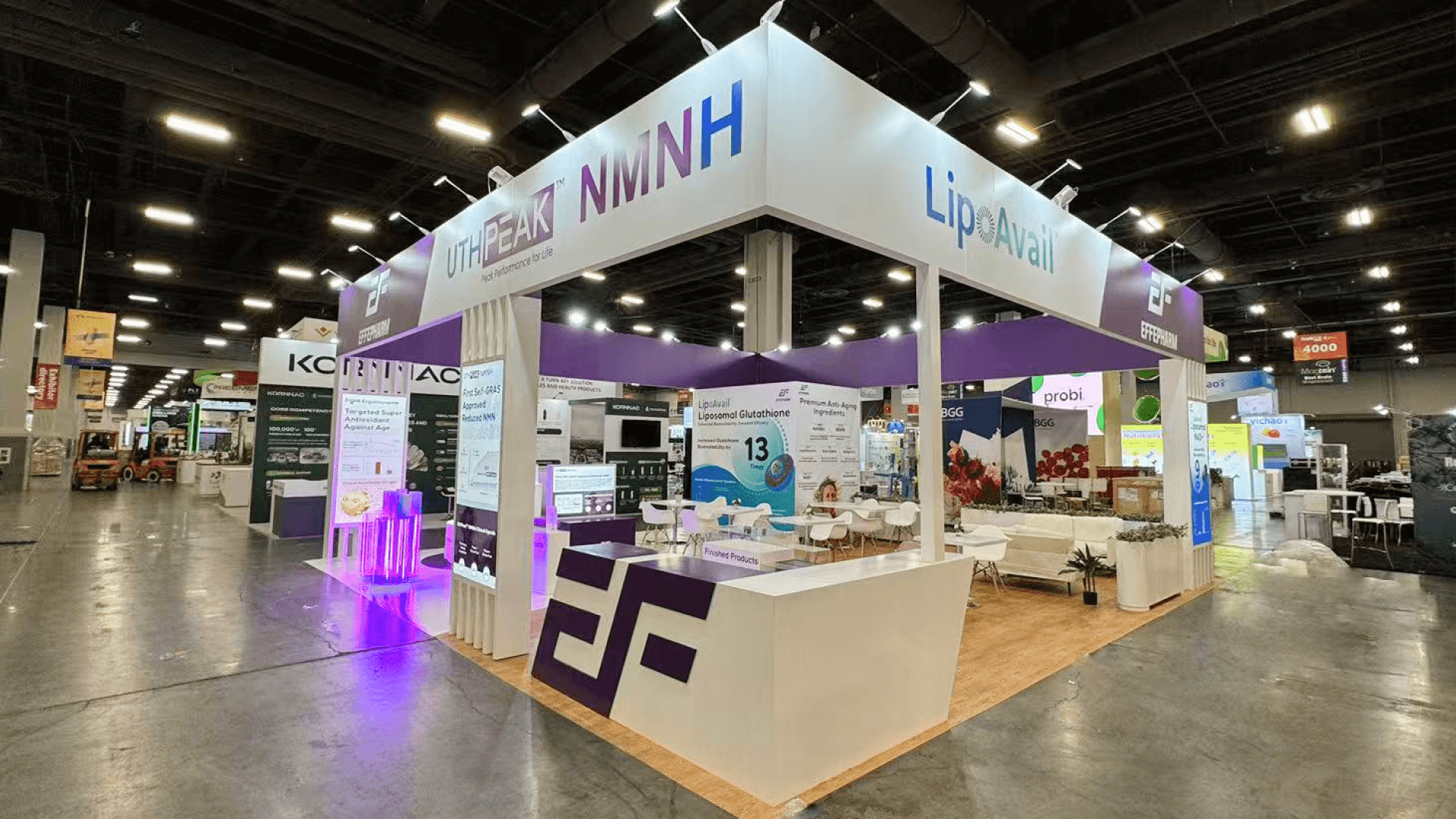
A 20x30 trade show booth suits larger systems, working demos, service access, storage, and a small meeting area.
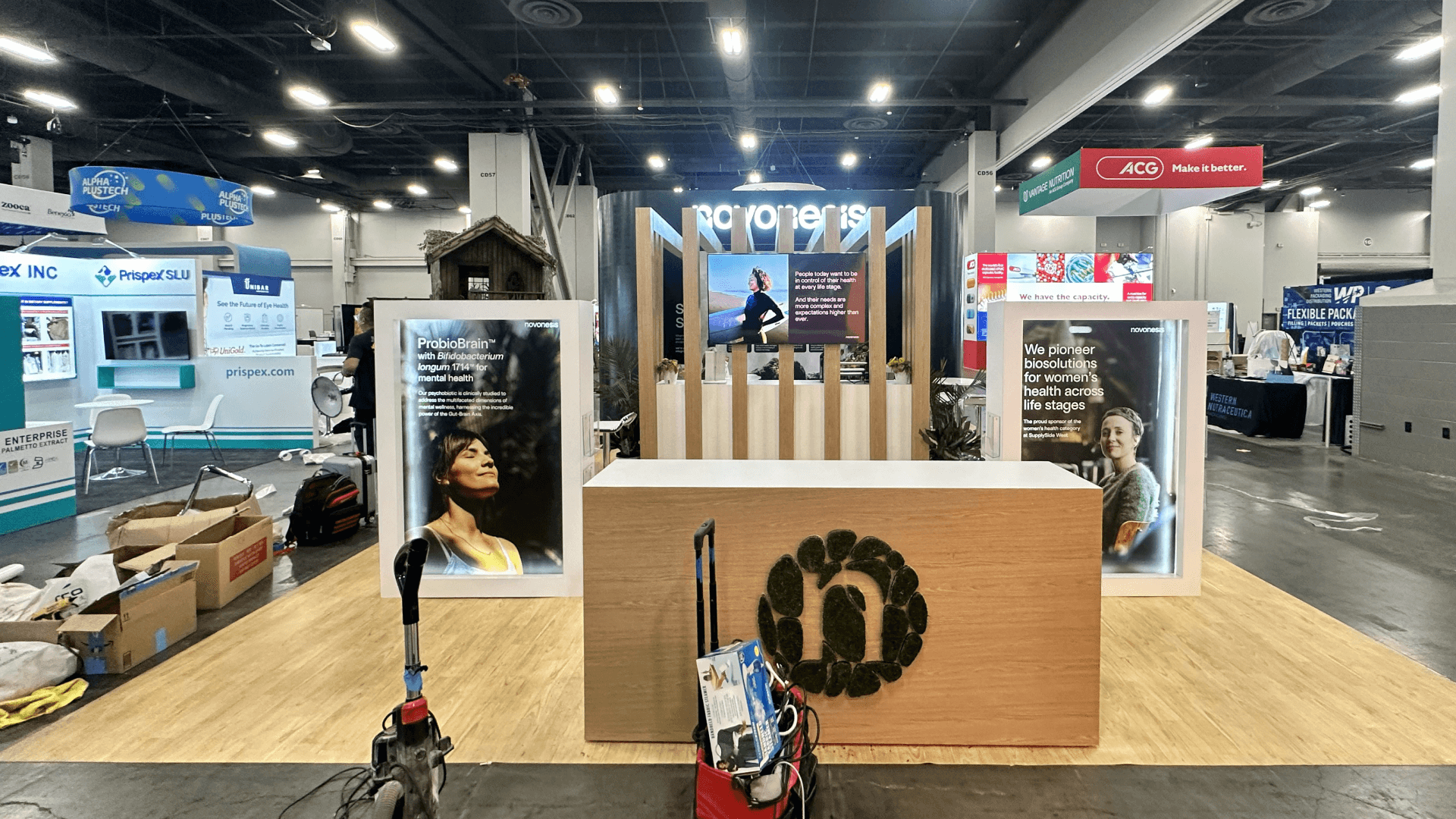
A 20x20 trade show booth provides room for packaging examples, screens, product comparisons, storage, and technical conversations.
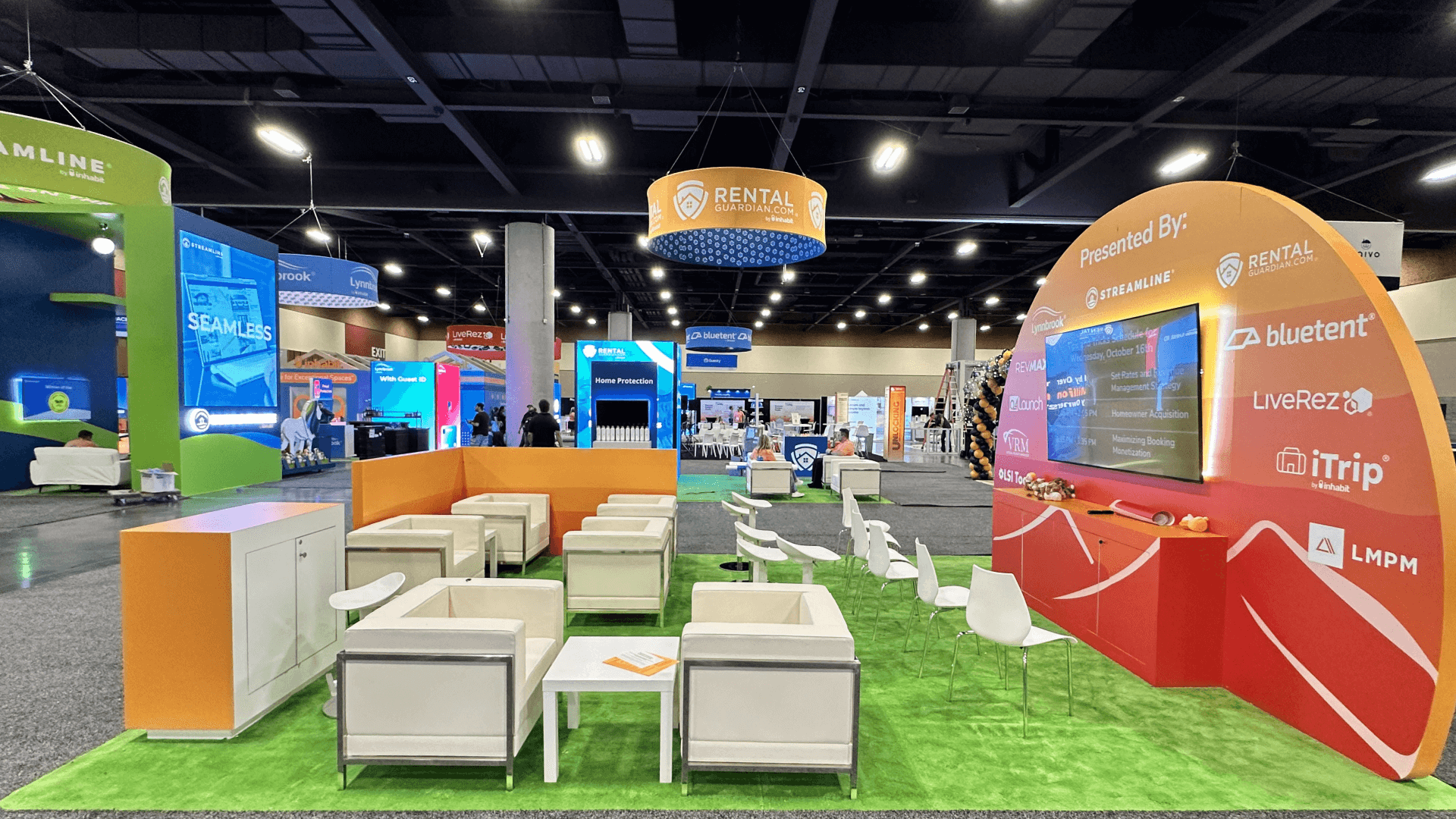
A 30x40 trade show booth can support machinery, several operational zones, wider viewing clearance, storage, and buyer meetings.
For broader show-floor context, review the produce and floral booth display planning guide, which covers packaging, cold storage, product refresh, sampling, and buyer flow. Business Solutions planning then narrows the focus to equipment, supply-chain systems, freight access, and larger operational displays.
Buyers need to understand what the solution does, where it fits in the supply chain, and what would be required to use it in practice.
Show the packaging, handling, logistics, or technology task the product improves rather than displaying the product without context.
Equipment controls, service panels, working areas, and viewing sides need enough clearance for inspection and explanation.
Short specifications, process diagrams, capacity details, and use cases should sit close to the product they explain.
Buyers often need to discuss installation, compatibility, service, capacity, pricing, or implementation after the first demonstration.
The Business Solutions segment covers packaging, logistics equipment, operational technology, services, and trade development.
The show runs October 14–16 at the Orange County Convention Center, with freight and booth setup planned around the OCCC schedule.
Produce companies, retailers, distributors, and operations teams compare tools and services for packaging, logistics, and day-to-day efficiency.
Not Sure Which Booth Size You Need?
Not every exhibitor knows whether a 10x20, 20x20, 20x30, or larger booth is the right fit. Circle Exhibit can help review your event goals, product display needs, demo areas, meeting space, storage, budget scope, and setup timeline before you choose a booth size.
Equipment Footprint
Technical Explanation
1
Define the Business Problem
2
3
4
Rental Booth for Focused Solutions
Rental structures suit packaging samples, service offers, software platforms, and compact technology demos that need clear branding and counters.
Custom Build for Equipment Displays
Machinery, integrated power, product platforms, custom counters, overhead branding, or controlled demo zones may need a structure designed around the equipment.
Hybrid Booth for Mixed Systems
A hybrid approach keeps the main structure flexible while adding custom platforms, counters, graphics, screens, storage, and meeting areas where needed.
Match equipment and booth materials to the assigned freight window before installation crews and product teams arrive.
Set large products first so counters, graphics, flooring, power, and storage can be aligned around the final footprint.
Keep controls, maintenance points, electrical access, and staff paths open throughout setup and show hours.
Before opening, confirm that buyers can identify the solution, see the working area, and know where to ask technical questions.
Flexible Booth Rental for Business Solutions
An Orlando rental booth can suit packaging samples, service displays, software, and compact technology demos. Larger machinery or complex installations need separate fabrication, logistics, and on-site setup planning.
What should a Global Produce Business Solutions booth include?
The booth should show the operational problem, the solution in use, and the practical value for produce or floral businesses. Product access and technical conversations also need enough room.
What booth size works for Business Solutions exhibitors?
How should equipment be placed in the booth?
Do packaging and supply-chain exhibitors need working demos?
What should be confirmed before OCCC move-in?
READY TO PLAN YOUR NEXT BOOTH?
Let’s Build a Booth That Fits Your Event
Share your event name, booth size, city, timeline, product display needs, and design references. Circle Exhibit will review your project direction and help you choose a rental-friendly or custom exhibit path.
3000+
Booth Projects Supported
50+
U.S. Event Cities
Transparent
Quote Review
Coordinate freight windows, equipment arrival, booth materials, storage, graphics readiness, and OCCC setup order.
Review product placement, structural details, mounting points, counters, and prebuild fit before the booth ships.
Plan installation around equipment placement, power access, booth structure, flooring, graphics, and dismantle timing.
Shape the layout around equipment dimensions, demonstrations, viewing clearance, storage, and technical conversations.
Organize specifications, diagrams, category headers, product labels, and digital content around the solution being shown.