Why Oracle AI World Creates a Product-Zone Decision
Oracle product families give attendees familiar reference points. For a partner with capabilities across OCI, Oracle AI Database, AI Data Platform, Fusion, or industry solutions, mirroring those categories inside the booth can feel natural.
The problem appears when the visitor has to choose a product before understanding the customer problem the partner solves. If several Oracle technologies contribute to the same workflow or result, the product labels may be accurate without being the clearest way to enter the story.
A product family should therefore become a booth path only when it represents a meaningfully different visitor journey.
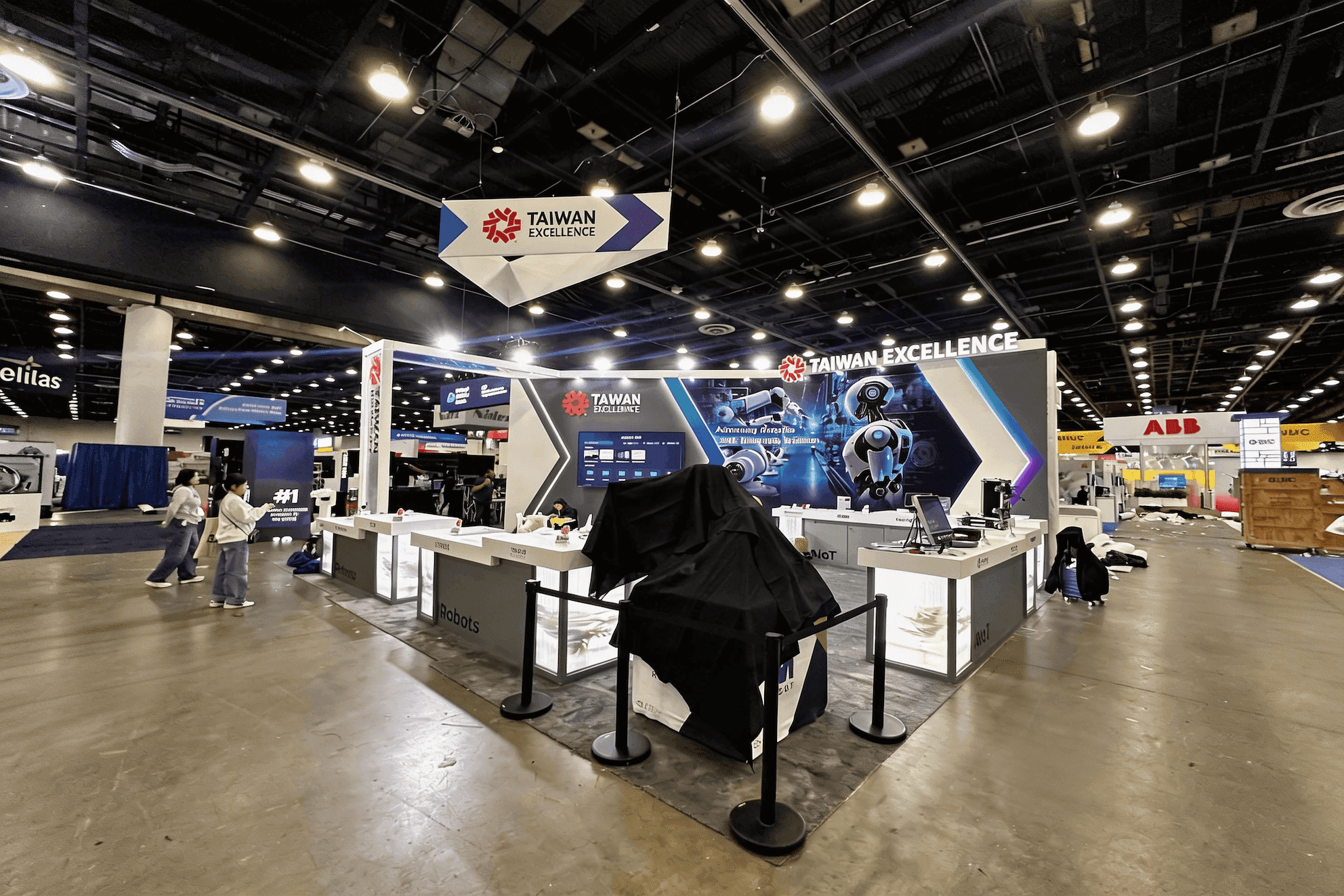
The right Oracle AI World booth structure depends on whether visitors share the same workflow or need genuinely different product-specific paths.
When Separate Oracle Product Paths Are Actually Justified
Here, a product path means a visitor journey that begins with an Oracle solution family and leads to its own proof, specialist, and next step. It is more than placing an OCI, Database, or Fusion label on a wall.
Separate paths become useful when the journeys really differ. An infrastructure buyer evaluating OCI, for example, may arrive with a different first question from an applications leader focused on Fusion. They may need different demonstrations, different expertise, and different follow-up discussions.
If those differences continue through the whole interaction, separation can make the booth easier to navigate.
Multiple Oracle capabilities alone are not enough.
Oracle competency ≠ booth zone.
A capability earns its own path when the visitor journey changes with it.
When One Customer Outcome Should Lead the Booth
An outcome-led structure starts with the customer problem or result rather than an Oracle product label.
It works best when the same buyer is following one workflow that depends on several Oracle technologies. Splitting OCI, Oracle AI Database, Fusion, or other solution families into separate destinations can otherwise force the visitor to rebuild the solution themselves.
The clearer sequence is:
Customer Problem → Connected Workflow → Partner Proof
The customer problem gives the visitor a recognizable starting point. The workflow shows how the necessary technologies work together. The proof makes the partner’s contribution clear.
Oracle products still matter, but they support the story rather than divide it.
When Outcome First, Oracle Product Depth Second Works Better
Hybrid is useful when the front-end customer problem is shared, but different visitors still need deeper Oracle-specific proof.
It is not “a little of both.” It follows a deliberate sequence:
Aisle
Customer Problem / Outcome
Qualification
Which part matters to this visitor?
Deeper Inside
OCI / Oracle AI Database / AI Data Platform / Fusion / other Oracle-specific proof
Visitors enter through one recognizable need, then move toward the technical path that matches their role or question.
The principle is:
Outcome first, Oracle product depth second.
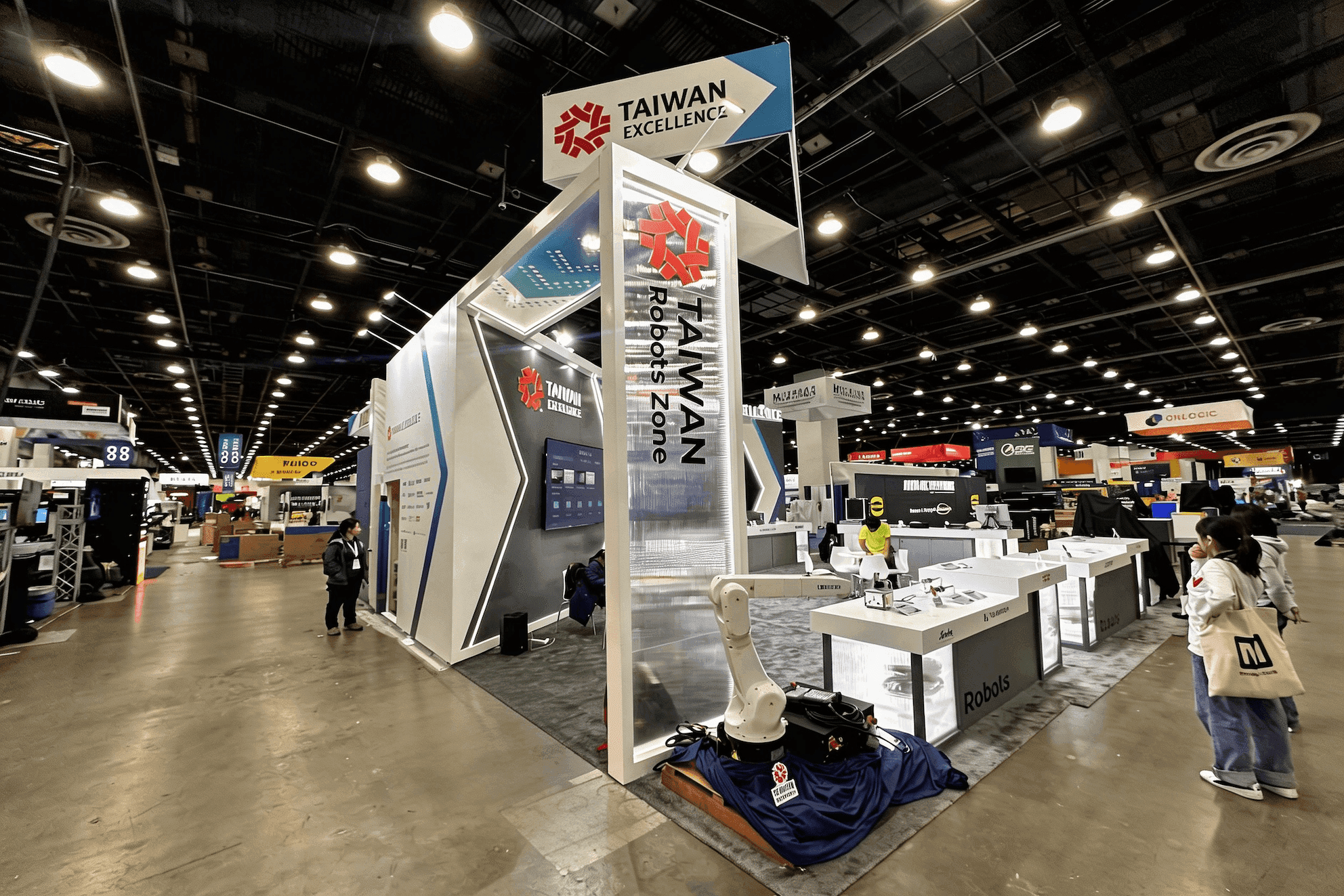
Before creating separate OCI, Oracle AI Database, Fusion, or other product zones, test whether the buyer, workflow, proof, specialist, and next action actually change.
Five Tests Before Turning an Oracle Product Family Into a Booth Zone
Before giving an Oracle product family its own visitor path, check what actually changes:
Buyer Overlap — Are the same people interested in several Oracle paths? If the audiences largely overlap, separate zones may add navigation without adding clarity.
Workflow Overlap — Do OCI, Database, Fusion, or other products sit inside the same customer workflow? If they do, keeping the story connected may be easier to follow.
Demo Independence — Can the proof stand on its own? A demonstration that only makes sense after another part of the solution is weak evidence for a separate path.
Specialist Ownership — Does the path genuinely require different expertise? Different product names do not automatically require different conversations.
Next-Step Difference — Does each path lead to a different technical, implementation, or business action?
The last test is especially useful. If OCI, Database, and Fusion all end with:
“Talk to the same solution team.”
the case for separate physical zones becomes much weaker.
Which Oracle AI World Booth Structure Should You Choose?
The decision should follow the visitor journey, not the number of Oracle capabilities the partner supports.
Structure | Choose It When | Main Trade-off |
|---|---|---|
Outcome-Led | Same buyer + same workflow + multiple Oracle technologies + one result | Keeps one customer story clear, but Oracle-specific technical differences still need to be easy to find. |
Separate Product Zones | Different buyers + different demos + different specialists + different next steps | Makes routing clearer, but can fragment one connected customer story when the paths overlap. |
Hybrid | One shared customer problem + several legitimate Oracle technical paths | Keeps one entry point, but requires clear qualification before visitors move into deeper product-specific proof. |
A simple way to read the decision is:
Shared journey → keep the story connected.
Different journeys → separate the paths.
Shared entry, different technical depth → use hybrid.
For hybrid booths, the sequence remains:
Outcome first, Oracle product depth second.
What Changes After You Make the Choice?
Once the visitor architecture is clear, the next decisions become physical.
Product zones, outcome-led, and hybrid structures place different demands on circulation, demo groupings, specialist positions, and the way visitors move from the first message into deeper proof. At this stage, the question is no longer which structure to choose, but how to make that choice work in space.
That is where design and engineering can translate the visitor path into a workable booth layout.
If the chosen direction depends on a complex industry workflow across several Oracle technologies, the next problem is keeping that connected scenario understandable from one stage to the next. That deeper planning belongs in Oracle AI World industry scenario booth planning.
Frequently Asked Questions
Should OCI, Oracle AI Database, and Fusion have separate booth zones?
Only when they create genuinely different visitor journeys. If the buyers, demos, specialists, and next steps differ, separate paths can help. If they support the same customer workflow, keeping them connected may be clearer.
Can several Oracle technologies share one demo story?
Yes. When several Oracle technologies support the same customer workflow, they can be part of one connected proof story. The visitor should understand how they contribute to the result without rebuilding the solution from separate product explanations.
Does an outcome-led booth still need Oracle product-specific proof?
Yes. Outcome-led does not mean hiding the Oracle technologies. The customer problem leads the story, while Oracle-specific proof shows how the relevant technologies contribute to the result.