ASI Show Orlando Apparel Sample Comparison Booth Planning
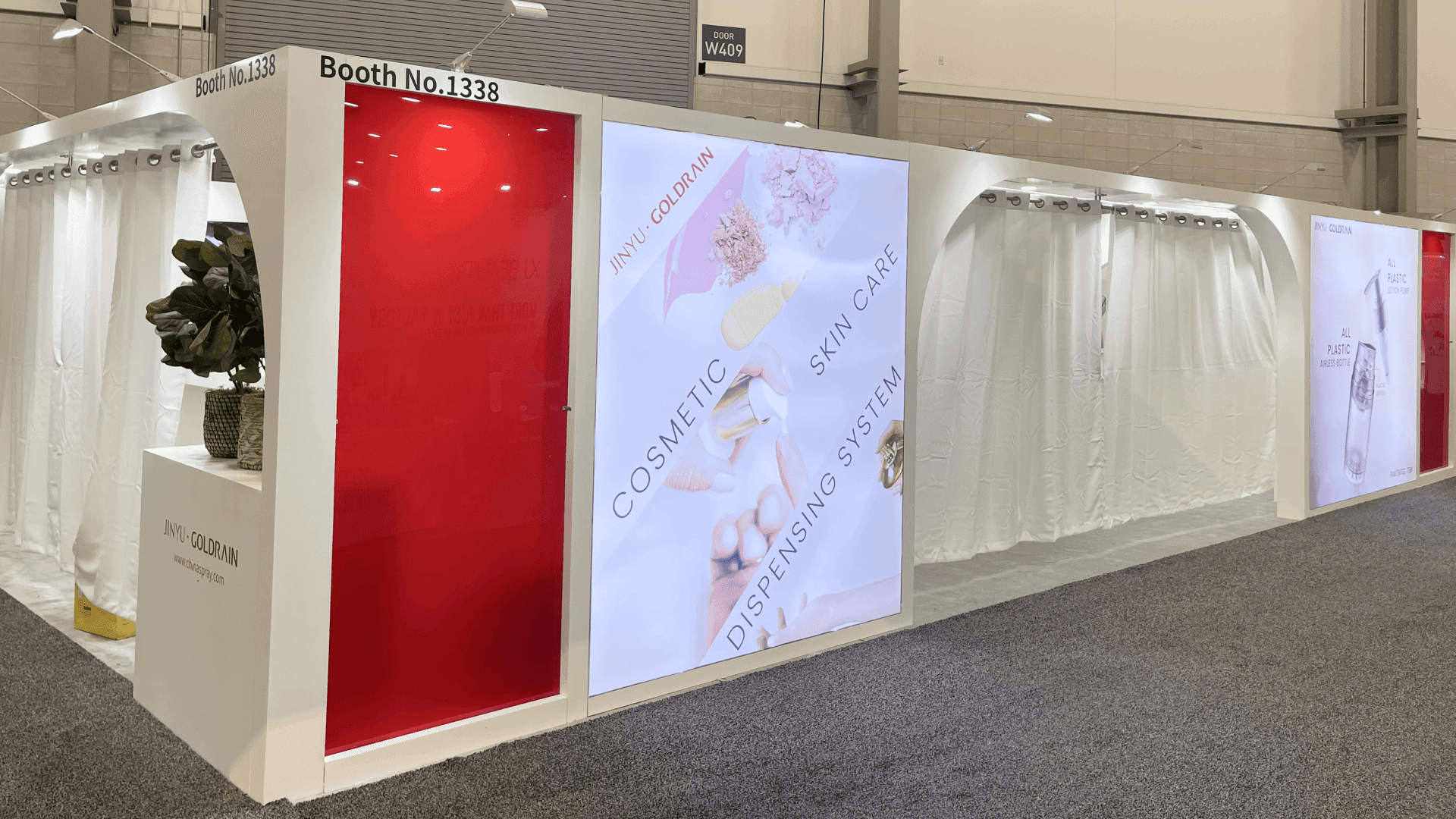
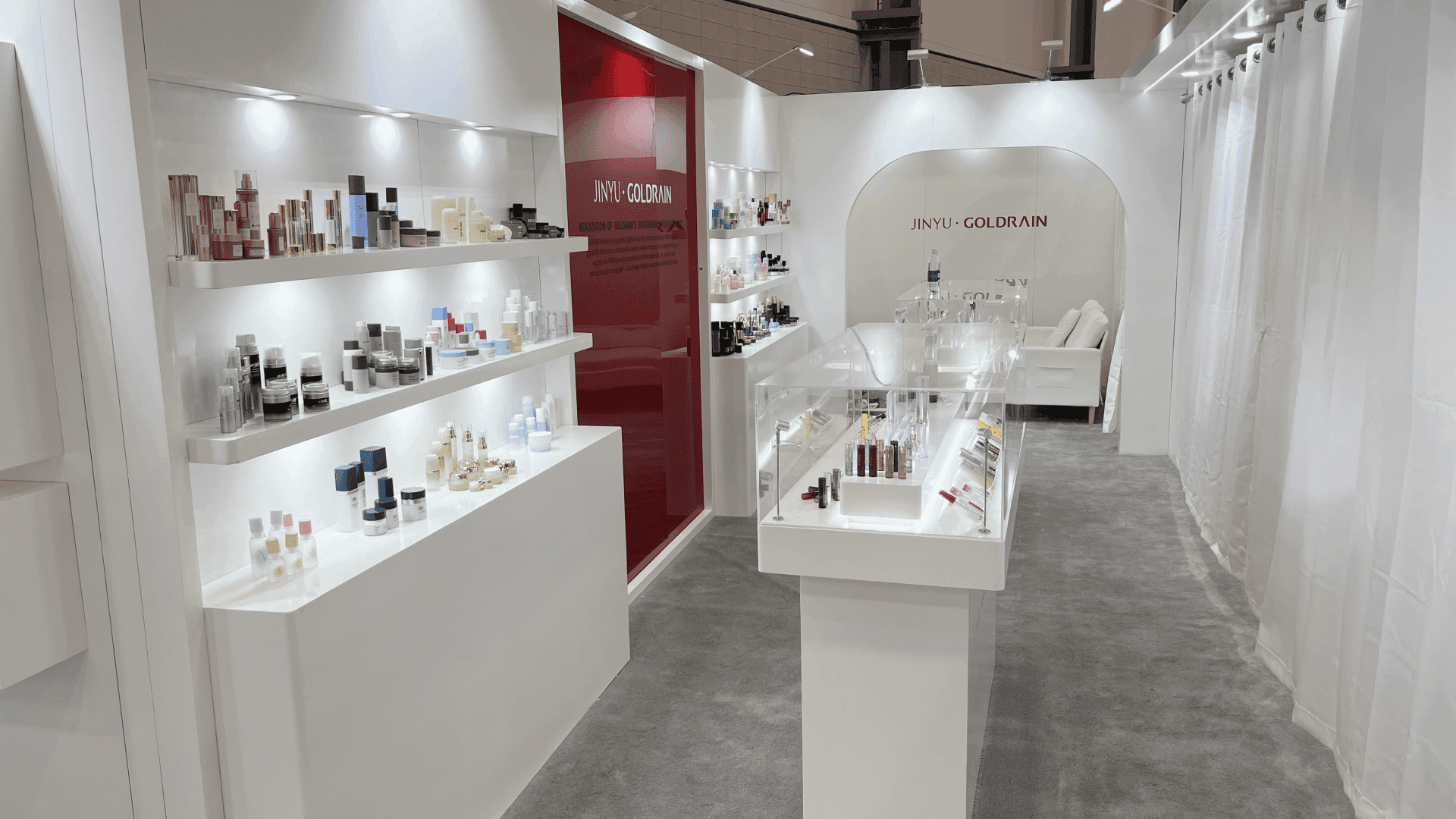


How should an apparel sample booth work at ASI Show Orlando?
Let distributors browse garments on the rail, remove a relevant sample, examine the fabric and construction, compare the finished decoration, and return it to the correct labeled position. Rack spacing, flat review surfaces, product labels, staff access, and nearby sample storage must keep that sequence usable when more than one buyer is handling merchandise.
An apparel sample may earn attention on the rail, but useful comparison often starts once the garment comes off the hanger. Buyers may need to feel the fabric, unfold the garment, inspect its construction, compare the relevant decoration sample, and return it to the correct labeled position.
Rack frontage and handling clearance—not total SKU count—should determine the footprint. A focused 10x20 works for an edited assortment and one review surface. A 20x20 separates rail browsing from hands-on comparison, while a 20x30 supports multiple collections or two buyers handling samples at the same time. If the broader product mix, meeting area, or booth format is still undecided, ASI Show Orlando booth planning provides the framework for setting the overall footprint before the apparel workflow is finalized.
For installation at Orange County Convention Center, assemble and align the rails before loading samples. Complete the final check with real garments because empty fixtures do not reveal removal clearance, label alignment, or conflicts in the return path.
Why Exhibitors Choose Circle Exhibit
Clear scope, transparent quote review, nationwide booth support, and efficient setup planning for qualified rental and custom exhibit projects.
48hr
Setup Window
10+
Years Since 2014
U.S.
Trade Show Support
Real
Booth Project Proof
The useful footprint preserves rack frontage, removal clearance, a flat review surface, staff access, and labeled return points at the same time.
Use a 10x20 booth for a disciplined sample range with one clear route from the rail to a compact comparison table.
Move to a 20x30 booth when more than one collection or two active comparison paths need staff access behind them.
A 20x20 booth gives hanging display and hands-on review their own working space while keeping the product relationship visible.
Add space or reduce the assortment when garment removal blocks circulation, buyers compete for the same table, or staff cannot return samples cleanly.
A counter can perform both jobs only when staff can welcome visitors while a buyer removes, opens, and compares a garment without blocking the front edge or exposing stored materials. The decision depends on usable surface depth, the distance from the rail to the counter, handling clearance, and whether the sample can be returned without disrupting the next conversation.
Before adding another table, review the practical test for using a counter as an apparel sample table. It identifies when the shared surface is workable and when a dedicated apparel review point is the safer layout choice.
Buyers should be able to keep the garment, material characteristics, and finished decoration connected throughout the comparison.
Hanging samples need enough spacing for a buyer to isolate and remove one garment without shifting the entire rail.
Provide a clean surface for unfolding garments, feeling materials, inspecting construction, and comparing decorated areas.
Finished decoration and product information should remain physically or visually connected to the samples they explain.
Clear garment positions and nearby reserve stock help staff restore the display without searching through unrelated samples.
A planning focus for suppliers presenting garments, textiles, or decorated wearables within the broader ASI Show Orlando floor.
Education is January 5; exhibits run January 6–7 at OCCC South Building Hall A in Orlando.
Distributors may remove a garment, inspect its material and construction, compare decoration, and return it to the rail.
Not Sure Which Booth Size You Need?
Not every exhibitor knows whether a 10x20, 20x20, 20x30, or larger booth is the right fit. Circle Exhibit can help review your event goals, product display needs, demo areas, meeting space, storage, budget scope, and setup timeline before you choose a booth size.
Garments Cannot Be Removed Cleanly
Flat Review Has Nowhere to Happen
1
Edit the Assortment Before Drawing the Layout
2
3
4
Rental Fixtures for a Changing Assortment
An Orlando rental booth works well when garment count, product categories, or footprint may change. Configure the rails and tables around the actual sample mix.
Custom Fixtures for Repeated Comparison
Custom fixtures are worth considering when integrated rails, material displays, labels, or decoration samples will be reused. Design engineering should test their reach, clearance, and load first.
Modular Frame, Consistent Buyer Path
A modular structure can change size while reusable sample fixtures preserve the same browse, review, compare, and return sequence.
Level and secure the fixtures first so garment weight does not alter spacing, sightlines, or aisle clearance later.
Arrange garments, labels, comparison surfaces, and decoration examples in the same order buyers will encounter them.
Reserve samples should be easy for staff to retrieve but outside the browsing and garment-return path.
Handle representative garments after installation to confirm clearance, label alignment, hanger position, and staff access.
Rental Booth Options for Apparel Sample Displays
A rental structure can support a changing apparel assortment without reducing the booth to a standard rack layout. Plan rail spacing, hands-on review surfaces, decoration evidence, labeled return points, and reserve storage around the garments buyers will handle.
How many apparel samples should be displayed?
Show enough garments to explain the main range and its important differences. Keep additional colors, sizes, and secondary styles in reserve.
When is a 10x20 apparel booth too small?
Why does an apparel booth need a flat review surface?
How should decoration samples be connected to garments?
What should be checked after apparel samples are installed?
READY TO PLAN YOUR NEXT BOOTH?
Let’s Build a Booth That Fits Your Event
Share your event name, booth size, city, timeline, product display needs, and design references. Circle Exhibit will review your project direction and help you choose a rental-friendly or custom exhibit path.
3000+
Booth Projects Supported
50+
U.S. Event Cities
Transparent
Quote Review
Explore flexible rental structures for accessible rails, review tables, storage, and changing apparel assortments.
Organize collection names, fabric information, decoration details, and labels without turning the display into a wall of text.
Test rail stability, garment clearance, table position, storage access, and fixture relationships before shipping.
Protect reusable rails, tables, graphic components, and display hardware between shows.
Coordinate fixture placement, sample loading, final alignment, and dismantle without damaging reusable display components.