The Inspired Home Show Booth Planning for Housewares Exhibitors
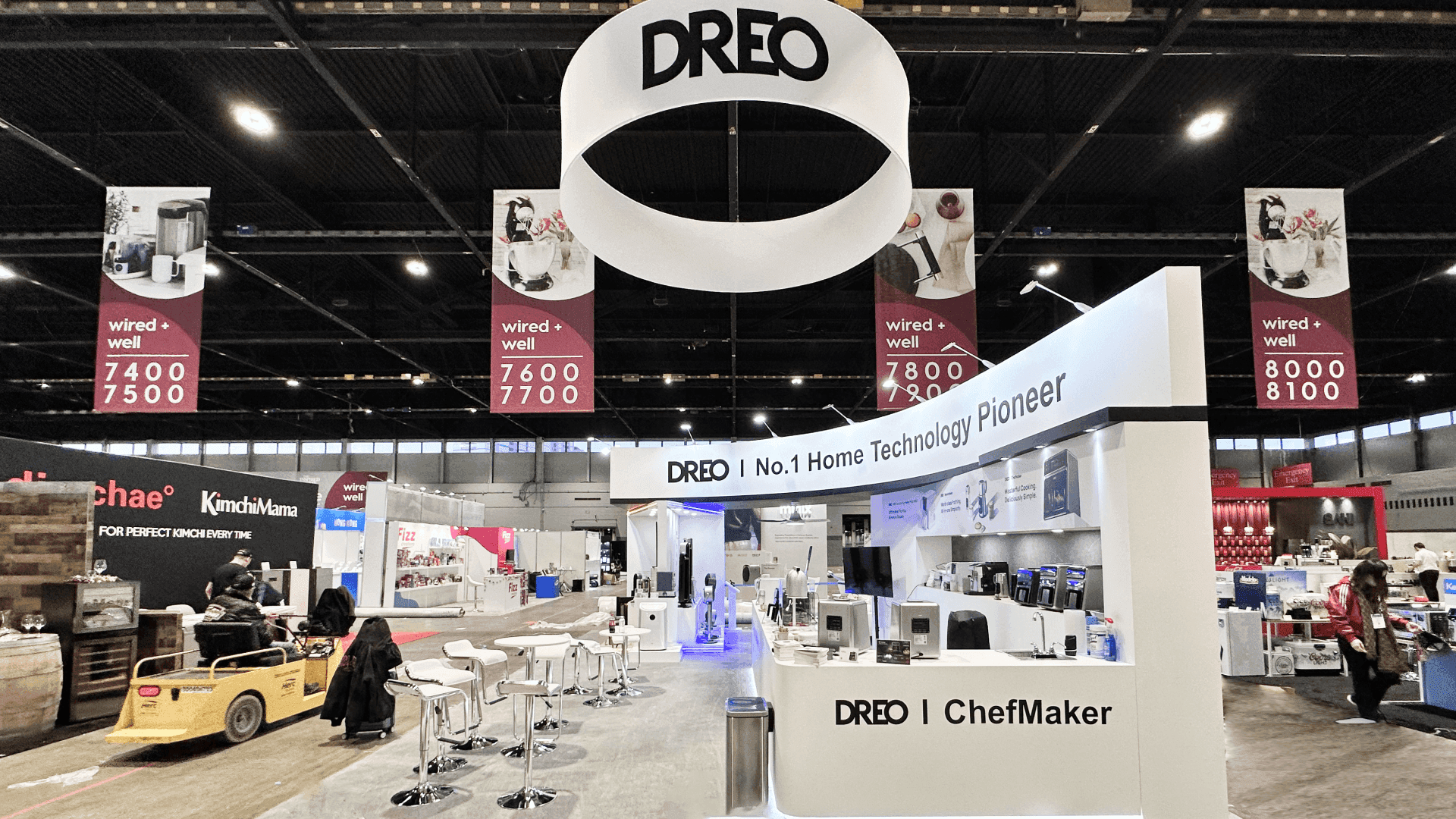
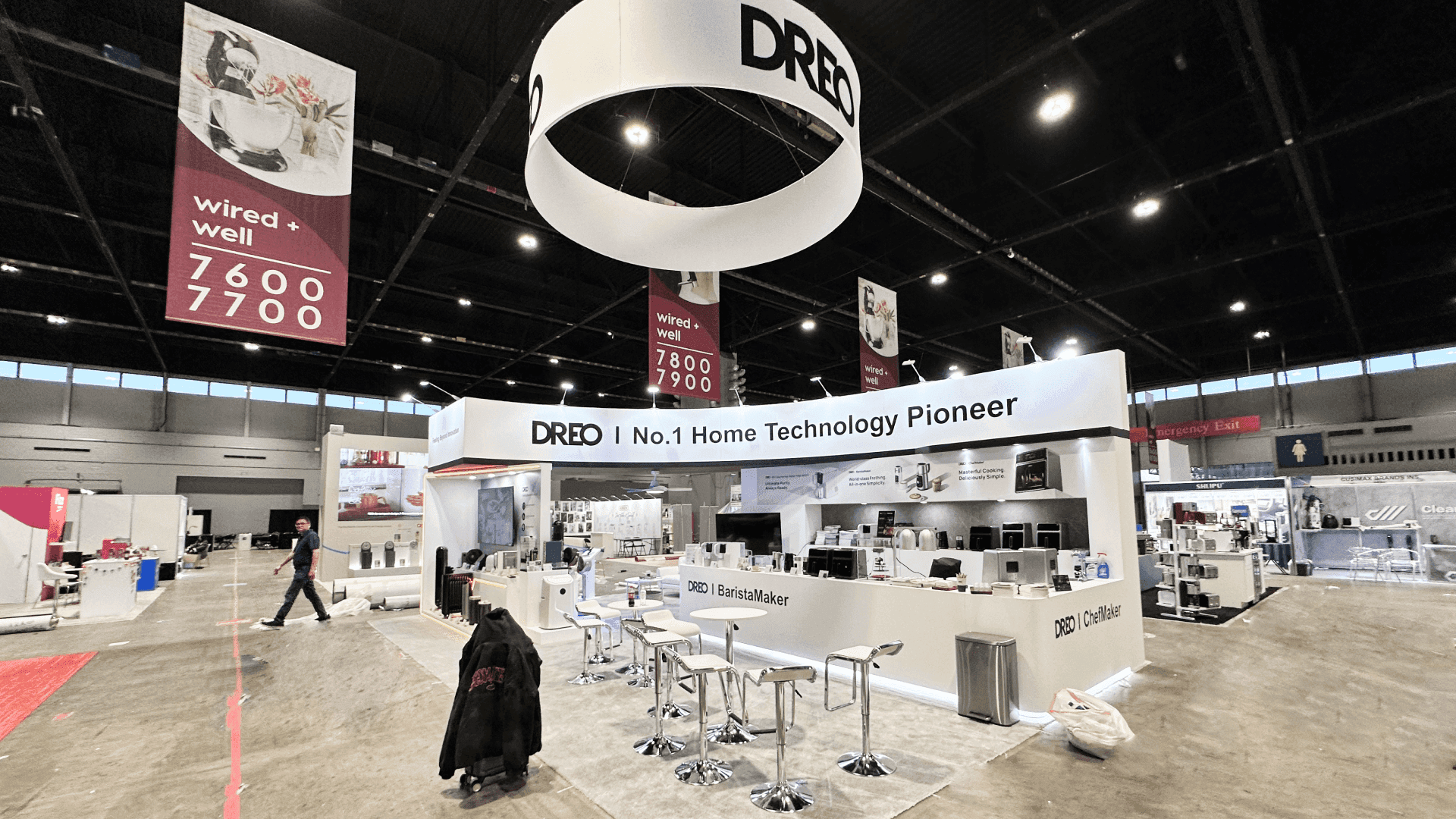
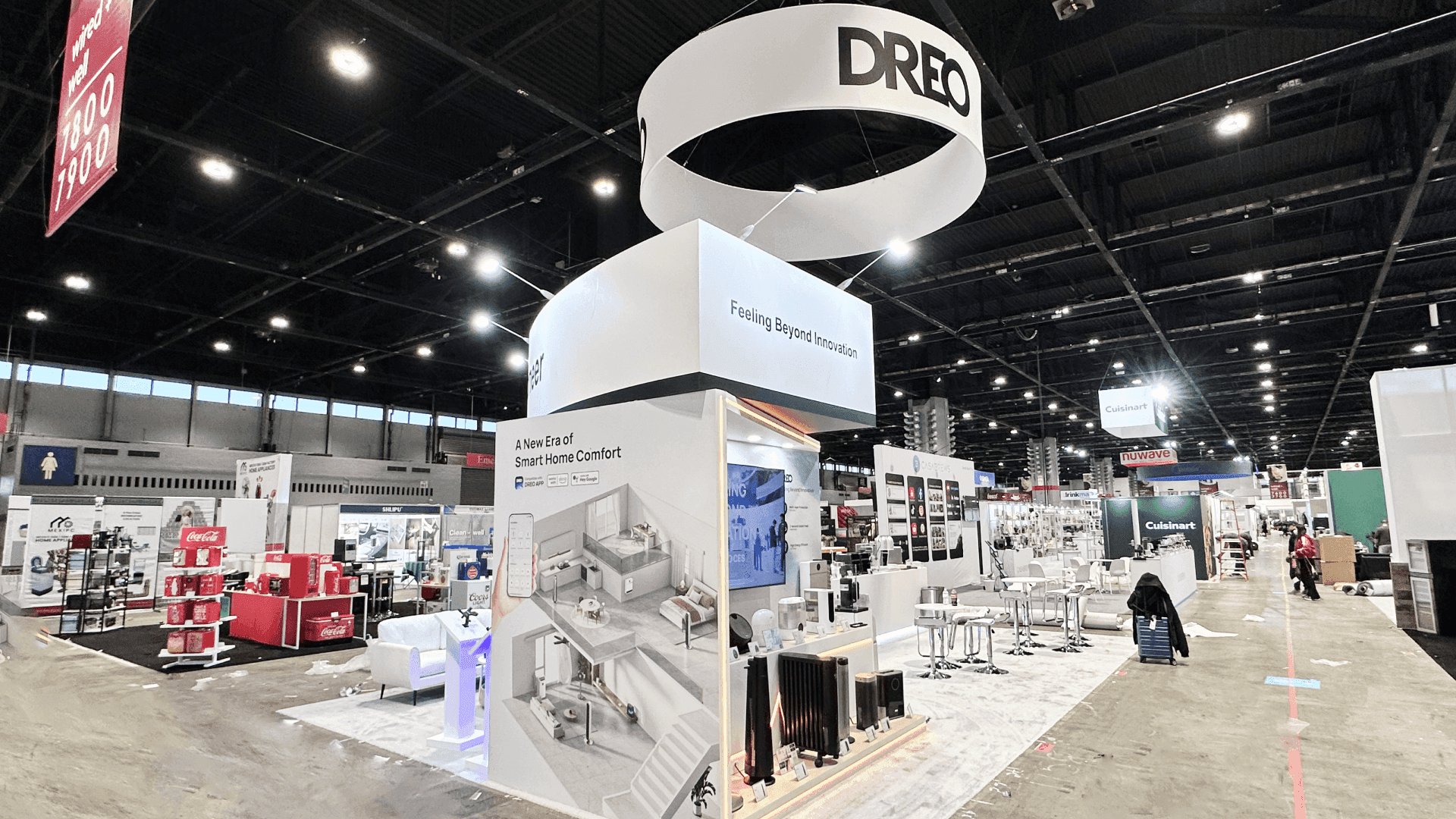

How Should Exhibitors Plan a Booth for The Inspired Home Show?
The booth should make it easy for a retail buyer to understand the product range, spot what is new, handle or compare relevant products and continue into a useful business conversation. Product hierarchy matters more than simply displaying more SKUs, while demo access, conversation space and hidden replenishment support should follow the same buyer path.
The Inspired Home Show brings retail buyers together with home + housewares brands and manufacturers across a wide range of product categories. For exhibitors, the main planning challenge is not how many products can fit inside the booth. It is how quickly a buyer can understand the range, identify what matters and decide what deserves a closer look.
That usually means editing the assortment before designing the display. Product presentation, visitor flow and the physical exhibit should work as one system, with the buyer moving from category recognition → priority product → hands-on evaluation or comparison → conversation. Exhibitors developing a broader custom environment can start with trade show exhibit design and build, then narrow the plan around show-specific product and space requirements. As the product range grows, display, interaction, conversations and hidden storage may begin competing for the same floor area; in that case, a 20x20 booth layout can provide useful separation without adding unnecessary space.
The 2027 Show also introduces a distinctly different sourcing mission in North Hall. International manufacturers preparing for sourcing-driven visitors should continue with Global Marketplace sourcing booth planning, where the focus shifts from broad retail discovery to product-range evaluation and deeper supplier conversations.
Why Exhibitors Choose Circle Exhibit
Clear scope, transparent quote review, nationwide booth support, and efficient setup planning for qualified rental and custom exhibit projects.
48hr
Setup Window
10+
Years Since 2014
U.S.
Trade Show Support
Real
Booth Project Proof
The right size depends on how much product genuinely needs to remain visible and how many activities need to happen without interfering with one another.
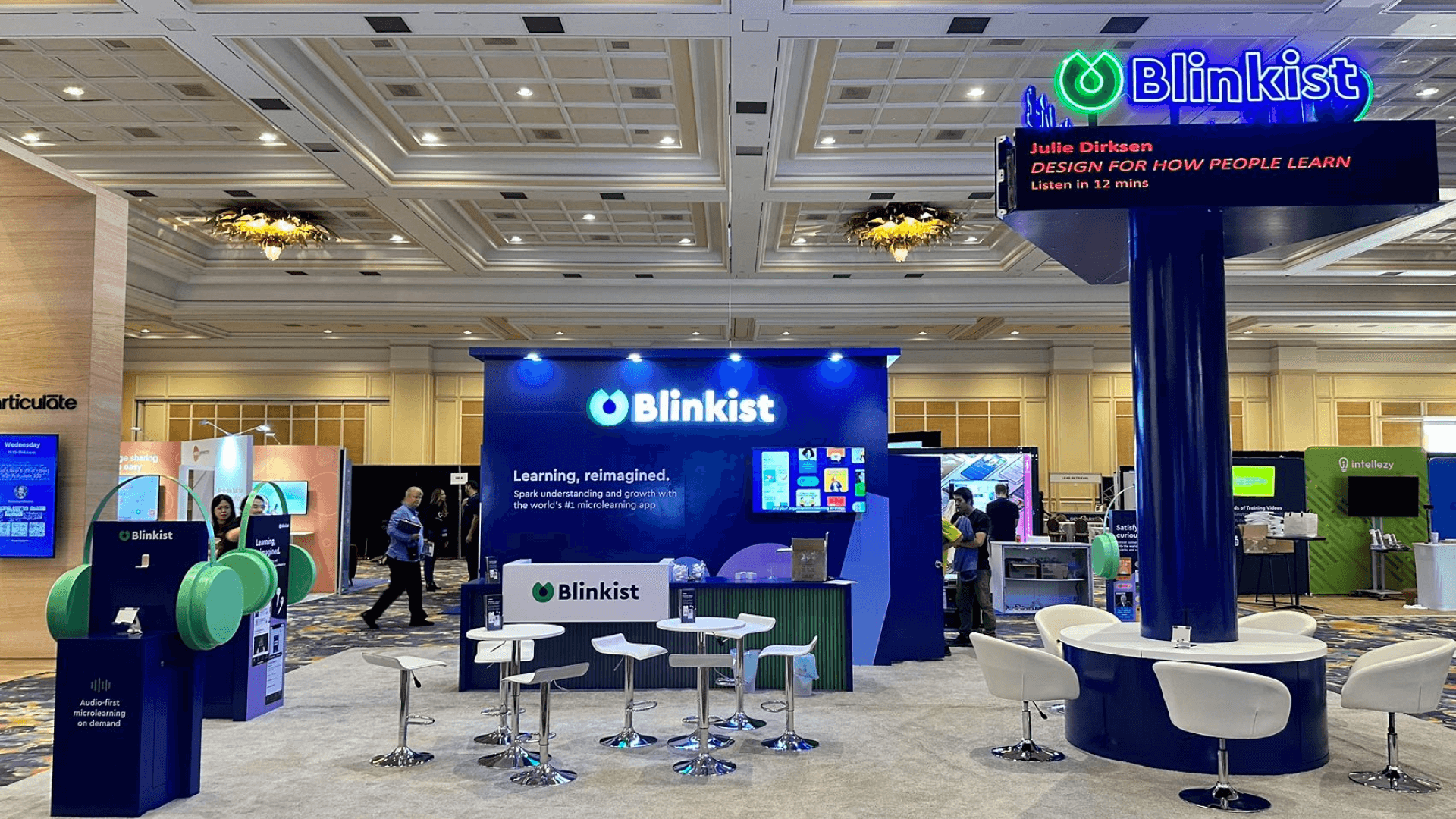
A focused product range can work well in a 10x20 booth when the layout separates the main display from a compact conversation point rather than filling the additional space with more product.
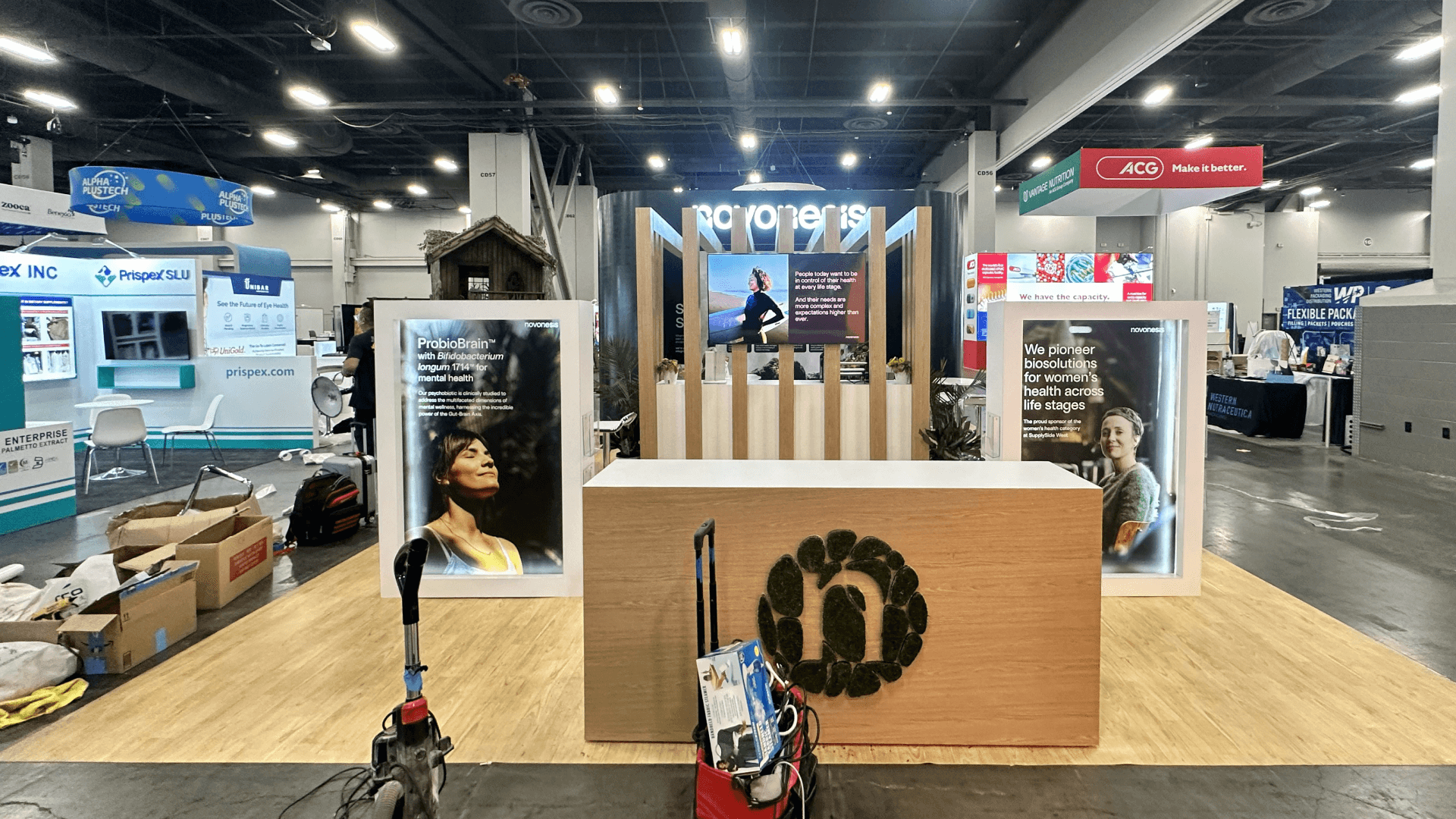
A 20x30 booth layout makes more sense when hero products, broader assortment, interaction and longer conversations each need their own functional space.
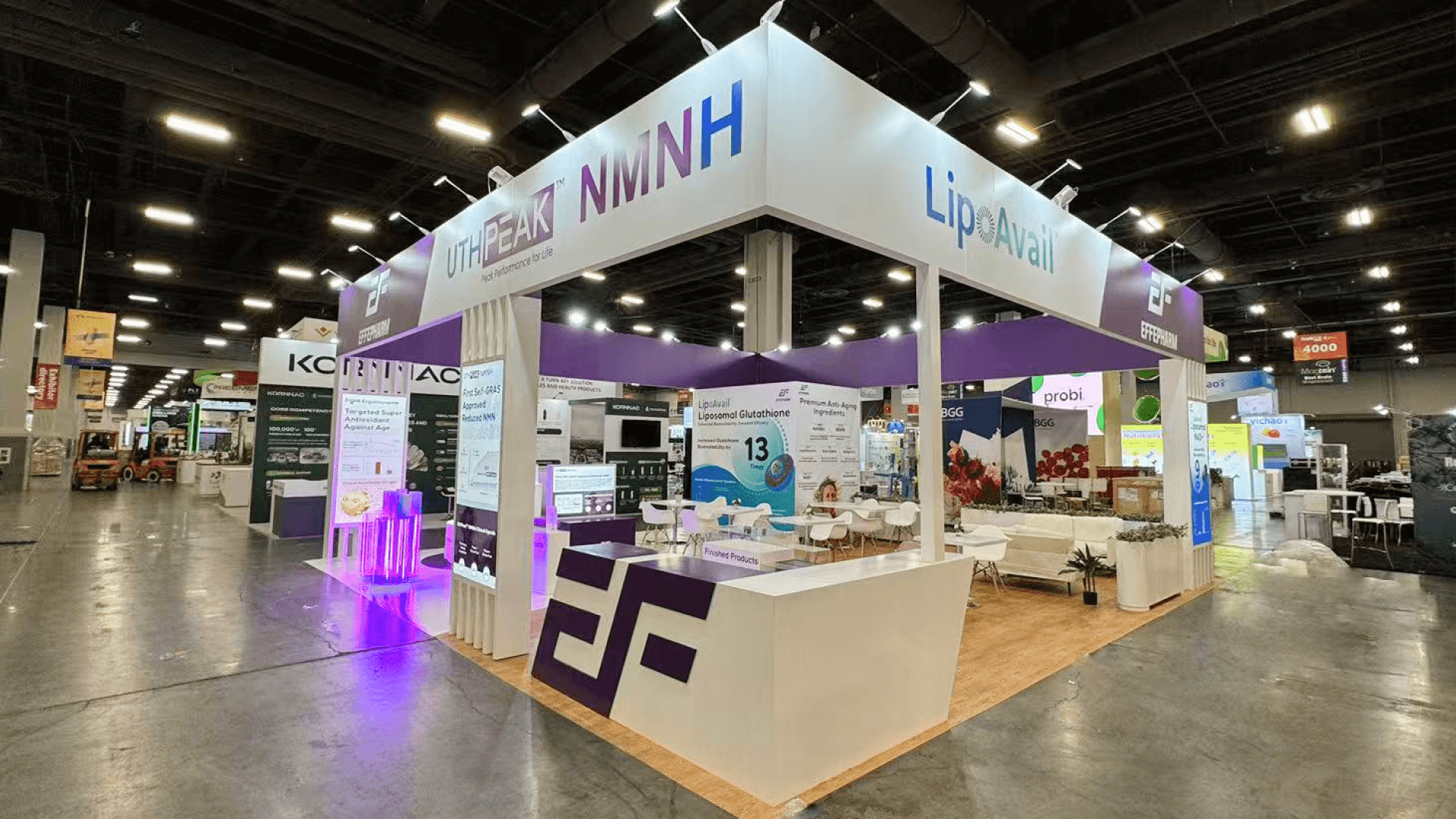
When several product groups need to stay visible while hands-on evaluation or buyer conversations happen nearby, the extra separation of a 20x20 booth layout becomes useful.
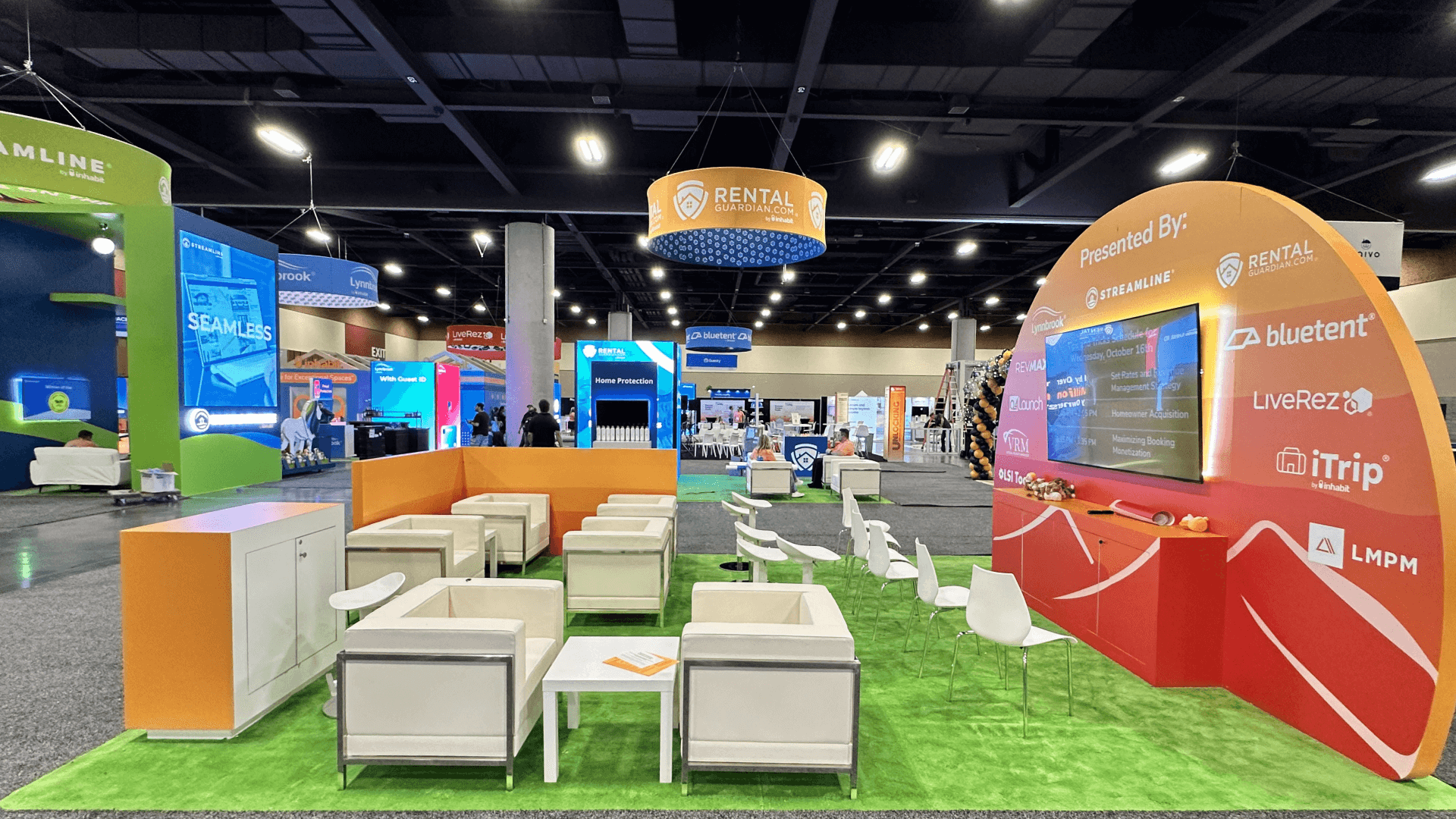
Larger footprints become valuable when several collections or buyer activities genuinely need to operate at once. More square footage should create clearer decisions and movement—not simply more display density.
A product featured in the New Product Showcase may already have buyer attention before visitors reach the booth. The next challenge is making that product easy to find again, giving buyers a better way to inspect or compare it, and showing how it fits within the wider line. That is where planning the booth around a New Product Showcase product becomes important.
Booth space should be decided with the same level of intent. Product display, buyer interaction, storage, and simultaneous activity all affect how much room is actually needed, while the final configuration may differ from the first choice. A clear The Inspired Home Show booth space request should therefore define the minimum workable footprint, preferred configuration, and a practical fallback.
The display should help buyers understand the range, identify priority products, evaluate what matters, and continue into a useful conversation without turning the booth into physical inventory.
The overall presentation should make the product range understandable before the buyer reaches individual items.
New, strategic or hero products need a stronger position than supporting SKUs instead of relying on buyers to find them inside the assortment.
Where touching, testing or comparison matters, buyers need enough space to interact with the product without blocking surrounding traffic.
Short buyer discussions should happen near the relevant products, while backup inventory and replenishment remain behind the presentation layer.
Retail buyers come to The Inspired Home Show to discover products, meet suppliers and explore new opportunities across the home + housewares market.
The Inspired Home Show 2027 takes place at McCormick Place in Chicago.
The 2027 floor brings core home + housewares categories together in South Hall while North Hall becomes the Global Marketplace for global manufacturing and sourcing.
Not Sure Which Booth Size You Need?
Not every exhibitor knows whether a 10x20, 20x20, 20x30, or larger booth is the right fit. Circle Exhibit can help review your event goals, product display needs, demo areas, meeting space, storage, budget scope, and setup timeline before you choose a booth size.
New Products Need a Reason to Stop
Hands-On Products Need Breathing Room
1
Decide What the Buyer Should Understand First
2
3
4
Rental When the Structure Is Stable but the Assortment Changes
Rental works well when walls, shelves, counters and storage can remain relatively consistent while products and graphics change between shows. For brands following this model, Chicago trade show booth rental can provide the reusable structural layer while the merchandise changes around it.
Custom When the Product Defines the Architecture
When product dimensions, integrated appliances, specialized fixtures or demonstrations determine how the structure itself must work, custom trade show exhibits in Chicago may be more appropriate than adapting a standard rental environment.
Hybrid When the Product Line Changes Faster Than the Booth
A reusable structural base with adaptable product fixtures and replaceable graphics can preserve the core exhibit while allowing the assortment to change from show to show.
Current-year shipping, service, contractor and deadline information should be confirmed before the booth production and move-in plan is locked.
Powered products, screens and demonstration equipment should have utility access resolved before surrounding counters, shelves and product walls become fixed.
Structure and fixtures should be ready before the final product range is unpacked and merchandised. Freight and packing order should support that sequence.
The final check should cover product position, labels, lighting, demo condition, storage access and visible packaging—not only whether the booth structure is complete.
Product-Focused Booth Rental for The Inspired Home Show
A rental exhibit works well when the booth structure can stay consistent while product assortments, graphics, or display priorities change. The layout should still support clear product hierarchy, buyer interaction, hidden storage, and a smooth path from product discovery to conversation.
What should exhibitors prioritize first?
Start with what the buyer needs to understand about the product range. Fixtures, graphics and booth size should support that hierarchy rather than compete with it.
How much of the product line should be displayed?
When does a larger booth become useful?
Do product demos need a separate zone?
What should exhibitors confirm before move-in?
READY TO PLAN YOUR NEXT BOOTH?
Let’s Build a Booth That Fits Your Event
Share your event name, booth size, city, timeline, product display needs, and design references. Circle Exhibit will review your project direction and help you choose a rental-friendly or custom exhibit path.
3000+
Booth Projects Supported
50+
U.S. Event Cities
Transparent
Quote Review
When custom fixtures, exhibit structure and McCormick Place installation need to work together, continue with Chicago booth fabrication and show-site planning.
For brands that need a reusable branded structure around changing products and graphics, compare Chicago trade show booth rental options.
Use booth design and engineering support when shelving, fixture loads, utilities or visitor flow need to be resolved before fabrication.
Use logistics and pre-show coordination when booth materials, product samples, freight and installation sequencing need to be planned together.
Use on-site installation and dismantle support when the final structure, fixtures and show-site handoff need coordinated execution.