What Market Connect Handles — and What the Booth Still Owns
HLTH Market Connect is built around pre-scheduled, 15-minute, double-opt-in meetings between qualified senior buyers and solution providers. It gives both sides a defined reason and time to move into a more specific business, evaluation, or implementation discussion.
The booth has a different job. It still needs to catch relevant interest from the aisle, explain the product or workflow quickly, support a short demonstration, and help staff recognize when a visitor is ready to go deeper.
The distinction is useful:
Market Connect → scheduled deeper meeting
Booth → discovery → demo → qualification → handoff
The point is not to move every valuable conversation away from the booth. It is to stop asking one space to do every job.
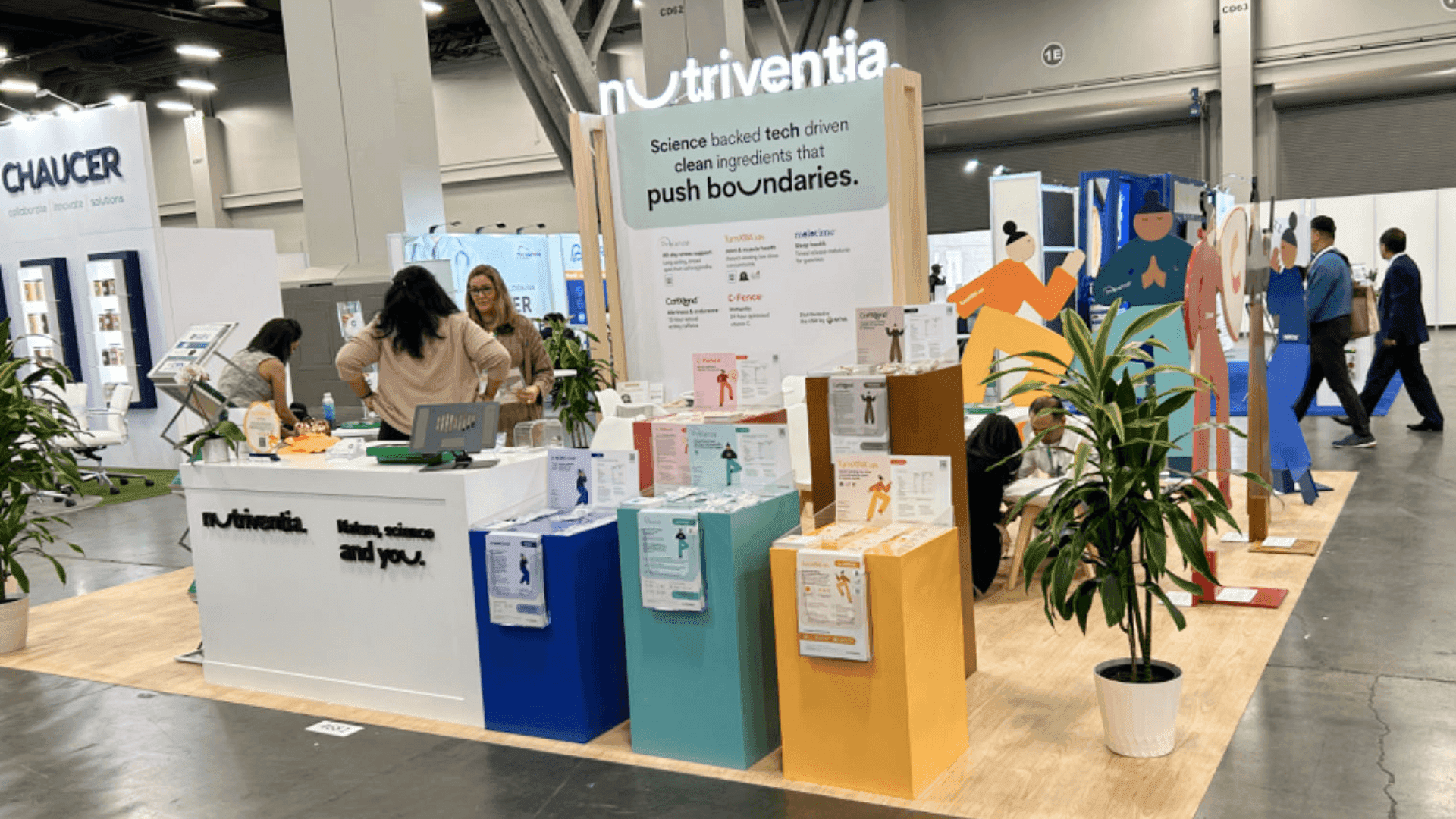
A clear handoff point helps move qualified visitors from a short booth demo into the right sales, technical, or implementation discussion.
Build the Booth Around the First Few Minutes
Not every visitor who stops needs the same presentation. The first few minutes only need to establish whether there is enough relevance to continue.
A clear first read gives the visitor a reason to stop. One useful question can then reveal what they are actually trying to solve. From there, a short demo should prove one relevant point rather than explain the entire platform, workflow, or product story.
More complex issues—implementation, technical fit, procurement, or deployment—can wait until the visitor has shown a reason to go deeper.
A useful sequence is:
first read → first question → short demo → qualification
The longer discussion comes only when the visitor gives the team a reason to continue.
Know When the Demo Has Done Its Job
End the Demo Before It Becomes a Full Sales Conversation
A booth demo should prove one useful point. Once a workflow step, result, or capability is clear enough for the visitor to judge its relevance, the demonstration has done its job.
Without that stopping point, one conversation can easily turn into a full presentation and block the next visitor from seeing the product.
Listen for Questions That Signal Deeper Interest
A qualification signal is the point where the visitor moves beyond “what does it do?” and starts asking about integration, implementation, technical fit, deployment, evaluation, purchasing, or partnership.
That shift is especially relevant for exhibitors planning a live AI demo in the HLTH AI Zone. A visitor may understand the basic workflow quickly, then move almost immediately into questions about how the technology would fit within an existing clinical or operational environment.
Those questions are often a better signal for a deeper conversation than the amount of time someone has spent watching the demo.
Know Who Takes Over Next
The demonstrator does not always need to continue the discussion.
A handoff is simply the point where the visitor moves to the person best equipped for the next question—sales, technical, account, or executive staff.
Once those transition points are understood, they can shape how the booth is laid out and engineered, including where the demo ends and where a longer discussion can continue without holding up the next visitor.
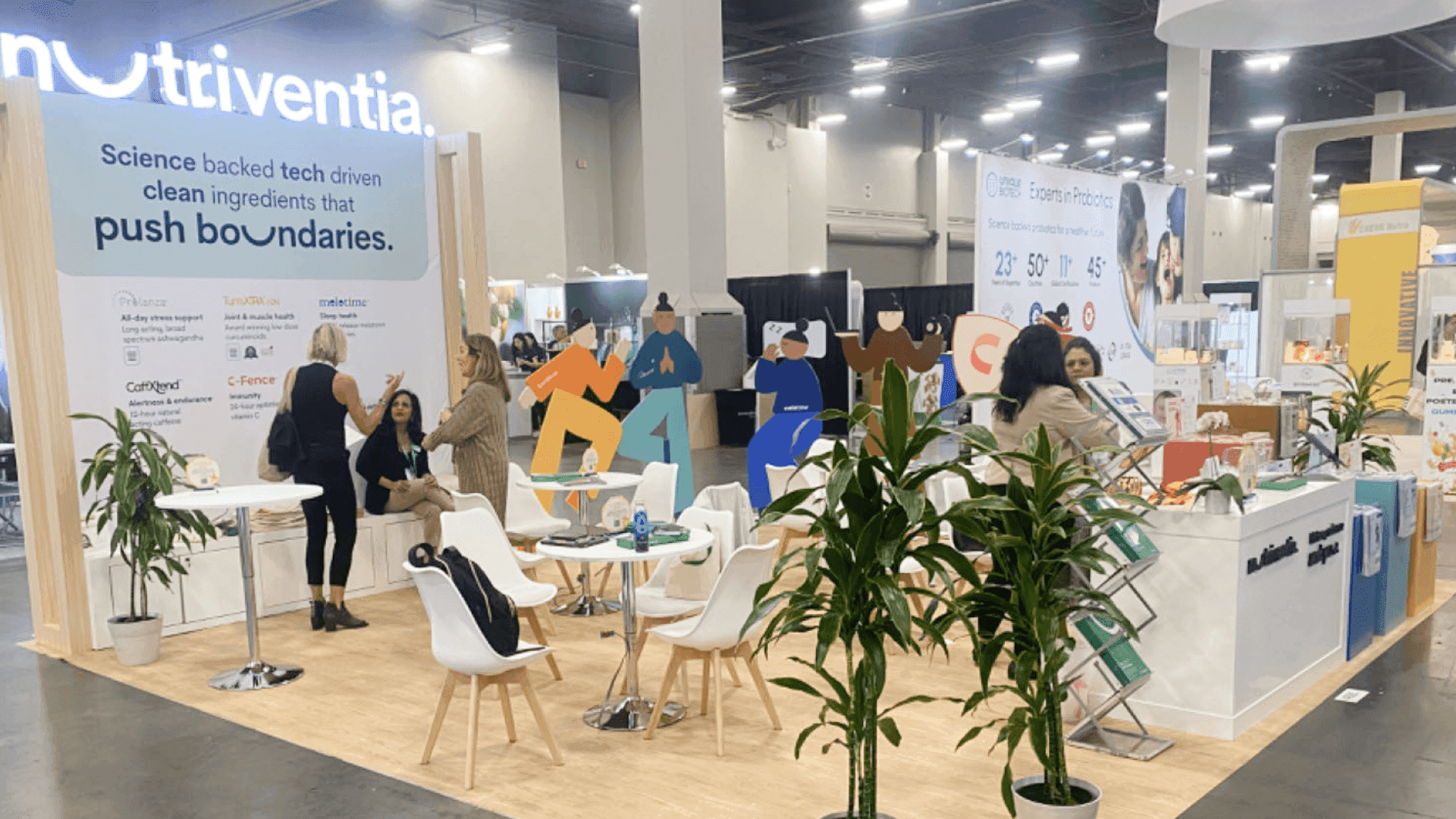
Meeting space at HLTH should match the conversations that still need to happen in the booth, while preserving room for demos, qualification, and visitor flow.
Keep Only the Meeting Space the Booth Still Needs
Market Connect reduces the need to treat every serious conversation as an in-booth meeting.
Some visitors may only need a standing follow-up after the demo. Others may benefit from a small conversation area where staff can clarify technical fit or next steps.
Longer in-booth discussions make sense when the team still expects a meaningful number of unscheduled conversations that cannot be handled through Market Connect or a short follow-up.
The presence of senior buyers at HLTH alone is not a reason to dedicate a large share of the booth to seating. In a 20x20 booth, for example, keeping enough room for demonstrations and active conversations may be more useful than building a larger meeting area that the interaction plan does not require.
Where the Booth-and-Meeting Plan Usually Breaks Down
Turning the booth into a second meeting room takes space away from discovery and demonstrations.
Letting one conversation occupy the demo makes it harder for the next visitor to experience the product.
Planning Market Connect and booth staffing separately can leave the show floor without the right person to demonstrate, qualify, or answer technical questions.
Ending a demo without a next owner leaves interested visitors in an unnecessary gap. Once stronger interest is clear, the next person and next step should already be understood.
Decide the Interaction Plan Before Finalizing the Layout
Before the layout is locked, the team should be able to answer a few practical questions:
What does the booth need to accomplish before a deeper meeting begins?
What should the first interaction establish?
What should the short demo prove?
What tells the team that a visitor is ready to go deeper?
Who owns the conversation after that point?
How much follow-up space is actually needed?
Which scheduled conversations are already handled through Market Connect?
If those answers are clear, the physical booth can follow the interaction plan rather than forcing the interaction to fit a layout that was designed first.
Give the Booth a Different Job
Market Connect does not make the booth less important. It makes the booth’s job more specific.
The strongest show-floor role is often to create a useful first interaction, prove enough of the product or workflow to establish relevance, and move the right visitor toward the right next conversation. Market Connect can then complement that process rather than compete with it.
Frequently Asked Questions
Does Market Connect replace booth meetings at HLTH?
No. Market Connect handles part of the scheduled buyer-meeting process, while the booth still supports discovery, demonstrations, qualification, and unscheduled follow-up.
How much meeting space does a HLTH booth still need?
It depends on the conversations that remain on the show floor. Some booths only need standing follow-up space; others benefit from a small conversation zone for deeper unscheduled discussions.
When should a product demo move into a deeper conversation?
Usually when the visitor begins asking about integration, implementation, technical fit, deployment, evaluation, or purchasing rather than basic product features.
How should booth staffing account for Market Connect meetings?
Market Connect schedules and booth coverage should be planned together so demos, qualification, technical questions, and visitor handoffs still have clear owners while other team members are in scheduled meetings.