SLAS Robotics and Liquid Handling Booth Planning


What Should Exhibitors Plan for a SLAS Robotics and Liquid Handling Booth?
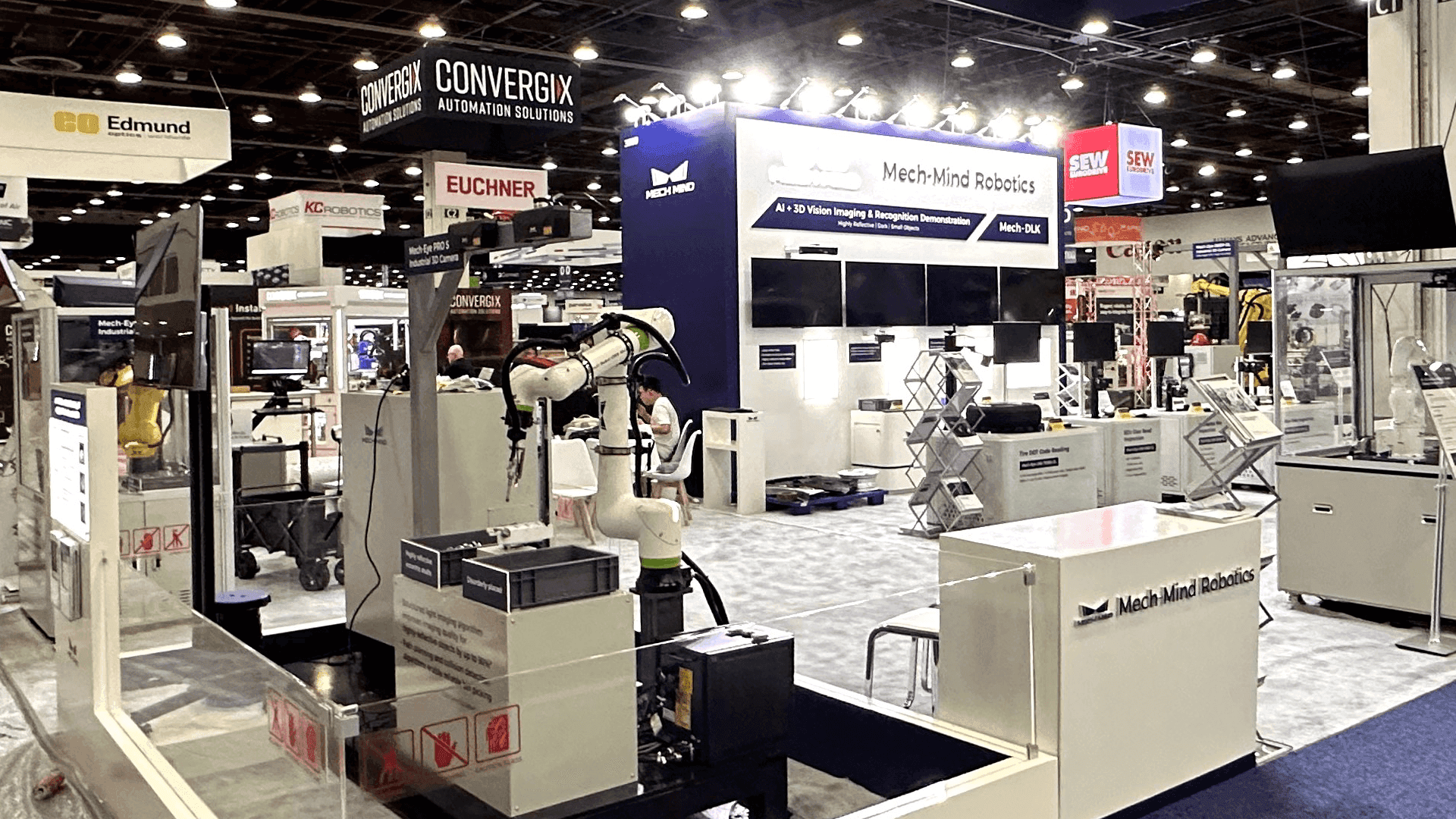
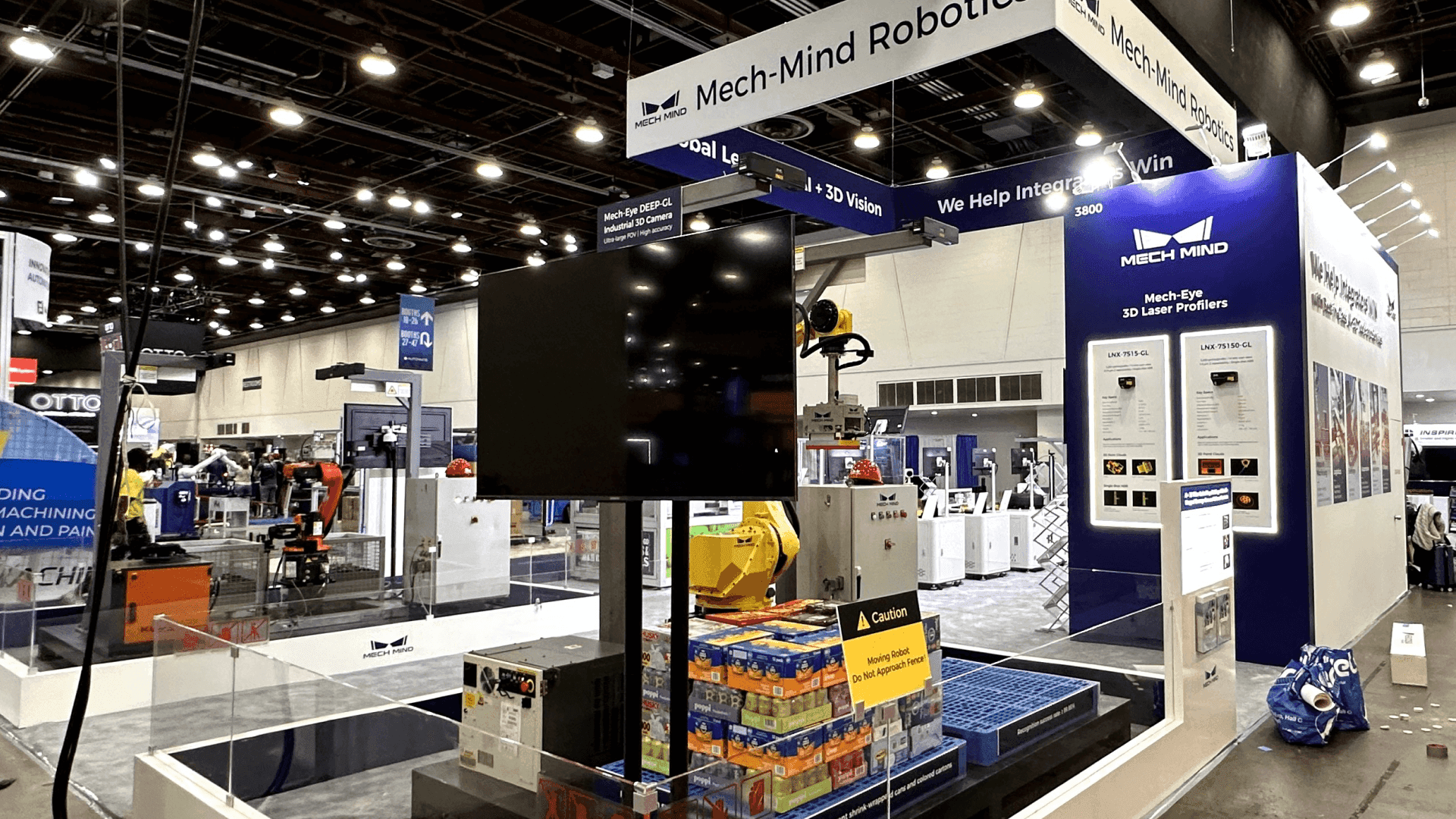
A SLAS robotics and liquid handling booth should be planned around the equipment’s true working footprint—not just its listed dimensions. Loading points, operator access, robotic movement, visitor viewing, consumable storage, utilities, and result screens all need clear space. The layout should help visitors follow the automation workflow without entering the equipment’s operating area.
Robotics and liquid handling exhibitors often need to operate working systems on the show floor. A typical setup may combine an automated liquid handler, robotic transfer, sample preparation, labware, control software, and a visible result. The layout should protect the working side of the equipment while giving visitors a clear view of the automation workflow.
These equipment decisions sit within the broader SLAS International Conference booth planning requirements. When the priority is a newly launched system, SLAS New Product Showcase planning shifts the focus toward product messaging, proof of concept, visible evidence, and technical follow-up rather than the full connected workflow.
Equipment delivery, power, network access, cable paths, storage, and system testing should be resolved before production. These requirements also shape San Diego trade show booth rental planning, while a 20x20 booth layout can separate equipment operation, visitor viewing, storage, and technical discussions within one island footprint.
Why Exhibitors Choose Circle Exhibit
Clear scope, transparent quote review, nationwide booth support, and efficient setup planning for qualified rental and custom exhibit projects.
48hr
Setup Window
10+
Years Since 2014
U.S.
Trade Show Support
Real
Booth Project Proof
The right footprint depends on the workstation size, the number of connected systems, and whether visitors watch from the aisle or enter the exhibit.
A 10x20 booth layout can support one compact liquid handler or sample preparation station with operating access, a result screen, nearby storage, and a small discussion point.
A 20x30 booth layout works well for connected robotics, liquid handling, sample preparation, software results, larger storage, and a separate meeting area.
A 20x20 booth provides room for equipment operation, visitor viewing, workflow graphics, result screens, concealed storage, and technical conversations.
A 30x40 booth can accommodate several systems, wider service access, multiple viewing positions, overhead identification, and private technical meetings.
How to Run a Robotics and Liquid Handling Demo at SLAS explains how equipment operation, staff guidance, visitor viewing, workflow handoffs, and result screens can stay connected throughout a live demonstration.
The booth should let visitors follow the automation workflow without stepping into the equipment’s operating area.
Keep robotic movement, consumable loading, service access, and operator positions clear of the main visitor path.
Use concise labels or workflow graphics to show where samples, plates, or labware move from one system to the next.
Place software status, imaging output, or analytical results beside the related equipment so visitors can connect the action with the outcome.
Keep tips, tubes, plates, spare parts, and cleaning supplies within reach of the workstation but away from open counters and display surfaces.
Exhibitors present robotic workstations, automated liquid handlers, sample preparation systems, labware transfer, and connected laboratory software.
SLAS2027 takes place January 30–February 3 at the San Diego Convention Center, bringing laboratory automation suppliers and technical teams together in one event.
Attendees include scientists, laboratory automation users, engineers, sample managers, system integrators, business leaders, and technology buyers.
Not Sure Which Booth Size You Need?
Not every exhibitor knows whether a 10x20, 20x20, 20x30, or larger booth is the right fit. Circle Exhibit can help review your event goals, product display needs, demo areas, meeting space, storage, budget scope, and setup timeline before you choose a booth size.
Robotic Motion Is Hard to Interpret
Liquid Handling Is Difficult to See
1
Measure the Full Working Footprint
2
3
4
Rental Booth for One Compact Workstation
Suitable when one liquid handler or small robotic system can operate within a flexible structure with a screen, storage, and a discussion area.
Custom Build for an Integrated Automation Cell
Better suited to several connected systems, specialized equipment support, wider service access, controlled viewing positions, and repeated use.
Hybrid Booth for Reusable Structure and Equipment Integration
Combines reusable exhibit architecture with equipment-specific counters, utility planning, workflow graphics, storage, and event-specific elements.
Coordinate freight, labor, and equipment delivery with the assigned move-in window, especially for larger exhibits receiving earlier setup access.
SLAS island booths do not allow raised flooring, so power, network, and equipment cables need clear routes before setup begins.
Position and connect robotic workstations and liquid handling systems before adding counters, graphics, screens, furniture, and loose display materials.
Before opening, test the connected equipment, laboratory software, result screens, utilities, consumable access, and staff presentation.
Plan a Robotics and Liquid Handling Booth in San Diego
Plan operating access, visitor viewing, utility routes, result screens, storage, and technical discussions around the robotic workstation or liquid handling system.
What should a SLAS robotics and liquid handling booth include?
The booth should include the equipment, a clear operating side, visitor viewing, workflow explanation, result display, consumable storage, and room for technical conversations.
What booth size works for robotics and liquid handling equipment?
Should operators and visitors use different sides of the booth?
How can liquid handling actions be made easier to see?
What should be tested before the SLAS exhibition opens?
READY TO PLAN YOUR NEXT BOOTH?
Let’s Build a Booth That Fits Your Event
Share your event name, booth size, city, timeline, product display needs, and design references. Circle Exhibit will review your project direction and help you choose a rental-friendly or custom exhibit path.
3000+
Booth Projects Supported
50+
U.S. Event Cities
Transparent
Quote Review
Coordinate equipment footprints, working access, visitor viewing, screens, storage, and meeting areas before production.
Use workflow diagrams, equipment labels, and result graphics to explain actions that are difficult to see inside the system.
Align equipment freight, delivery order, utility details, samples, AV, and installation timing before move-in.
Sequence booth assembly, equipment placement, connections, screens, testing, and dismantle around the show schedule.
Review a larger footprint for connected workstations, wider visitor circulation, storage, and a separate meeting area.