SLAS International Conference & Exhibition Booth Planning



What Should Exhibitors Plan for a SLAS Exhibit Booth?
A SLAS exhibit booth should help visitors understand complex laboratory technology quickly. Exhibitors may present laboratory automation equipment, robotics, liquid handling systems, detection and imaging instruments, sample management tools, and laboratory software. The layout should connect these elements through clear placement, visible workflow cues, result screens, visitor circulation, storage, utilities, and space for technical discussions.
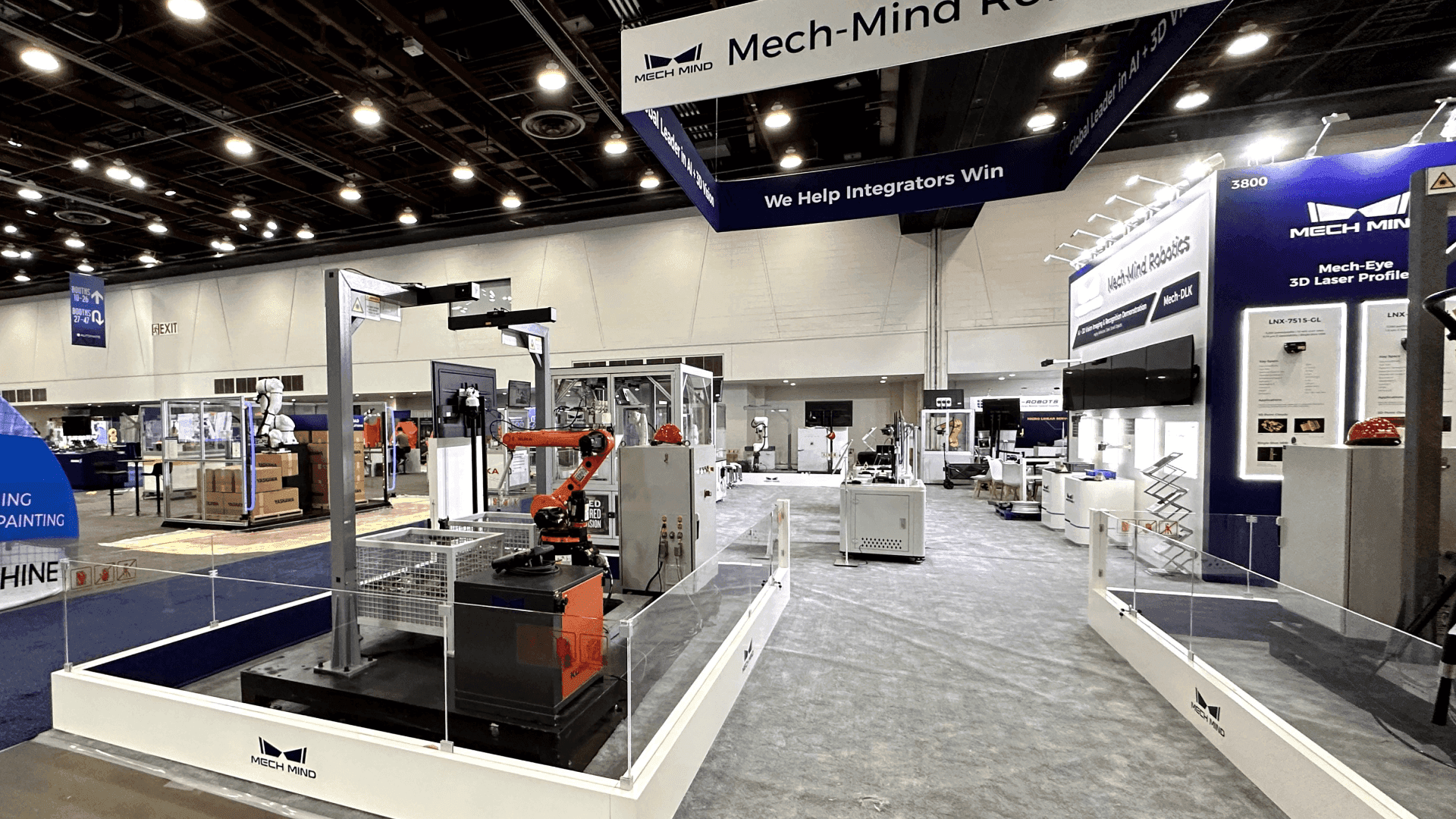
SLAS exhibitors often present laboratory automation equipment that combines robotic workstations, liquid handling systems, sample preparation tools, detection or imaging instruments, sample management technology, and laboratory software. The booth should help visitors understand how these elements work together within a scientific workflow instead of leaving the equipment, screens, and results disconnected.
Teams presenting connected automation systems can continue with SLAS robotics and liquid handling booth planning. Exhibitors introducing recently developed technology can review SLAS New Product Showcase planning for guidance on product messaging, proof of concept, visible results, and follow-up discussions.
Equipment delivery, utility access, installation order, graphics, screens, and final testing should be coordinated before the exhibit opens. Exhibitors still defining the structure and show-site scope can review San Diego trade show booth rental planning, while 20x20 booth planning is relevant when equipment, visitor circulation, storage, and technical meetings need to share one island footprint.
Why Exhibitors Choose Circle Exhibit
Clear scope, transparent quote review, nationwide booth support, and efficient setup planning for qualified rental and custom exhibit projects.
48hr
Setup Window
10+
Years Since 2014
U.S.
Trade Show Support
Real
Booth Project Proof
The right footprint depends on the equipment being shown, how many systems need to work together, and how much space visitors, staff, storage, and technical discussions require.
A 10x10 booth works well for laboratory software, consumables, a compact instrument, or one focused application. A screen, small counter, and concealed storage are usually enough when the product can be explained without a live equipment workflow.
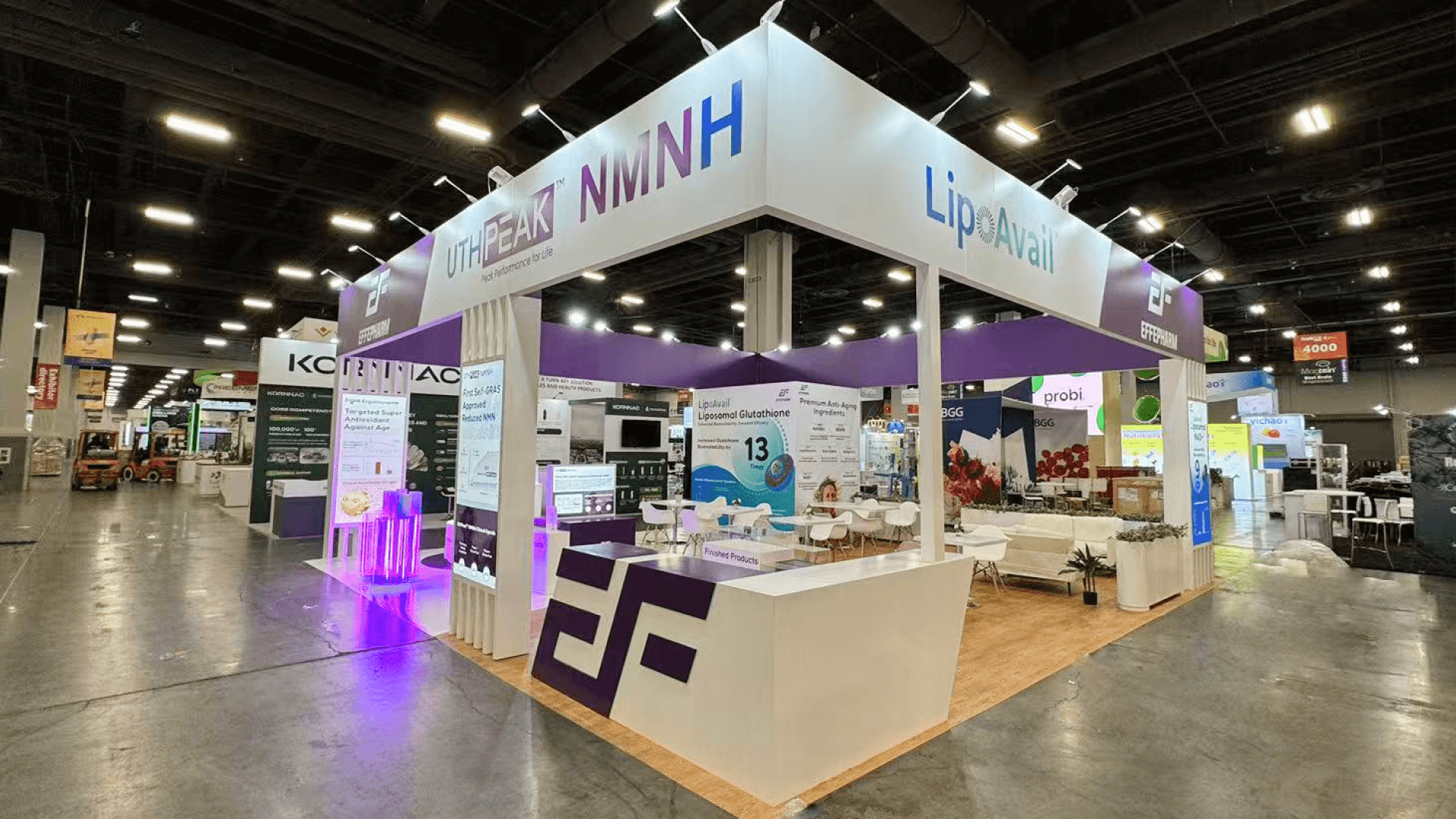
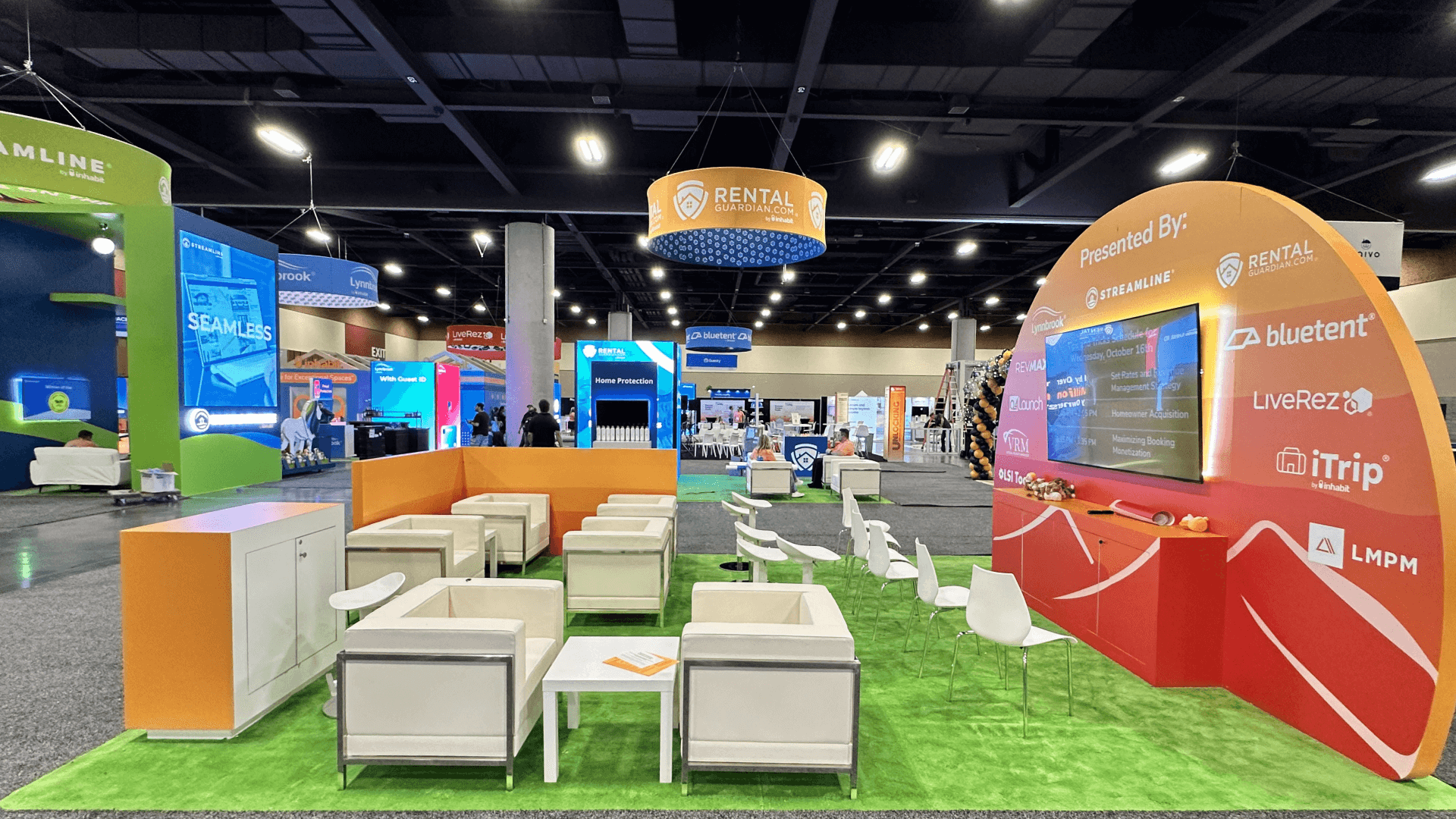
A 20x20 island can support connected equipment, result screens, multiple viewing positions, concealed storage, and a separate technical discussion area. Visitors can move around the exhibit while staff retain access to the working side.
A 10x20 booth layout gives one primary instrument or compact automation system enough room for operating access, a visible explanation, nearby storage, and short technical conversations without crowding the aisle.
A larger footprint allows several instruments, application stations, or product categories to be presented as one connected laboratory workflow. It also creates room for expanded storage, overhead visibility, staff circulation, and private meeting space.
For exhibitors presenting connected automation, How to Run a Robotics and Liquid Handling Demo at SLAS explains how to move a live workflow from equipment operation to a visible result without blocking visitor flow or staff access.
A SLAS booth should make complex equipment and scientific workflows easy to understand without turning the exhibit into a crowded equipment bay.
Plan beyond the listed equipment dimensions. Operation, servicing, utility access, delivery, and staff movement all require clear space around the instrument.
Use concise labels, workflow graphics, close-up video, or result screens when important actions happen inside the equipment or cannot be seen clearly from the aisle.
Samples, consumables, spare parts, and cleaning materials should stay close to the working area without filling counters or open displays.
Interfaces, imaging outputs, analytical data, and software results are easier to understand when visitors can relate them directly to the instrument or process.
Exhibitors present laboratory automation equipment, robotics, liquid handling systems, detection and imaging instruments, sample management technology, and laboratory software.
SLAS2027 takes place January 30–February 3 at the San Diego Convention Center, bringing together life science researchers, laboratory automation users, technology developers, and equipment suppliers.
Attendees include scientists, laboratory automation users, engineers, sample managers, data teams, business leaders, and technology buyers.
Not Sure Which Booth Size You Need?
Not every exhibitor knows whether a 10x20, 20x20, 20x30, or larger booth is the right fit. Circle Exhibit can help review your event goals, product display needs, demo areas, meeting space, storage, budget scope, and setup timeline before you choose a booth size.
Visitors Cannot See the Full Workflow
Live Demonstrations Create Bottlenecks
1
Define What Visitors Should Understand
2
3
4
Rental Booth for One Main Demo
Suitable when one primary instrument, a screen, storage, and a small meeting area can fit within a flexible exhibit structure.
Custom Build for Integrated Laboratory Systems
Better suited to several connected instruments, specialized equipment support, controlled visitor access, and architecture intended for repeated use.
Hybrid Booth for Equipment, Screens, and Meetings
Combines reusable exhibit architecture with custom equipment integration, workflow graphics, branded surfaces, storage, and event-specific display components.
Coordinate freight, labor, and equipment delivery with the assigned setup window, especially for larger exhibits receiving earlier access.
Position and connect utility-dependent instruments before adding counters, graphics, screens, furniture, samples, and loose display materials.
Align material handling, labor, electrical work, network access, AV, equipment placement, and booth installation in one shared order.
Before opening, test the equipment, laboratory software, screens, result displays, utilities, storage access, and staff presentation.
Plan a SLAS Booth in San Diego
Laboratory instruments, automation systems, screens, storage, and technical meeting areas should be planned around the equipment footprint and show-site requirements. San Diego booth rental planning can help define the structure, graphics, installation scope, and reusable components before production begins.
What should a SLAS exhibit booth include?
The booth should connect the product, workflow, result display, visitor space, storage, and technical conversations. The exact mix depends on whether the exhibit centers on instruments, automation, software, consumables, or a new product.
What booth size works well for laboratory automation at SLAS?
How can visitors follow a live equipment demo?
What utilities should be confirmed before booth production?
Why test the complete exhibit before SLAS opens?
READY TO PLAN YOUR NEXT BOOTH?
Let’s Build a Booth That Fits Your Event
Share your event name, booth size, city, timeline, product display needs, and design references. Circle Exhibit will review your project direction and help you choose a rental-friendly or custom exhibit path.
3000+
Booth Projects Supported
50+
U.S. Event Cities
Transparent
Quote Review
Coordinate instrument footprints, visitor movement, screens, storage, and meeting areas before production.
Use workflow diagrams, product labels, and result graphics to make technical systems easier to read.
Align equipment freight, utility information, samples, AV, and installation timing before move-in.
Sequence equipment placement, booth assembly, graphics, screens, testing, and final dismantle.
Review a larger footprint for multiple instruments, connected workflows, storage, and private technical discussions.