SEMA Show 30x40 Booth Planning for Automotive Exhibitors

How should exhibitors plan a SEMA 30x40 booth?
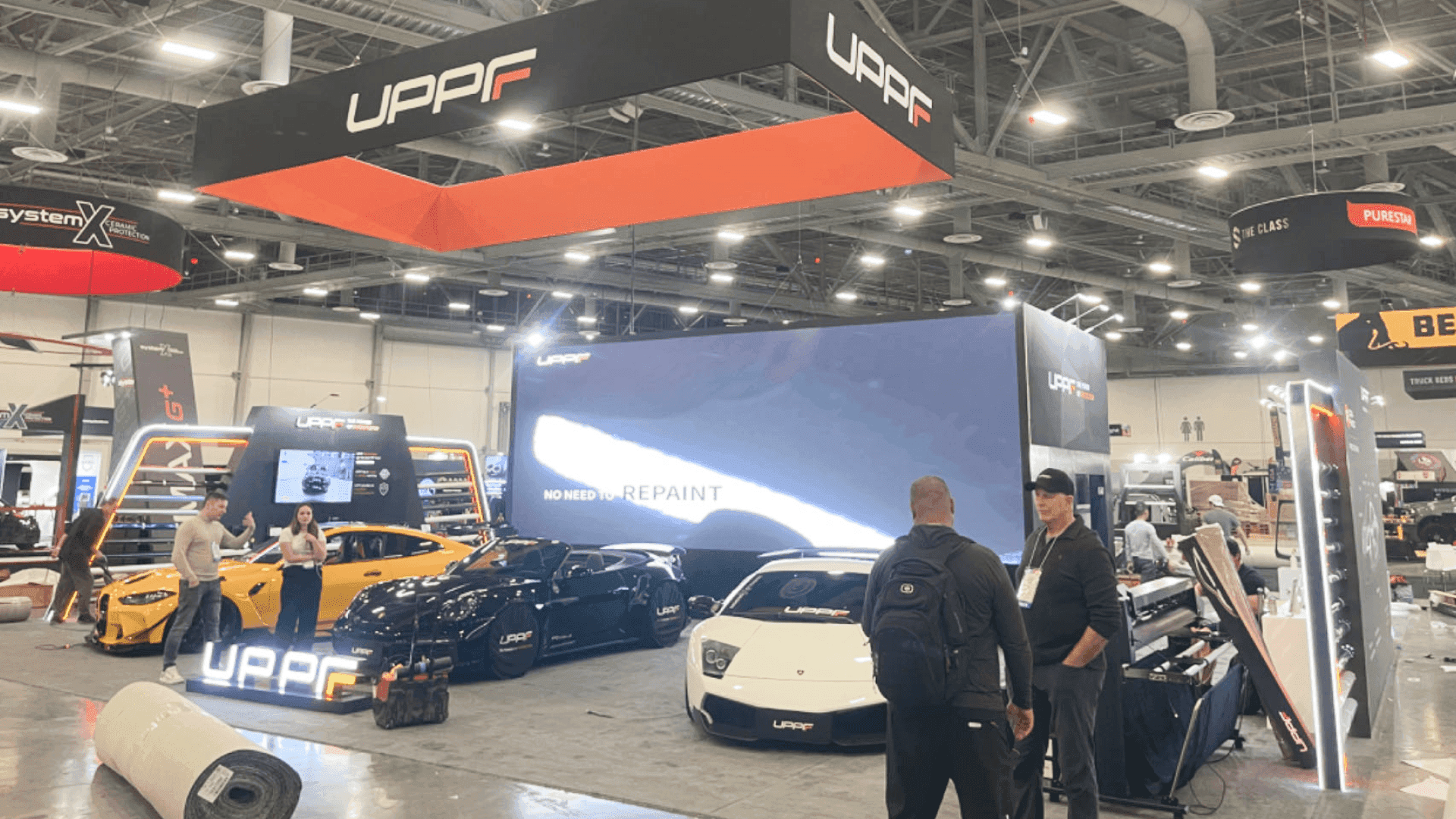
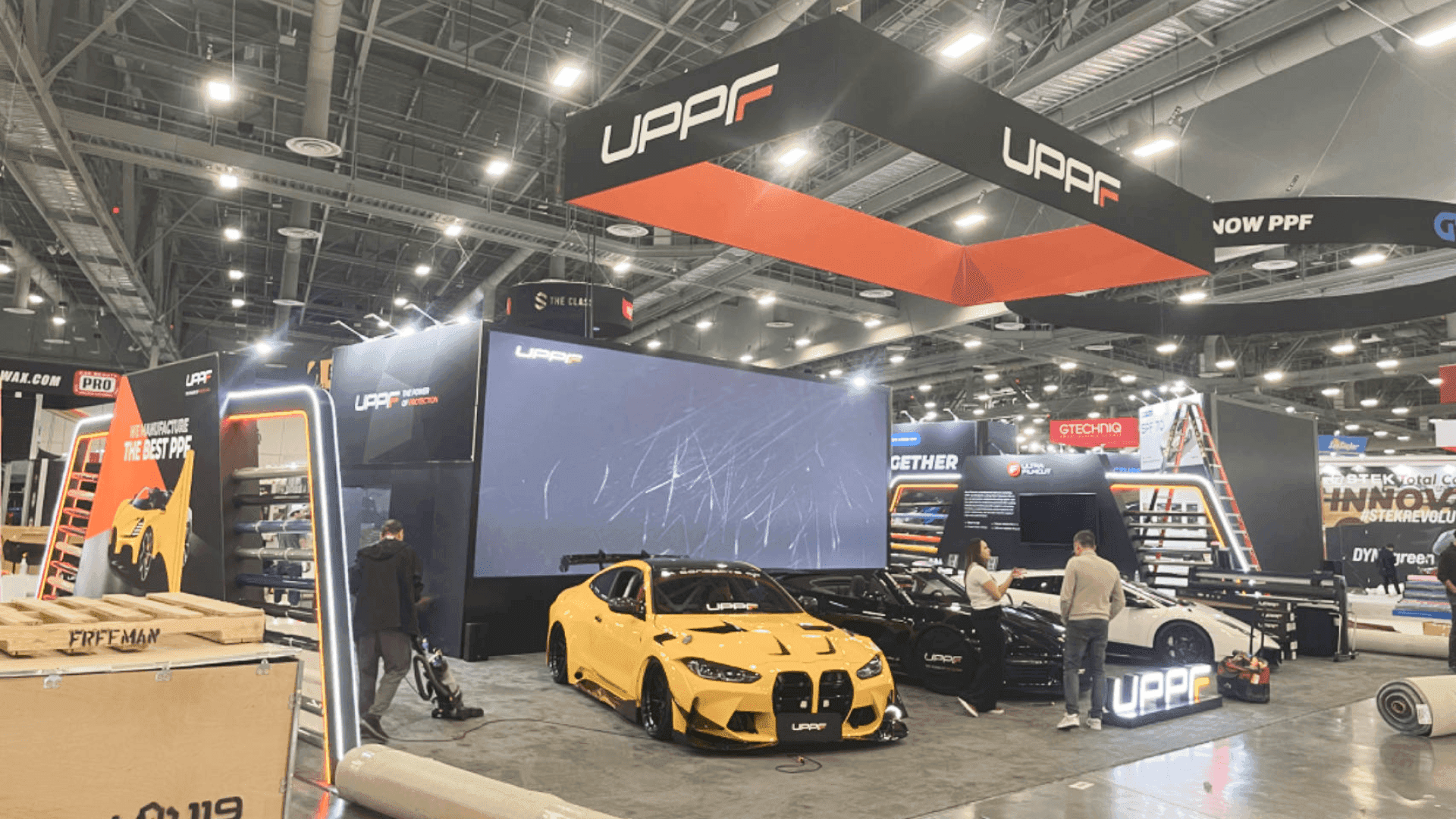
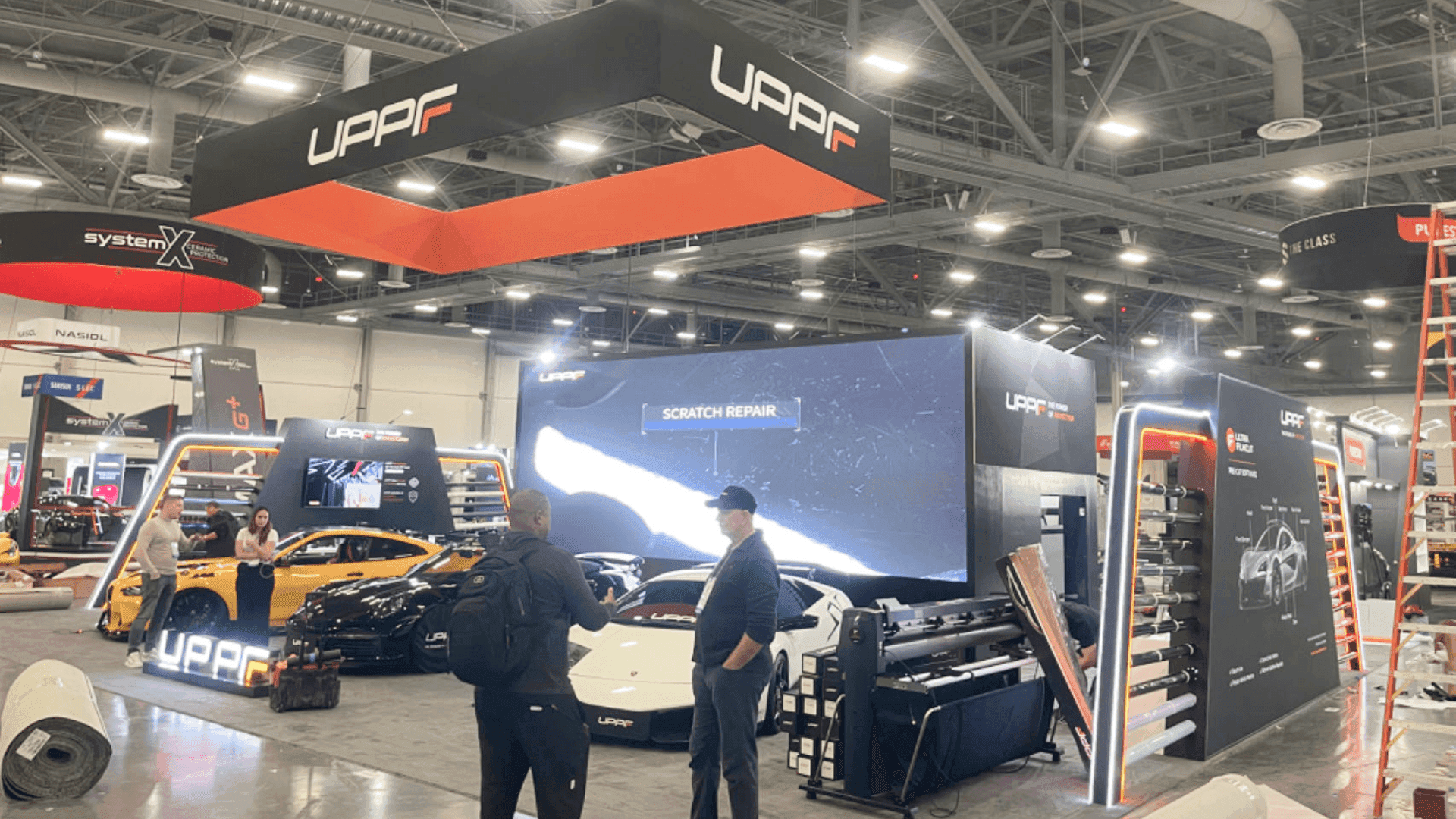
A SEMA 30x40 booth provides 1,200 square feet for separating a main vehicle or equipment display, product walls, demonstrations, buyer conversations, storage, and staff circulation. The space works best when one display remains the visual anchor and the supporting zones are arranged around a clear visitor path.
Freight, utilities, and setup access should be checked before approval, but they should support the layout rather than determine the booth story.
A SEMA 30x40 booth provides 1,200 square feet for separating vehicle or equipment displays, product walls, demonstrations, meetings, and storage without moving to a much larger island exhibit. Compared with a 20x30 footprint, the additional space helps these functions operate without crowding the main automotive story.
Within the broader SEMA booth plan, the main display and visitor path should guide how the footprint is divided. A 30x40 booth layout should protect aisle visibility, open-side access, and staff circulation rather than simply accommodate more products.
At the Las Vegas Convention Center, freight handling, utilities, vehicle access, and installation sequence should be confirmed before finalizing walls, flooring, and storage.
Why Exhibitors Choose Circle Exhibit
Clear scope, transparent quote review, nationwide booth support, and efficient setup planning for qualified rental and custom exhibit projects.
48hr
Setup Window
10+
Years Since 2014
U.S.
Trade Show Support
Real
Booth Project Proof
A 30x40 footprint becomes useful when the main display, supporting products, demonstrations, meetings, storage, and visitor flow can no longer share a smaller space without creating conflicts.
A 20x20 booth suits one focused vehicle, product, or equipment presentation with compact demonstrations and brief buyer conversations. Space becomes restrictive when product walls, storage, and visitor circulation need separate zones.
A 30x40 booth separates the main vehicle or equipment display from product zones, demonstrations, meetings, and storage. Distinct areas protect aisle visibility and visitor circulation while keeping the overall automotive presentation connected.
A 20x30 booth adds room for product displays, demonstrations, and buyer meetings around the main exhibit. Space becomes tighter when vehicles or large equipment also require viewing clearance and circulation.
A large island exhibit accommodates multiple vehicles, oversized equipment, media presentations, and hospitality areas. The larger footprint allows high-traffic activities to operate independently while keeping the primary automotive story clear from several aisles.
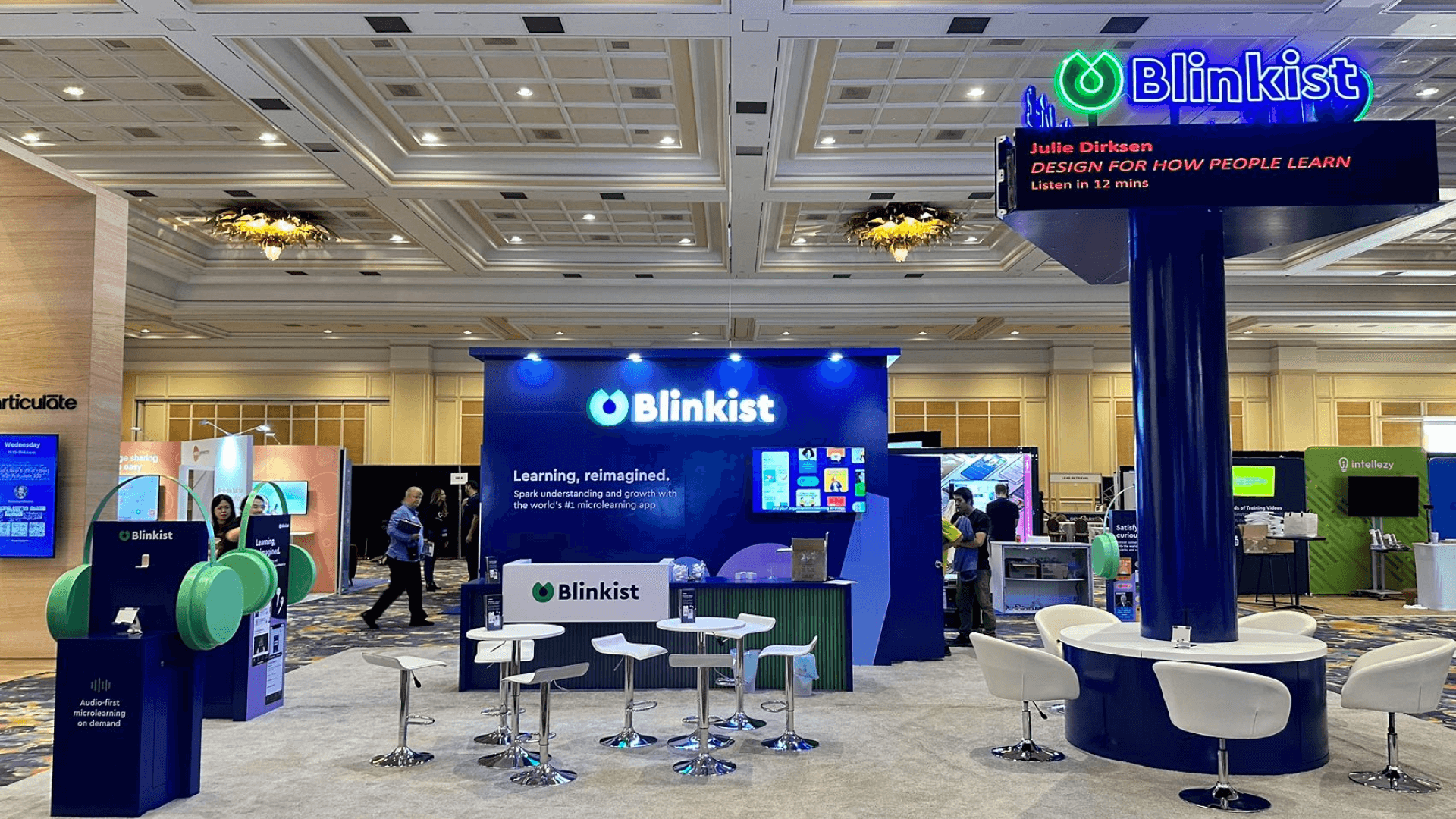
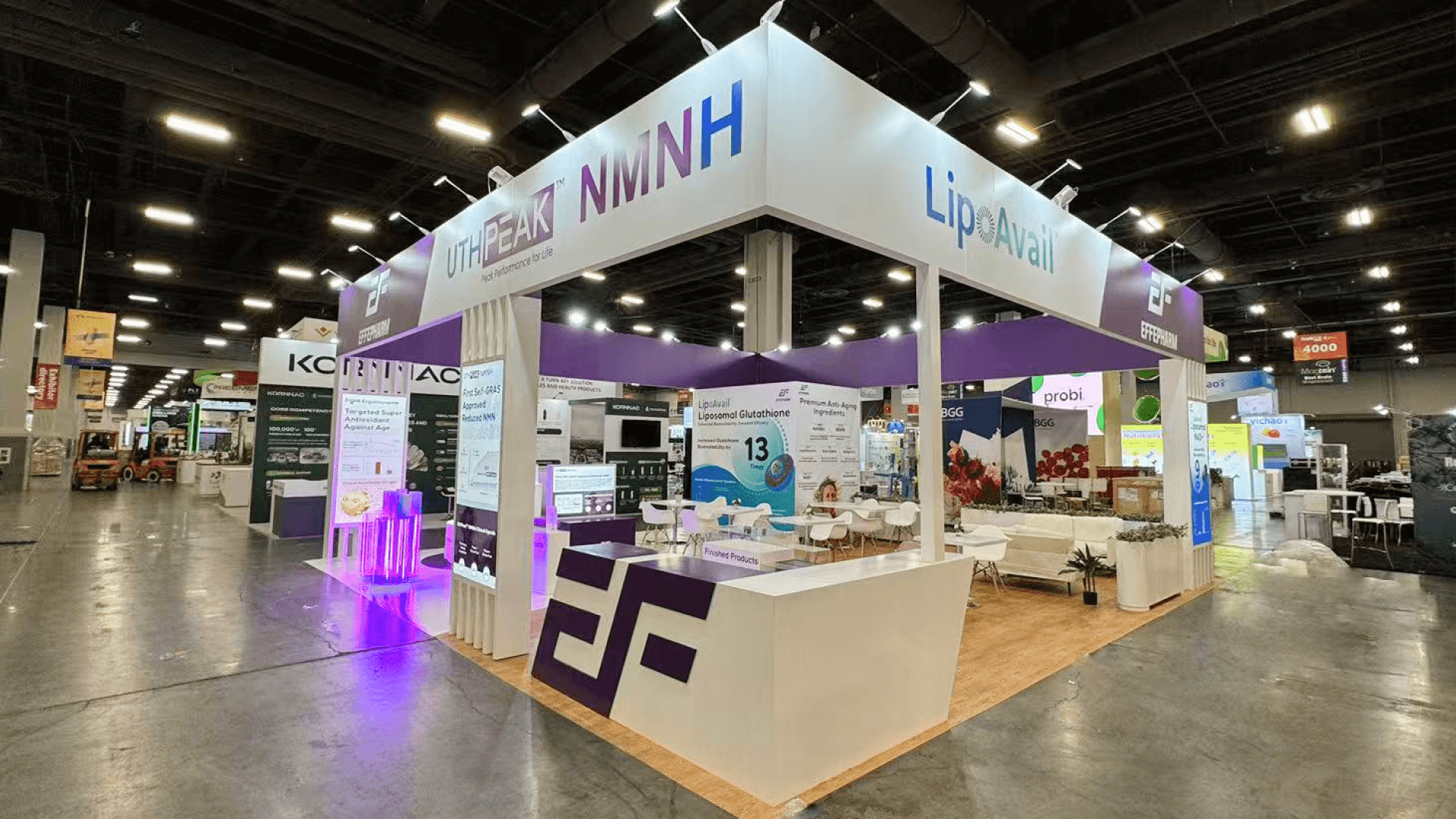
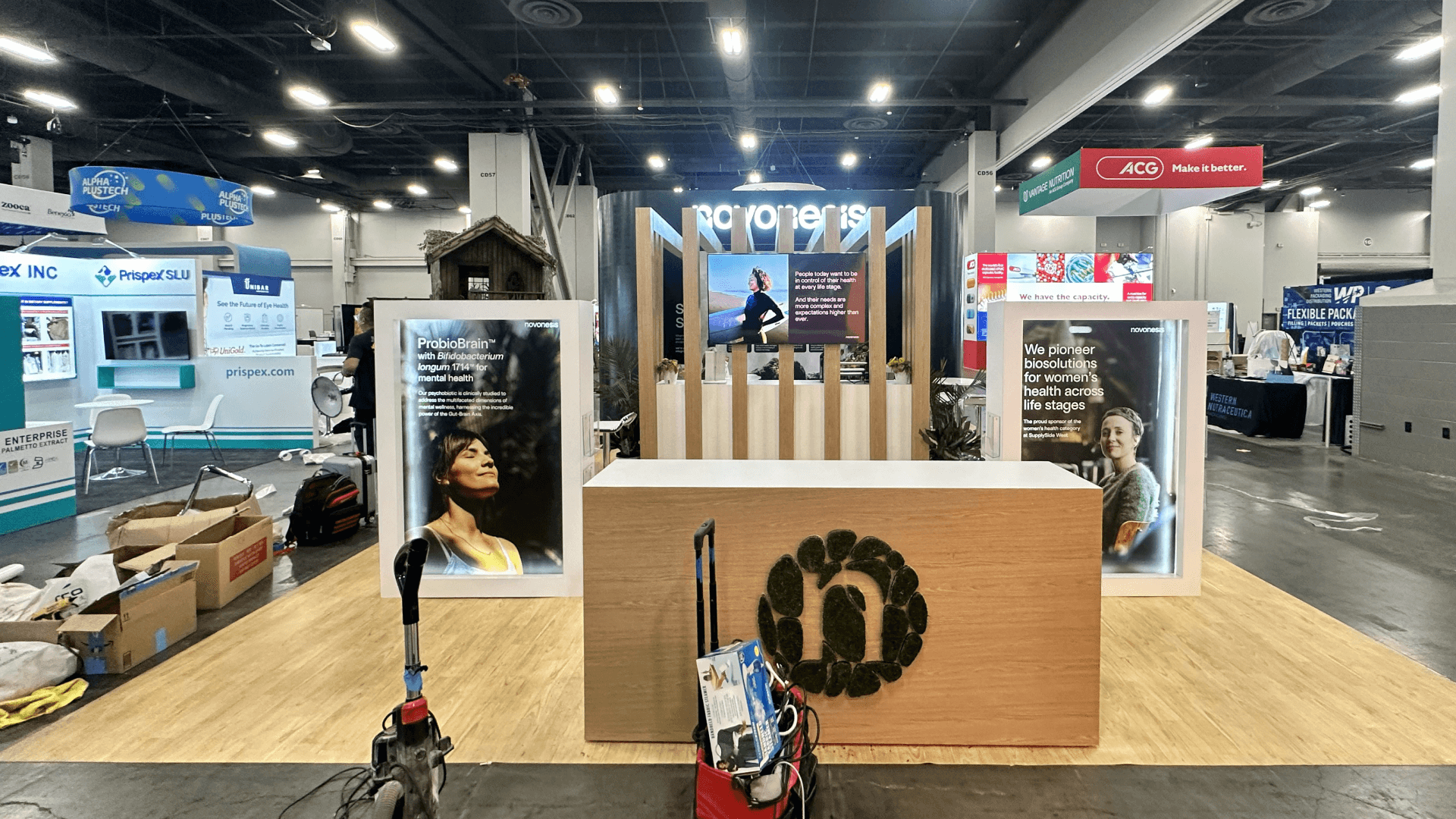
A 30x40 SEMA booth works best when vehicles, equipment, and buyer conversations have clearly defined zones. Effective 30x40 vehicle display planning helps divide the footprint without weakening the main display or visitor circulation.
Product fixtures require the same attention. Careful product shelving placement keeps automotive parts accessible while protecting vehicle sightlines and creating a natural path toward buyer discussions.
A SEMA 30x40 layout should guide visitors from aisle recognition to the main display, product demonstrations, and buyer conversations. Plan distinct areas for product walls, branded graphics, meetings, storage, utilities, and staff access. Freight and installation routes should be confirmed before approval so the larger footprint improves visibility and circulation rather than display density alone.
The layout should begin with the vehicle, equipment display, product launch, or demonstration that visitors need to recognize first. Supporting zones can then be positioned around that focal point instead of competing with it.
Wheels, tires, accessories, tools, equipment, and technical products need enough display space without narrowing circulation. Product walls should remain connected to the main display so visitors can understand how the products relate.
Demo activity, buyer conversations, reception, lead capture, and staff positions should follow the expected visitor journey. Longer discussions can sit deeper inside the booth so they do not interrupt the main display or aisle traffic.
Storage, flooring, power, lighting, screens, equipment clearance, and working access should be resolved before the layout is approved. These practical requirements need to fit around the visitor-facing plan rather than consume space intended for products and circulation.
SEMA Show is the parent event for this 30x40 booth planning page, with a focus on automotive exhibitors preparing larger booth layouts, product display zones, meeting areas, storage, and show-site booth execution at the Las Vegas Convention Center.
This page focuses on SEMA 30x40 booth planning, including space allocation, product walls, main display zones, meeting space, storage access, branded graphics, visitor flow, freight timing, drayage, and installation planning.
30x40 and large island booths are strong planning sizes for SEMA exhibitors that need more room than a 20x30 layout. A 30x40 booth can support multiple display functions while still keeping the booth focused around one clear automotive story.
Not Sure Which Booth Size You Need?
Not every exhibitor knows whether a 10x20, 20x20, 20x30, or larger booth is the right fit. Circle Exhibit can help review your event goals, product display needs, demo areas, meeting space, storage, budget scope, and setup timeline before you choose a booth size.
Avoiding Too Many Display Priorities
Balancing Product Walls and Conversations
1
Define the Main Booth Story
2
3
4
Rental for Clear Multi-Zone Layouts
A 30x40 SEMA booth can use rental structures when modular walls, branded graphics, product fixtures, screens, meeting areas, and storage meet the display requirements. Compare 30x40 rental booth designs before committing to fully custom fabrication.
Custom Build for Integrated Display Zones
Custom construction becomes more useful when vehicles, large equipment, purpose-built product walls, specialized lighting, overhead branding, or architectural elements need to become part of the structure itself rather than sit within otherwise separate zones.
Hybrid 30x40 Layouts
Some SEMA exhibitors combine reusable structure with custom graphics, lighting, product fixtures, or vehicle-specific elements. The useful distinction is whether each added element improves the relationship between zones rather than simply making the booth more complex.
Product walls, meetings, storage, utilities, and major display elements should not block one another during setup or show-day use.
Electrical points, storage doors, screens, lighting, and product fixtures should remain accessible without crossing the main visitor path.
Vehicles and large equipment need enough clearance for placement, viewing, surrounding products, and setup without restricting aisle sightlines.
Review the main display, product walls, graphics, meetings, and circulation from each aisle. A 30x40 booth should be easy to understand before visitors enter.
Need a SEMA booth rental for a 30x40 layout?
A rental booth can support focused SEMA 30x40 layouts with branded graphics, counters, product walls, lighting, storage, meeting space, and show-site installation support. It can be a practical option for exhibitors who need a professional automotive display environment without building a fully custom structure.
What is a SEMA 30x40 booth?
A SEMA 30x40 booth is a larger trade show booth layout often used for automotive product displays, equipment presentations, meeting space, storage, branded graphics, and controlled visitor flow. It gives exhibitors more room than a 20x30 booth while still keeping the display focused.
What can fit in a 30x40 booth at SEMA?
Is a 30x40 booth better than a 20x30 booth for SEMA?
Should a SEMA 30x40 booth be rental or custom built?
What should exhibitors prepare before approving a SEMA 30x40 booth design?
READY TO PLAN YOUR NEXT BOOTH?
Let’s Build a Booth That Fits Your Event
Share your event name, booth size, city, timeline, product display needs, and design references. Circle Exhibit will review your project direction and help you choose a rental-friendly or custom exhibit path.
3000+
Booth Projects Supported
50+
U.S. Event Cities
Transparent
Quote Review
Review the main SEMA Show booth planning page for exhibitor preparation, booth setup, automotive display needs, and Las Vegas execution context.
For general 30x40 dimensions, capacity, layout, and footprint planning outside the SEMA-specific context.
For 30x40 layouts where a vehicle becomes the main focal point and affects sightlines, surrounding products, and visitor circulation.
For larger exhibits with more complex freight, staging, utilities, equipment access, and setup dependencies.
Connect SEMA 30x40 booth planning with booth design, fabrication, graphics, logistics, installation, and Las Vegas show-site execution.