Restaurant Technology Booth Planning for National Restaurant Show Exhibitors


How should restaurant technology exhibitors plan a booth?
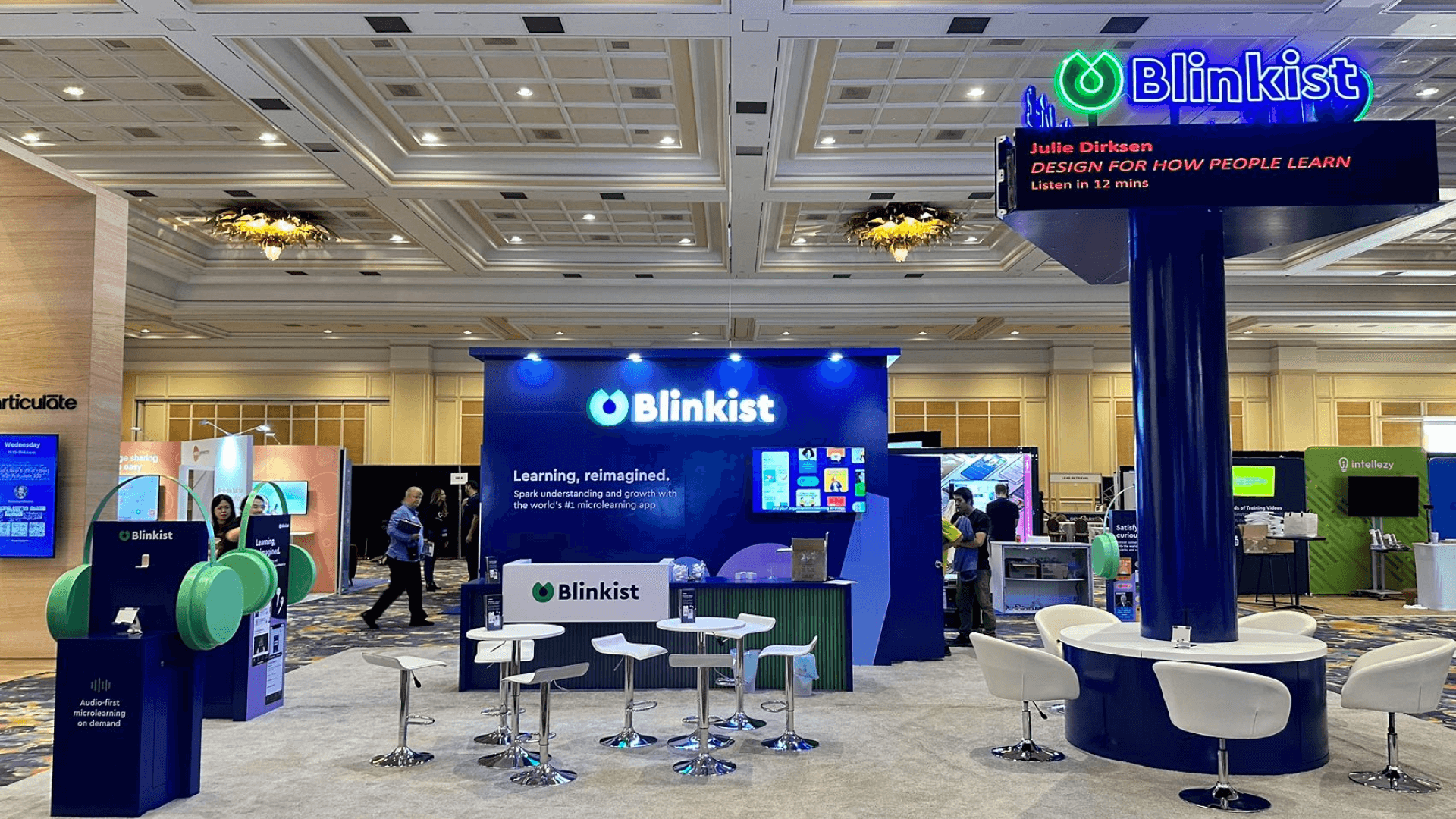
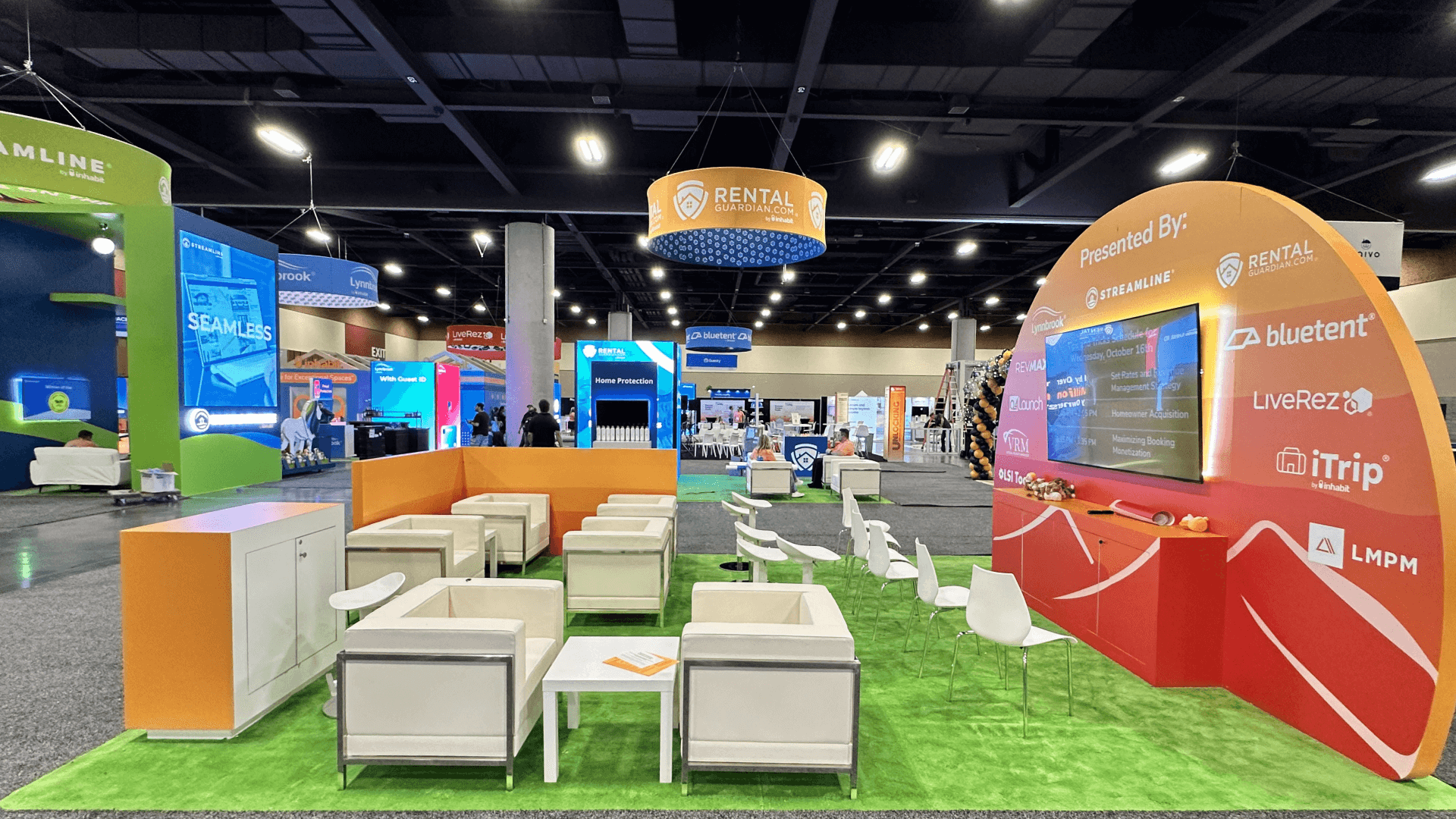
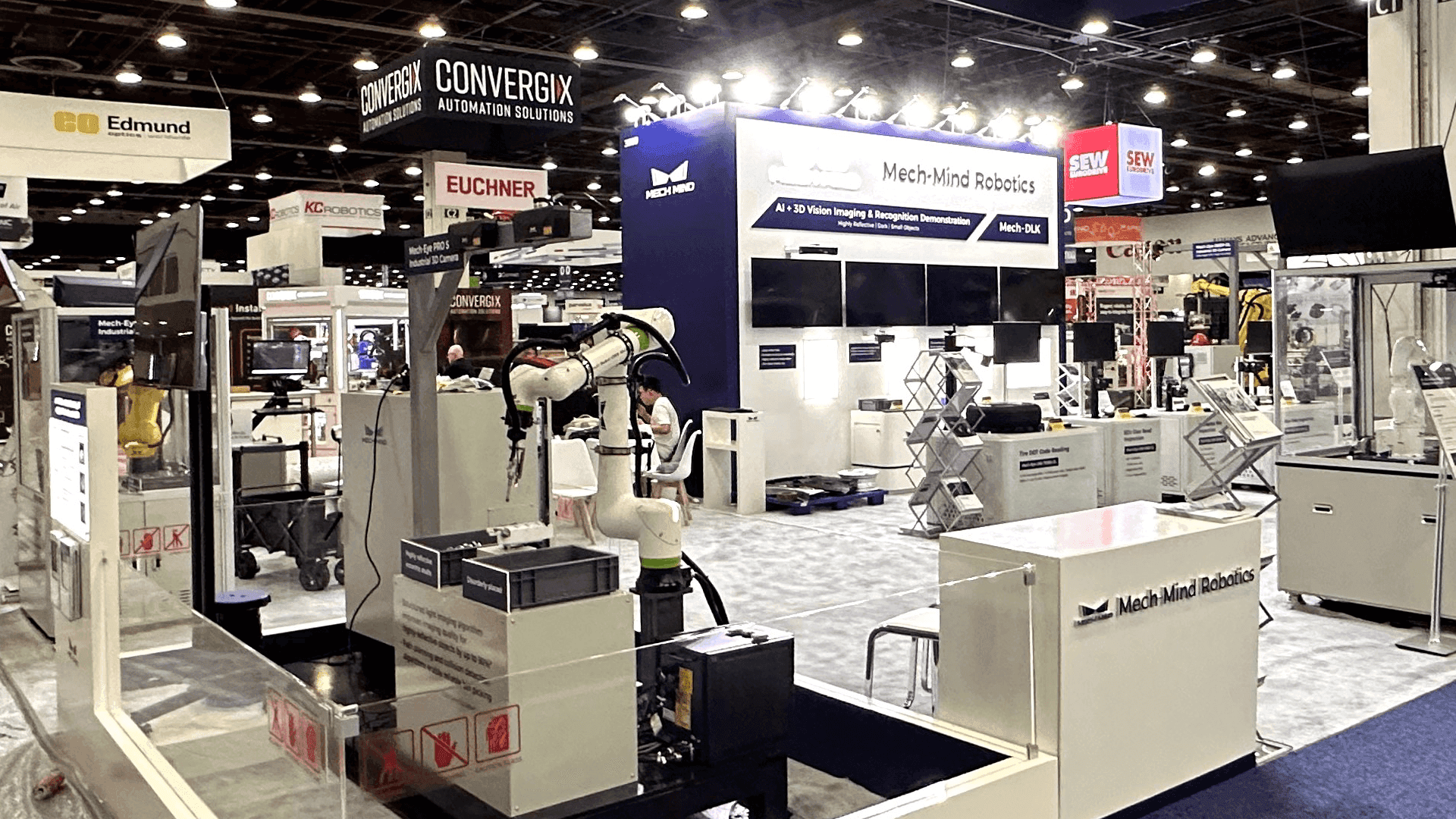
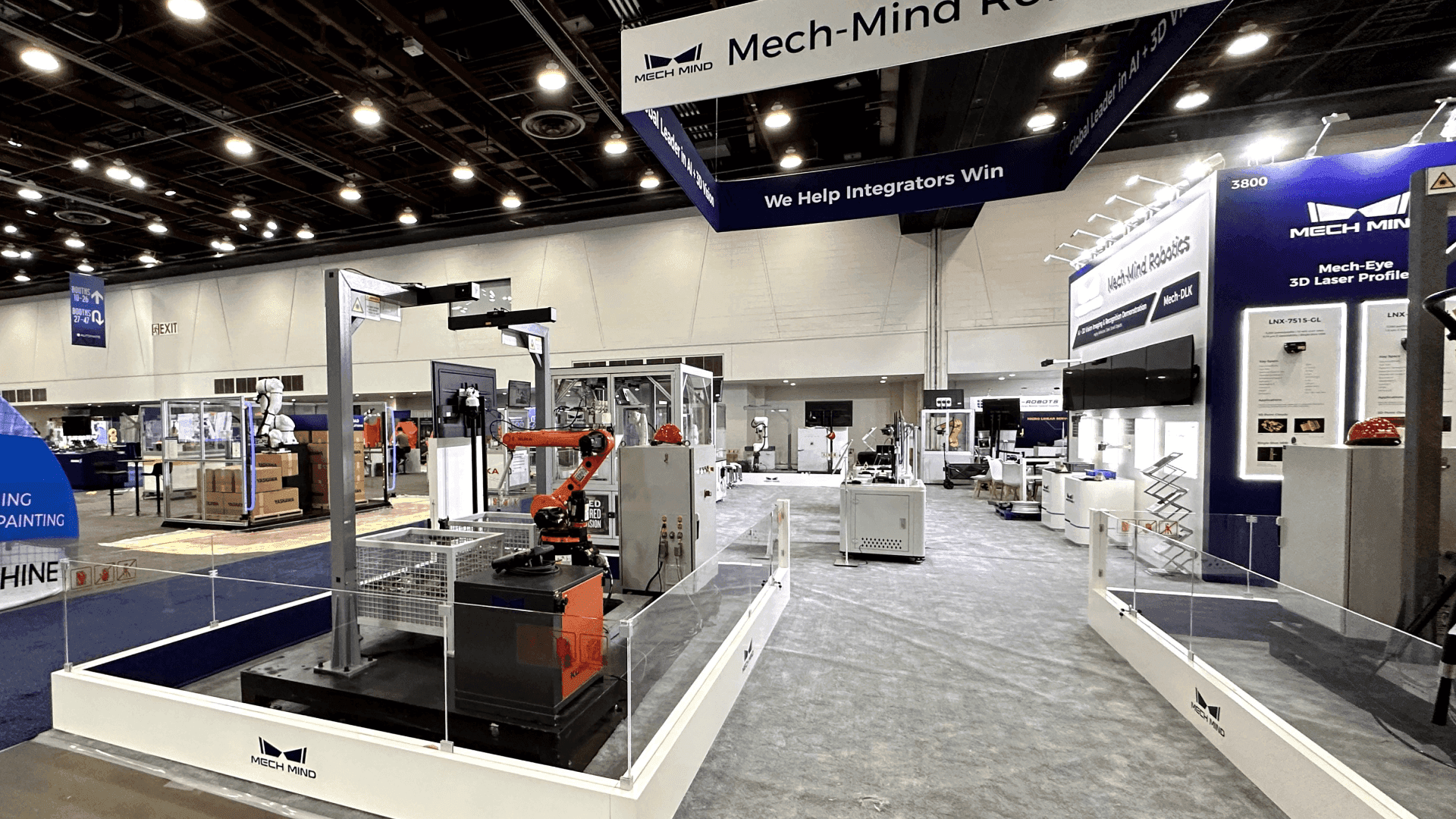
Restaurant technology booths should make the workflow visible. POS terminals, kiosks, tablets, dashboards, and screen demos need a layout that shows what the platform does, where it fits in restaurant operations, and what the buyer should ask next without turning the booth into a wall of screens.
Restaurant technology booth planning is about making software feel visible. POS systems, ordering tools, kiosks, AI automation, loyalty platforms, and restaurant management software all need a demo path that visitors can understand without sitting through a long walkthrough.
As a focused child page of the main National Restaurant Show booth planning hub, this page looks at screen-led demos, device placement, operator workflows, and lead capture. For larger back-of-house products and physical display needs, compare restaurant equipment booth planning.
At McCormick Place, technology exhibitors should confirm monitor placement, power needs, demo timing, device storage, graphics, and final screen checks before move-in. For local execution context, review Chicago exhibit support for restaurant technology exhibitors and compare layouts such as 20x20 trade show booth planning.
Why Exhibitors Choose Circle Exhibit
Clear scope, transparent quote review, nationwide booth support, and efficient setup planning for qualified rental and custom exhibit projects.
48hr
Setup Window
10+
Years Since 2014
U.S.
Trade Show Support
Real
Booth Project Proof
Technology booth size should match the number of screens, devices, demo stations, staff members, and operator conversations expected at the booth. The layout should make demos visible without turning the booth into a wall of screens.
A 10x20 booth works for one main software demo, a screen wall, a counter, and short operator conversations.
A 20x30 layout fits multiple workflows, meeting space, lead capture, demo counters, and stronger aisle visibility.
A 20x20 booth gives more room for POS terminals, tablets, kiosks, screen content, storage, and several staff conversations.
A hybrid booth can combine rental structure, custom graphics, screen mounts, counters, storage, and a small meeting area.
For more detailed planning, the restaurant technology booth planning guide explains how to organize software demos, screen content, device placement, operator workflows, booth size, lead capture, and McCormick Place setup before finalizing a restaurant technology booth.
Restaurant technology booths need to make the product workflow visible, practical, and easy for operators to discuss.
Show the product through a real operator task, such as ordering, payment, reporting, staffing, kitchen flow, or loyalty.
Each screen should explain one workflow, product area, benefit, or proof point.
Tablets, POS terminals, kiosks, and counters should sit where visitors can see, touch, and ask questions without crowding.
After a demo, buyers often need pricing, integration, onboarding, or franchise rollout conversations.
This page focuses on software, POS, ordering, kiosk, automation, loyalty, and hospitality technology booth planning.
The 2027 show takes place May 22–25 at McCormick Place in Chicago.
Technology exhibitors speak with restaurant operators, buyers, IT teams, franchise groups, and foodservice decision-makers.
Not Sure Which Booth Size You Need?
Not every exhibitor knows whether a 10x20, 20x20, 20x30, or larger booth is the right fit. Circle Exhibit can help review your event goals, product display needs, demo areas, meeting space, storage, budget scope, and setup timeline before you choose a booth size.
Avoiding a Wall of Screens
Showing the Operator Workflow
1
Define the Demo Story
2
3
4
Rental Booth for Focused Software Demos
A rental booth works well for one main demo, branded graphics, a monitor, a counter, and short operator conversations.
Custom Details for Stronger Demo Control
Custom counters, screen mounts, lighting, or device surfaces can help when the product story needs a more polished demo path.
Hybrid Booth for Screens and Meetings
A hybrid setup can combine rental structure with custom graphics, demo stations, storage, screen content, and a small meeting area.
Confirm where screens, tablets, POS terminals, kiosks, and counters sit before the booth materials are finalized.
Power access, charging points, cable paths, and device storage should be checked before the demo area opens.
Walk through the main demo from the aisle and make sure the screen content, staff position, and next step are easy to follow.
Lead capture tools, tablets, forms, QR codes, and follow-up stations should be ready before visitor traffic starts.
Restaurant Technology Booth Support
Plan a restaurant tech booth around POS demos, kiosks, screens, lead capture, operator workflow, and McCormick Place setup.
What should a restaurant technology booth include?
It should include clear product messaging, screen content, demo stations, device placement, storage, lead capture, and space for operator conversations.
What booth size works best for restaurant tech exhibitors?
How should software demos be shown in the booth?
Do restaurant technology booths need meeting space?
What should technology exhibitors check before opening?
READY TO PLAN YOUR NEXT BOOTH?
Let’s Build a Booth That Fits Your Event
Share your event name, booth size, city, timeline, product display needs, and design references. Circle Exhibit will review your project direction and help you choose a rental-friendly or custom exhibit path.
3000+
Booth Projects Supported
50+
U.S. Event Cities
Transparent
Quote Review
Plan screen surfaces, product messaging, demo labels, and branded graphics that help operators understand the technology quickly.
Coordinate monitors, devices, booth materials, storage, graphics readiness, and setup sequence before arriving at McCormick Place.
Shape the booth around screen placement, demo counters, device flow, storage, staff positions, and operator conversations.
Use 10x20 booth planning when a restaurant technology exhibitor needs one focused demo zone, a screen, and short operator conversations.
Compare 20x30 booth planning when the display needs multiple workflows, meeting space, device stations, and stronger brand visibility.
Explore Circle Exhibit booth planning, exhibit design, graphics, logistics, and show-site support for trade show exhibitors.