Plan Around the Restaurant Technology Type
The first planning decision is which restaurant workflow the technology needs to explain. A POS system, ordering platform, kiosk, automation tool, AI restaurant product, or hospitality software each needs a different demo path.
A POS demo may focus on order speed, staff handoff, and reporting. Ordering or delivery tools may need to show the path from guest order to kitchen, pickup, or delivery. Kiosks and automation products should make the operator use case clear quickly. AI and hospitality software should show what decisions the system helps managers, staff, or owners make.
The booth should make the technology type clear before visitors sit through a longer demo: what the system does, who uses it, and where it fits in daily restaurant operations.

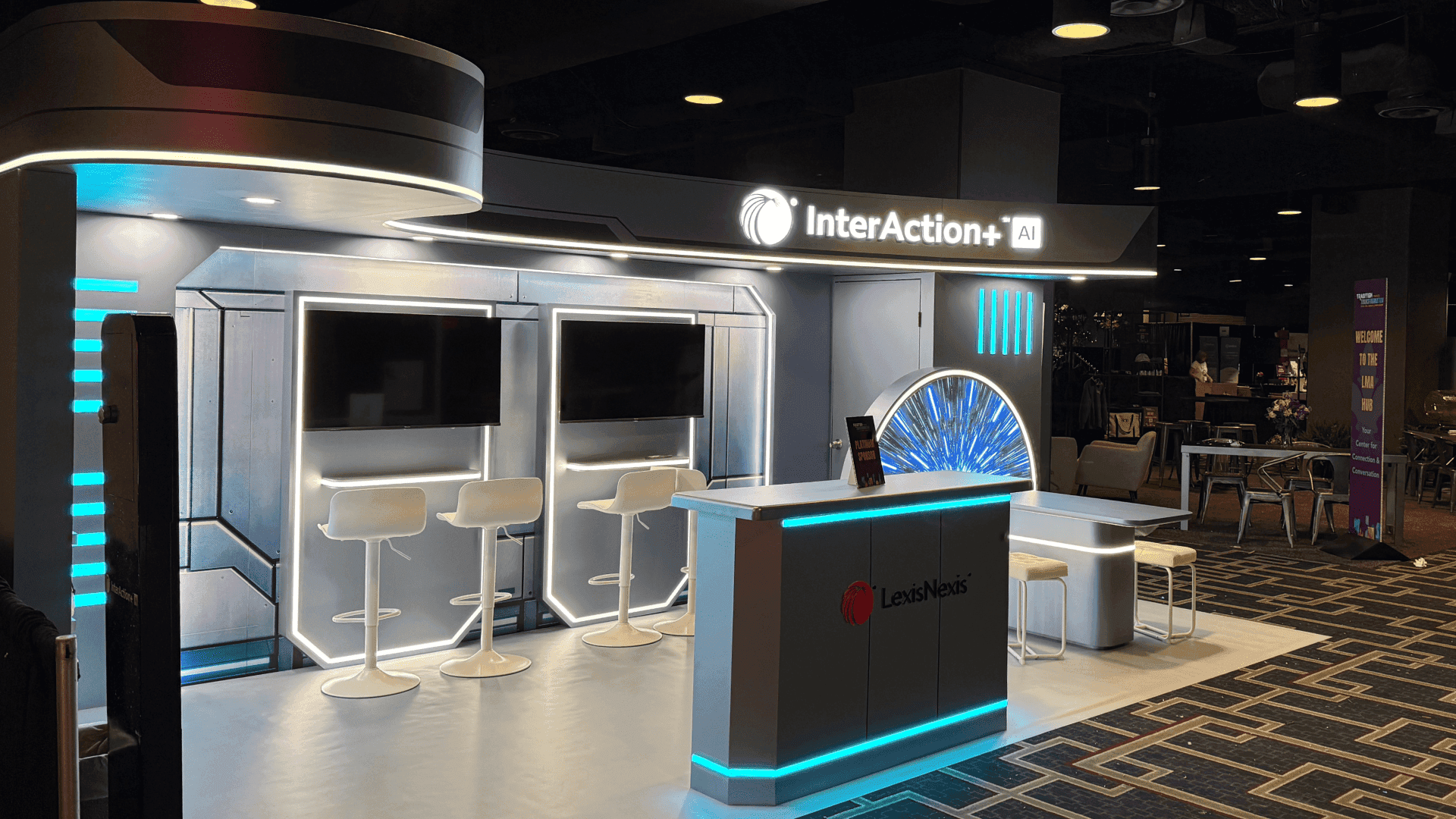
A restaurant technology booth should make the screen demo easy to follow, showing operators how POS, ordering, kiosk, automation, or hospitality software fits daily restaurant workflow.
Build a Screen Demo Buyers Can Follow
With the technology type defined, the demo should show one real workflow instead of jumping between screens. Operators and buyers need to see what happens first, what the staff member or manager does next, and what result the system produces.
For a POS system, ordering tool, kiosk, automation platform, AI restaurant tool, or hospitality software, the screen flow should move from use case to action to outcome. Show how an order is entered, how a team receives it, how a manager reads the data, or how the tool helps a decision. Keep the first demo short for aisle traffic, with a deeper walkthrough ready for buyers who ask for details.
Separate Demo, Meeting, and Lead Capture Areas
After the screen demo is easy to follow, the booth needs space for the next conversation. Restaurant technology exhibitors should avoid crowding the demo screen, meeting discussion, and lead capture into one small area.
The demo area should let operators watch the workflow without blocking the aisle. A nearby discussion spot can handle pricing, integrations, implementation timing, or location-specific use cases. Lead capture should happen naturally after the buyer understands the tool, not before the demo has made sense.
For POS systems, ordering tools, kiosks, automation platforms, AI restaurant tools, and hospitality software, this layout helps visitors move from watching the screen to asking whether the system fits their operation.

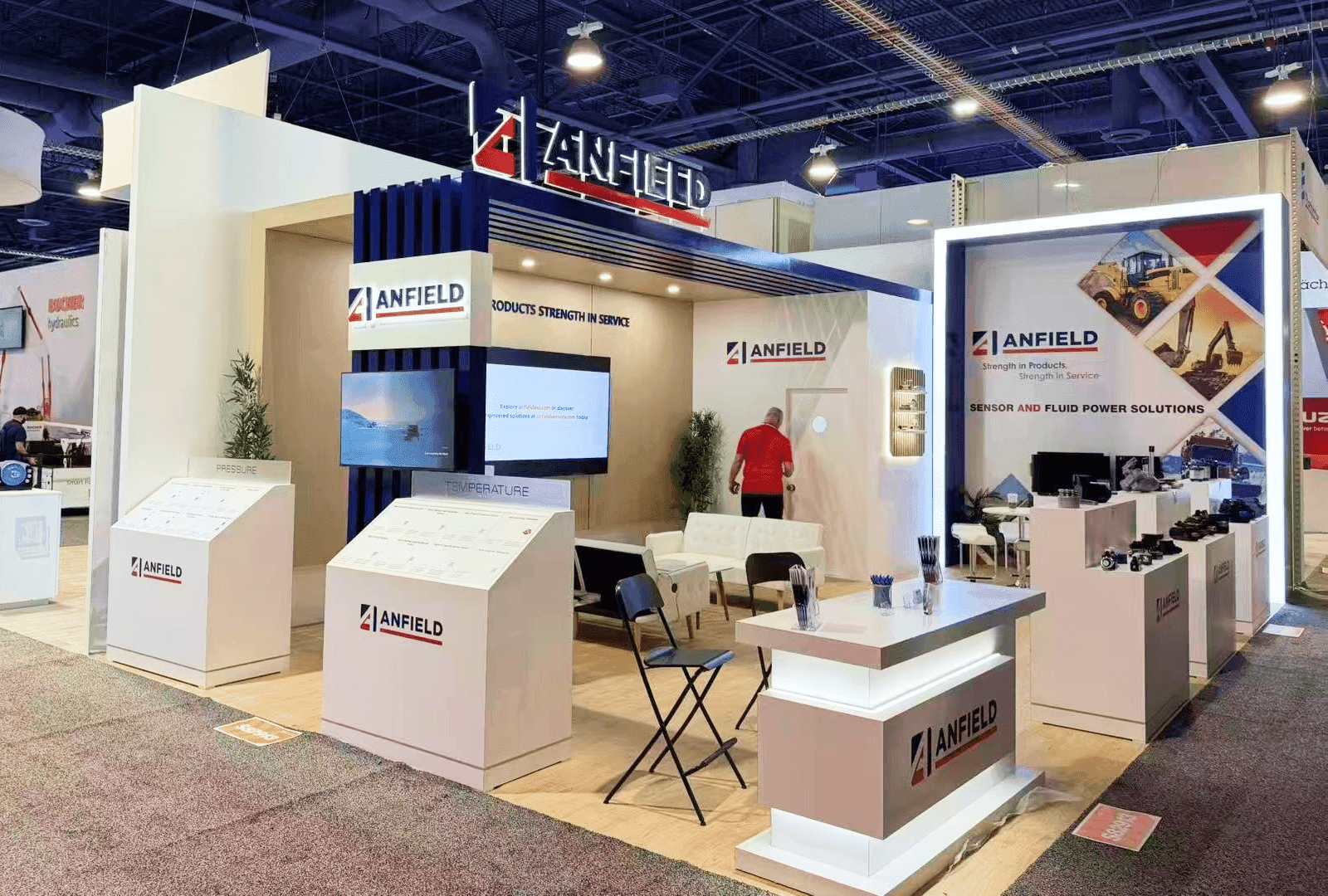
Demo screens, staff discussion space, and lead capture tools should be arranged so buyers can move from viewing the workflow to asking practical implementation questions.
Choose Booth Size for Restaurant Tech Demo Needs
The booth size should match how the demo is actually used. Restaurant technology exhibitors need room for screen viewing, short explanations, buyer questions, and lead capture without blocking the aisle.
Booth size | Better fit for | Planning notes |
|---|---|---|
10x10 | One focused software demo or kiosk display | Works when the demo is short and simple |
10x20 | Screen demo, small discussion area, lead capture | A practical fit for many POS, ordering, kiosk, or software exhibitors |
20x20 | Multiple demo stations, meeting space, larger workflow story | Helps separate demos from buyer conversations |
20x30 | Several technology products, scheduled demos, larger team setup | Better when multiple workflows or private discussions are needed |
For many restaurant technology exhibitors, 10x20 booth planning gives enough room to run a focused screen demo, answer operator questions, and collect leads without overbuilding the booth.
Use Graphics to Explain Workflow and Operator Value
With the demo areas defined, graphics should help buyers understand the workflow before they sit through a full software walkthrough. Restaurant technology exhibitors can use screen labels, simple process diagrams, dashboard callouts, and use-case graphics to show where the tool fits in daily operations.
The visuals should answer practical questions: who uses the tool, which step changes, and what result the operator can expect.
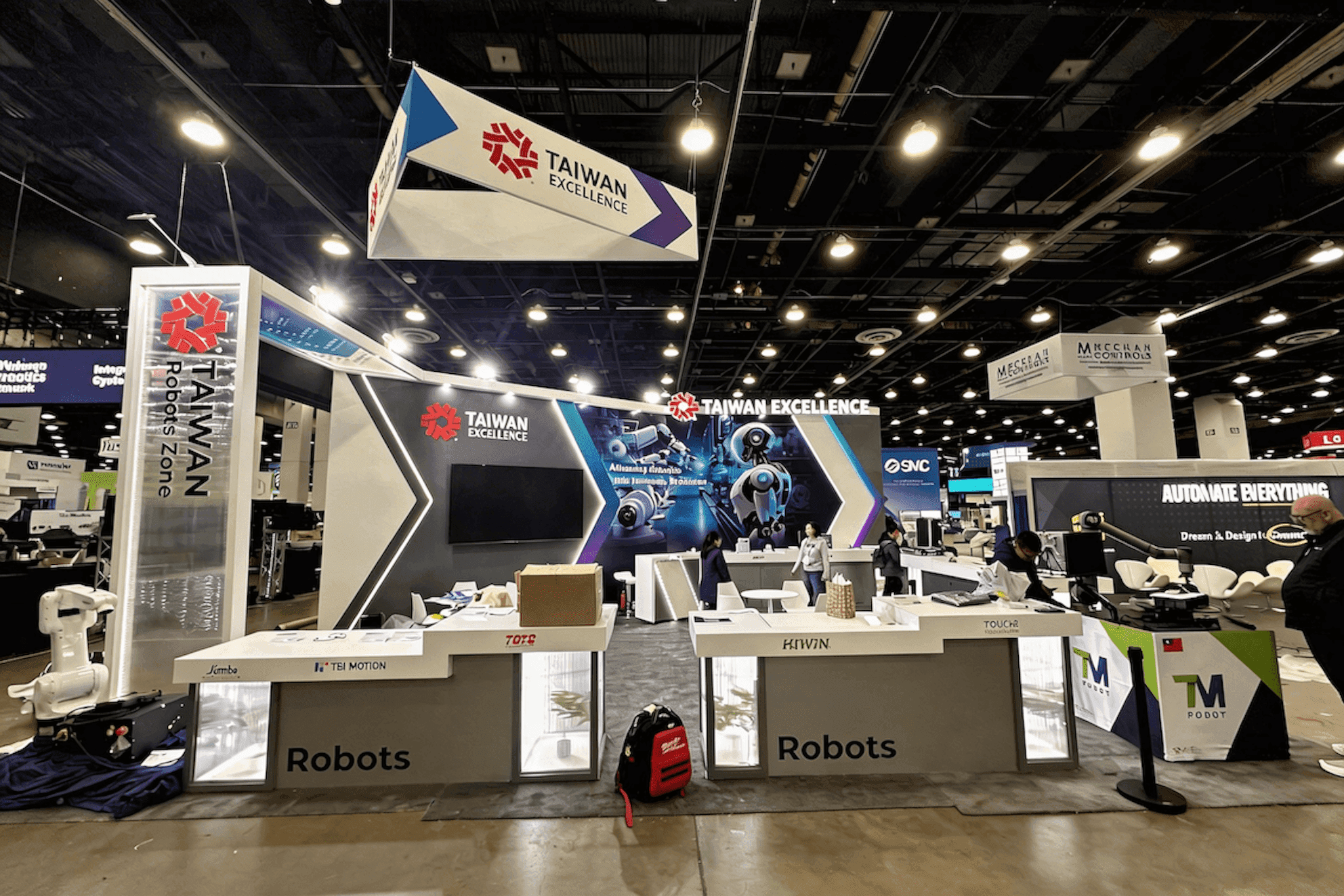
For restaurant technology exhibitors, graphics and brand presentation should make the screen demo easier to follow from the aisle. The goal is not to fill the booth with screenshots, but to help buyers understand the workflow faster.

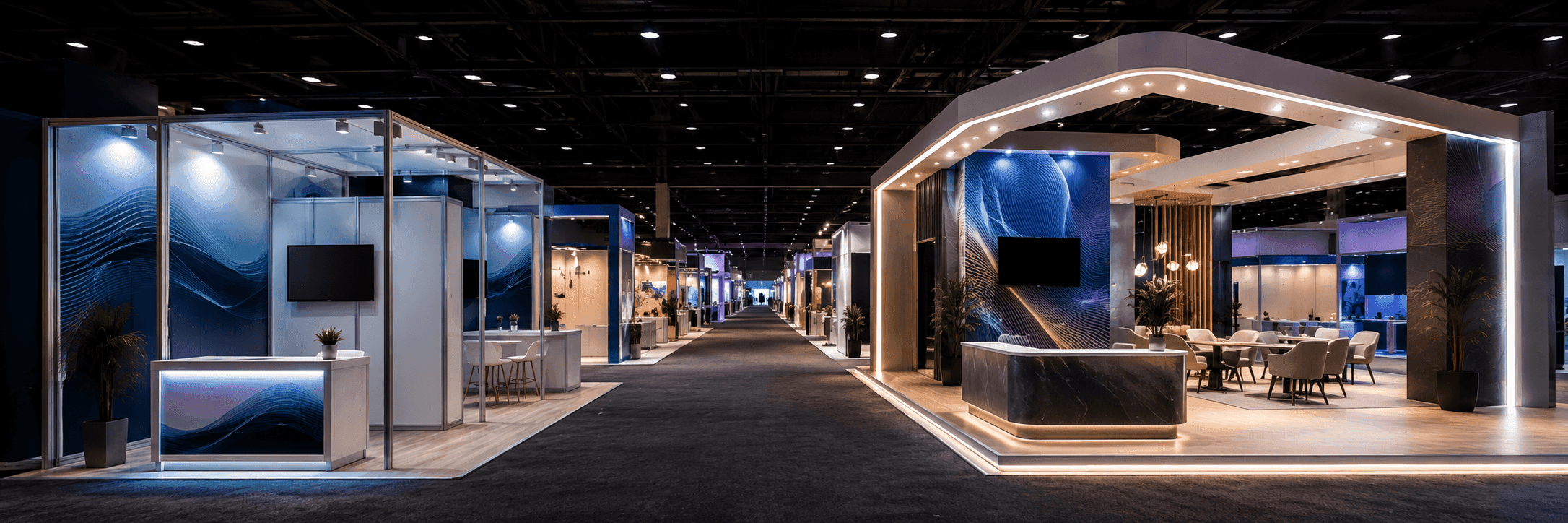
Technology exhibitors should prepare screens, tablets, demo accounts, chargers, backup files, and reset steps before move-in at McCormick Place.
McCormick Place Setup Notes for Technology Exhibitors
After the screen flow and booth message are set, restaurant technology exhibitors should plan how the demo will run on-site at McCormick Place. Screens, tablets, demo devices, chargers, cables, printed notes, lead capture tools, and backup files should be packed and labeled before move-in.
A tech booth can lose momentum if a screen, tablet, login, or demo account is not ready. The team should know which devices need power, which screen shows the main workflow, where backup files are stored, and how to reset the demo between visitor conversations.
For device setup, freight timing, staff handoff, and show-site preparation, logistics and pre-show coordination can help exhibitors get the booth ready before the floor opens.
Restaurant Technology Booth Planning Checklist
Before booth production or show-site setup begins, restaurant technology exhibitors should check the main demo details:
Define the technology type: POS, ordering, kiosk, automation, AI tool, or hospitality software
Build a short screen flow from use case to action to outcome
Keep the first demo simple for aisle traffic, with a deeper walkthrough ready for serious buyers
Separate the demo screen, buyer discussion, and lead capture area when space allows
Choose booth size based on screen viewing, staff explanation, operator questions, and lead capture needs
Prepare screens, tablets, chargers, cables, demo accounts, backup files, and reset steps before move-in
FAQ
These questions help restaurant technology exhibitors check the demo before the booth is built.
How should restaurant technology exhibitors plan a demo booth for the National Restaurant Show?
Start with the workflow buyers need to understand first. A POS system, ordering tool, kiosk, automation platform, AI restaurant tool, or hospitality software should show a clear use case, a short screen flow, and a natural path into questions.
What should a restaurant technology booth include?
A restaurant technology booth may include demo screens, tablets, workflow visuals, lead capture tools, printed notes, staff explanation space, and a small meeting area. The setup should help operators, IT teams, and buyers see how the system fits daily restaurant operations.
What booth size works for restaurant technology exhibitors?
A 10x20 booth often works well for one screen demo, quick staff explanation, buyer conversation, and lead capture. A 20x20 booth may fit better when exhibitors need multiple demo stations, a larger workflow story, or more meeting space.