Match the Booth to the Foodservice Product Type
Foodservice exhibitors should shape the booth around what they are showing, not start with a fixed layout. A restaurant equipment display, food and beverage sample booth, packaging or tableware presentation, and restaurant technology demo each need a different way to use space and guide visitors.
Equipment may need room for access, safety clearance, and operator questions. Food and beverage brands may need a clean sample path and clear product claims. Technology exhibitors may need screens, workflow visuals, and a simple demo area. Those differences matter. A technology-focused exhibit may move toward restaurant technology booth planning, while equipment-heavy booths or organic and natural food displays may need more specific planning through restaurant equipment booth planning or organic and natural food booth planning.
The booth should help visitors understand the product type quickly: what it is, how it fits restaurant operations, and whether it is worth a deeper conversation.
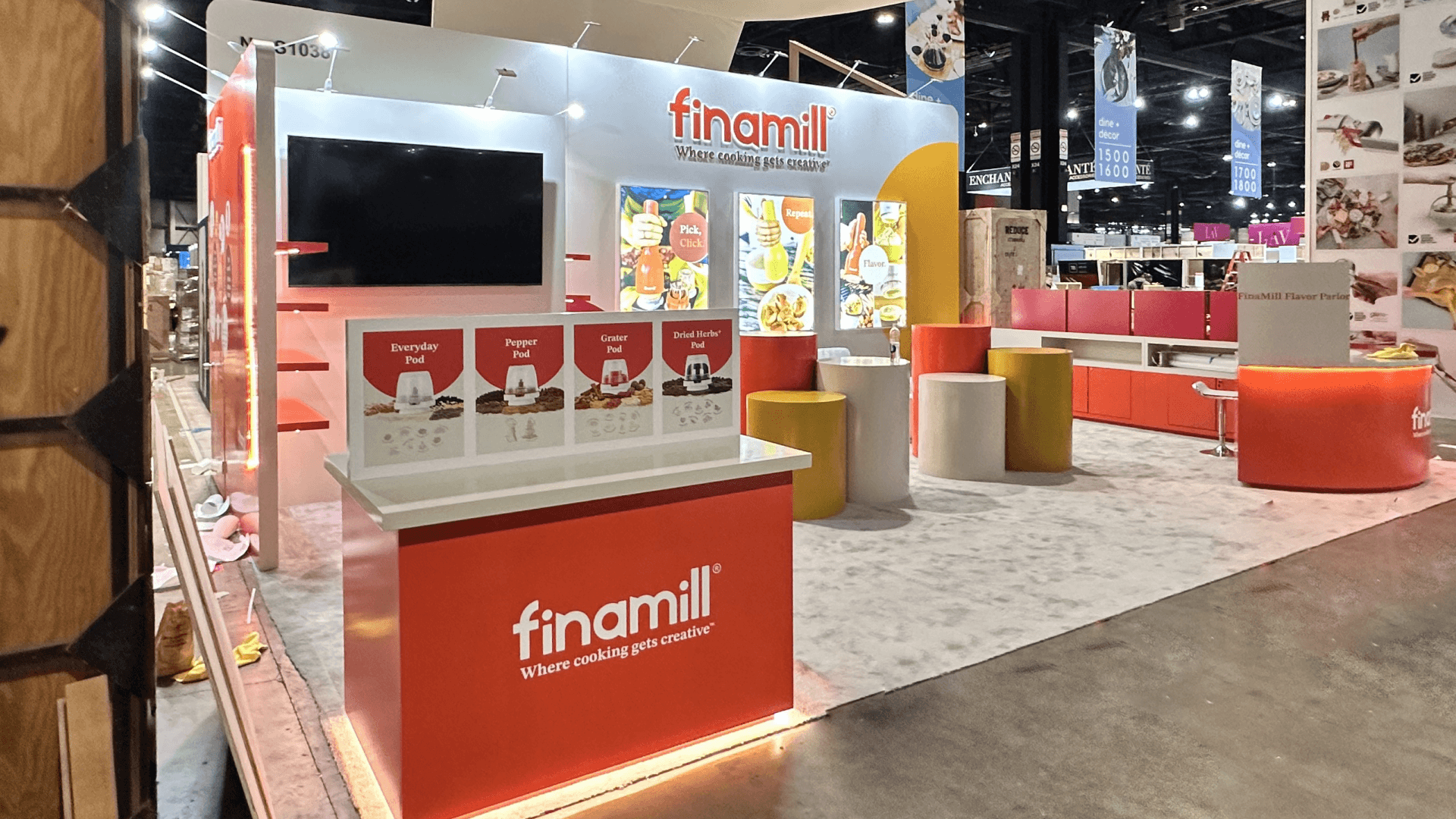
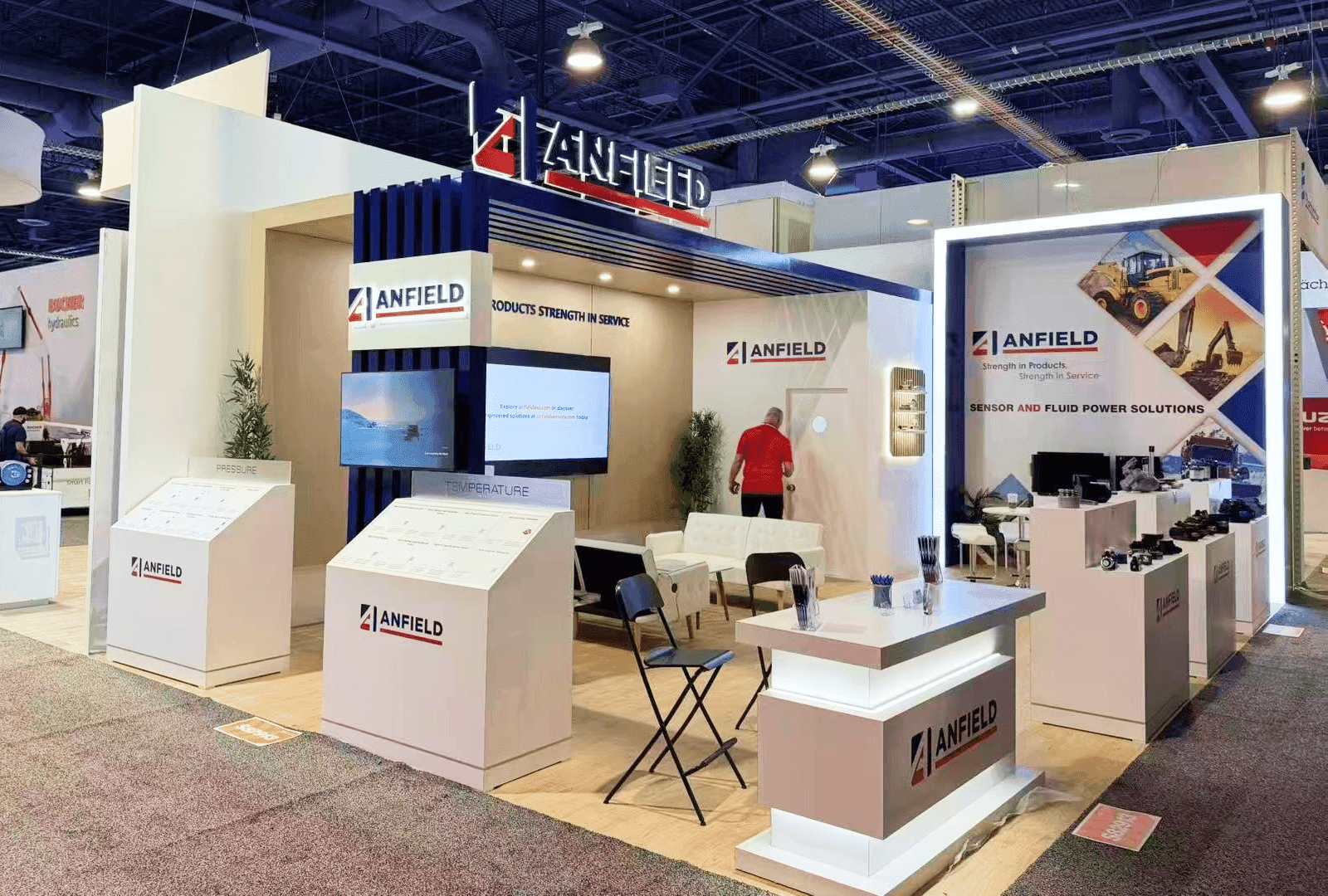
Foodservice exhibitors should shape product displays around what operators and buyers need to understand first, whether the booth shows equipment, food samples, packaging, tableware, technology, or supplier services.
Plan Product Display, Sampling, and Demo Flow
After the product type is clear, the booth should guide visitors through the next step: seeing the product, understanding how it is used, and knowing what to ask about. Foodservice booths often need a mix of display, sampling, short demos, and staff conversation, but not every visitor needs the same path.
Food and beverage brands may need a clean sample flow with simple product notes. Equipment suppliers may need space for operators to view access points and ask practical questions. Packaging, tableware, service providers, and restaurant technology exhibitors may use displays, screens, or short demos to show how the product fits real restaurant operations.
The flow should be easy to read from the aisle: product first, use case second, conversation third. That keeps the booth useful for chefs, operators, distributors, and procurement teams without making the space feel like a crowded product catalog.
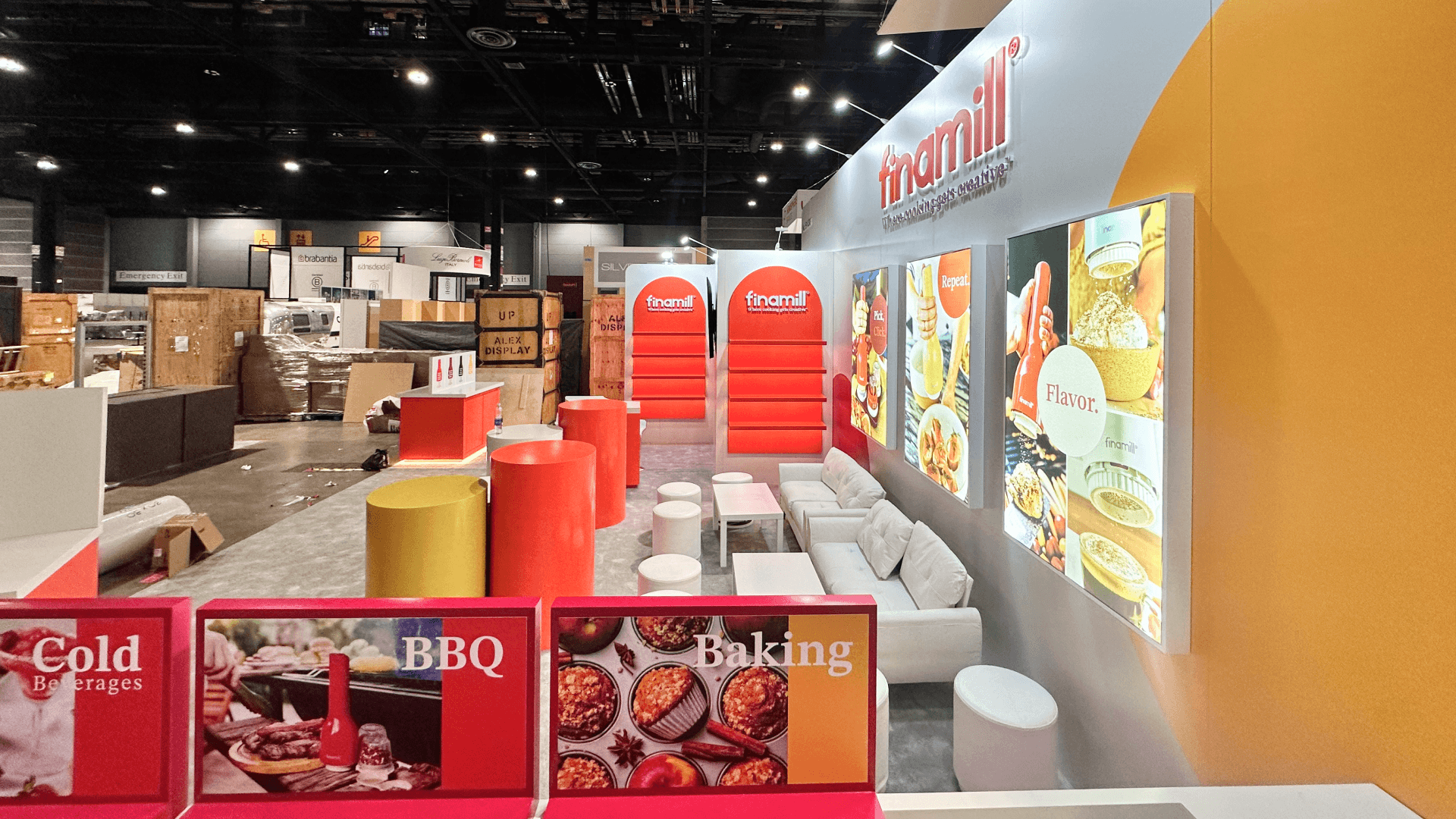
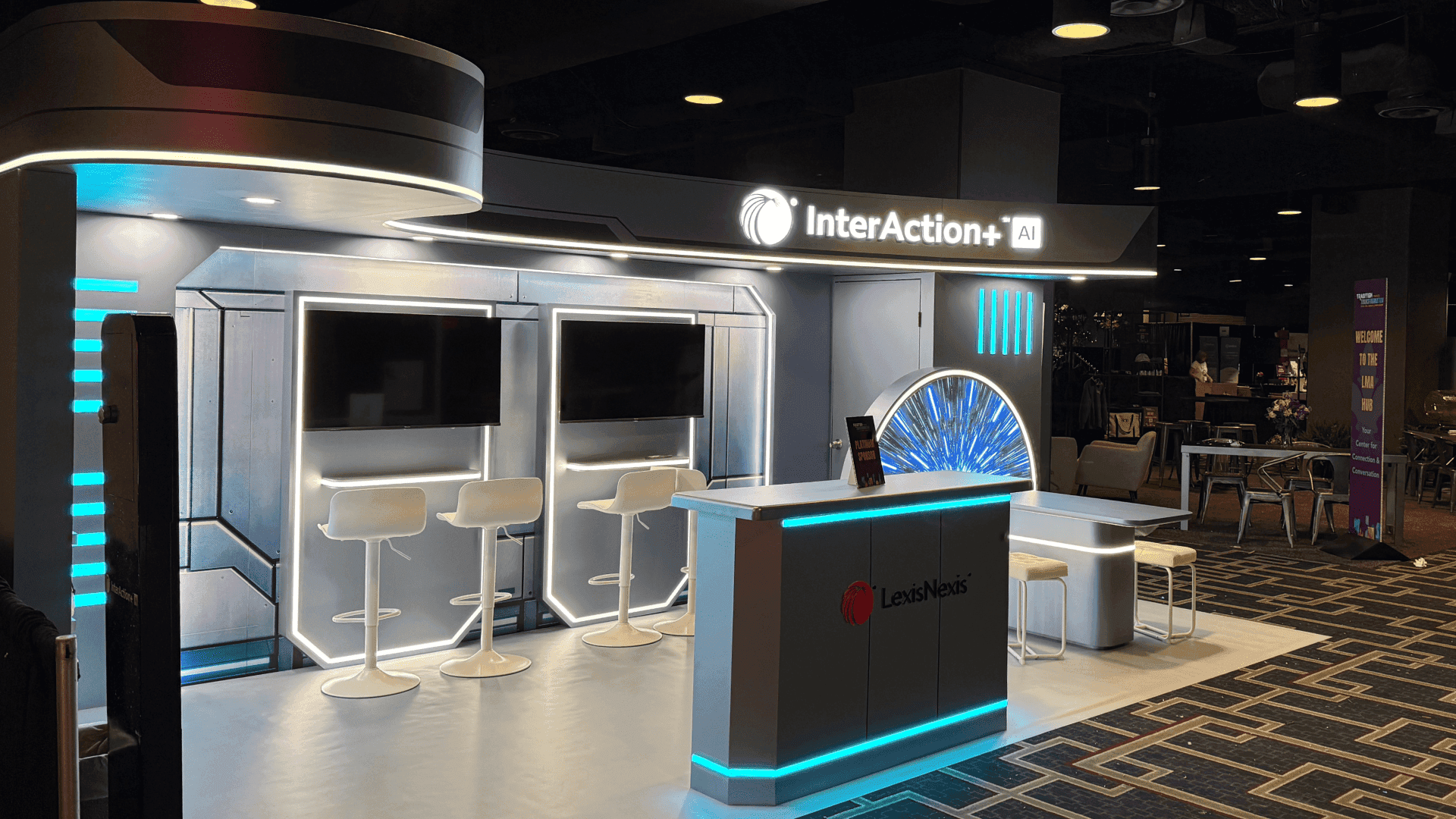
A 20x20 booth can give foodservice exhibitors room for product zones, sampling, short demos, staff conversations, and buyer meetings without making the layout feel too large.
Choose Booth Size Based on Product Complexity and Demo Needs
After the display, sampling, and demo flow is planned, booth size should support how visitors actually use the space. A focused food, packaging, or tableware display may work in a smaller booth, while equipment, multiple samples, or several product categories usually need more room for viewing, questions, and staff movement.
Booth size | Better fit for | Planning notes |
|---|---|---|
10x10 | Focused product display or simple sample setup | Works when the product story is compact |
10x20 | Sample flow, small demo, packaging or tableware display | Gives more room for product notes and buyer questions |
20x20 | Multiple product zones, demos, and meeting space | Helps separate display, sampling, and conversations |
20x30 | Equipment display, larger demos, multiple product categories | Better when product access or scheduled meetings need more room |
For many foodservice exhibitors, 20x20 booth planning gives a practical balance of product display, sampling, short demos, and buyer conversations without making the layout feel too large.
Use Graphics to Make Products Clear From the Aisle
Once booth size and product zones are set, graphics should help visitors read the offer before they step inside. On a busy National Restaurant Show aisle, buyers need to see the product type, use case, and reason to stop within a few seconds.
Food and beverage brands may use sample labels, application photos, and short product benefits. Equipment, packaging, tableware, and service providers may need visuals that show where the product fits: in the kitchen, at the counter, in delivery, or back of house.
For foodservice exhibitors, graphics and brand presentation should make the booth easier to read, not just more decorated. Clear visuals help chefs, operators, distributors, and buyers decide whether the product deserves a closer look.
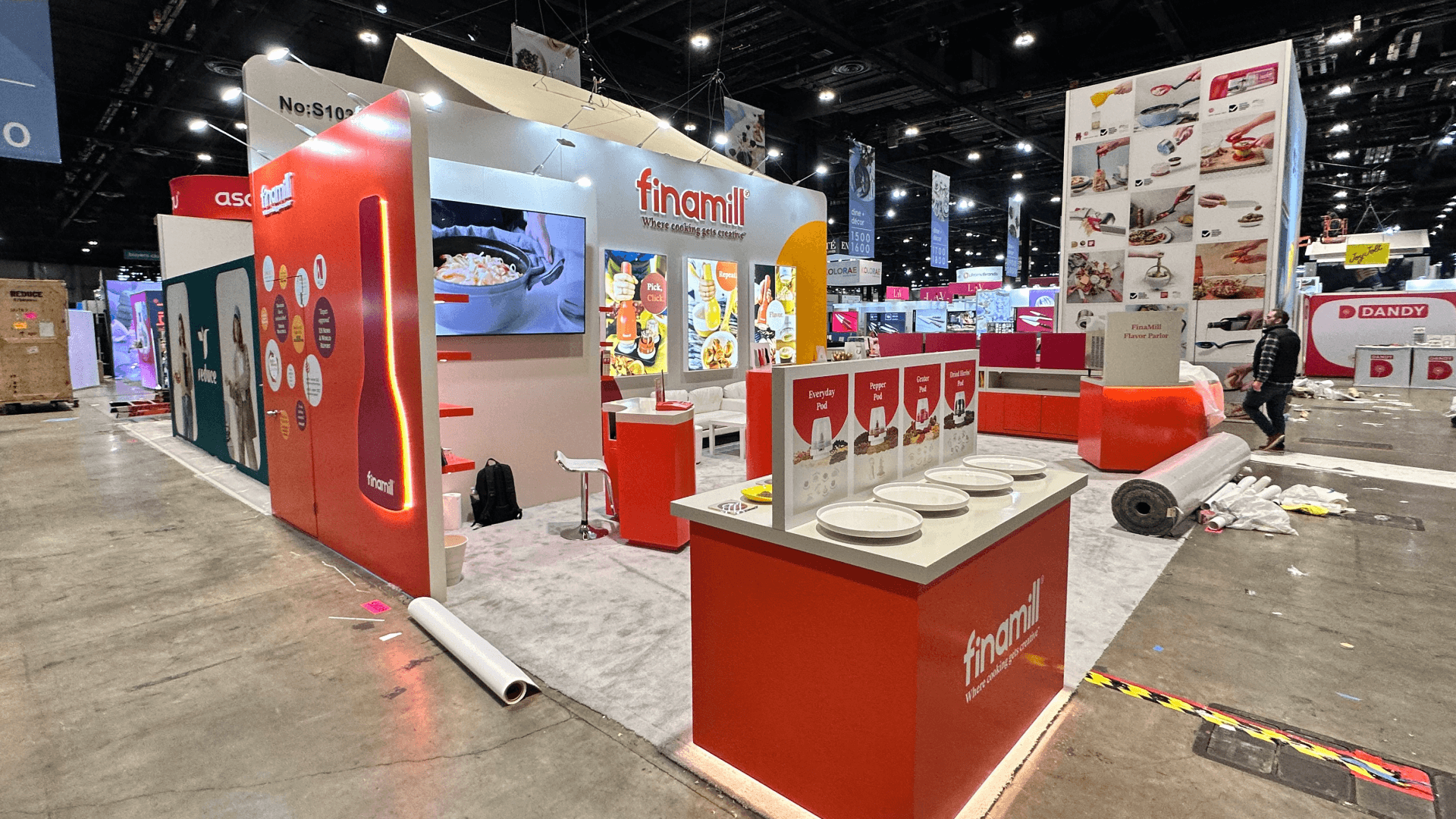
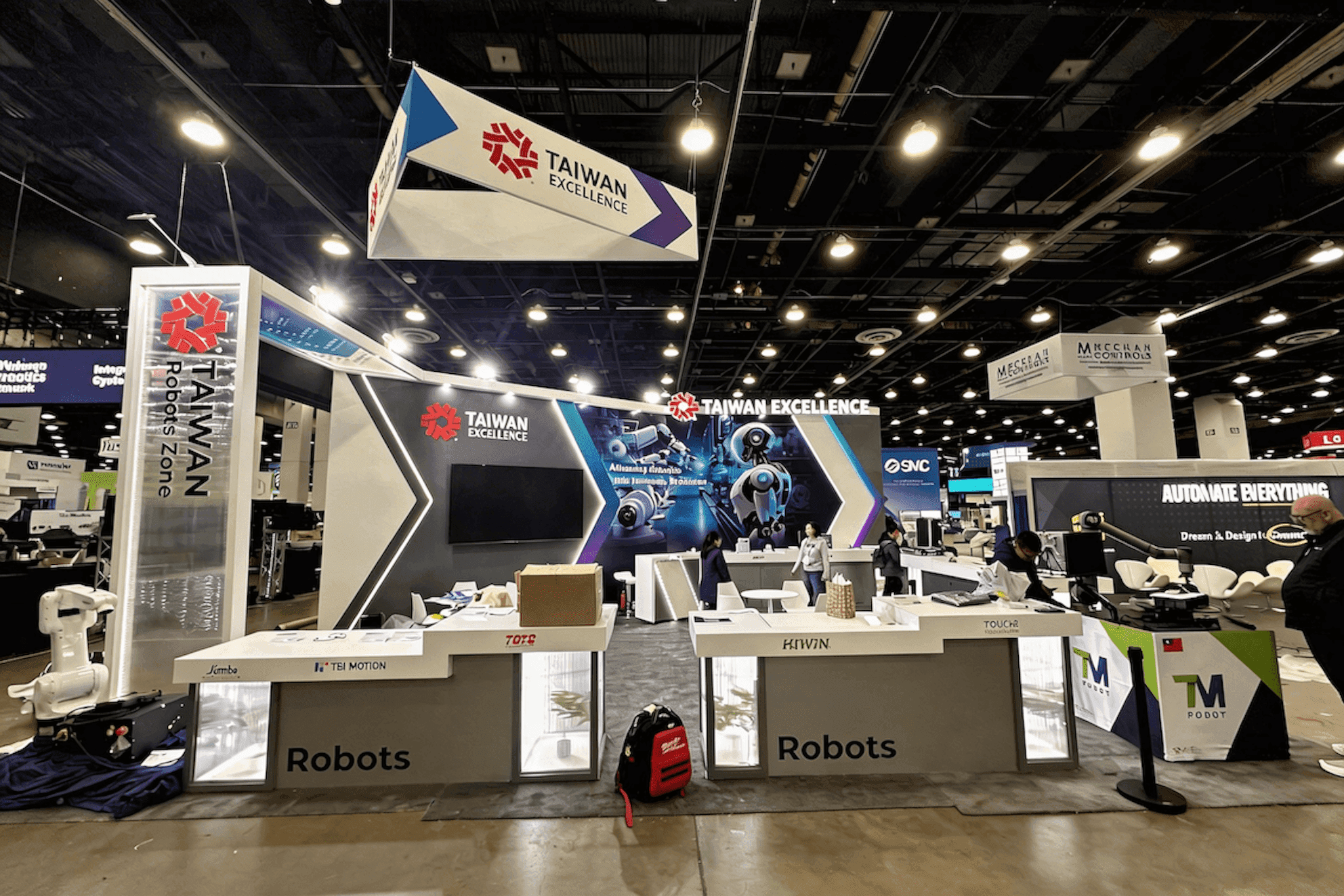
Foodservice booth setup at McCormick Place should keep samples, equipment, screens, printed materials, backup supplies, and reset steps organized before the show floor opens.
McCormick Place Setup Notes for Foodservice Exhibitors
Once the product zones, booth size, and aisle messaging are set, foodservice exhibitors should plan how the booth will work during move-in and show days at McCormick Place. Samples, equipment, packaging displays, screens, printed materials, and staff supplies should be packed and labeled so the team can find them quickly.
Foodservice booths can get crowded fast when samples, demo materials, or product literature are hard to reset. The team should know where backup materials are stored, how sample areas will be refreshed, and which items need to stay close to the demo counter, equipment display, or meeting area.
For freight timing, booth materials, and show-site preparation, logistics and pre-show coordination can help exhibitors get the booth ready before the floor opens.
Foodservice Booth Planning Checklist
Before booth production or show-site preparation begins, foodservice exhibitors should review the main setup decisions:
Match the booth layout to the product type: equipment, samples, packaging, tableware, technology, or supplier services
Plan how visitors move from the aisle to product display, sampling, demos, and staff conversations
Choose booth size based on product complexity, demo needs, meeting space, and staff movement
Use graphics, labels, and aisle-facing visuals to make the product type and use case clear quickly
Prepare samples, equipment, screens, printed materials, backup supplies, and reset steps before move-in
Confirm McCormick Place setup needs, including freight timing, booth materials, staff handoff, and show-day preparation
FAQ
These questions can help foodservice exhibitors check the main booth decisions before production begins.
How should foodservice exhibitors plan a booth for the National Restaurant Show?
They should start with what visitors need to understand from the aisle. Equipment, samples, packaging, tableware, technology, and supplier services each need a clear way to show the use case, product value, and next conversation.
What should a foodservice booth include?
A foodservice booth may include product displays, sample areas, short demos, aisle-facing graphics, printed materials, small meeting space, and backup storage. The setup should help chefs, operators, distributors, and procurement teams understand how the product fits real restaurant operations.
What booth size works for foodservice exhibitors?
A 10x20 booth can work for focused samples or compact displays. A 20x20 booth often fits exhibitors that need product zones, demos, and buyer conversations. Larger booths may be better for equipment, multiple categories, or scheduled meetings.