Neuroscience Trade Show Booth Planning for Scientific Exhibitors

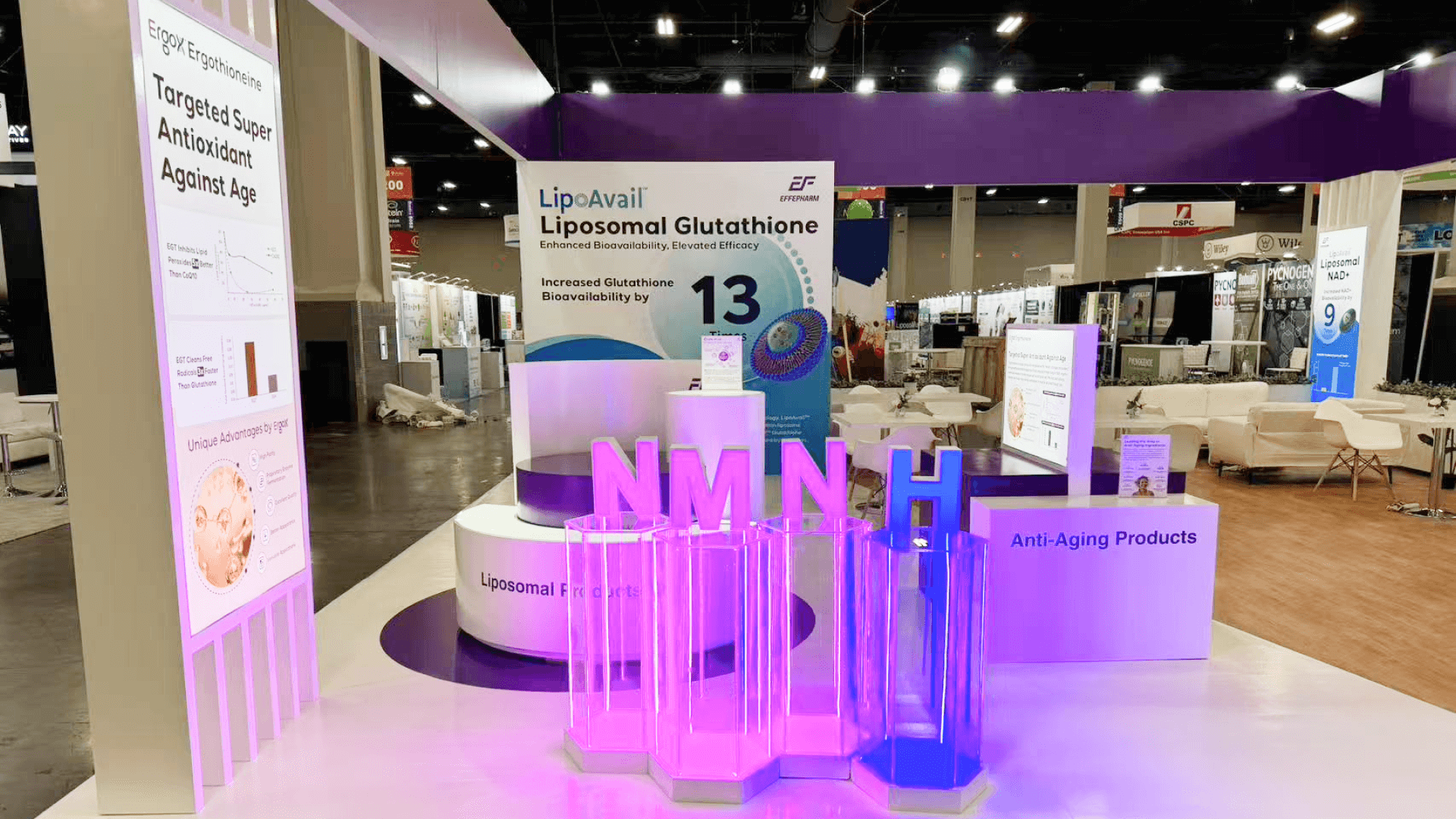
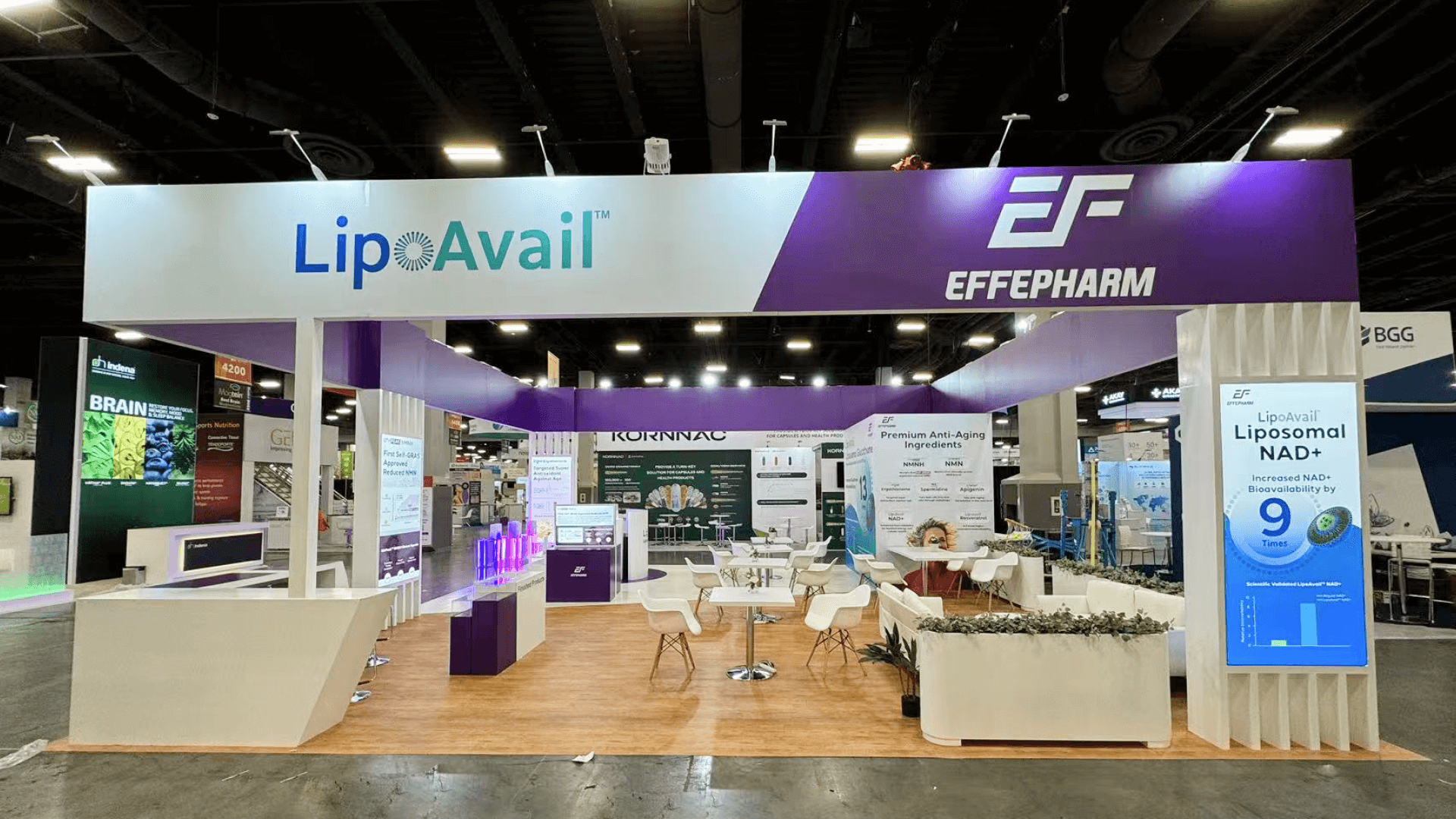

How should exhibitors plan a booth for Neuroscience?
Start with what scientific visitors need to evaluate rather than choosing the footprint first. Physical research instruments often make operating clearance and live demonstration the main space drivers, while software and data products rely more on workflow explanation and screen-based demos. Size, storage, meetings, graphics, and show-site requirements should follow that primary task.
Neuroscience exhibitors do not all need the same booth logic. A microscope, recording system, or other physical research tool may require operating clearance, live demonstration, visible output, and room for technical questions. A software or data platform may need far less product space but more room for screens, guided demos, and parallel conversations.
Booth size therefore follows the work happening inside the exhibit. A focused software demo may fit a 10x20. Once the booth also needs room for a physical system, an operator, several observers, a data screen, storage, and technical discussion, a 20x20 booth becomes a more practical starting point. For hybrid products, start with whichever requirement controls the space: the hardware operating area or the number of active demo stations. When physical equipment sets that limit, Neuroscience research instrument demo booth planning goes deeper into operating clearance, visitor viewing, utilities, and live-demo readiness.
Neuroscience 2026 is scheduled at Walter E. Washington Convention Center, so freight, utilities, internet, AV, and setup requirements should be checked before production is finalized. Teams that need broader design, build, logistics, and show-site support can connect the event plan with Circle Exhibit’s trade show exhibit design, build, and delivery capabilities.
Why Exhibitors Choose Circle Exhibit
Clear scope, transparent quote review, nationwide booth support, and efficient setup planning for qualified rental and custom exhibit projects.
48hr
Setup Window
10+
Years Since 2014
U.S.
Trade Show Support
Real
Booth Project Proof
Choose the footprint around the activity that consumes the most useful space: a focused demo, physical equipment, simultaneous software demos, technical conversations, storage, or several functions running together.
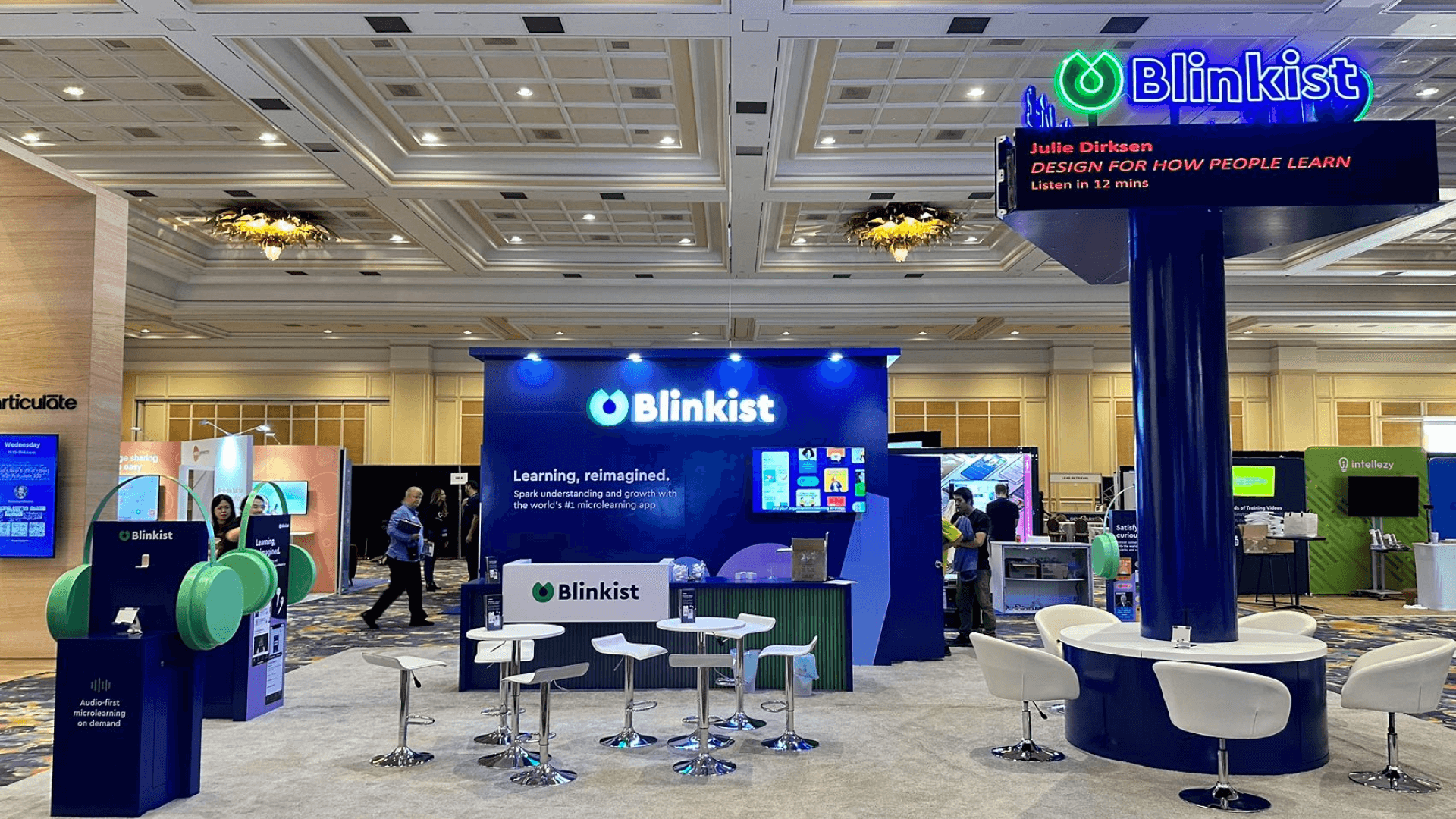
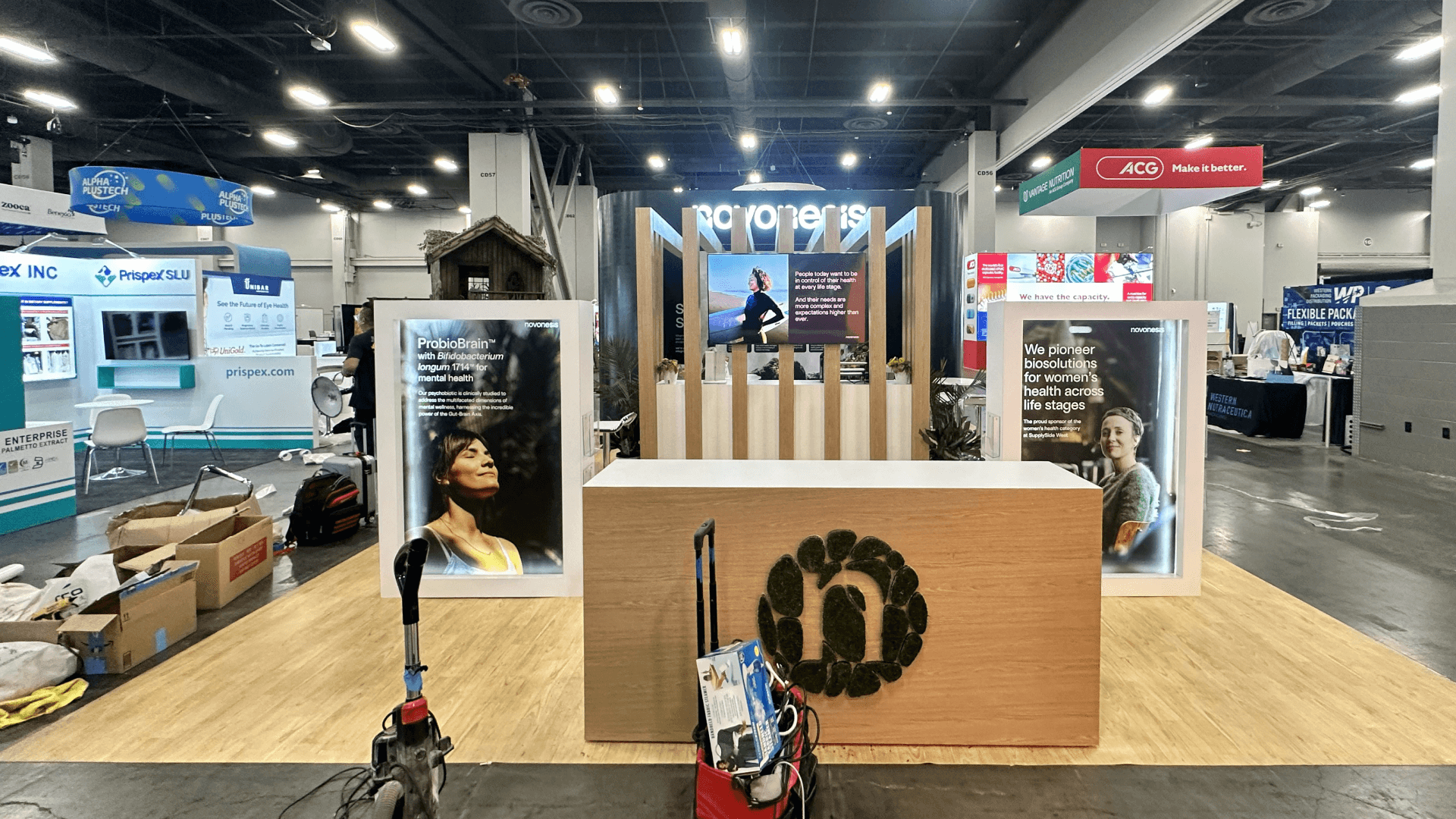
A 10x20 booth fits one focused research product, a compact instrument, or a guided software demo with clear aisle messaging, light storage, and one main conversation point. It becomes tight when several visitors need to interact at once.
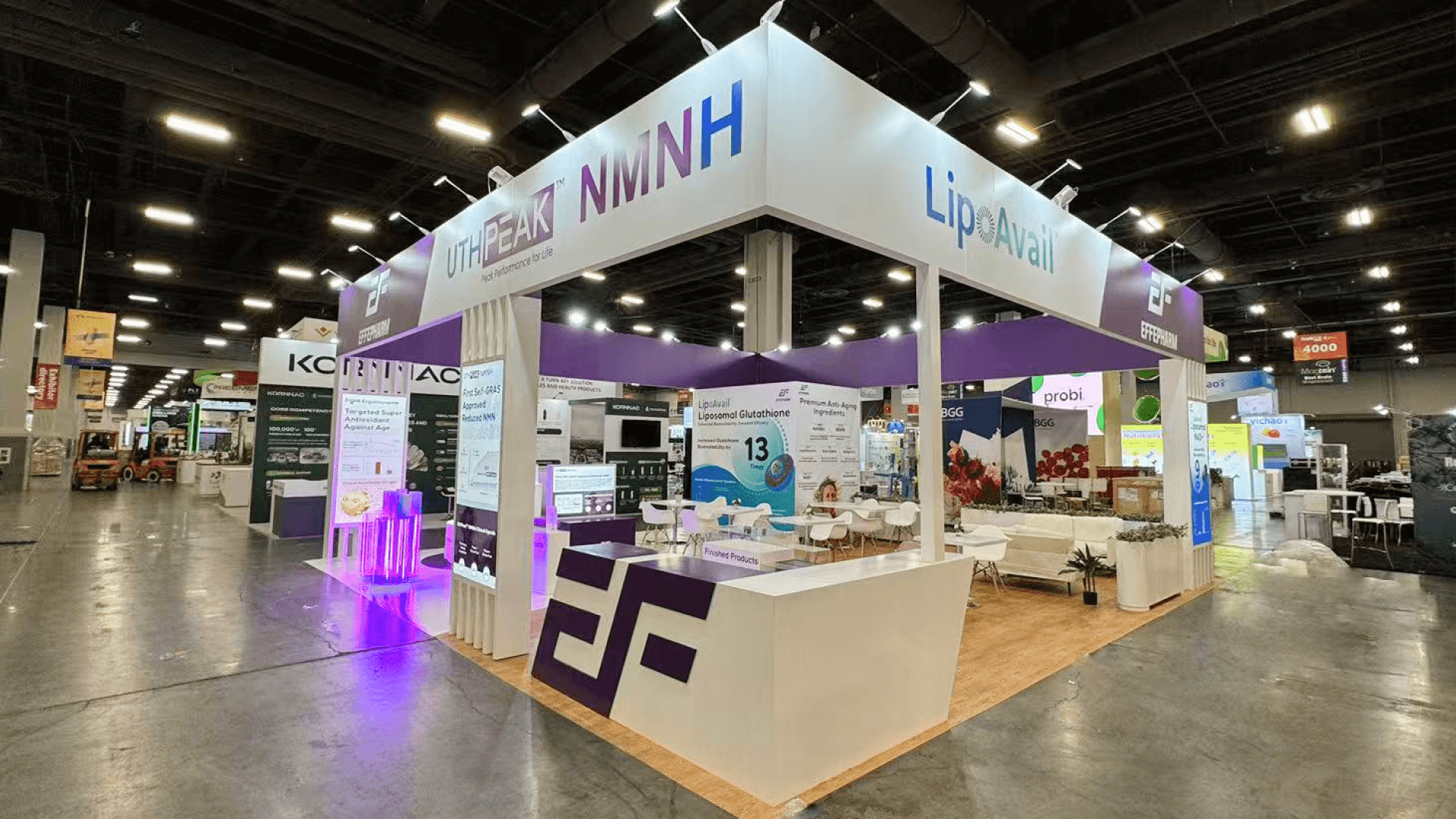
A 20x30 booth adds room for multiple demo functions, a larger discussion area, more storage, or clearer separation between active demonstrations and follow-up conversations.
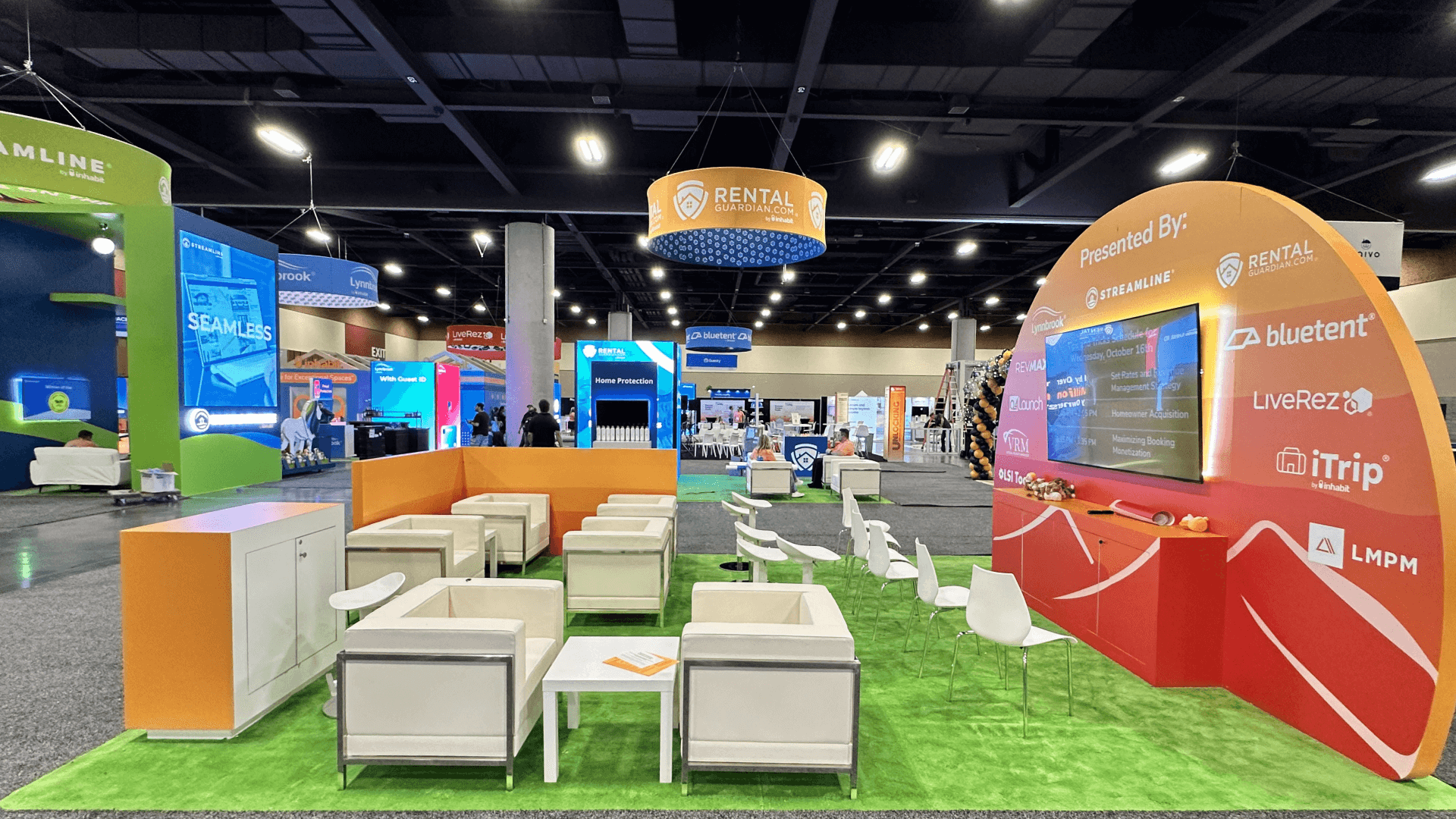
A 20x20 booth can separate the main demo from technical discussion, add useful storage, and accommodate either a working research instrument or several software demo positions without forcing every activity into one zone.
A 30x40 booth or another larger island layout suits programs where several equipment or demo zones need independent circulation, stronger visibility, meeting capacity, and room to operate without interference.
A larger footprint is not automatically the better choice. The key question is whether demos, equipment access, visitor flow, and technical conversations can still work through one controlled path. When those functions begin competing for space, inline vs. island booth planning helps determine when staying inline still works and when an island becomes justified.
The display should help researchers understand what the product does, see the relevant proof or workflow, ask a useful first question, and move into deeper discussion when needed.
The aisle-facing message should establish what research task, method, or technical problem the product addresses before visitors are asked to absorb detailed features.
Physical products may need live operation and visible output. Digital products may rely on workflow graphics and active screens. The display method should follow how the product is judged.
The booth needs a natural handoff from the first demo into application, compatibility, data, integration, or purchasing questions without holding up the next visitor.
Storage, staff supplies, lead capture, screens, power, and meeting space should reinforce the main demonstration or conversation without becoming the first thing visitors notice.
Neuroscience brings together research instruments, imaging systems, neurotechnology, laboratory tools, software, data platforms, reagents, publishing, and scientific services.
Neuroscience 2026 takes place at Walter E. Washington Convention Center in Washington, D.C.
Attendees include neuroscientists, principal investigators, laboratory teams, researchers, technical users, and other scientific professionals evaluating research tools, methods, and services.
Not Sure Which Booth Size You Need?
Not every exhibitor knows whether a 10x20, 20x20, 20x30, or larger booth is the right fit. Circle Exhibit can help review your event goals, product display needs, demo areas, meeting space, storage, budget scope, and setup timeline before you choose a booth size.
Researchers Need More Than a Quick Product Pitch
Choosing the Footprint Too Early Creates Tradeoffs
1
Define What Visitors Must Evaluate
2
3
4
Rental for Focused Scientific Displays
Rental works well when the exhibit mainly needs branded walls, screens, counters, practical storage, and a focused demo or conversation path. 20x20 rental booth designs provide a useful reference.
Custom Build for Integrated Technical Exhibits
Custom work becomes more useful when specialized equipment, unusual access requirements, several active zones, or integrated technical displays begin to shape the architecture itself.
Hybrid When Only Part Needs Custom Work
A reusable rental structure can be paired with custom equipment supports, counters, graphics, AV, or demo components when only one part of the exhibit requires special integration.
Flooring, electrical, internet, AV, labor, and material-handling needs should match the finished booth program before production is locked.
Power, internet, AV, and other required services need to be active before the team runs final instrument or software demo checks. A finished booth is not necessarily ready.
Booth freight, research products, equipment, utility locations, storage, and installation access should be planned as one sequence rather than separate orders.
Before opening, confirm that demos run, screens are readable, storage remains accessible, staff know the handoff path, and visitor flow works in practice.
Need a Flexible Neuroscience Booth Rental?
A rental booth can work well when the exhibit needs branded structure, screens, demo space, storage, and room for technical conversations without a fully custom build. For many Neuroscience exhibitors, a 20x20 rental provides enough flexibility to organize the main product or demo task while keeping the layout reusable for future shows.
What should a Neuroscience booth be planned around first?
Start with what visitors need to see, operate, or understand and what should happen after that first interaction. The footprint should support those tasks.
Should Neuroscience exhibitors choose booth size before planning the demo?
How should instrument and software exhibitors plan differently?
Is a 20x20 booth enough for Neuroscience?
Why does show-site preparation matter for Neuroscience exhibitors?
READY TO PLAN YOUR NEXT BOOTH?
Let’s Build a Booth That Fits Your Event
Share your event name, booth size, city, timeline, product display needs, and design references. Circle Exhibit will review your project direction and help you choose a rental-friendly or custom exhibit path.
3000+
Booth Projects Supported
50+
U.S. Event Cities
Transparent
Quote Review
For screen-led exhibitors, this page goes deeper into workflow explanation, demo stations, connectivity, and parallel technical conversations.
Once 20x20 becomes the likely footprint, the size guide helps work through demo capacity, storage, circulation, and meeting tradeoffs in more detail.
When the functional program is settled, design and engineering translates products, screens, utilities, storage, and visitor flow into a buildable layout.
When freight and service timing become the next constraint, pre-show coordination helps align booth materials, products, service orders, storage, and site readiness.
At show site, installation planning connects structure, utilities, product placement, final testing, and opening-day readiness in the correct order.