IFT FIRST Booth Planning for Food Science Exhibitors
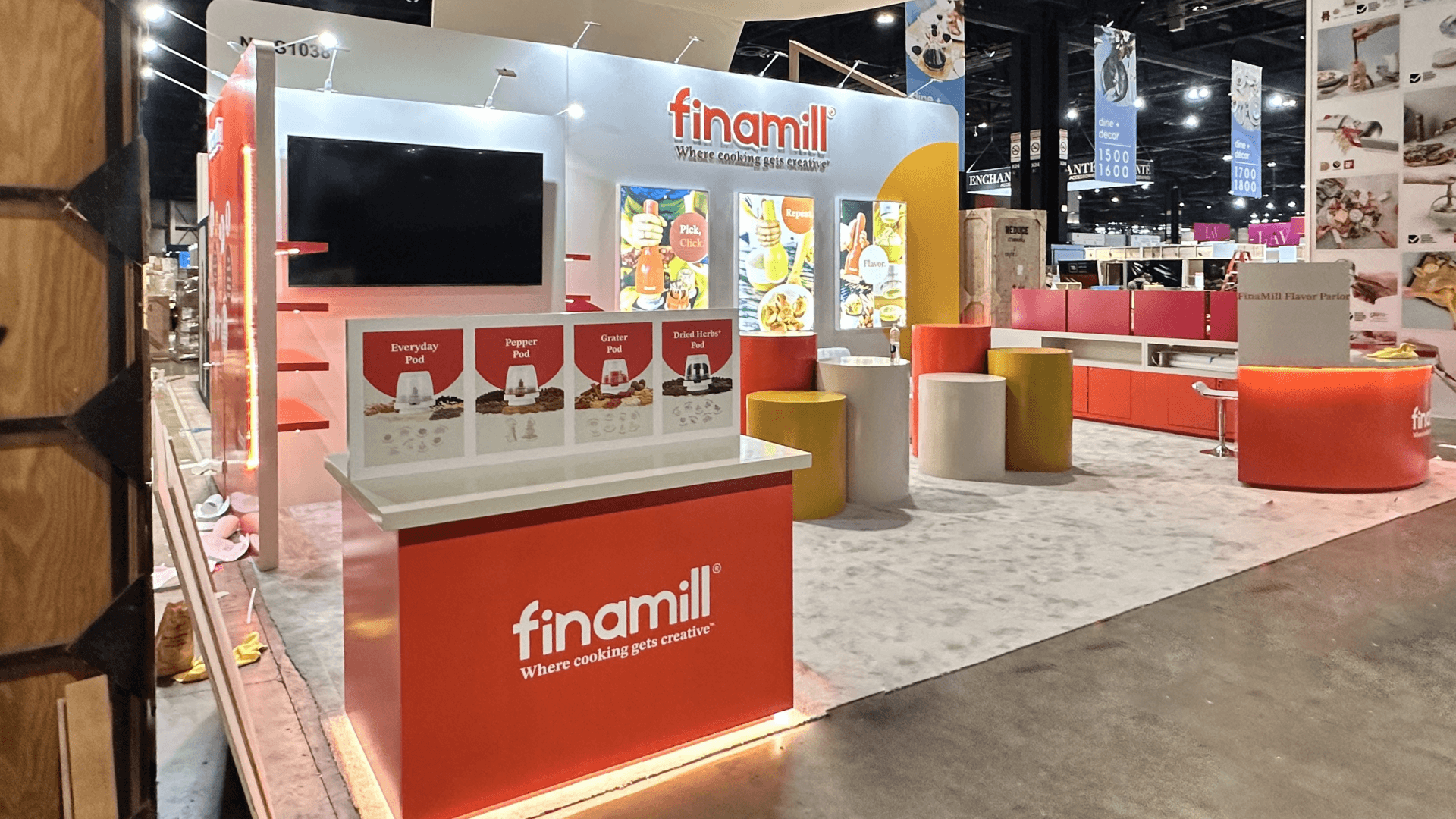

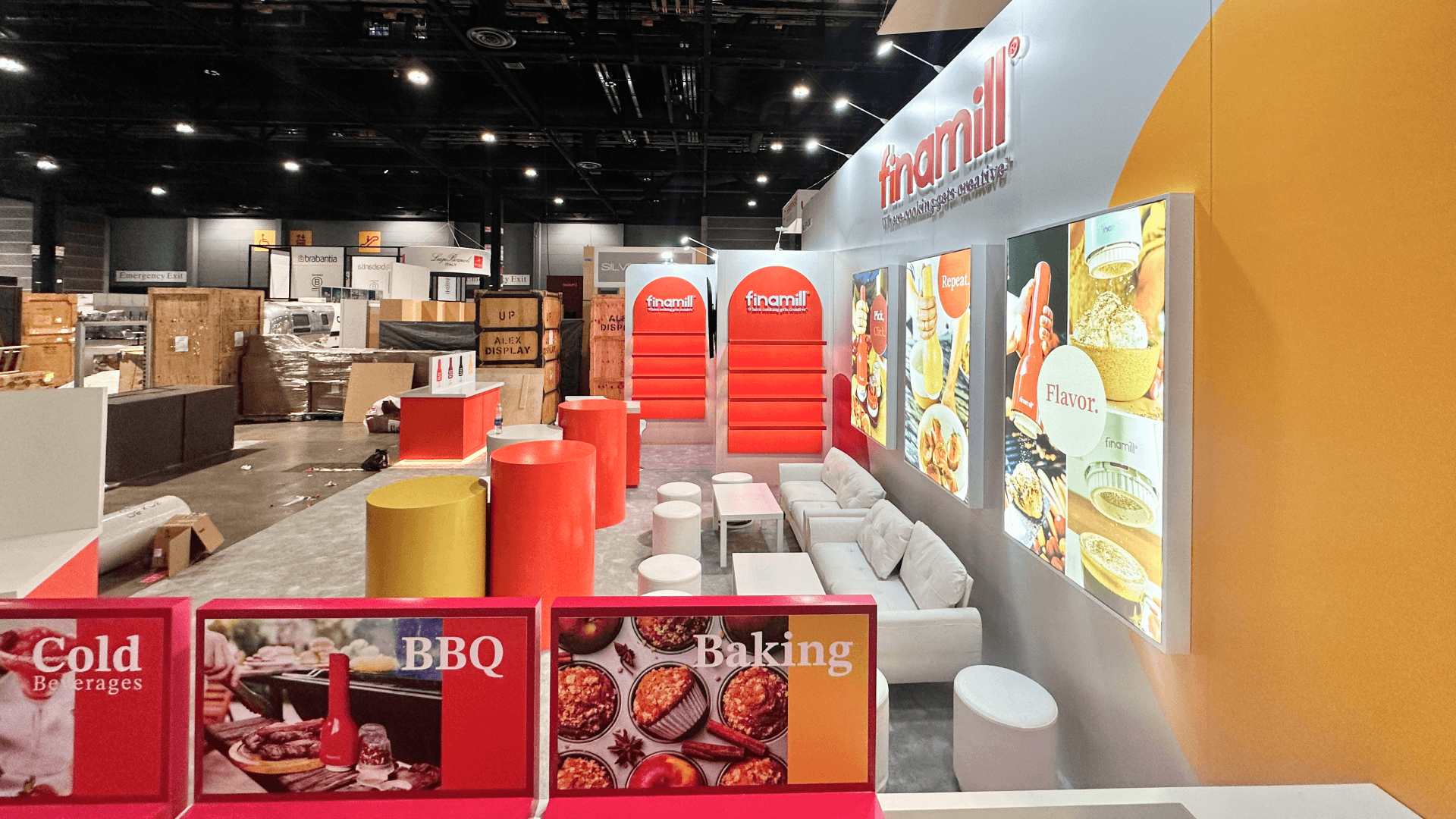

How should exhibitors plan a booth for IFT FIRST?
IFT FIRST booths should be planned around how food science buyers understand a product in a short visit. Samples, application examples, screen content, product claims, storage, and staff conversations need a clear flow, especially for exhibitors presenting food technology, safety, quality, ingredient, or product development solutions at McCormick Place.
IFT FIRST booth planning starts with the product story visitors need to understand first. Food science, ingredient, product development, safety, quality, and food technology exhibitors often need space for samples, application examples, product claims, screen content, and technical conversations—not just a branded backwall.
For focused planning paths, compare IFT FIRST Startup Pavilion booth planning for emerging food-tech brands and food ingredient booth planning for sample-led ingredient displays and application examples. This main IFT FIRST page stays focused on the broader food science booth strategy.
Because the event takes place at McCormick Place, exhibitors also need to plan freight timing, installation sequence, graphics readiness, booth reset, and final setup checks before move-in. For local execution context, review Chicago exhibit support for food science exhibitors and match the layout to practical booth sizes such as 20x20 trade show booth planning.
Why Exhibitors Choose Circle Exhibit
Clear scope, transparent quote review, nationwide booth support, and efficient setup planning for qualified rental and custom exhibit projects.
48hr
Setup Window
10+
Years Since 2014
U.S.
Trade Show Support
Real
Booth Project Proof
IFT FIRST booth size should match the product story, sample volume, staff needs, and level of explanation required. The right layout helps visitors understand food science products without creating crowding around counters or screens.
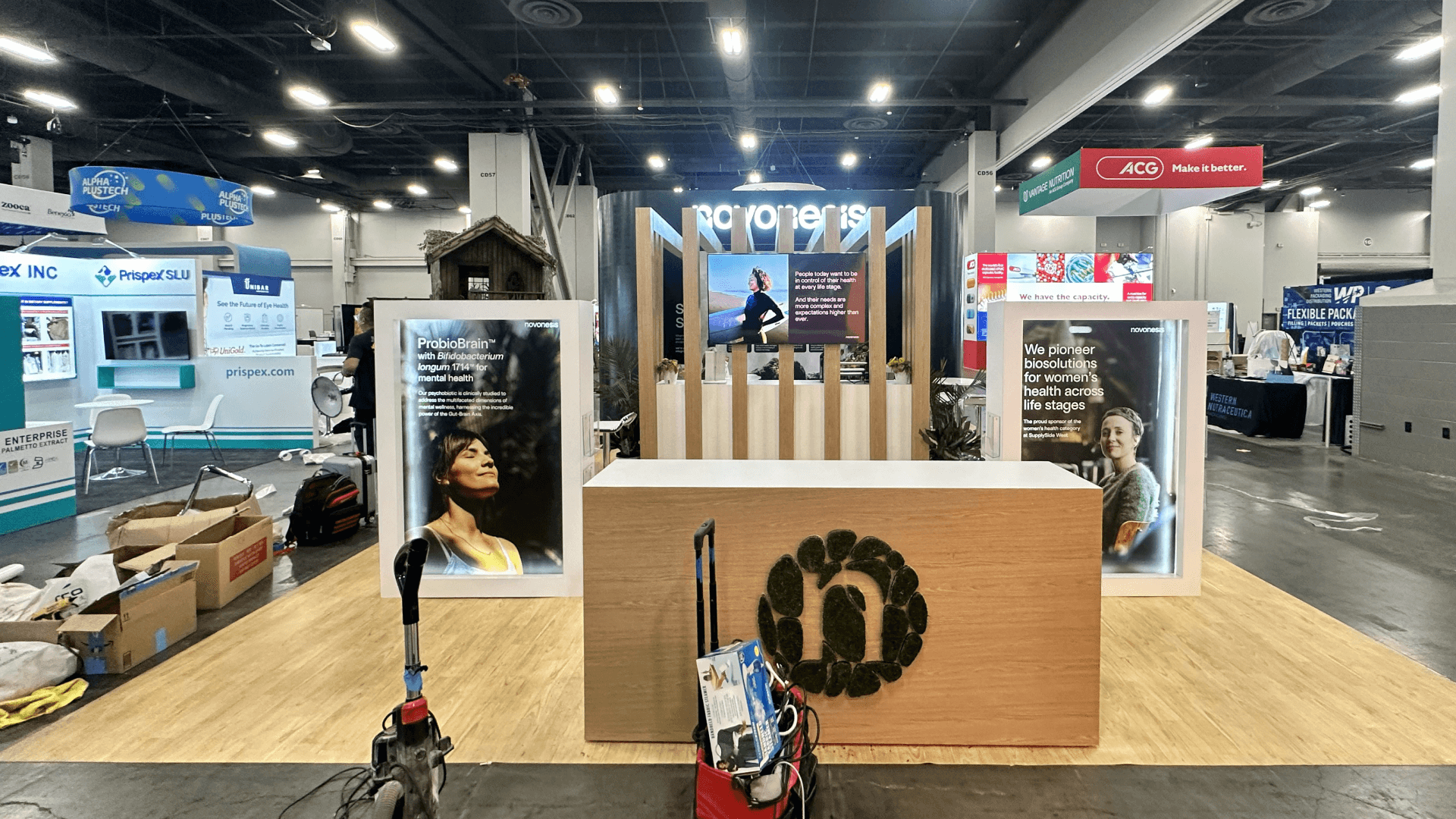
A 10x10 booth can work for a single-product story, compact sample display, or focused technical message that does not require multiple demo zones.
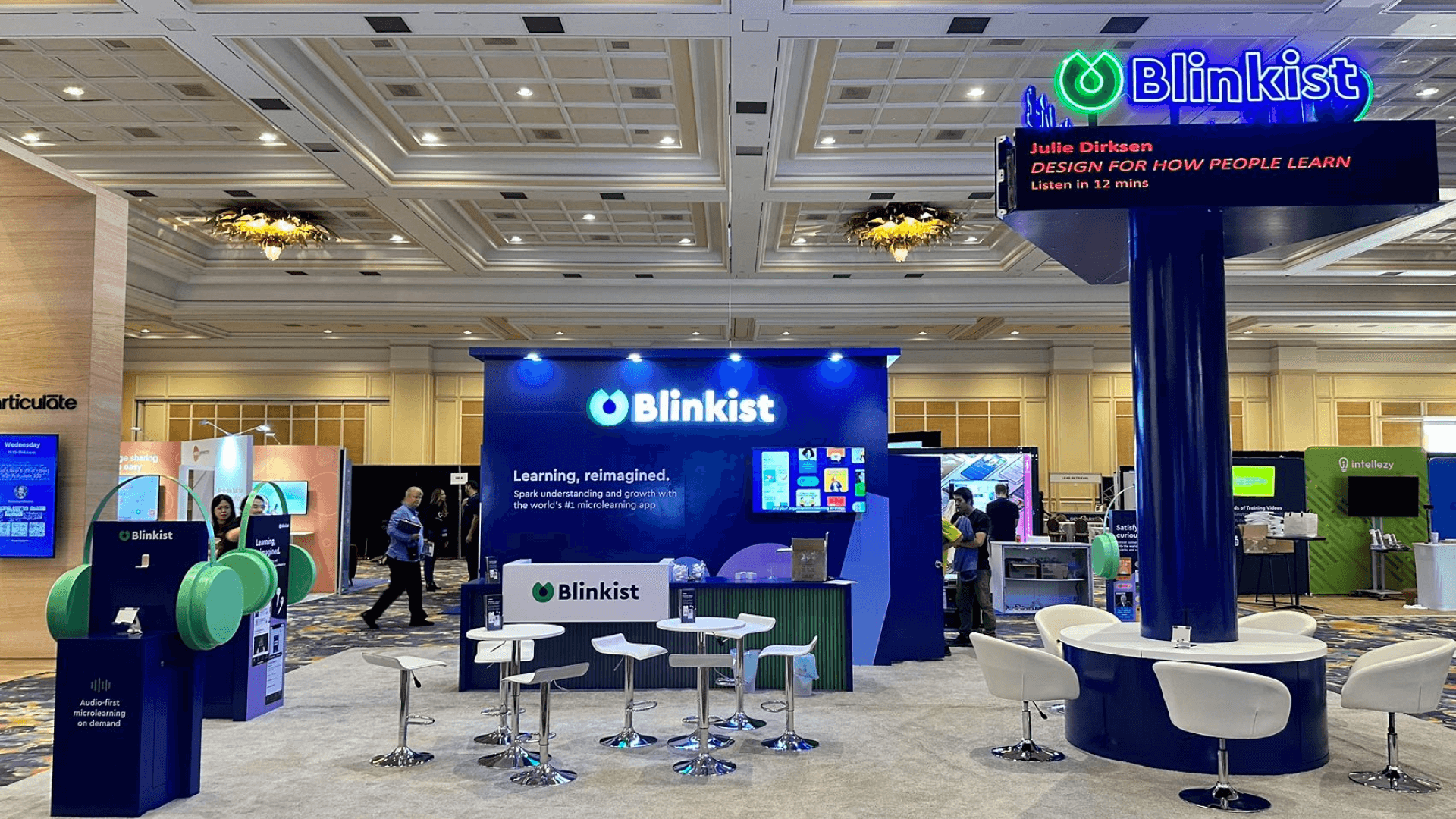
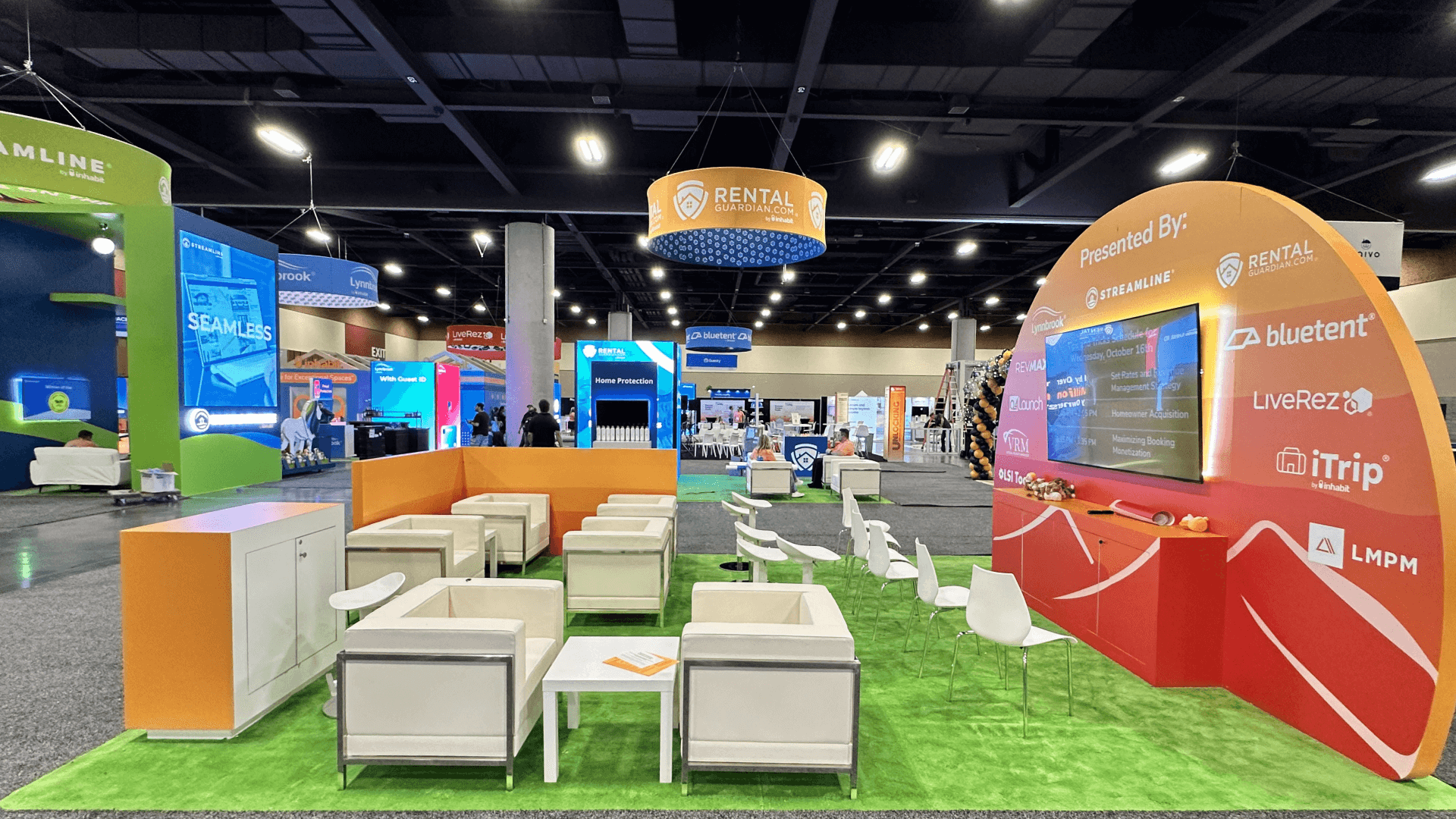
A 20x20 booth fits product demos, application examples, screen content, storage, and several staff members without making the booth feel crowded.
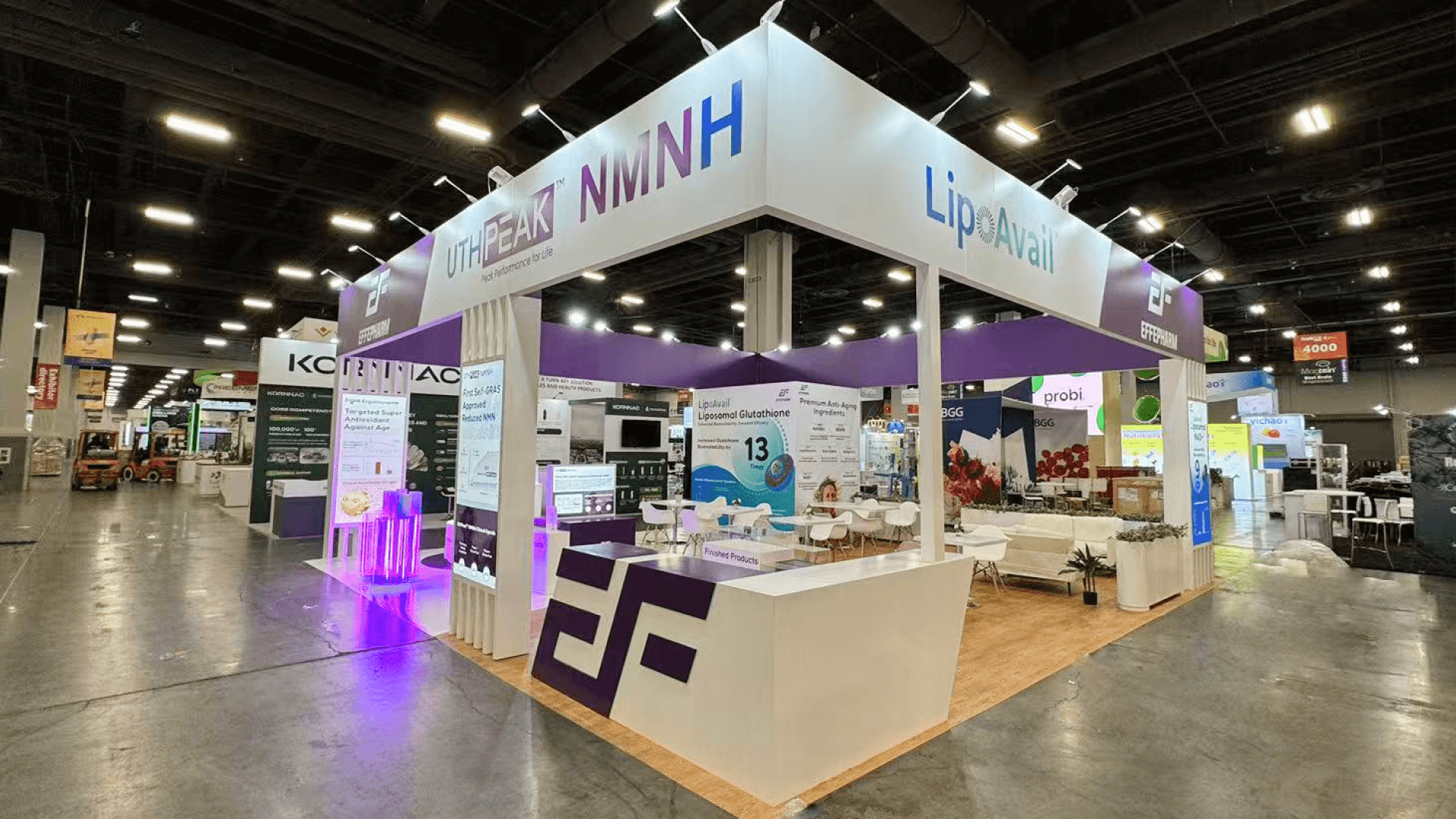
A 10x20 layout gives exhibitors more room for sample counters, product grouping, category graphics, and short buyer conversations.
A 20x30 booth works when exhibitors need multiple sample areas, application displays, meeting space, storage, and stronger brand visibility across the aisle.
For food science exhibitors preparing for IFT FIRST, the IFT FIRST food science booth planning guide explains how to organize samples, screen content, product claims, booth size decisions, buyer conversations, and McCormick Place setup before finalizing the booth layout.
IFT FIRST booths need to show what the product is, where it fits, and why it matters to product developers, buyers, R&D teams, and technical visitors.
Visitors should quickly understand whether the booth is about ingredients, food technology, product development, safety, quality, packaging, or processing support.
Samples should be grouped by use case, benefit, application, or product family so visitors can compare them without needing a long explanation first.
Product claims, performance points, application notes, and technical messages need short labels that work from the aisle and at the counter.
After a sample or screen demo, many visitors need a deeper discussion. The booth should leave room for staff, notes, follow-up questions, and storage.
IFT FIRST connects food science, ingredients, product development, safety, quality, and innovation exhibitors.
IFT FIRST 2026 takes place July 12–15 at McCormick Place in Chicago.
Exhibitors often speak with buyers, R&D teams, product developers, and technical decision-makers.
Not Sure Which Booth Size You Need?
Not every exhibitor knows whether a 10x20, 20x20, 20x30, or larger booth is the right fit. Circle Exhibit can help review your event goals, product display needs, demo areas, meeting space, storage, budget scope, and setup timeline before you choose a booth size.
Keeping Sample Areas Clear
Making Claims Readable From the Aisle
1
Define the Food Science Story
2
3
4
Rental Booth for Focused Food Science Displays
A rental booth can work well for compact product displays, ingredient samples, clean branded graphics, counters, and a layout that does not require heavy custom fabrication.
Custom Build for Complex Product Stories
A custom build is better when the booth needs multiple demo zones, stronger brand architecture, integrated storage, lighting control, or a more specific product explanation path.
Hybrid Booth for Samples, Screens, and Meetings
A hybrid approach can combine rental structure with custom graphics, counters, shelving, meeting areas, and sample presentation details for a more flexible IFT FIRST layout.
Plan counters, graphics, samples, and booth materials around McCormick Place move-in timing so the booth can be checked before visitors arrive.
Samples, screens, labels, and product groupings should be ready for quick reset throughout the show, especially during busy expo periods.
Local coordination helps align freight, installation, graphics, storage, and final booth details before the team starts show-site conversations.
Before opening, confirm lighting, graphics, counters, sample placement, screen content, storage access, and staff flow from the visitor’s point of view.
IFT FIRST Booth Rental and Build Support
Plan a booth for IFT FIRST with a layout that supports samples, product claims, screen content, buyer conversations, and McCormick Place show-site setup.
What should an IFT FIRST booth include?
An IFT FIRST booth should include clear product category messaging, sample or demo space, readable technical graphics, storage, staff flow, and enough room for buyer conversations.
What booth size works best for IFT FIRST exhibitors?
How should food science exhibitors organize product samples?
Do IFT FIRST booths need separate demo and conversation areas?
Why is show-site setup planning important at McCormick Place?
READY TO PLAN YOUR NEXT BOOTH?
Let’s Build a Booth That Fits Your Event
Share your event name, booth size, city, timeline, product display needs, and design references. Circle Exhibit will review your project direction and help you choose a rental-friendly or custom exhibit path.
3000+
Booth Projects Supported
50+
U.S. Event Cities
Transparent
Quote Review
Plan booth graphics, labels, screen surfaces, and branded presentation elements that make food science claims and application examples easier to read.
Coordinate freight timing, setup sequence, graphics readiness, and show-site details before the booth arrives at McCormick Place.
Shape the booth layout around samples, demo counters, screen placement, visitor flow, storage, and technical product conversations.
Use a 10x20 booth when the display needs sample counters, category signage, and enough space for short buyer conversations.
Use 20x30 booth planning when IFT FIRST exhibitors need multiple sample areas, application displays, meeting space, storage, and a fuller food innovation layout.