Plan Around the Ingredient Type and Application
Once that ingredient-focused purpose is clear, food ingredient exhibitors should organize the booth story around the ingredient type and its application. A protein, flavor system, texture solution, sweetener, stabilizer, clean label ingredient, or functional ingredient may need a different way to be shown.
Some ingredients are best explained through finished product samples. Others may need a simple comparison, a short formulation example, or a clear performance note. The booth should help product developers understand what the ingredient does, where it fits, and why it matters before the conversation becomes too technical.
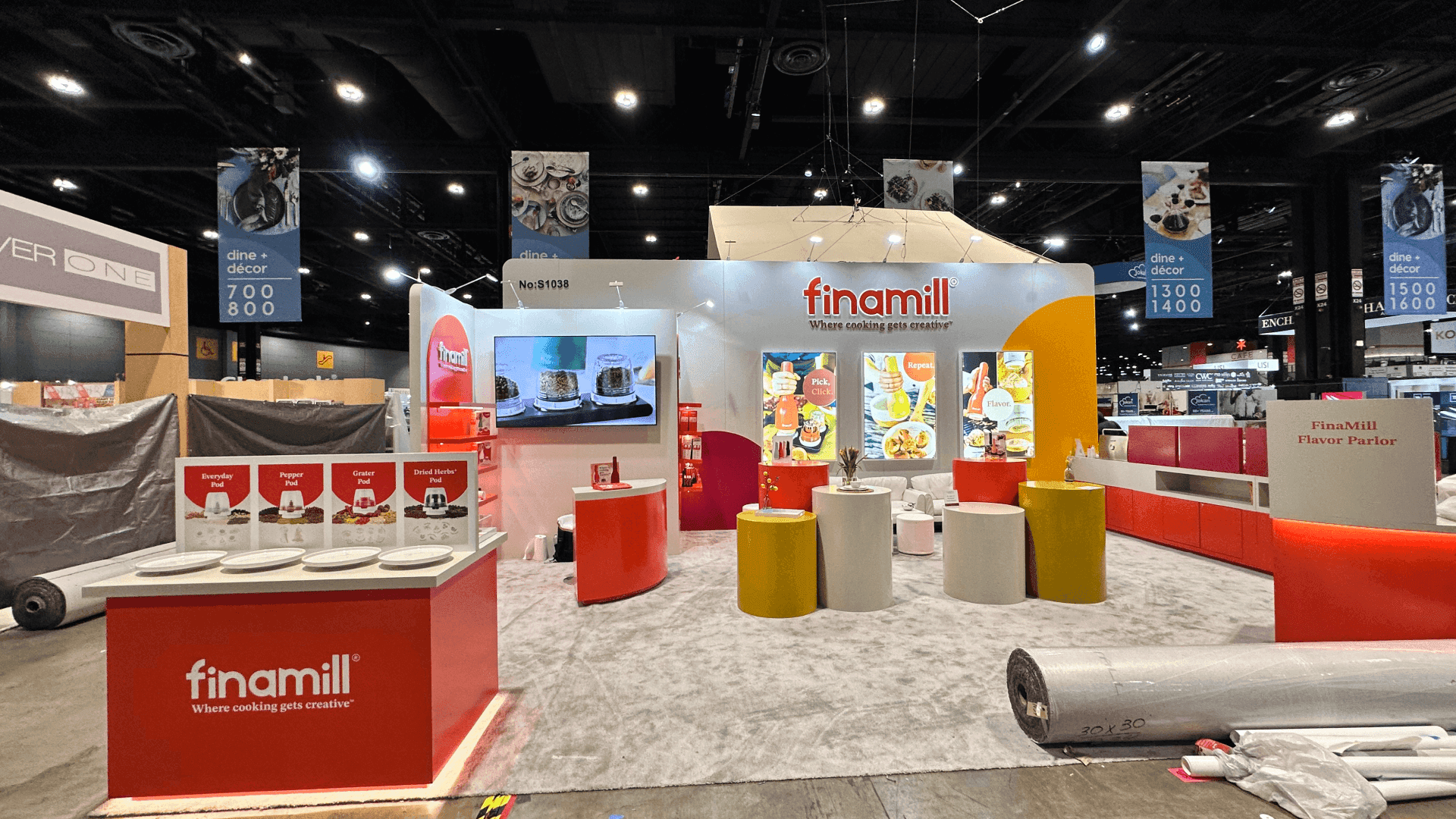
Ingredient samples should be grouped and labeled so R&D teams, product developers, and buyers can understand the application, function, and product fit.
Make Ingredient Samples Easy to Understand
With the ingredient type and application defined, the sample area should make the story easy to follow.Visitors should quickly understand what the sample shows, how it is used, and what makes it different.
Food ingredient exhibitors can group samples by application, product format, flavor profile, texture, nutrition function, or performance result. Short labels, simple notes, and side-by-side comparisons can help R&D teams, product developers, and ingredient buyers move from tasting or reviewing a sample into a useful conversation.
The goal is not to display every technical detail at once. The sample area should help visitors connect the ingredient to a real product need before the discussion becomes more detailed.
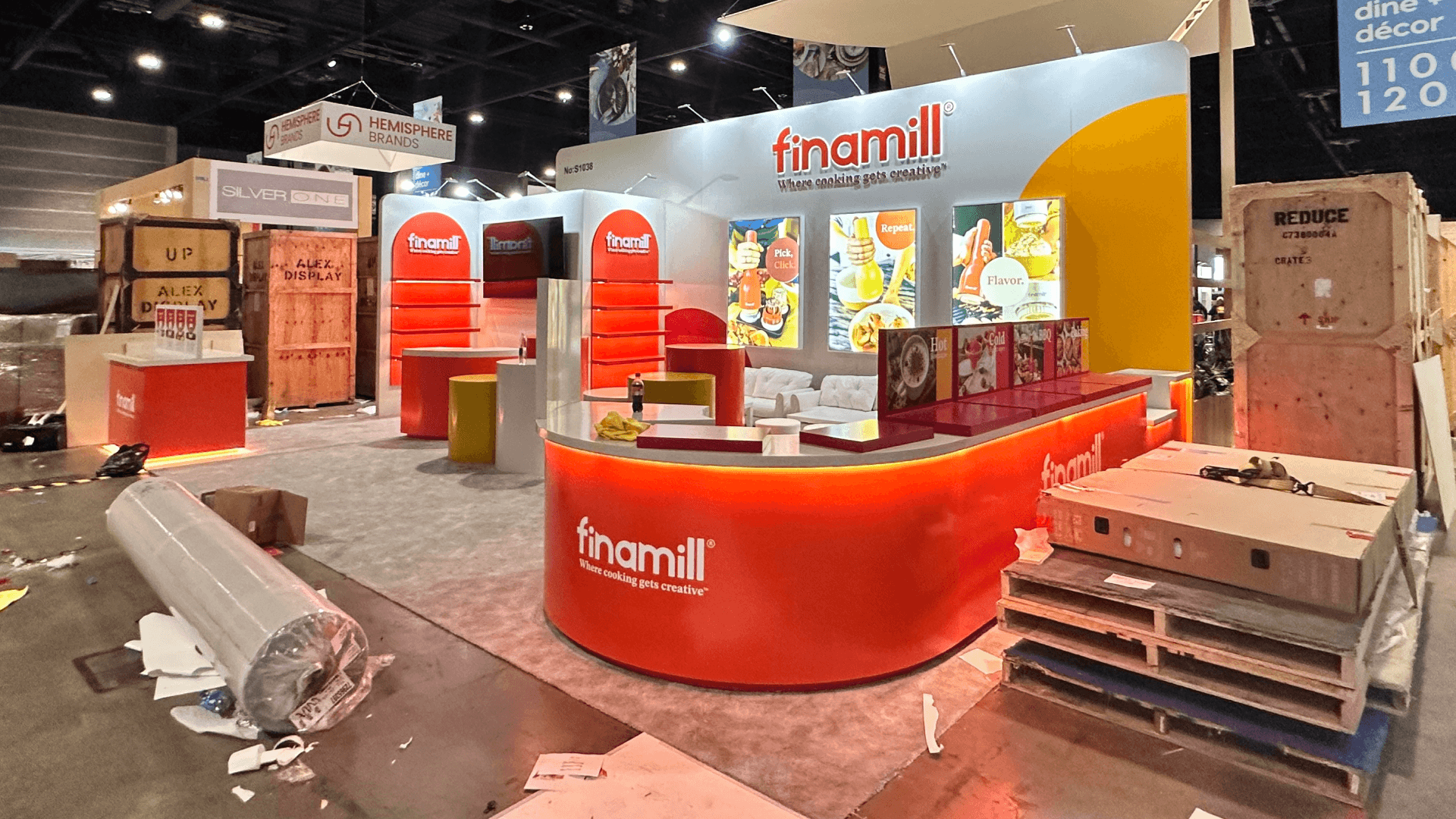
Finished product samples, comparison points, and formulation notes can show how an ingredient affects taste, texture, stability, shelf life, or processing performance.
Show Formulation Value, Not Just Product Names
After visitors understand the sample itself, the booth should explain what the ingredient does inside a formulation. Visitors may know the ingredient category, but they still need to understand how it affects taste, texture, nutrition, stability, shelf life, or processing performance.
A product name alone does not give R&D teams enough context. Food ingredient exhibitors should show where the ingredient fits, what problem it helps solve, and how it supports a finished product. Short application notes, comparison samples, technical visuals, or simple staff explanations can make that value easier to discuss.
Create a Clear Demo Flow for R&D Buyers
With the formulation story in place, the booth needs a simple path through the demo. They should be able to start with the sample, understand the application, and then move into the technical details that matter for product development.
A useful flow may show a finished product sample first, then explain the ingredient’s role, performance note, comparison result, or formulation use case. Staff should build the conversation from that sequence so R&D teams, product developers, and ingredient buyers can ask more specific questions about function, fit, and possible use.
Choose the Right Booth Size for Sample and Demo Needs
That sample-to-technical discussion flow also affects booth size. Food ingredient exhibitors should leave room for samples, short explanations, staff conversations, and a small reset area.A sample-heavy booth can feel crowded quickly if every product, label, and application note competes for the same counter space.
Booth size | Better fit for | Planning notes |
|---|---|---|
10x10 | One ingredient category or focused sample display | Works when the product story is simple and compact |
10x20 | Sample counter, application visuals, short demo, buyer conversation | A practical fit for many ingredient exhibitors |
20x20 | Multiple sample groups, comparison displays, meeting space | Helps separate sample review from technical discussion |
20x30 | Larger ingredient portfolio, several application stations, scheduled meetings | Better when multiple product lines need room |
For many food ingredient exhibitors, 10x20 booth planning is a practical starting point. It gives enough room for samples, visuals, and buyer conversations without making the booth feel oversized.
Use Graphics and Labels to Support Ingredient Storytelling
With the sample and conversation areas planned, labels and graphics should make the ingredient story easier to follow. Visitors should quickly know what the ingredient is, what sample it connects to, and what application or function it supports.
Simple labels can cover the ingredient name, key function, application, and sample reference. Graphics can show use cases, comparison points, formulation notes, or where the ingredient fits in a finished food or beverage product.
For ingredient exhibitors, graphics and brand presentation should support clarity, not decoration. The goal is to help R&D teams, product developers, and buyers follow the ingredient story without needing a long technical sheet first.
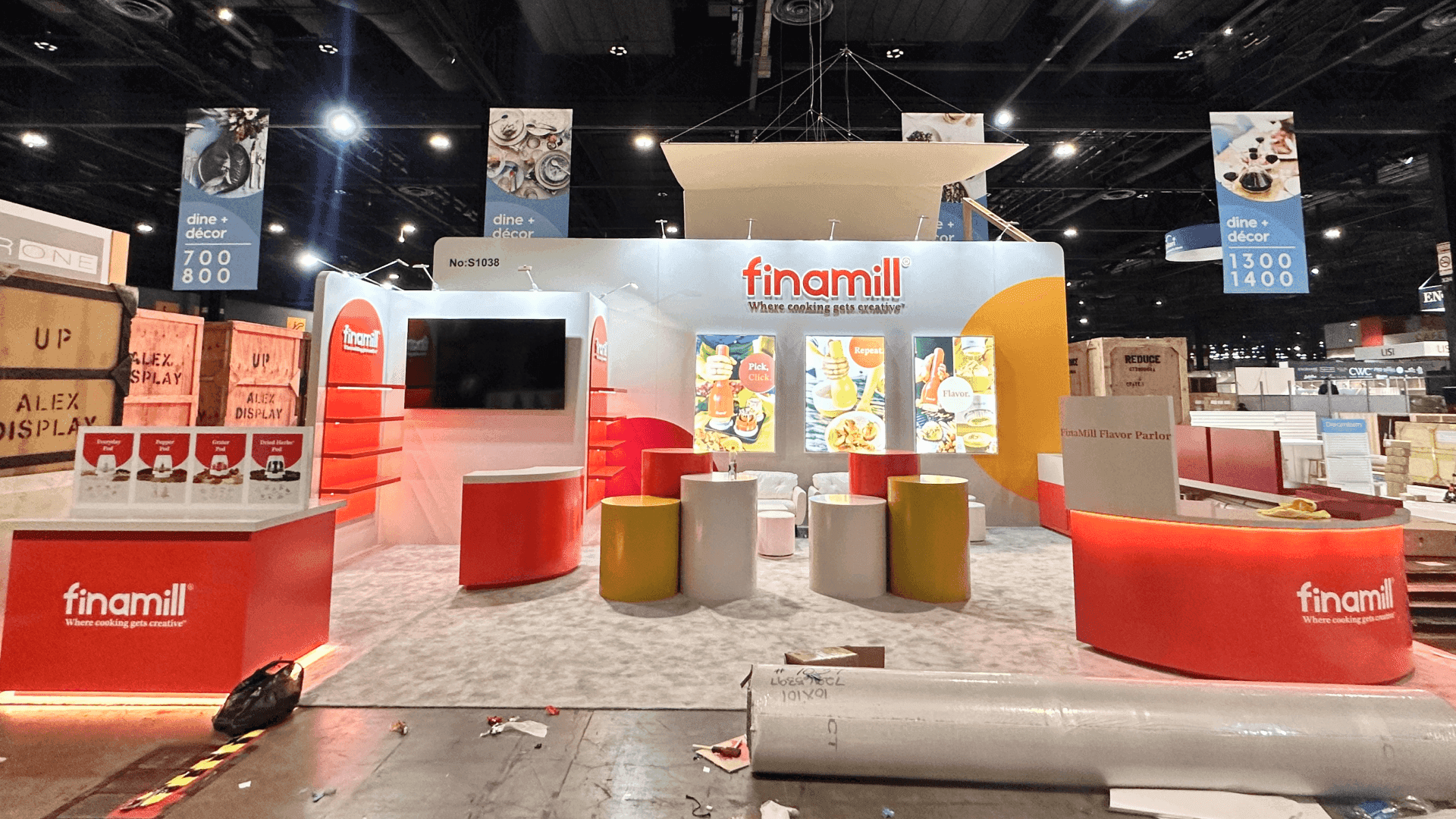
A 10x20 ingredient booth can provide room for a sample counter, application visuals, short demos, buyer conversations, and simple reset steps.
Sample Handling and Booth Reset Notes
Clear labels help visitors follow the sample story, but the booth team still needs a simple plan for keeping samples organized during the show.Food ingredient exhibitors should keep samples, backup labels, serving materials, printed notes, and small storage space easy to access.
A clear reset plan helps the sample area stay readable between visitor conversations. Staff should know where extra materials are kept, when counters need to be refreshed, and how to keep application examples organized when R&D teams, product developers, and ingredient buyers are comparing products.
For sample materials, freight timing, and show-site preparation, logistics and pre-show coordination can help exhibitors prepare the booth before the floor opens.
Food Ingredient Booth Planning Checklist
Before booth production or show-site preparation begins, food ingredient exhibitors should check the main planning details:
Clarify the ingredient type, application, and product development story
Decide how samples will be grouped, labeled, and explained
Show what the ingredient does in a formulation, not just its name
Build a demo path from sample review to application, technical detail, and buyer questions
Choose booth size based on sample volume, counter space, demo needs, and discussion area
Prepare labels, graphics, backup materials, sample storage, and reset steps before the show opens
FAQ
These questions cover the decisions food ingredient exhibitors usually need to settle before the booth is built.
How should food ingredient exhibitors plan a booth for IFT FIRST?
They should start with the ingredient type, the application, and the product development story behind it. Samples, labels, visuals, and staff conversations should help visitors understand how the ingredient works in a real formulation.
What should a food ingredient sample booth include?
A sample booth should include clearly grouped samples, application examples, simple labels, comparison points, technical notes, and space for buyer conversations. The setup should help R&D teams and product developers move from sample review into a practical discussion.
What booth size works for food ingredient exhibitors?
A 10x20 booth often works well for focused sample displays, short demos, and buyer conversations. A 20x20 booth may fit better when exhibitors need several sample groups, comparison displays, or a separate meeting area.