IFT FIRST Startup Pavilion Booth Planning


How should startups plan a booth for the IFT FIRST Startup Pavilion?
A food-tech startup booth at the IFT FIRST Startup Pavilion should focus on one product story, one visible sample or demo point, simple proof, and a quick conversation flow. The goal is to help buyers, investors, and R&D visitors understand what the product does and why it matters without overloading a compact booth.
IFT FIRST Startup Pavilion booth planning is about focus. Most food-tech startups do not need a large display; they need a compact booth that explains the product idea, sample, prototype, or use case quickly.
This page supports the main IFT FIRST booth planning hub. It focuses on startup booth layouts, short product messaging, sample counters, screen demos, and founder conversations. For sample-heavy ingredient displays, see food ingredient booth planning.
Since the pavilion is part of IFT FIRST at McCormick Place, startups should plan graphics, counters, samples, screens, storage, and final setup before move-in. For local execution context, review Chicago exhibit support for food-tech startups and compare compact formats such as 10x10 trade show booth planning.
Why Exhibitors Choose Circle Exhibit
Clear scope, transparent quote review, nationwide booth support, and efficient setup planning for qualified rental and custom exhibit projects.
48hr
Setup Window
10+
Years Since 2014
U.S.
Trade Show Support
Real
Booth Project Proof
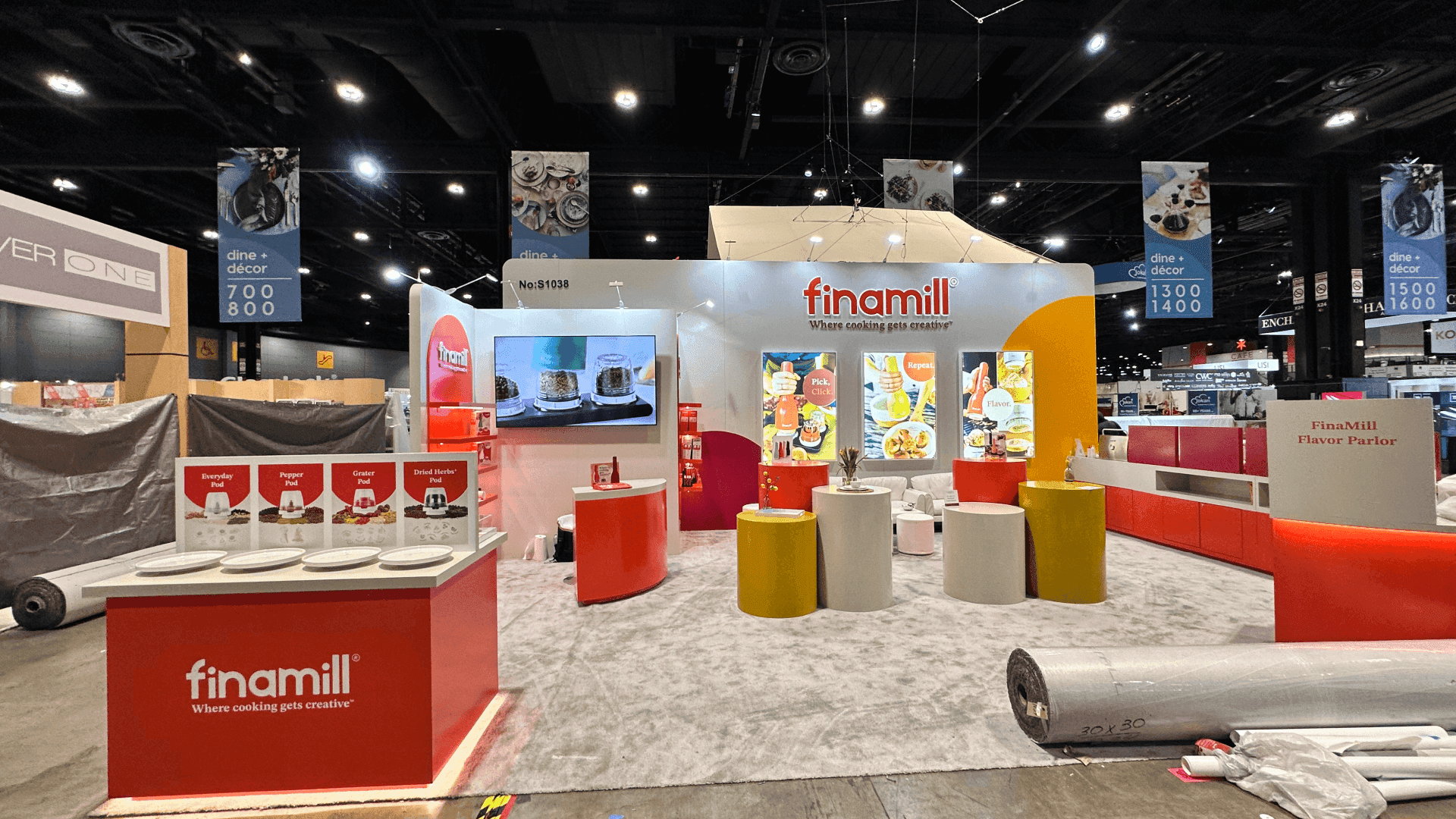
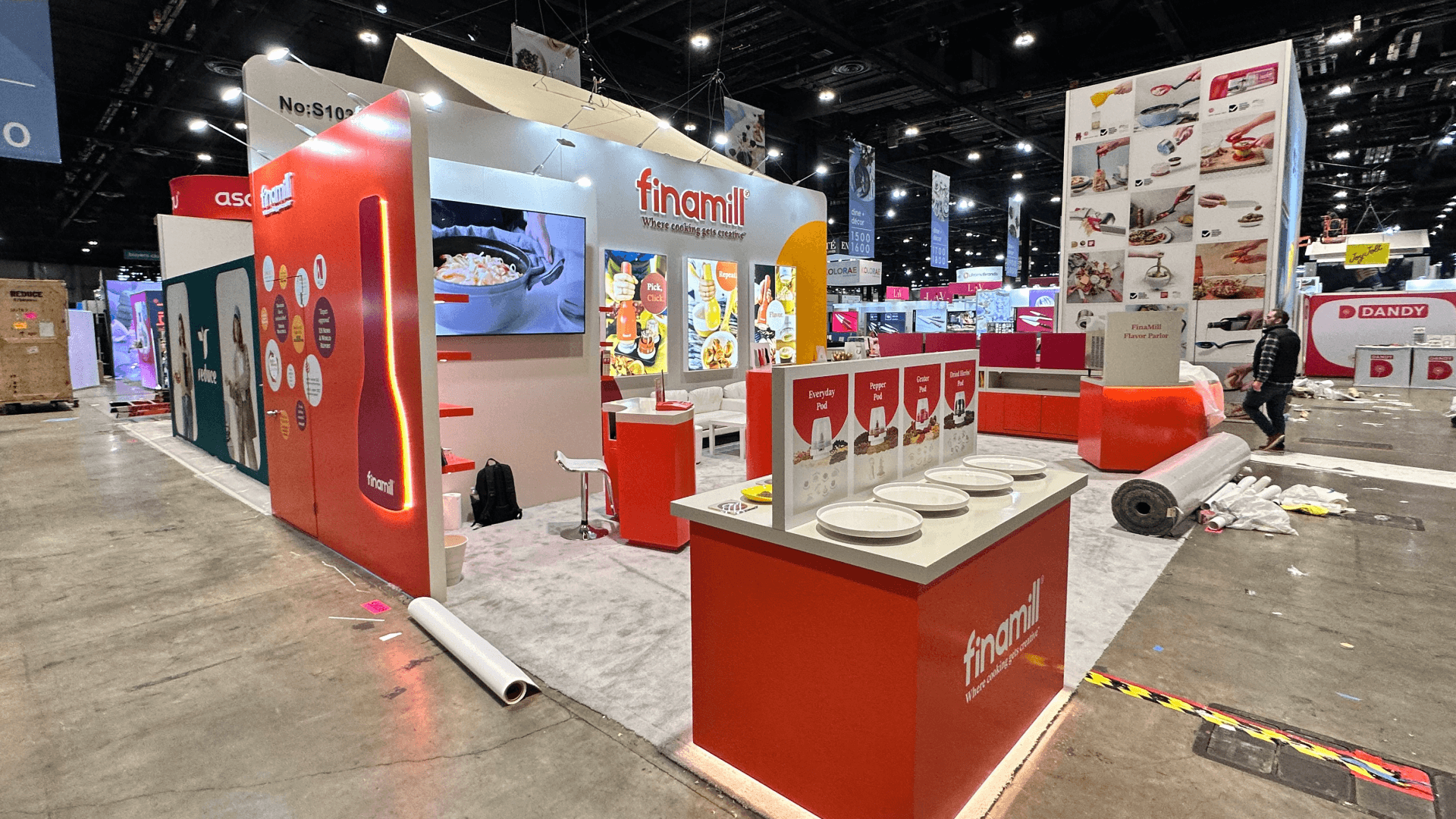
Startup Pavilion booths should stay simple. The booth size needs to support the product story, sample or demo point, staff position, storage, and short conversations without making the space feel crowded.
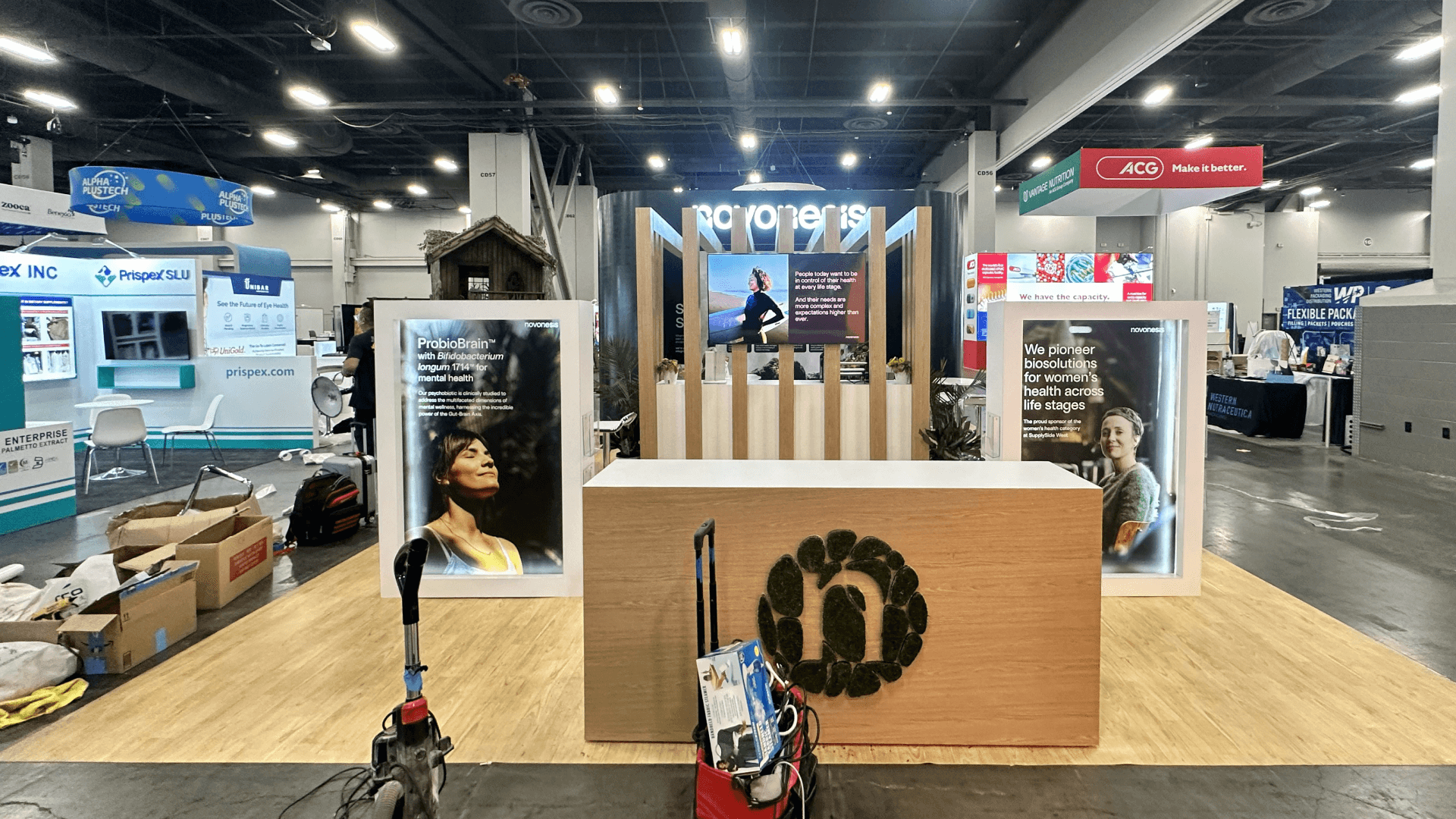
A 10x10 booth works when the startup has one clear message, one sample or prototype, and a short visitor conversation.
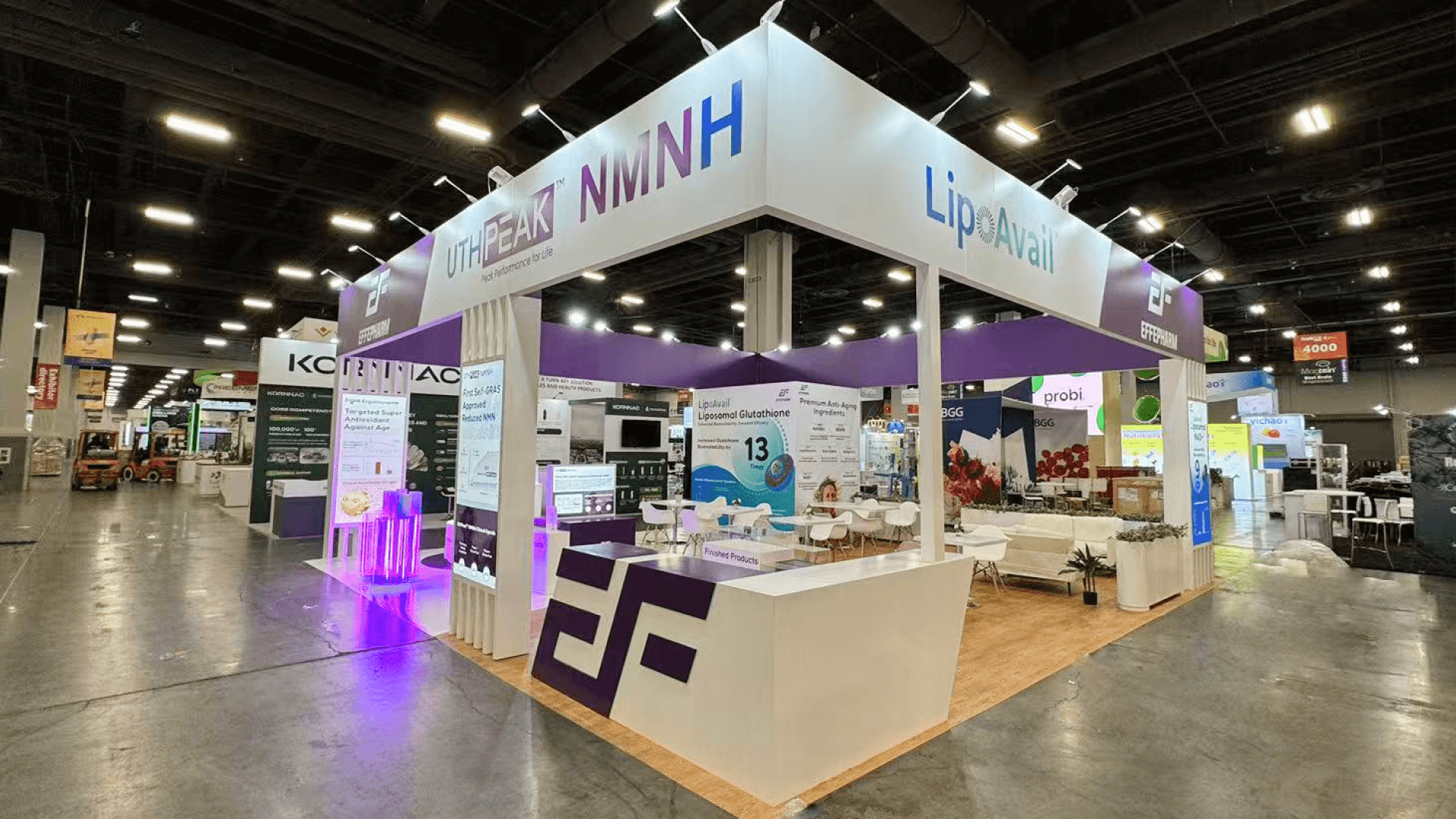
A 10x20 layout fits better when the startup needs a sample counter, small demo zone, storage, and more space for buyer or investor conversations.
A small screen can support a product video, app view, process visual, or proof point, as long as it does not overpower the real product.
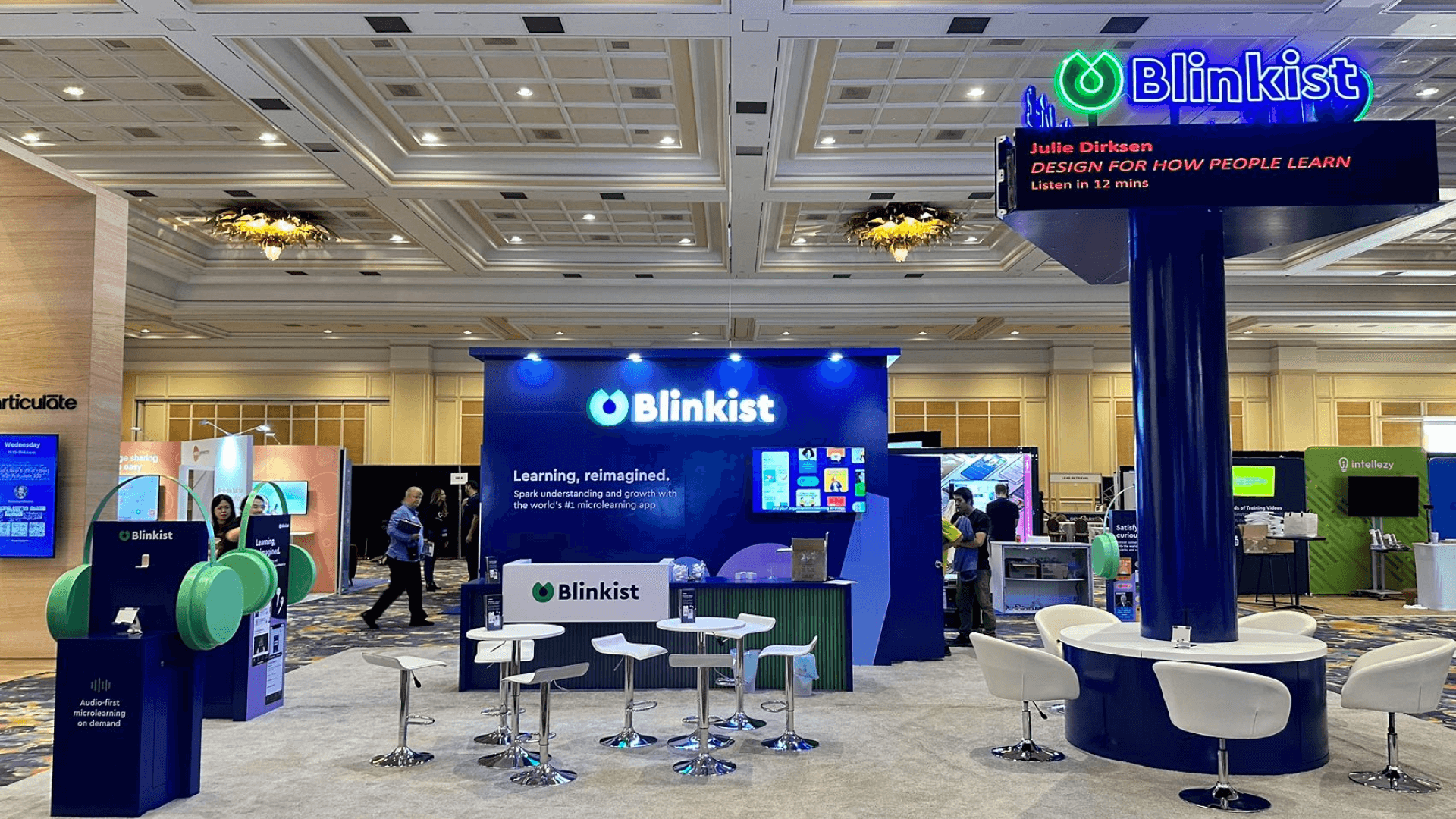
A hybrid booth can combine rental structure, custom graphics, counters, shelving, and a clean pitch area without feeling overbuilt.
For broader planning context, the IFT FIRST food science booth planning guide covers sample flow, screen content, booth size, graphics, buyer conversations, and McCormick Place setup. This Startup Pavilion page focuses on the compact startup version of that planning.
Startup Pavilion booths need to make a new food product, technology, or concept easy to understand in a short stop.
Visitors should quickly understand the product category, problem, solution, and strongest proof point.
The sample, prototype, or product mockup should be easy to see, easy to explain, and easy to reset.
Screen content should show one demo, process, use case, or proof point instead of becoming a full presentation.
Leave space for quick questions, investor follow-up, lead capture, and staff movement without blocking the aisle.
The IFT FIRST Startup Pavilion gives emerging food and food-tech companies a focused space to present new ideas and product concepts.
IFT FIRST 2026 runs July 12-15 at McCormick Place in Chicago, IL.
Startup exhibitors may meet food science buyers, R&D professionals, investors, partners, and product teams looking for early-stage innovation.
Not Sure Which Booth Size You Need?
Not every exhibitor knows whether a 10x20, 20x20, 20x30, or larger booth is the right fit. Circle Exhibit can help review your event goals, product display needs, demo areas, meeting space, storage, budget scope, and setup timeline before you choose a booth size.
Working Within a Small Footprint
Making the Product Feel Real
1
Choose the Main Product Message
2
3
4
Rental Booth for a Lean Startup Display
A rental booth works well for one product story, branded graphics, a sample counter, and a simple visitor path.
Custom Details for Product Clarity
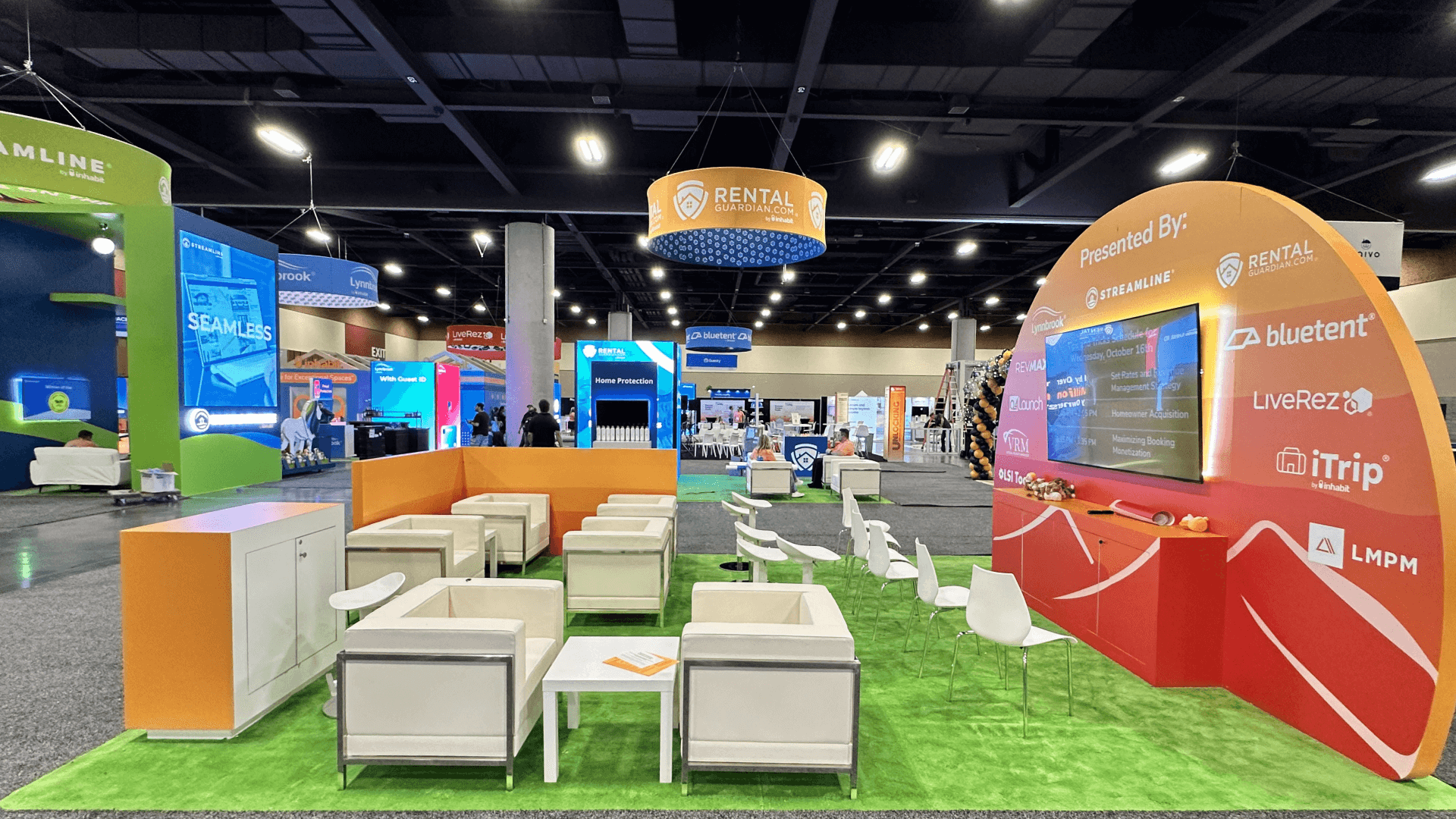
Custom counters, shelving, lighting, or graphic surfaces can help when the product needs a stronger demo point or launch presentation.
Hybrid Booth for Samples and Screens
A hybrid setup can combine rental structure with custom graphics, a demo counter, screen content, and storage while keeping the booth compact.
Confirm graphics, counters, samples, screens, and storage before move-in so the booth can be checked early.
Samples, product cards, and screen content should be simple to reset between conversations.
In a small booth, one misplaced counter, box, or screen can interrupt the full layout.
Before opening, stand in the aisle and check whether the headline, sample, screen, and next step are obvious.
IFT FIRST Startup Pavilion Booth Support
Plan a compact Startup Pavilion booth with the right mix of product messaging, sample counter space, screen content, storage, and McCormick Place setup support.
What should an IFT FIRST Startup Pavilion booth include?
It should include a clear product message, a sample or demo point, simple graphics, storage, and space for quick buyer or investor conversations.
What booth size works best for Startup Pavilion exhibitors?
How should food-tech startups present samples or prototypes?
Do startup booths need a screen demo?
Why is setup planning important for Startup Pavilion booths?
READY TO PLAN YOUR NEXT BOOTH?
Let’s Build a Booth That Fits Your Event
Share your event name, booth size, city, timeline, product display needs, and design references. Circle Exhibit will review your project direction and help you choose a rental-friendly or custom exhibit path.
3000+
Booth Projects Supported
50+
U.S. Event Cities
Transparent
Quote Review
Plan pitch graphics, product labels, screen surfaces, and booth messaging so the startup story is easy to read.
Coordinate booth materials, samples, graphics, storage, and setup timing before the team arrives at McCormick Place.
Shape the booth around counter placement, screen position, storage, staff flow, and quick visitor conversations.
Use a 10x20 booth when a startup needs more room for samples, screen demos, storage, and buyer conversations.
Compare 20x20 booth planning only when the startup has moved beyond a compact pavilion setup and needs more demo space, meeting room, storage, or brand presence.