Start With the Food Science Product Category
Food science exhibitors at IFT FIRST should first decide what kind of product story they need to make clear. Ingredient suppliers, processing technology companies, nutrition solution providers, and food innovation teams do not all need the same booth flow.
An ingredient-focused booth may rely on application examples and product benefits, while a processing or technology booth may need workflow visuals or short demonstrations. When samples, applications, and buyer conversations become the center of the booth, ingredient innovation booth planning becomes the more specific planning path. Nutrition-focused products may need research points, performance details, and examples of where they fit in food development.
The goal is simple: help visitors understand what the product does, where it fits in food development, and why it matters to technical buyers.
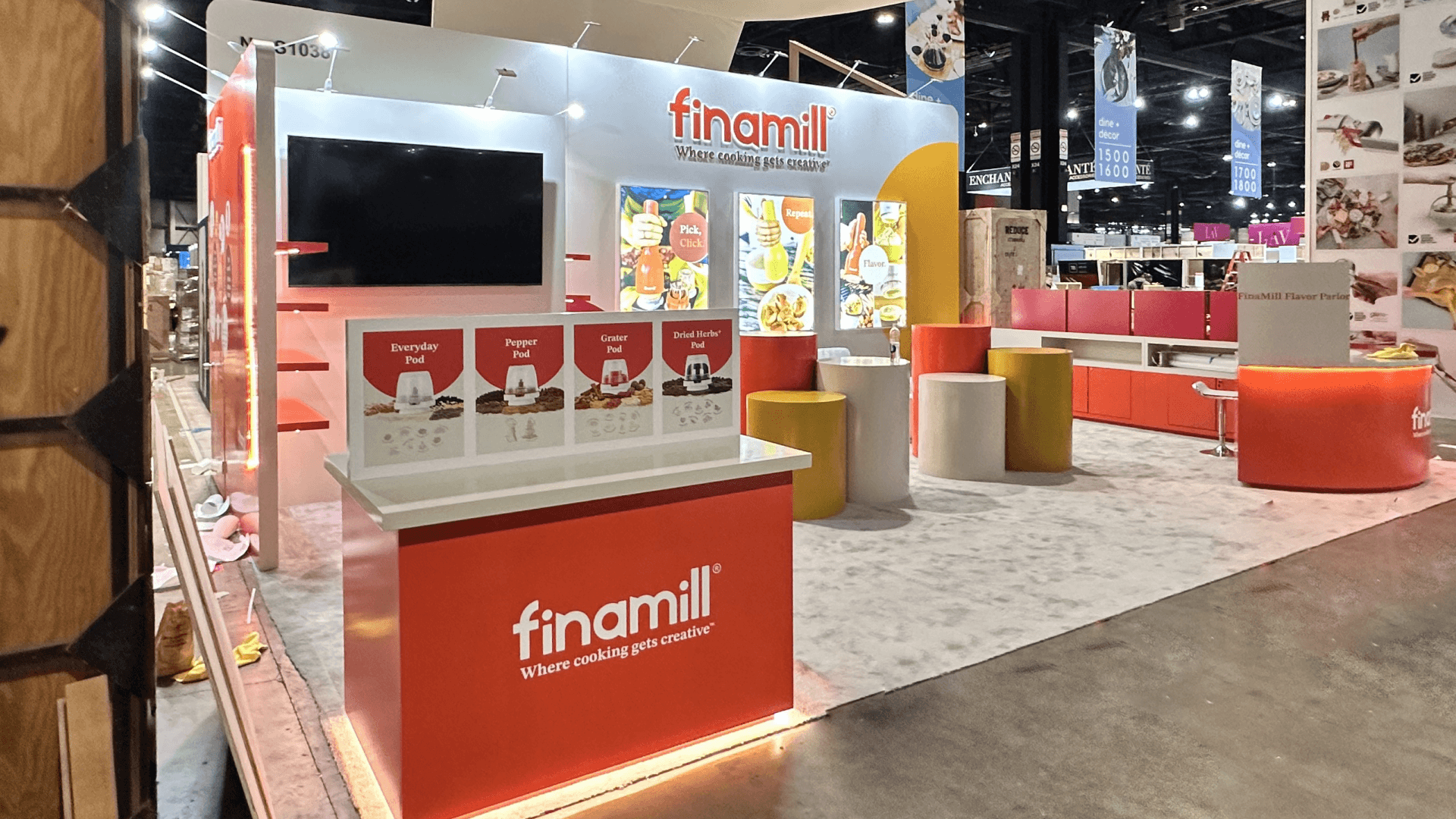
A food science booth should help visitors connect ingredients, processing solutions, nutrition products, or food innovation platforms with clear applications and product value.
Plan Product Demonstrations and R&D Conversation Flow
Once the product focus is clear, the next step is showing how that solution works in real food development. At IFT FIRST, product demonstrations should help visitors understand the application, technical details, and practical value behind the product.
The booth flow should guide visitors from the first introduction into deeper conversations. Samples, screens, application visuals, and staff discussions can help R&D teams, product developers, and technical buyers explore how the solution may fit their projects.
Match Booth Size to Food Science Exhibitor Needs
After planning the product demonstrations and conversation flow, food science exhibitors need to choose a booth size that supports those activities. Samples, screen demos, technical visuals, and R&D discussions all affect how much space is needed.
Booth size | Better fit for | Planning notes |
|---|---|---|
10x10 | Focused product display or simple sample presentation | Works when the product story is clear and compact |
10x20 | Sample display, screen demo, technical discussion | Provides more room for product information and visitor conversations |
20x20 | Multiple samples, demonstrations, and meeting space | Helps separate displays, demos, and discussions |
20x30 | Larger demonstrations, multiple product areas, scheduled meetings | Better for exhibitors with more complex presentations |
For many food science exhibitors, 20x20 booth planning offers a practical balance between product display, demonstrations, and professional conversations.
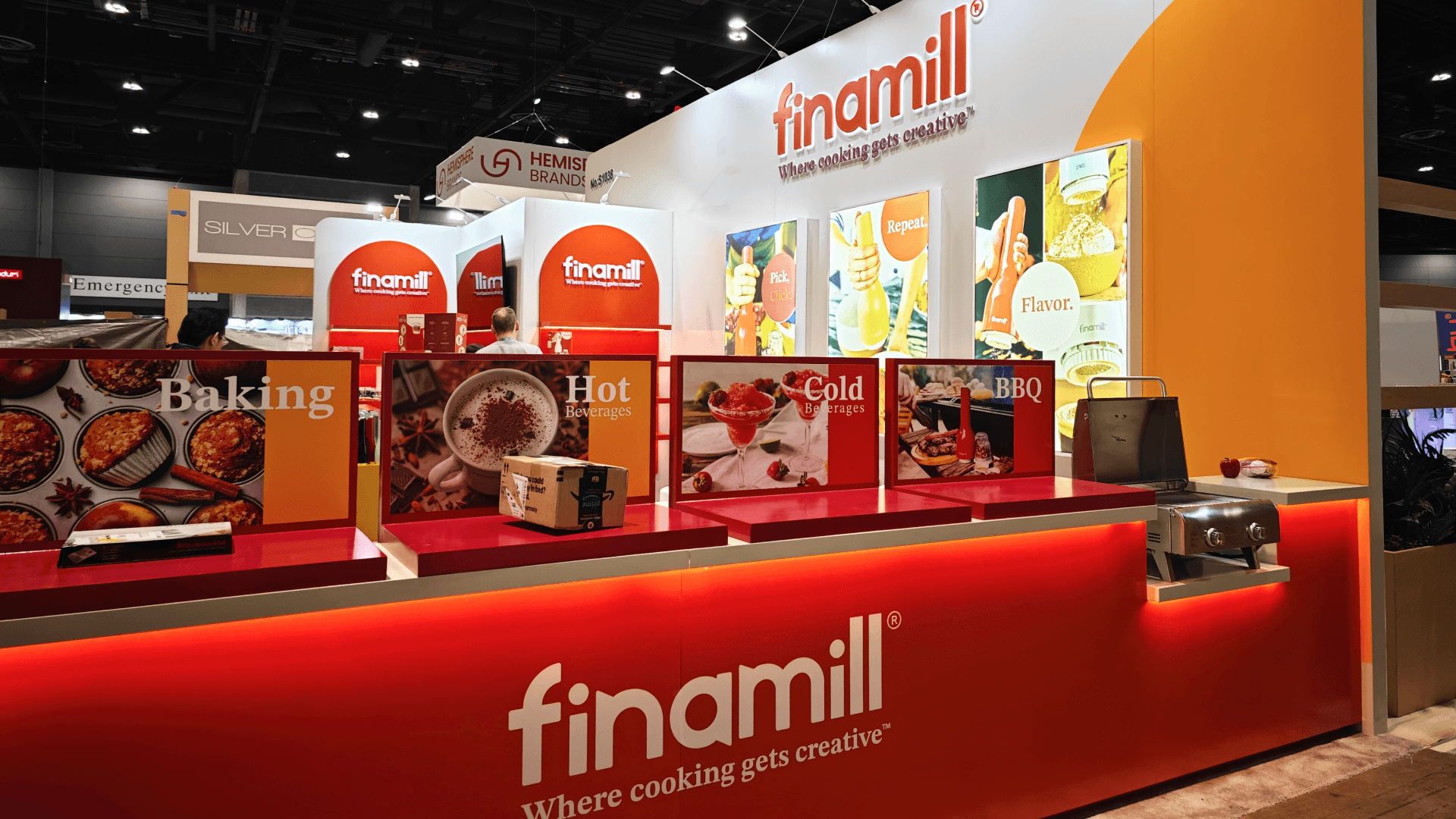
A 20x20 booth can support samples, screen demos, technical visuals, and meeting space for R&D teams, product developers, and industry buyers.
Use Graphics to Explain Food Innovation Clearly
After planning the space for product displays and technical conversations, food science exhibitors also need a clear way to explain complex information. Graphics can help show how an ingredient, process, or technology connects to real food applications.
Simple diagrams, application visuals, process flows, and technical highlights can help R&D teams and buyers understand the product faster. Instead of only listing features, the booth should show how the solution is used and where it fits in food development.
This is where graphics and brand presentation support the booth.. For IFT FIRST exhibitors, clear graphics help turn complex food innovation into a story visitors can quickly follow.
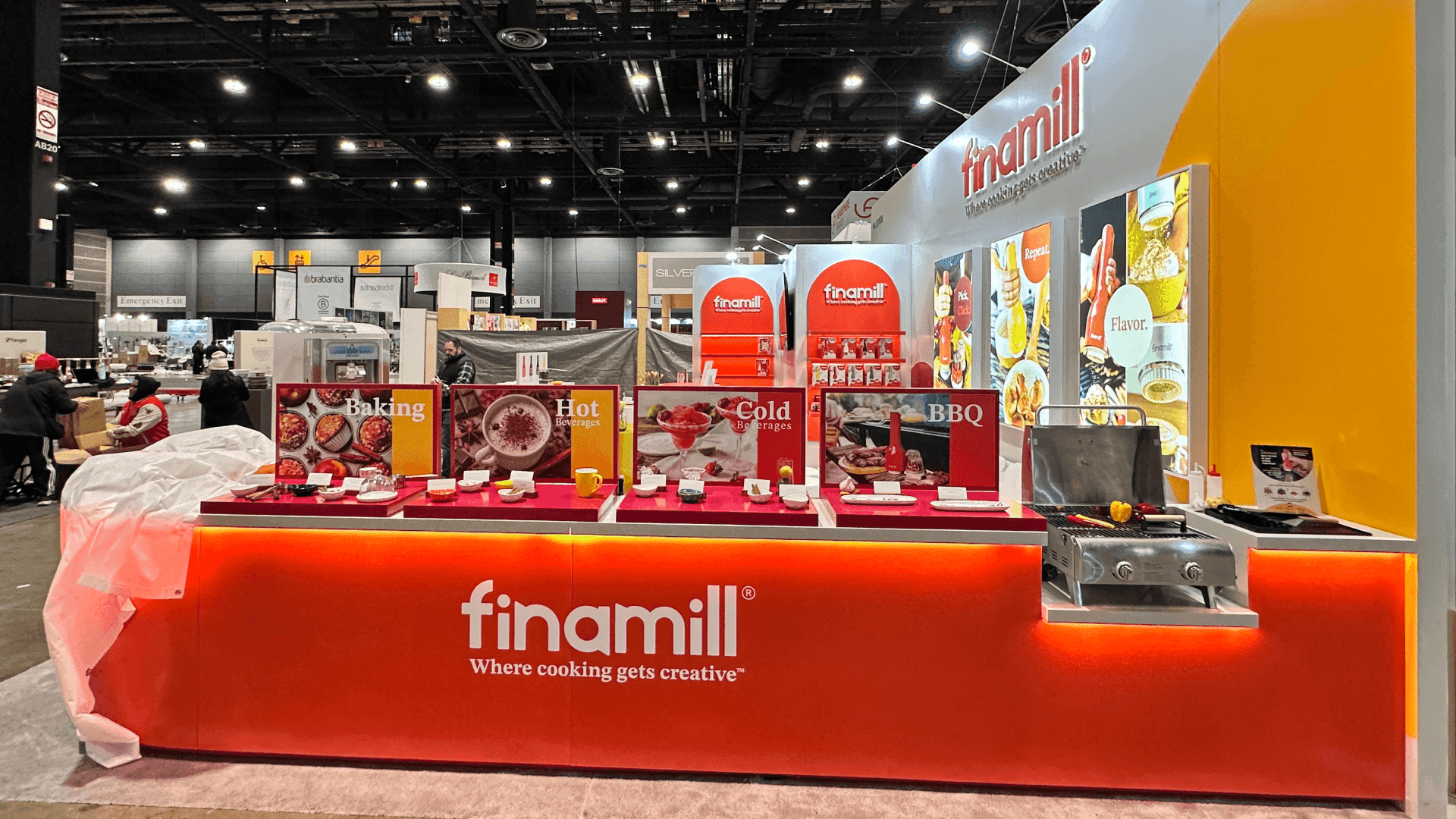
Show-site planning for IFT FIRST should keep samples, screens, printed materials, demo equipment, and staff handoff organized before the floor opens.
McCormick Place Setup Notes for IFT FIRST Exhibitors
After planning how products are presented through graphics, samples, and demonstrations, food science exhibitors also need to prepare how the booth will work on-site. Screens, printed information, product samples, and demo materials should be organized before arriving at McCormick Place.
Clear labels, easy access to materials, and a simple setup plan can make move-in and daily booth operation smoother. Sample storage, screen checks, and staff coordination are especially important when exhibitors need to continue technical conversations throughout the show.
For shipping and on-site coordination, logistics and pre-show coordination helps exhibitors prepare freight timing, setup details, and show-day requirements.
Food Science Booth Planning Checklist
Before moving into booth production and show-site execution, food science exhibitors should confirm the key planning points:
Define the main product story before planning the booth layout
Decide how samples, demonstrations, screens, and technical information will be presented
Create a clear path from product introduction to R&D and buyer conversations
Use graphics and visuals to explain applications, processes, and product value
Choose booth size based on display needs, demo flow, and meeting space
Confirm McCormick Place setup details, including shipping, materials, screens, and staff coordination
FAQ
After reviewing the main planning points, these common questions can help food science exhibitors prepare for IFT FIRST.
How should food science exhibitors plan booths for IFT FIRST?
Food science exhibitors should plan booths around the product story they need to explain. Samples, demonstrations, technical visuals, and meeting space should help R&D teams and buyers understand the application and value behind the solution.
What should a food science booth include at IFT FIRST?
A booth may include product samples, application visuals, screen demos, technical graphics, and areas for discussion. The right setup depends on the product category and how much explanation the product requires.
What booth size works for food science exhibitors?
A 10x20 or 20x20 booth often works well for food science exhibitors because it allows space for product displays, demonstrations, and technical conversations. Larger booths may be useful for multiple products or scheduled meetings.