IESNA Manufacturing Pavilion Booth Planning

What should exhibitors plan for an IESNA Manufacturing Pavilion booth?
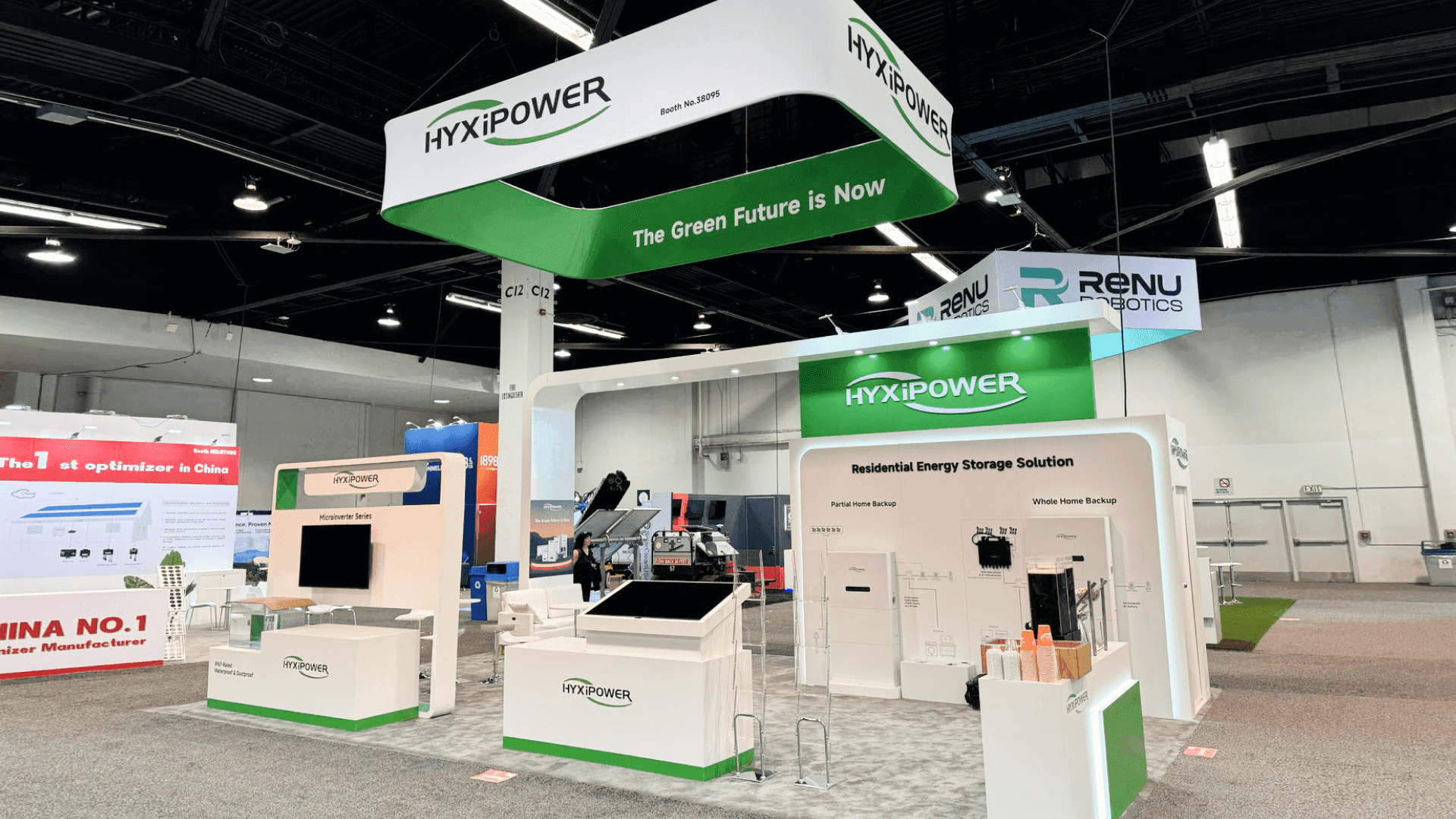
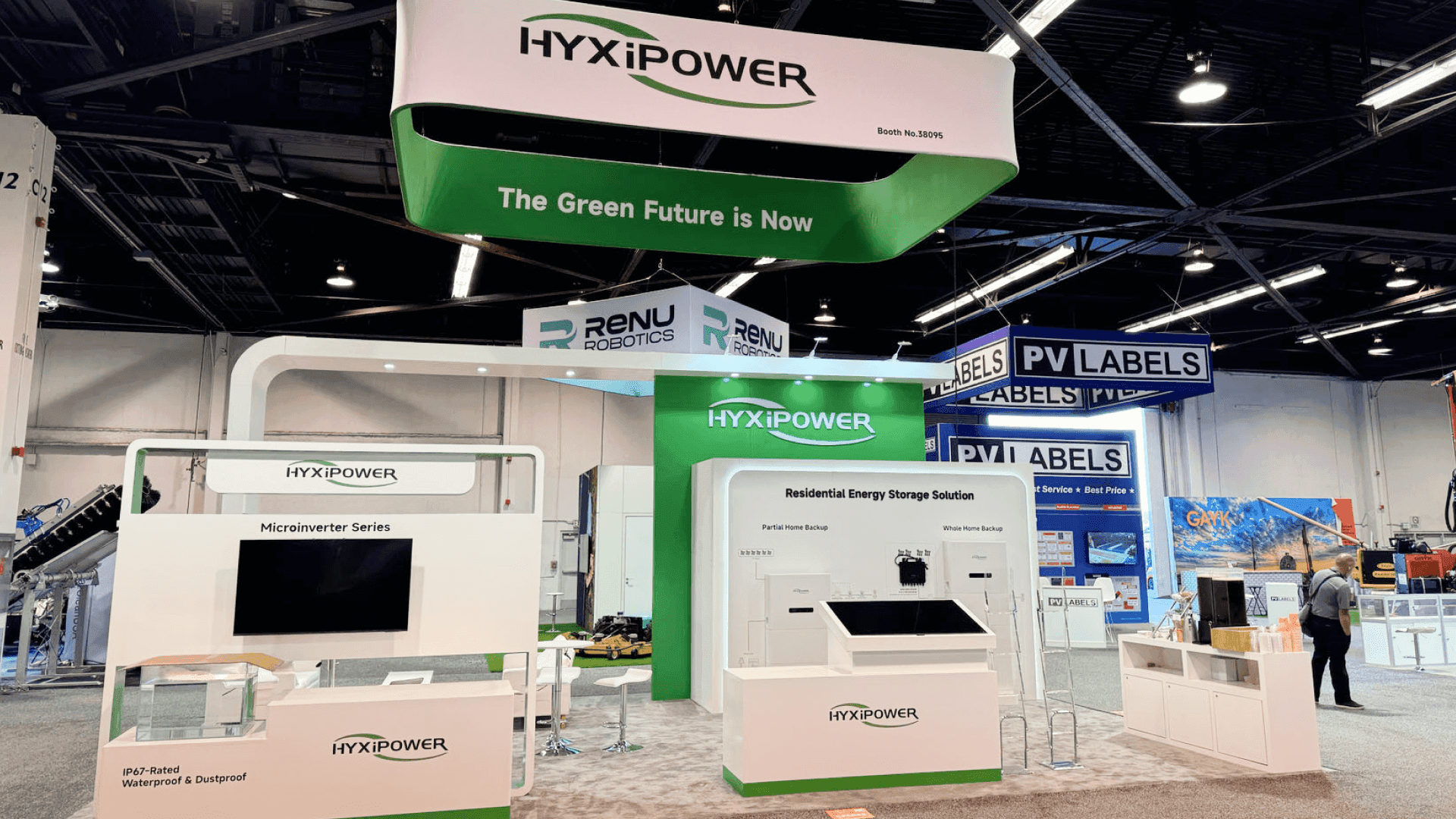
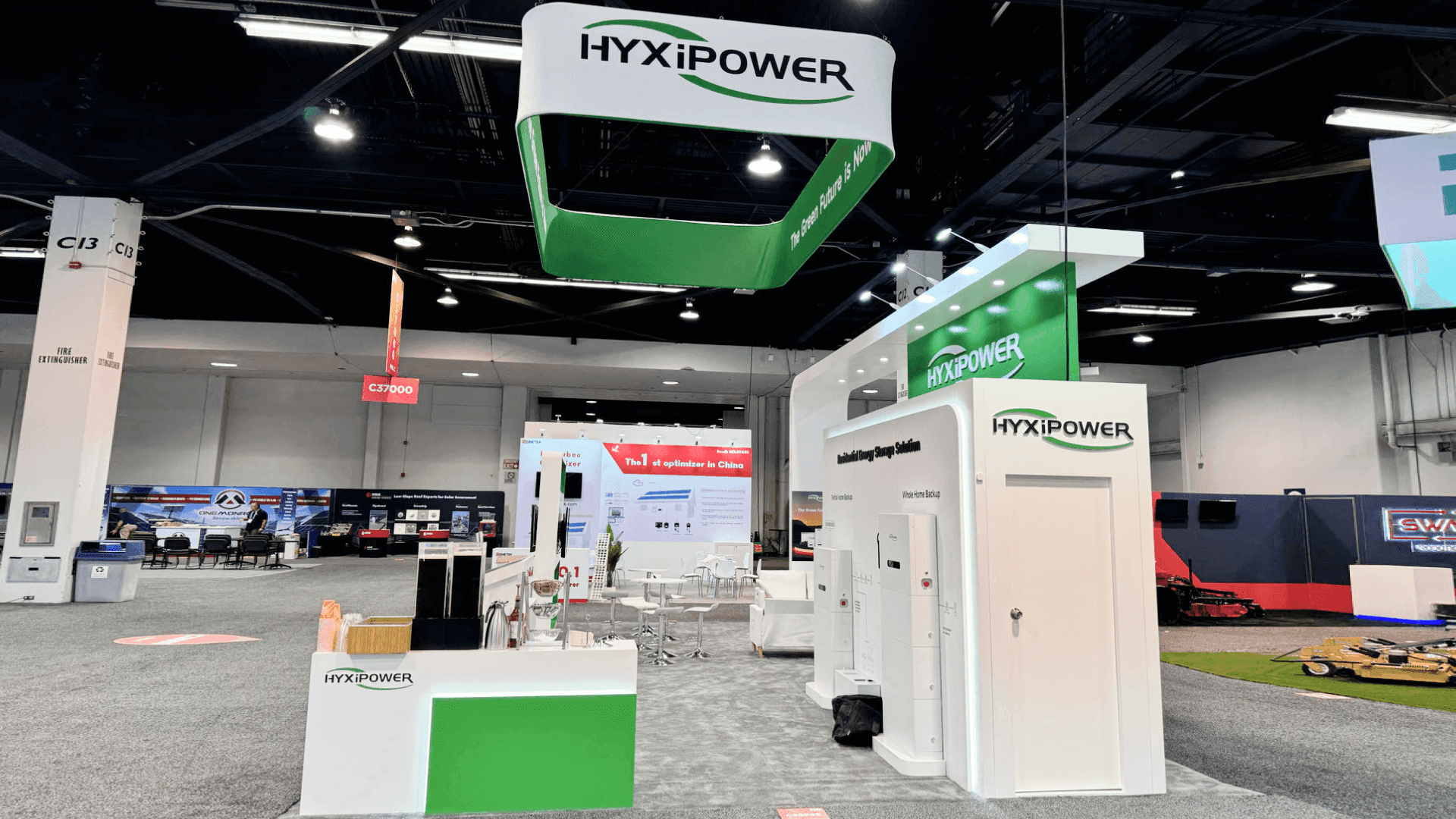
IESNA Manufacturing Pavilion exhibitors should plan booth layouts around production equipment, machine displays, sample review, technical screens, product graphics, buyer meeting space, storage, freight timing, and San Diego show-site setup. The booth should make equipment capability, manufacturing use case, and next buyer conversation clear quickly.
An IESNA Manufacturing Pavilion booth needs to make equipment capability clear from the aisle. Visitors may be comparing production machinery, solar manufacturing tools, battery production equipment, automation components, material handling systems, inspection tools, or process-related solutions. The booth should show what the equipment does, where it fits in the clean energy production process, and why the buyer should stop for a closer look.
For manufacturing exhibitors, the layout needs more than space for machines. Equipment placement, sample review, technical screens, product labels, storage, and staff flow should work together around one manufacturing story. The equipment should be the anchor, but the booth also needs to make the process, output, and buyer conversation easy to follow.
This page focuses on IESNA Manufacturing Pavilion booth planning, clean energy manufacturing equipment displays, solar and battery production equipment booths, sample review areas, buyer meetings, and San Diego setup. For the main event path, review IESNA booth planning. Exhibitors comparing other focused pavilion needs can also review IESNA EV Charging Infrastructure Pavilion Booth Planning and IESNA Startup Pavilion Booth Planning.
Why Exhibitors Choose Circle Exhibit
Clear scope, transparent quote review, nationwide booth support, and efficient setup planning for qualified rental and custom exhibit projects.
48hr
Setup Window
10+
Years Since 2014
U.S.
Trade Show Support
Real
Booth Project Proof
Choose the booth size around the equipment first. A small component display, a production process demo, a machine presentation, and a larger manufacturing system will each need a different footprint, viewing space, storage plan, and setup path.
A 10x20 booth can work for focused components, samples, process tools, software-supported equipment, product graphics, a small screen, and short technical conversations.
Larger manufacturing exhibitors may need more space for machinery, production equipment, process demonstrations, meeting counters, storage, freight access, and safe viewing angles.
A 20x20 booth gives exhibitors more room for equipment display, sample review, demo screens, storage, staff-led explanation, and a clearer visitor path around the product.
Manufacturing booths often involve crates, samples, tools, screens, product cases, equipment parts, and storage. These details should be planned before move-in so the booth is ready when the show opens.
For Manufacturing Pavilion exhibitors, the booth should make equipment capability easy to review without turning the space into a crowded machine display. Start with How Solar, Storage, and EV Infrastructure Exhibitors Should Plan Booths for IESNA for a broader look at clean energy booth layout, demo flow, booth messaging, storage, buyer conversations, and San Diego setup.
The booth should help visitors read the manufacturing offer quickly. Buyers need to understand the equipment category, production use case, sample proof, and next conversation without feeling like they are walking into a crowded equipment table.
Production equipment, solar manufacturing tools, battery-related machinery, components, and process systems should be placed where visitors can understand the product category and application quickly.
Samples, components, finished outputs, material examples, or process pieces should have a clear review area so buyers can inspect details without blocking the main equipment display.
Use screens, labels, diagrams, and short product messages to explain capacity, workflow, process fit, and value before staff move into deeper technical discussion.
Plan storage for samples, tools, catalogs, backup parts, staff materials, product cases, and demo accessories. Final checks should confirm screens, graphics, counters, and equipment placement before opening.
The Manufacturing Pavilion gives production equipment, process technology, component, machinery, and clean energy manufacturing exhibitors a more focused path than a general solar or storage booth.
IESNA Flagship 2027 is scheduled for February 9–11, 2027 at the San Diego Convention Center. Manufacturing exhibitors should plan equipment placement, sample review, buyer flow, freight timing, storage, and final setup checks early.
Manufacturing Pavilion booths should make equipment capability, production use case, sample output, technical proof, and staff-led buyer conversations easy to follow on a busy show floor.
Not Sure Which Booth Size You Need?
Not every exhibitor knows whether a 10x20, 20x20, 20x30, or larger booth is the right fit. Circle Exhibit can help review your event goals, product display needs, demo areas, meeting space, storage, budget scope, and setup timeline before you choose a booth size.
Avoiding a Crowded Machine Display
Planning Sample Review
1
Confirm Equipment Footprint
2
3
4
When Rental Can Work
A rental booth can work when the exhibitor needs branded graphics, counters, sample displays, technical screens, meeting space, light storage, and a clean layout around a focused equipment presentation.
When Custom Build Support Helps
Custom build support is useful when the booth needs larger equipment areas, reinforced display surfaces, built-in counters, screen walls, controlled storage, branded structures, or a more guided technical presentation path.
How to Decide
Choose based on what buyers need to understand first. A compact component display may work in a smaller booth, while production equipment, sample review areas, machinery displays, and multiple meeting points usually need a larger footprint.
Plan equipment access, freight timing, storage, graphics, demo screens, and final setup checks early. Manufacturing displays usually need more coordination than a simple product booth.
Leave enough room for buyers to stop, view the equipment, review samples, compare details, and speak with staff without blocking the aisle.
Use samples, labels, screens, and application examples to show production fit, process value, material use, output quality, or workflow improvement before the conversation becomes too technical.
Check machine placement, sample review counters, screens, labels, storage access, and freight timing before opening. Manufacturing Pavilion booths need the equipment, proof points, and buyer flow ready before visitors arrive.
Use this page when the IESNA booth needs to explain production equipment, machinery, process tools, sample output, or clean energy manufacturing capability.
Need an IESNA Manufacturing Booth Rental Plan?
Plan an equipment-focused rental booth around machine footprint, sample review, technical screens, buyer flow, storage, and San Diego setup.
What should exhibitors plan for an IESNA Manufacturing Pavilion booth?
Exhibitors should plan equipment placement, sample review, technical screens, product graphics, buyer meeting space, storage, freight timing, staff conversation points, and final setup checks before the show.
What booth size works well for manufacturing exhibitors at IESNA?
How should manufacturing equipment be displayed at IESNA?
What should exhibitors plan for an IESNA Manufacturing Pavilion booth?
What booth size works well for IESNA Manufacturing Pavilion exhibitors?
READY TO PLAN YOUR NEXT BOOTH?
Let’s Build a Booth That Fits Your Event
Share your event name, booth size, city, timeline, product display needs, and design references. Circle Exhibit will review your project direction and help you choose a rental-friendly or custom exhibit path.
3000+
Booth Projects Supported
50+
U.S. Event Cities
Transparent
Quote Review
For exhibitors planning a focused manufacturing equipment display, sample review area, technical screen, storage, and staff-led buyer conversations.
For exhibitors that need more space for production equipment, process demos, product samples, meeting counters, storage, and stronger visitor flow.
For larger manufacturing equipment displays that need machinery space, safe viewing angles, freight access, meeting areas, storage, and show-site coordination.
For equipment placement, demo counters, screen walls, booth structure, storage, technical layout, and production planning before the show.
For exhibitors that need freight timing, equipment preparation, sample materials, storage planning, move-in coordination, and final show-site readiness.