Start With the Business Task, Not the Agent
Before showing what the agent can do, make the task clear. Buyers should understand the business problem, where the workflow begins, and what outcome the agent is expected to support.
Starting with models, architecture, or the number of agents can make an enterprise AI use case harder to follow. The context should come first: what work is being done, what normally makes that work difficult, and what part of the workflow the agent is expected to change.
Once that is clear, autonomy has something meaningful to prove.

A clear Agentic AI demo should make decisions, system interactions, and workflow states visible enough for enterprise buyers to evaluate what the agent actually did.
Make the Agent’s Work Visible
The final output is only the end of the story. Buyers also need enough visibility into the AI agent workflow to understand the important decisions, tool interactions, and state changes that produced it.
For a workflow moving across several tools or systems, observability should clarify what happened rather than expose a dense technical log.
Inside the workflow | What the buyer should see | What it helps evaluate |
|---|---|---|
Agent makes a decision | Decision or state change | Why the next action occurred |
Agent calls a tool or system | Interaction or status | Whether the workflow is actually connected |
Workflow reaches a control point | Approval or intervention state | Where autonomy stops |
Agent completes an action | Result and useful trace | Whether the claimed capability was demonstrated |
Practical booth note: If an agent trace is readable only on a laptop, most visitors will never see it clearly. Keep the business result on the primary display and use a secondary view for detailed actions, status, or operator controls.
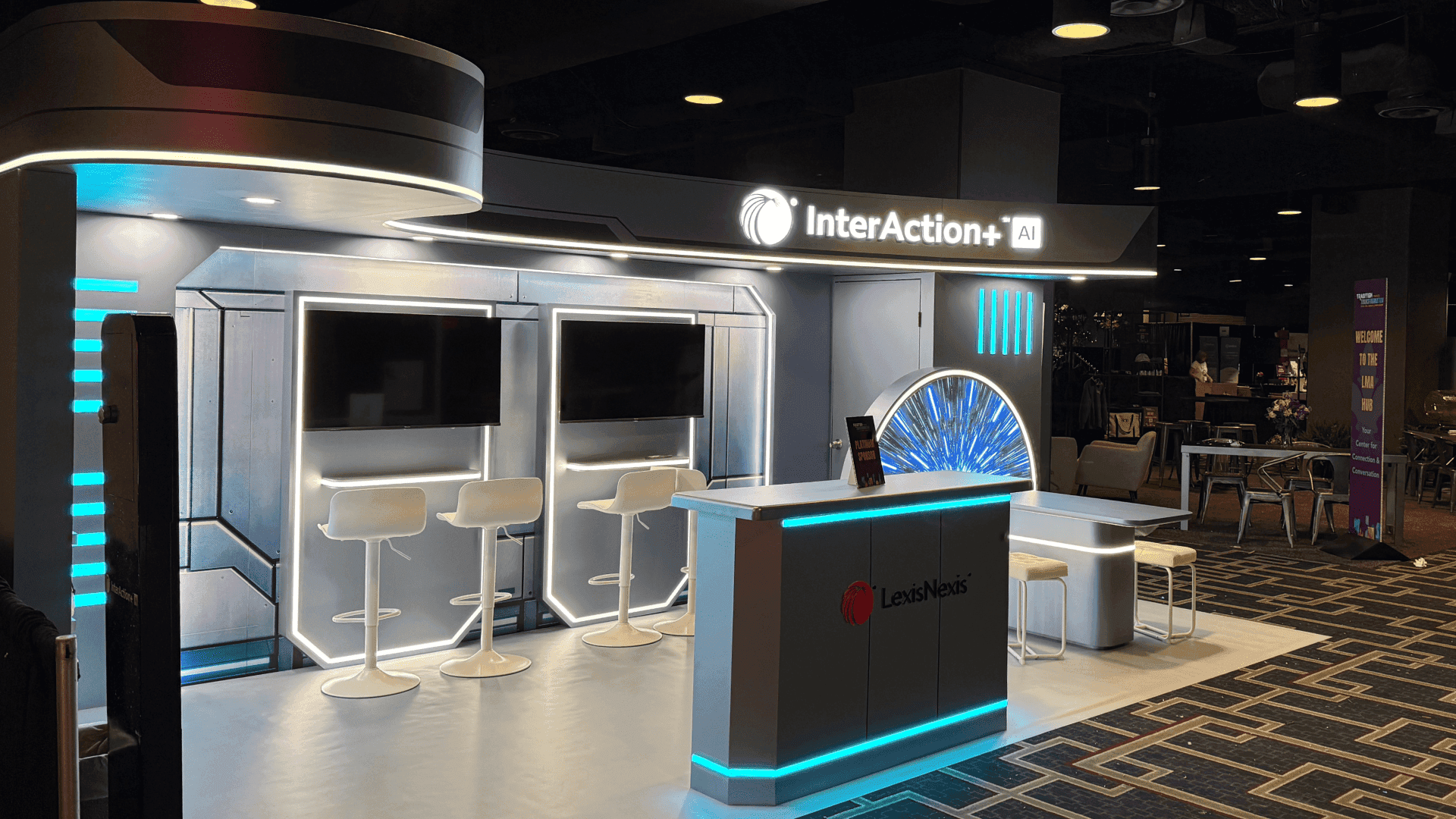
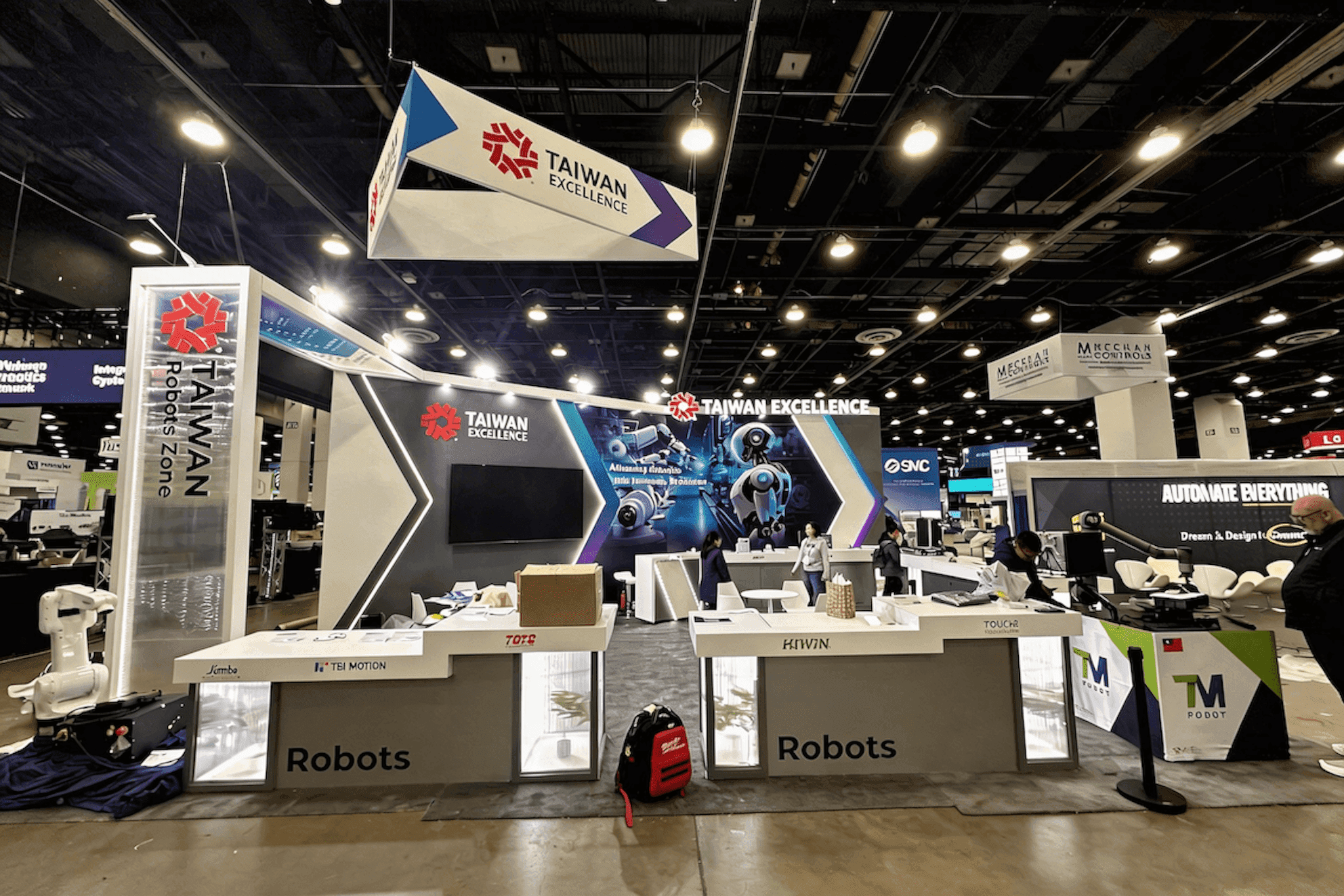
Once dashboards, secondary screens, operator controls, and demo devices all need a place in the booth, their physical arrangement becomes part of trade show design and engineering. The technical layer should support the demonstration without becoming the first thing the visitor has to decode.
Show Where Human Control Still Matters
Autonomy is easier to evaluate when its limits are visible. The demo should show which actions the agent can perform independently and where human approval, review, or intervention becomes necessary.
The important question is not simply whether a person remains involved, but when control changes hands. A buyer should be able to see when an action requires approval, when an operator can override the agent, and what happens after an intervention.
The control state should also be obvious. A buyer should not have to guess whether an action was autonomous, approved by a person, or manually taken over.
That makes human oversight part of the product proof rather than something explained only after the demonstration.

Showing approval points, human intervention, and recovery paths helps buyers understand where autonomy stops and how the workflow responds when conditions change.
Show What Happens When the Workflow Goes Off Plan
A perfect happy path says little about how an AI agent behaves when something unexpected happens. Ambiguous input, missing permissions, an unavailable service, a failed API, or an unexpected result can reveal much more about the boundaries of the system.
The useful part is the response. Does the agent stop safely, ask for clarification, escalate to a person, switch paths, or recover and continue?
Before the demo goes live, check:
account access and authentication
APIs and external services
device and network dependencies
permissions and approval states
backup content and workflow reset
Practical booth note: Test the dependency chain, not only the application. A demo can fail because an account expired, a permission changed, an API is unavailable, the network behaves differently, or the workflow was never reset after the previous visitor.
Authentication, permissions, network access, external services, backup assets, and workflow reset should be verified during pre-show coordination, while there is still time to test both the primary path and the fallback.
Finish With What Changed in the Business Workflow
A successful agent run is not yet a business outcome. The buyer still needs to understand what changed because the agent acted.
That change may be fewer manual steps, faster exception handling, better coordination, a shorter workflow, or stronger decision support. A simple before-and-after workflow comparison can often make the difference clearer: what previously required manual coordination, what the agent handled, and what still remained with the human team.
The demo should make that change easy to judge without turning it into an ROI promise. A useful ending allows the buyer to explain both what the agent did and why that change matters to the enterprise.
FAQ
What is the most important thing to show in an Agentic AI demo?
Start with the business task, then make the agent’s actions visible enough to evaluate. Buyers should understand what the agent decided, which tools or systems it used, where control points appear, and what result the workflow produced.
Should an Agentic AI demo show human oversight?
Yes. In an enterprise setting, buyers need to understand where approval, review, override, or intervention enters the workflow. Showing those control boundaries makes it easier to evaluate how much autonomy the agent has and where people remain responsible.
Should Agentic AI exhibitors prepare a fallback demo?
Yes. A useful fallback goes beyond a recorded video. Accounts, APIs, devices, connectivity, external services, permissions, backup content, and workflow reset should be tested so the team can continue explaining the core use case when one dependency fails.