IESNA Startup Pavilion Booth Planning

What should exhibitors plan for an IESNA Startup Pavilion booth?
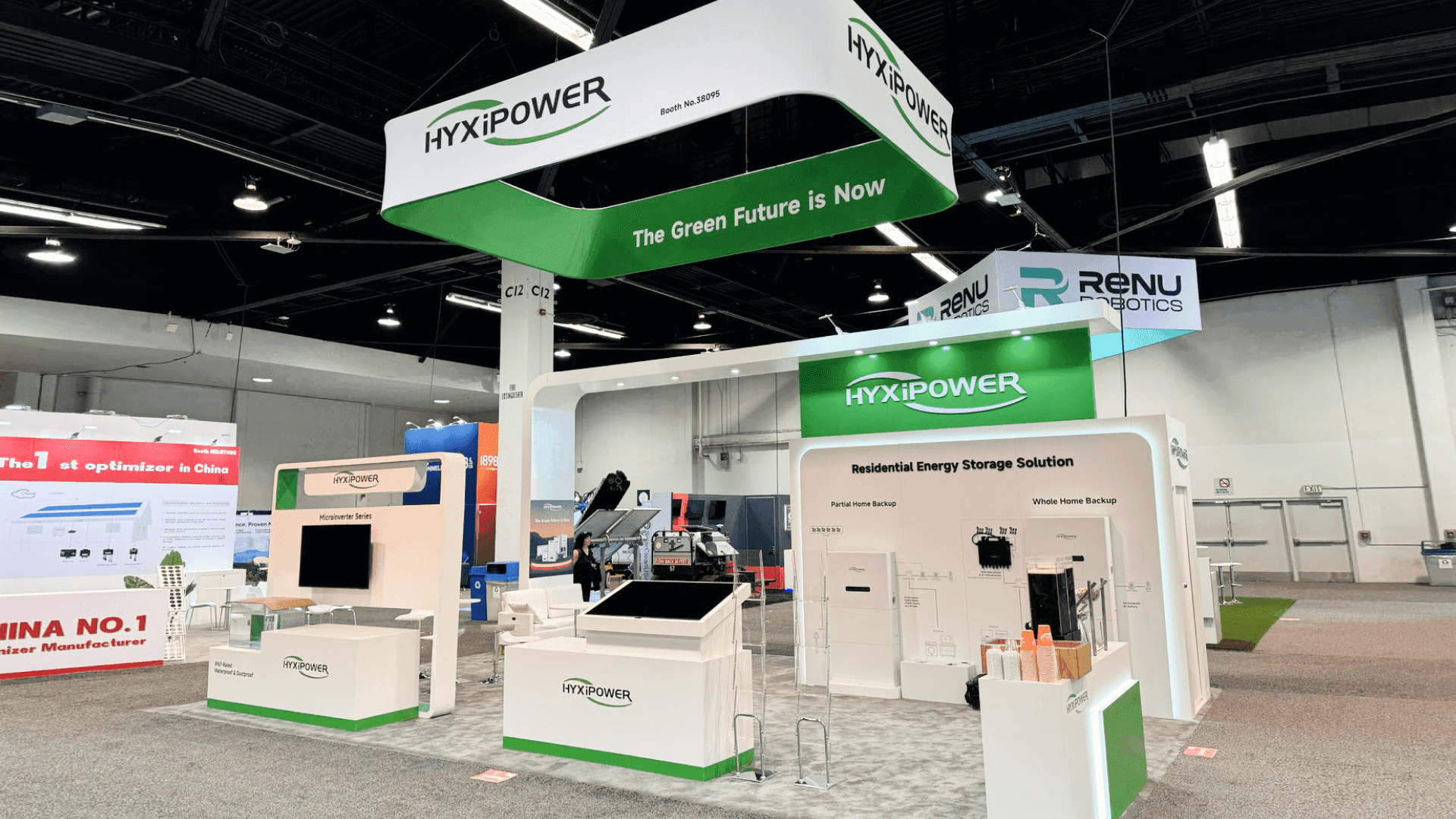
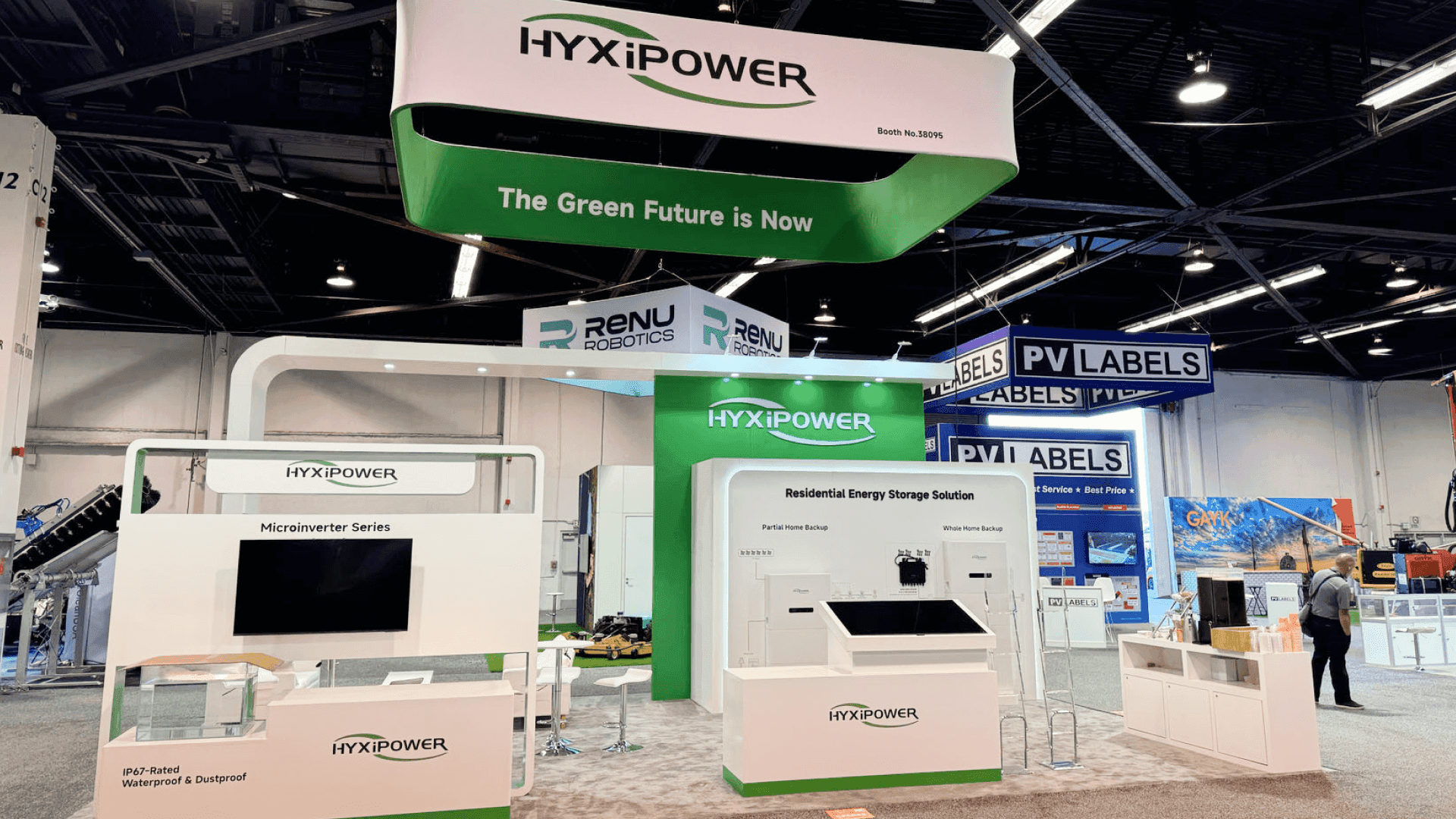
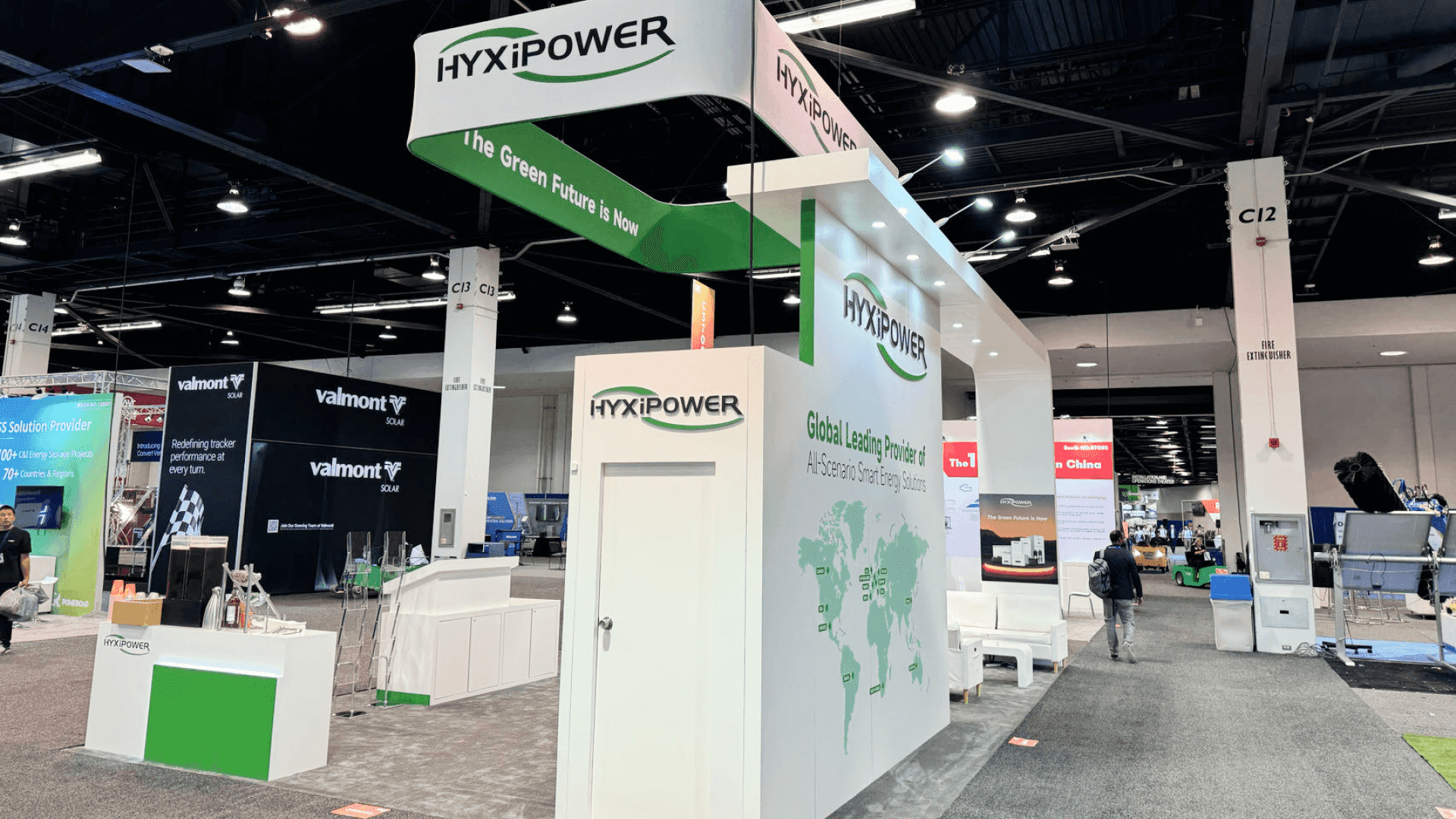
IESNA Startup Pavilion exhibitors should plan a booth around one clear product message, a prototype or demo display, simple pitch graphics, screen content, lead capture, storage, and space for investor or buyer conversations. The booth should help visitors understand what the startup does, who it helps, and why a follow-up conversation is worth having.
An IESNA Startup Pavilion booth has to make the idea clear before the visitor walks past. Visitors may be investors, partners, EPCs, installers, distributors, developers, or clean energy buyers. They need to understand the product category, the problem being solved, and why the conversation is worth continuing.
For clean energy startups, a strong booth is usually simple. One visible prototype, one clear screen, direct pitch graphics, lead capture, storage, and a small conversation area often matter more than adding more claims or product details. The goal is not to explain everything at once. It is to help the right visitor understand the idea and take the next step.
This page focuses on IESNA Startup Pavilion booth planning, clean energy startup displays, prototype demo layouts, pitch graphics, lead capture, investor conversations, buyer meetings, and San Diego setup. For the main event path, review IESNA booth planning. Exhibitors comparing equipment-heavy or EV infrastructure displays can also review IESNA Manufacturing Pavilion Booth Planning and IESNA EV Charging Infrastructure Pavilion Booth Planning.
Why Exhibitors Choose Circle Exhibit
Clear scope, transparent quote review, nationwide booth support, and efficient setup planning for qualified rental and custom exhibit projects.
48hr
Setup Window
10+
Years Since 2014
U.S.
Trade Show Support
Real
Booth Project Proof
Choose the booth size around the pitch, not the amount of information the startup wants to show. A prototype, software screen, sample counter, and short meeting point can work well when the message is clear.
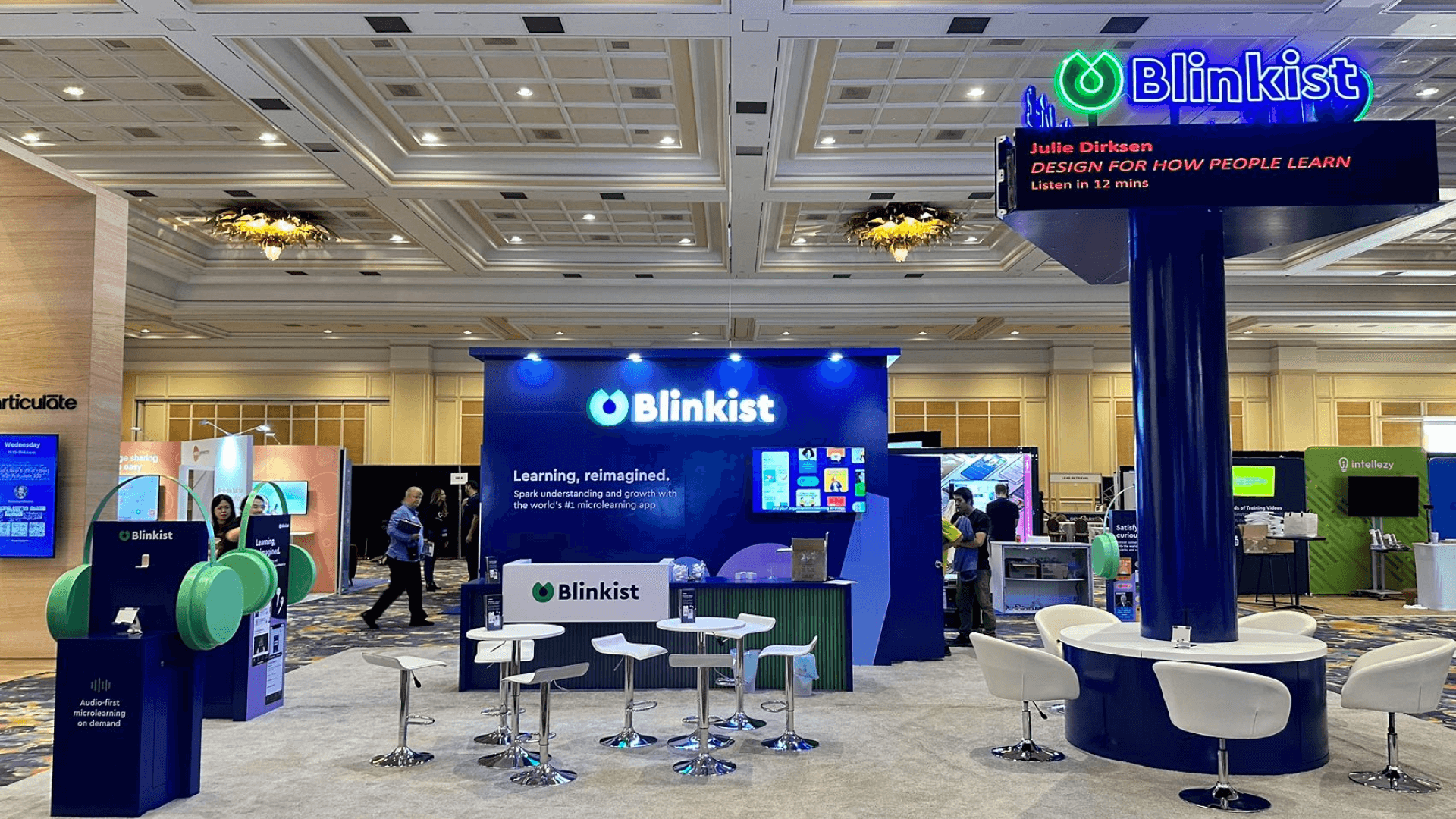
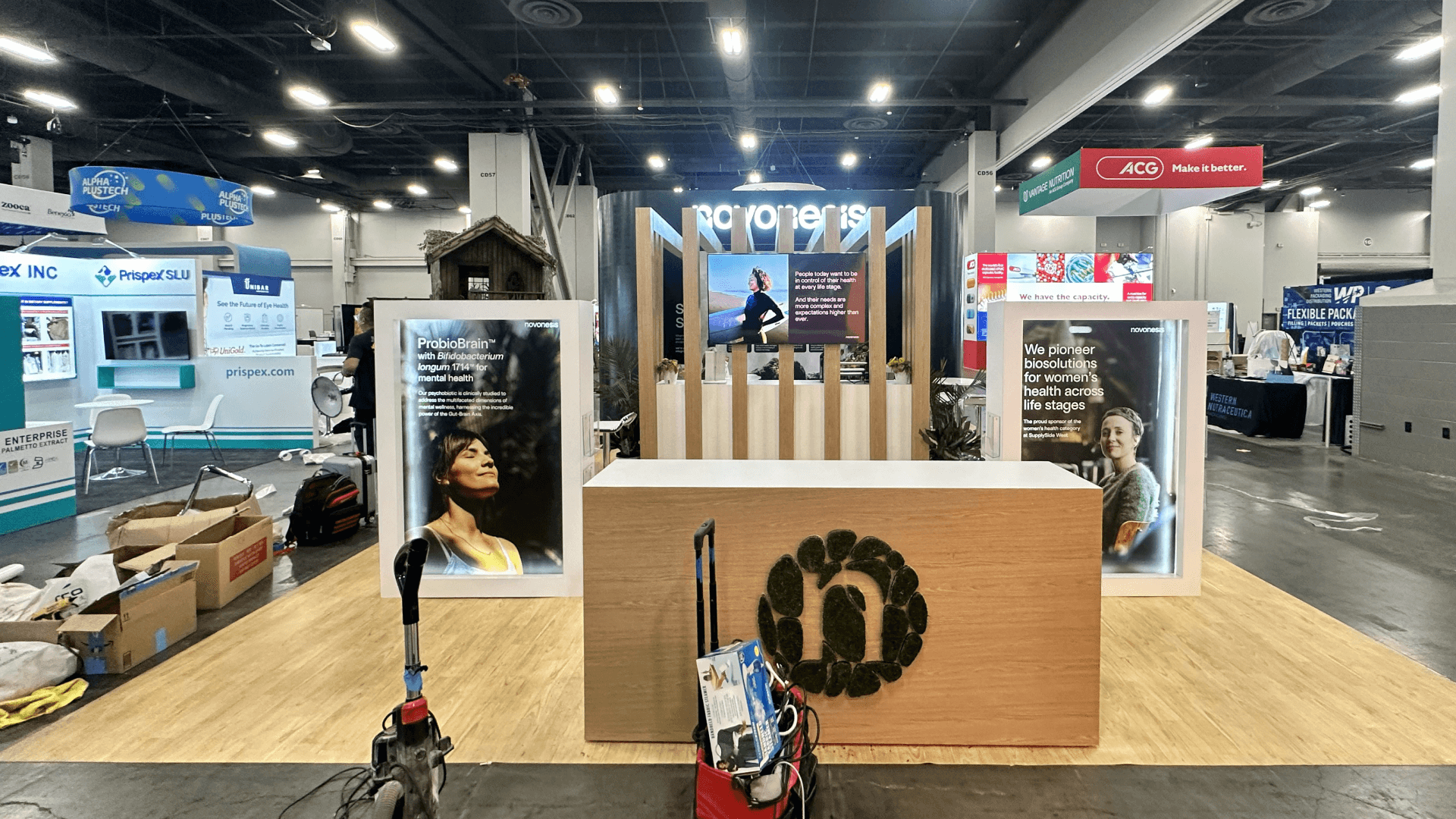
A 10x10 booth can work for one clear product message, a prototype or sample, one screen, simple graphics, lead capture, and quick visitor conversations.
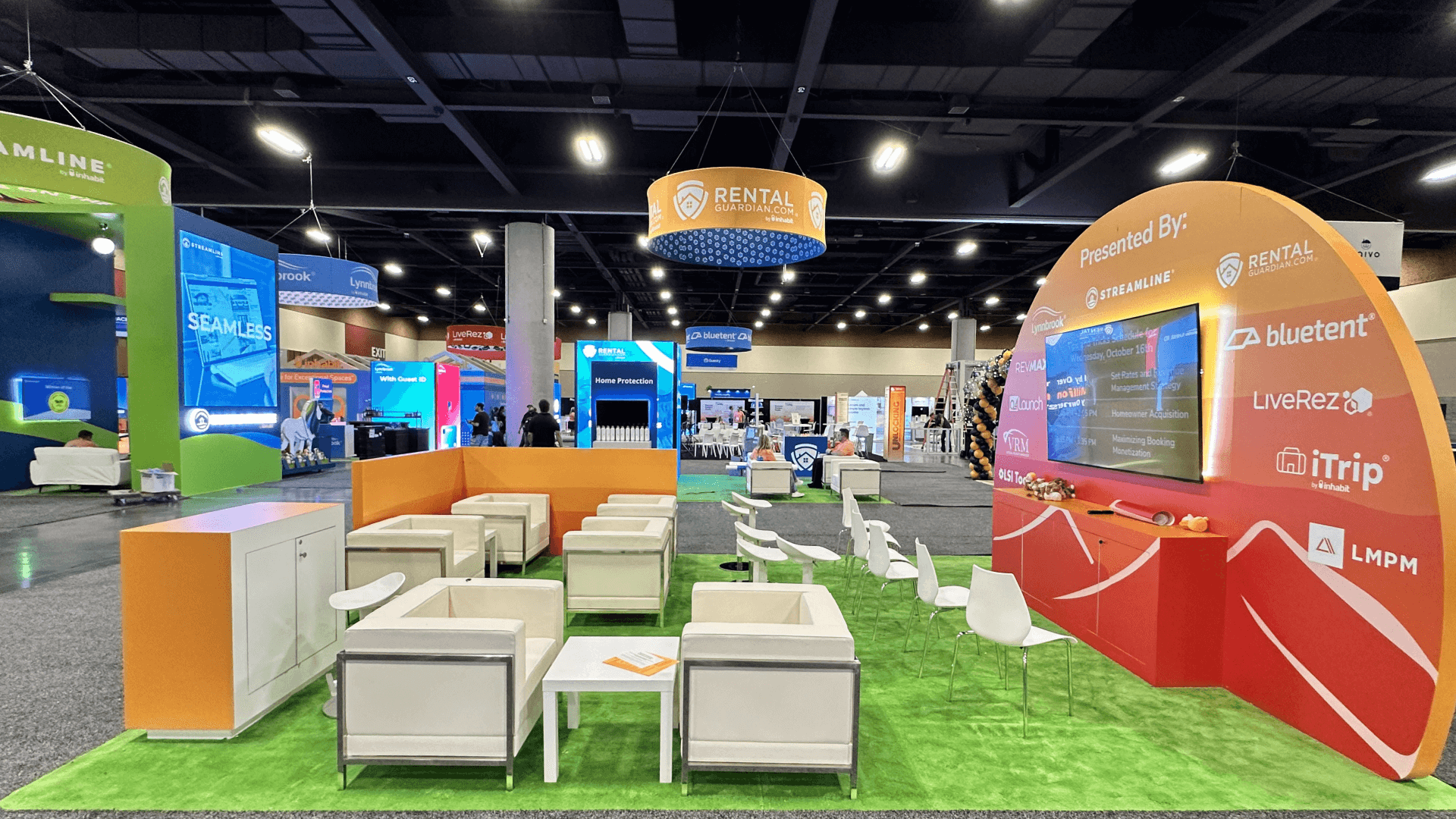
A 20x20 booth may fit startups with larger hardware, multiple screens, partner meetings, pilot discussions, or stronger brand visibility needs.
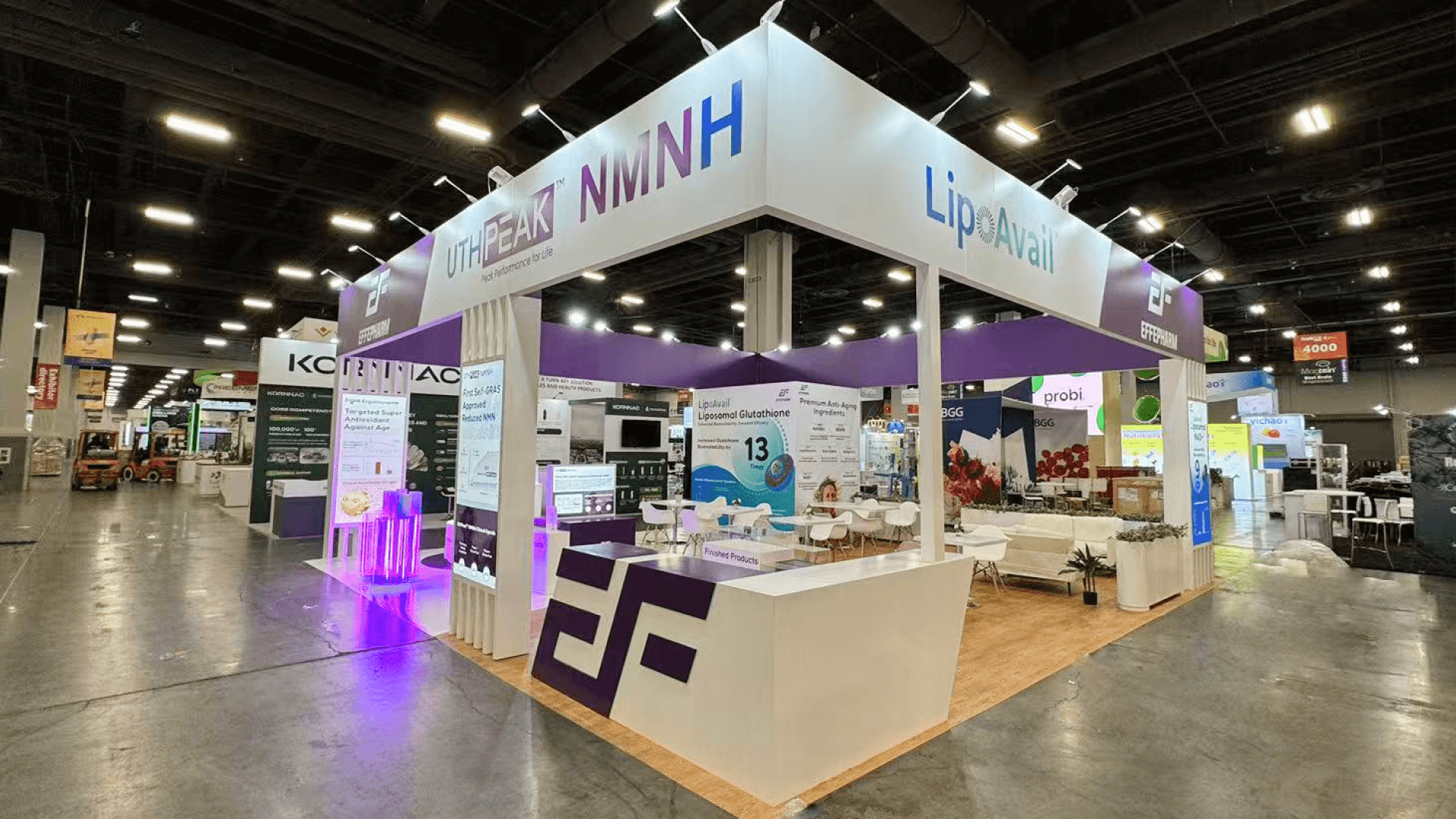
A 10x20 booth gives startups more room for a product demo, a small meeting point, storage, screen content, and a cleaner path for visitors.
Startup booths should check graphics, demo screens, lead capture, chargers, storage, and prototype placement before opening so the pitch feels ready.
For Startup Pavilion exhibitors, the booth should make the idea clear before the visitor walks past. Start with How Solar, Storage, and EV Infrastructure Exhibitors Should Plan Booths for IESNA for clean energy booth layout, demo flow, messaging, storage, buyer conversations, and San Diego setup.
The booth should reduce the time it takes to understand the startup. Visitors need to see the category, problem, solution, proof point, and next step without reading a wall of text.
The main booth message should explain what the startup does and who it helps. Too many claims or diagrams can make the booth harder to read.
Place the prototype, sample, product screen, or application demo where visitors can understand the offer before staff begin a deeper explanation.
Startups need space for quick, focused conversations with investors, partners, developers, installers, distributors, or buyers without blocking the booth entrance.
Keep lead capture easy to use. Plan storage for pitch materials, chargers, small cases, printed cards, staff items, and sample pieces.
The Startup Pavilion gives emerging clean energy companies a focused space to introduce new products, prototypes, software, pilots, or business models to potential customers, partners, and investors.
IESNA Flagship 2027 is scheduled for February 9–11, 2027 at the San Diego Convention Center. Startup exhibitors should make the pitch, demo, lead capture, storage, and follow-up conversation easy to manage in a compact booth.
A startup booth should make three things clear: what the product does, what proof or demo supports it, and why the visitor should continue the conversation after the show.
Not Sure Which Booth Size You Need?
Not every exhibitor knows whether a 10x20, 20x20, 20x30, or larger booth is the right fit. Circle Exhibit can help review your event goals, product display needs, demo areas, meeting space, storage, budget scope, and setup timeline before you choose a booth size.
Keeping the Pitch Focused
Showing Enough Proof
1
Write One Main Message
2
3
4
When Rental Can Work
A rental booth can work when the startup needs branded graphics, a demo counter, one or two screens, sample display, lead capture, light storage, and a clean layout for short conversations.
When Custom Build Support Helps
Custom build support is useful when the booth needs larger hardware display, stronger brand structure, built-in demo surfaces, private meeting space, controlled storage, or a more guided product story.
How to Decide
Choose based on what visitors need to understand first. A compact prototype or software demo may work in a smaller booth, while larger hardware, partner meetings, or multiple demo zones may need a larger footprint.
Set the screen, prototype, graphics, lead capture, and storage before opening. A startup booth loses momentum when the demo feels unfinished.
Visitors should understand the product category and reason to stop before staff begin the pitch.
Leave enough room for short investor, partner, or buyer discussions. A clear conversation point can be more useful than another graphic panel.
Check the prototype, demo screen, pitch graphics, lead capture, chargers, storage, and conversation area before opening. Startup booths need to feel ready from the first visitor, not assembled during the show.
Use this page when the IESNA booth needs to explain a clean energy startup, prototype, software demo, sample product, pitch message, or investor conversation path.
Need an IESNA Startup Booth Rental Plan?
Plan a compact startup booth around one clear message, a prototype or screen demo, pitch graphics, lead capture, storage, and short buyer conversations.
What should exhibitors plan for an IESNA Startup Pavilion booth?
Startup exhibitors should plan a clear product message, prototype or demo display, simple graphics, screen content, lead capture, storage, buyer or investor conversation space, and final setup checks before the show.
What booth size works well for startups at IESNA?
How should startups display prototypes at IESNA?
What should exhibitors plan for an IESNA Startup Pavilion booth?
What booth size works well for startups at IESNA?
READY TO PLAN YOUR NEXT BOOTH?
Let’s Build a Booth That Fits Your Event
Share your event name, booth size, city, timeline, product display needs, and design references. Circle Exhibit will review your project direction and help you choose a rental-friendly or custom exhibit path.
3000+
Booth Projects Supported
50+
U.S. Event Cities
Transparent
Quote Review
For startups planning a compact prototype display, one product message, a small screen, lead capture, and short visitor conversations.
For startups that need more room for a product demo, sample counter, screen presentation, small meeting point, storage, and clearer visitor flow.
For startups with larger hardware, multiple demo screens, partner meetings, pilot conversations, or stronger brand visibility needs.
For startup pitch graphics, product labels, use-case messaging, booth visuals, screen content, and visitor-facing brand presentation.
For prototype placement, demo counters, screen placement, booth structure, storage, layout planning, and production preparation before the show.