IESNA EV Charging Infrastructure Pavilion Booth Planning

What should exhibitors plan for an IESNA EV Charging Infrastructure Pavilion booth?
IESNA EV Charging Infrastructure Pavilion exhibitors should plan booth layouts around charger hardware, facility meters, energy controllers, grid software, demo screens, sample components, buyer meeting space, storage, cable access, and San Diego show-site setup. The booth should make the charging solution, site role, and next conversation easy to understand.
An IESNA EV Charging Infrastructure Pavilion booth needs to show how the charging solution works in a real site. Visitors may be comparing chargers, facility meters, energy controllers, grid software, power management tools, hardware components, or infrastructure platforms. The booth should make the system easy to understand before the conversation moves into capacity, site planning, integration, or grid connection.
For EV infrastructure exhibitors, the layout should connect the hardware, screen workflow, product labels, sample components, storage, and meeting space into one clear path. The product may be technical, but the booth should answer the first question quickly: what does it control, connect, measure, or improve?
This page focuses on IESNA EV Charging Infrastructure Pavilion booth planning, EV charger display layouts, energy controller demos, facility meter displays, grid software presentations, buyer conversations, and San Diego setup. For the main event path, review IESNA booth planning. Exhibitors comparing equipment-heavy or early-stage product displays can also review IESNA Manufacturing Pavilion Booth Planning and IESNA Startup Pavilion Booth Planning.
Why Exhibitors Choose Circle Exhibit
Clear scope, transparent quote review, nationwide booth support, and efficient setup planning for qualified rental and custom exhibit projects.
48hr
Setup Window
10+
Years Since 2014
U.S.
Trade Show Support
Real
Booth Project Proof
Choose the booth size around the demo path. A charger hardware display, a software-led infrastructure demo, a meter or controller presentation, and a larger EV charging system will not need the same footprint, screen setup, or meeting space.
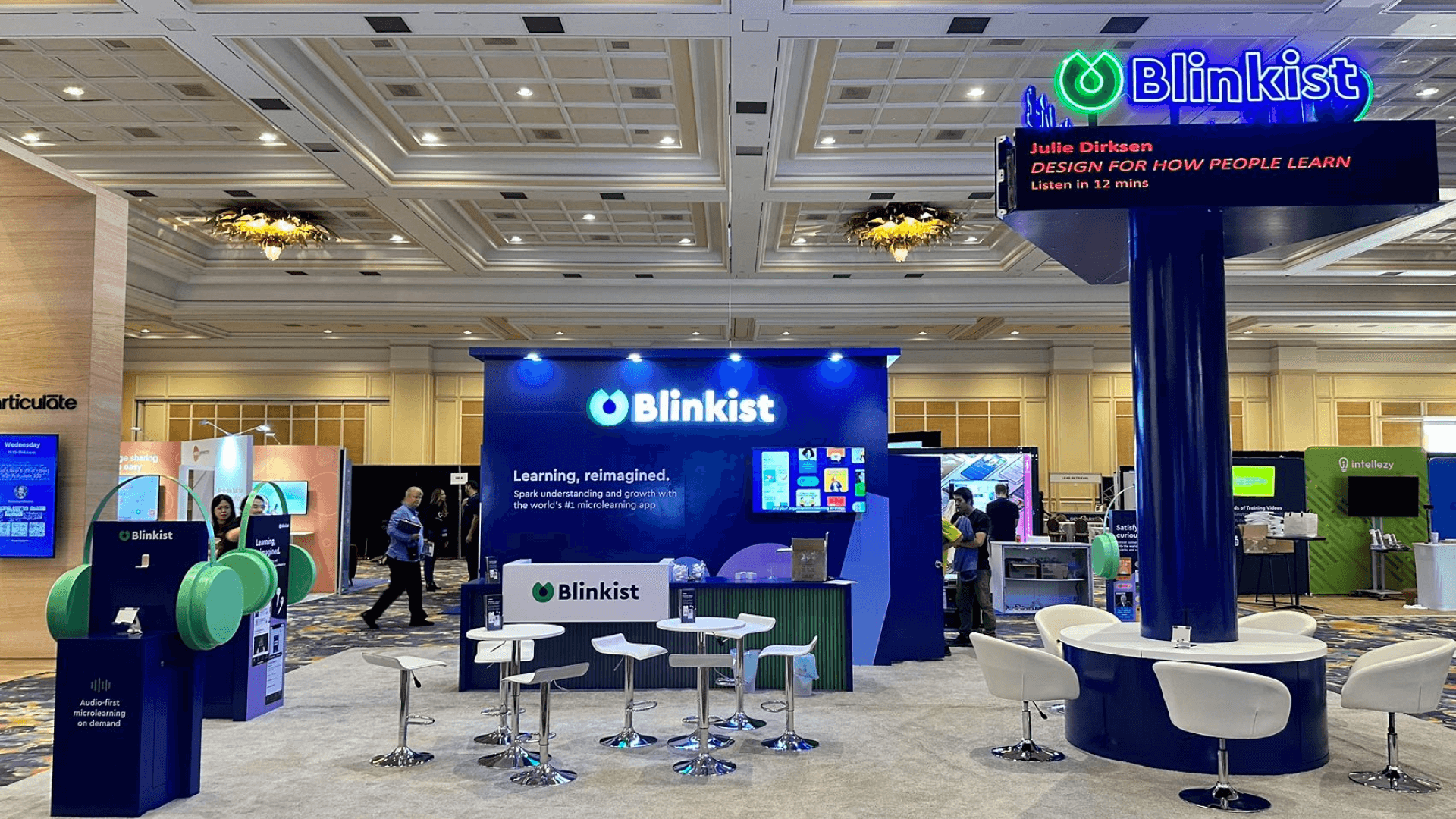
A 10x20 booth can work for a focused charger, meter, controller, or software display with one demo screen, a product counter, light storage, and short buyer conversations.
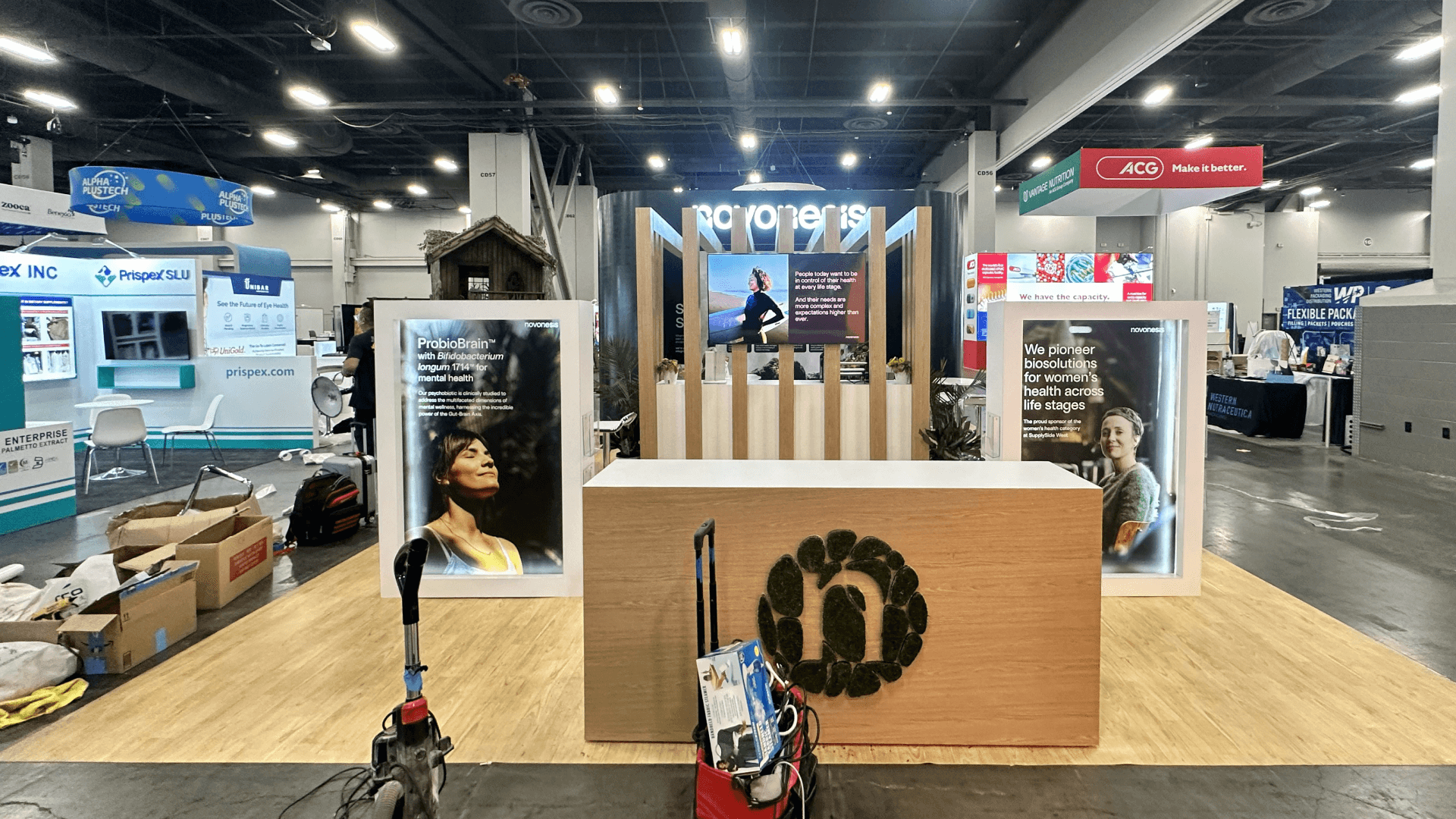
A 20x30 booth can support larger charging hardware, multiple screens, site-planning conversations, partner meetings, storage, and a more complete infrastructure presentation.
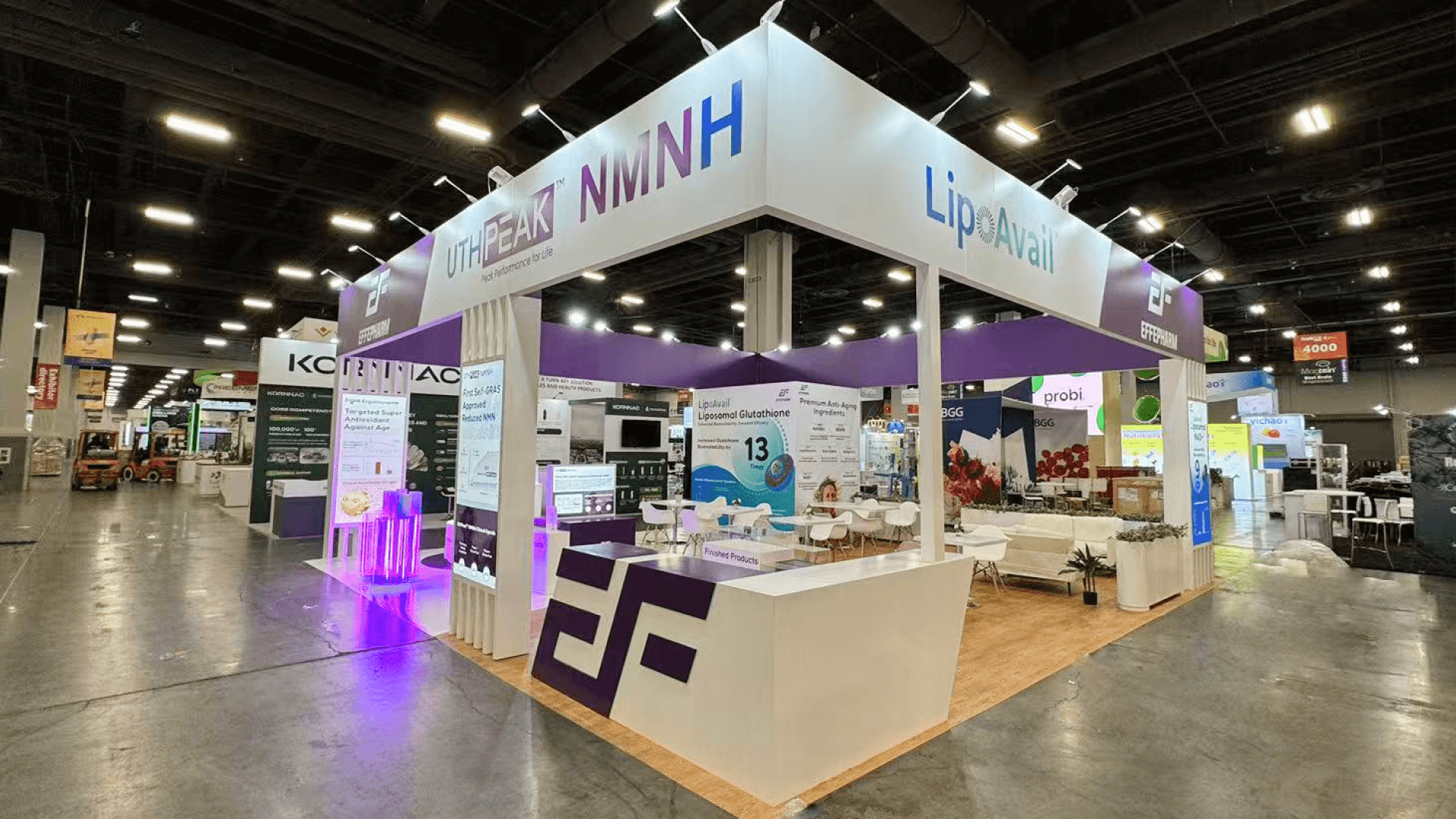
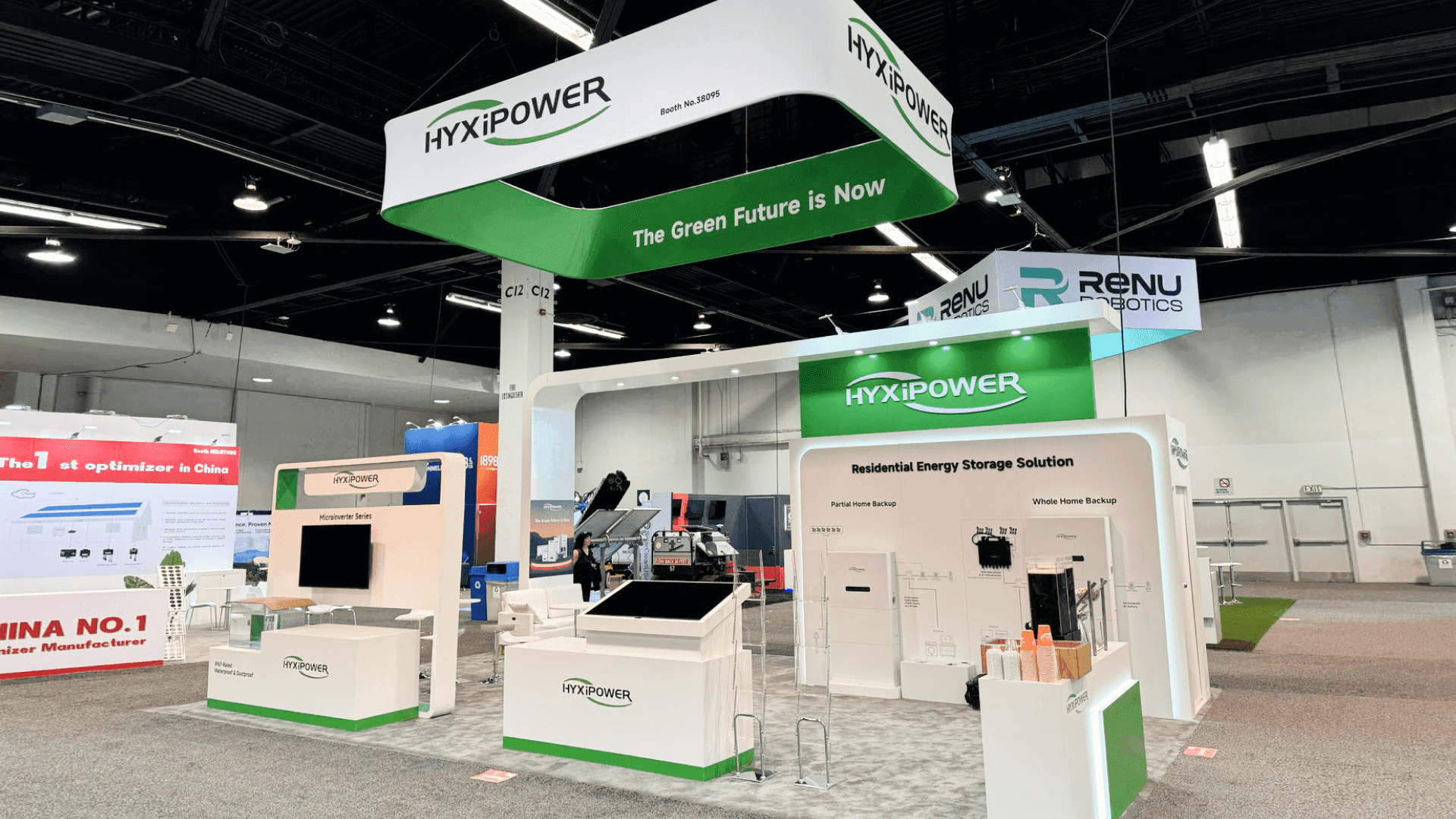
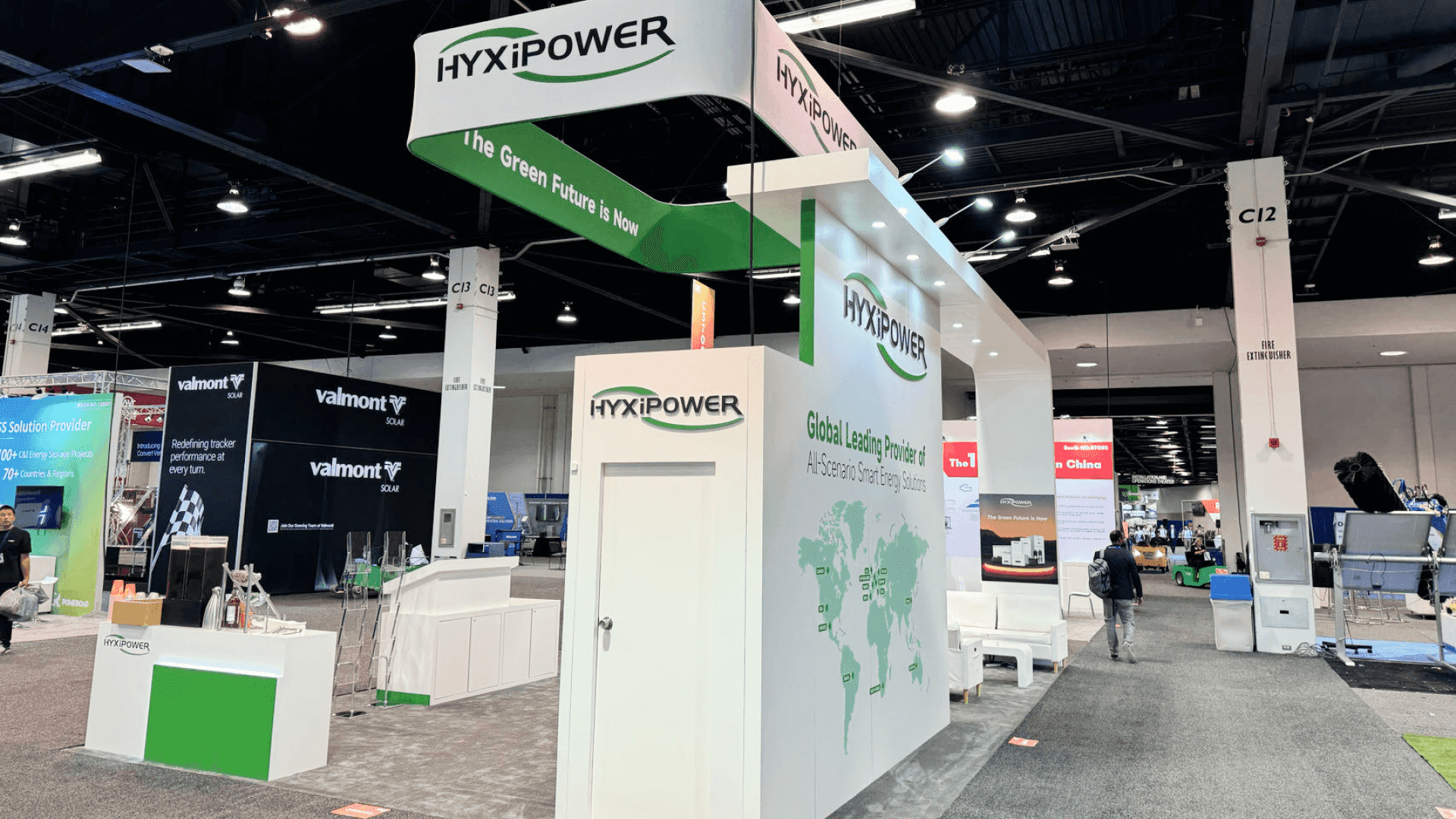
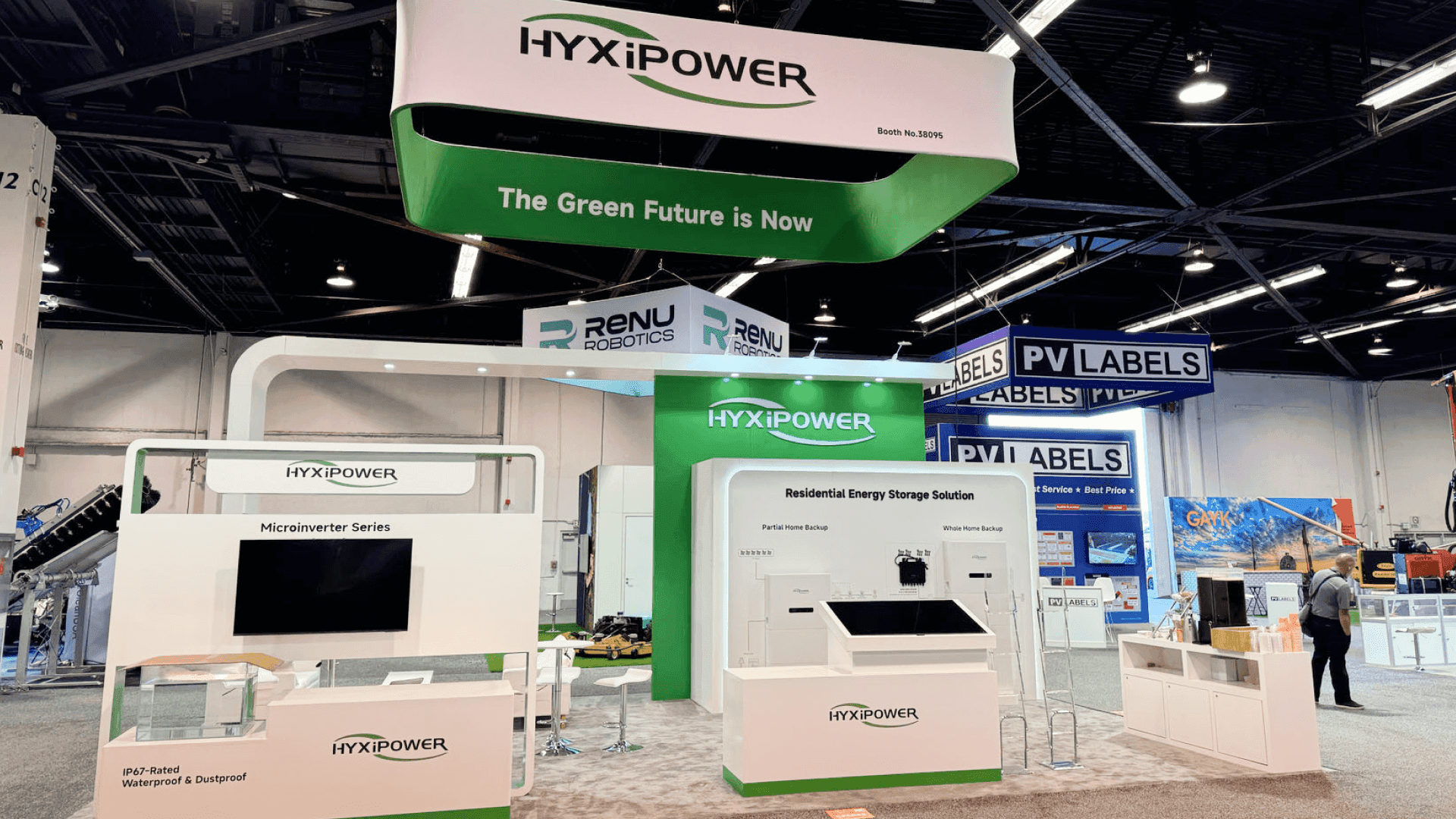
A 20x20 booth gives exhibitors more room for hardware display, screen-led workflow, sample components, storage, staff explanation, and a cleaner visitor path around the product.
EV infrastructure booths often involve demo screens, devices, sample components, cables, product cases, and storage. These should be checked before opening so the demo feels ready, not improvised.
For EV infrastructure exhibitors, the booth should connect the hardware, control point, and site story in one clear path. Start with How Solar, Storage, and EV Infrastructure Exhibitors Should Plan Booths for IESNA for clean energy booth layout, demo flow, messaging, storage, buyer conversations, and San Diego setup.
The booth should help visitors understand the charging infrastructure story quickly. Buyers need to see the hardware, the control point, the software layer, and the site value without getting lost in technical detail.
Charging devices, connectors, meters, cabinets, controllers, and sample hardware should be placed where visitors can understand the product type and physical scale quickly.
If the solution involves software, load management, grid coordination, monitoring, or site control, use screens to show the workflow instead of relying only on staff explanations.
EV infrastructure buyers often want to discuss installation scenarios, facility needs, energy use, network growth, or fleet charging requirements. A small meeting point keeps those conversations organized.
Plan storage for product cases, cables, catalogs, sample parts, staff materials, and demo accessories. Final checks should confirm screens, counters, graphics, and hardware placement before the show opens.
The EV Infrastructure Pavilion gives charging hardware, facility meters, energy controllers, software, grid-related systems, and site infrastructure products a focused path inside IESNA.
IESNA Flagship 2027 is scheduled for February 9–11, 2027 at the San Diego Convention Center. EV infrastructure exhibitors should plan hardware display, screen workflow, cable access, buyer flow, storage, and final setup checks before the show opens.
EV charging exhibitors often need to explain both the physical product and the infrastructure logic behind it, from charger hardware and meters to energy control, software, grid connection, and site planning.
Not Sure Which Booth Size You Need?
Not every exhibitor knows whether a 10x20, 20x20, 20x30, or larger booth is the right fit. Circle Exhibit can help review your event goals, product display needs, demo areas, meeting space, storage, budget scope, and setup timeline before you choose a booth size.
Keeping the Site Story Clear
Making Screens Easy to Read
1
Define the Charging Story
2
3
4
When Rental Can Work
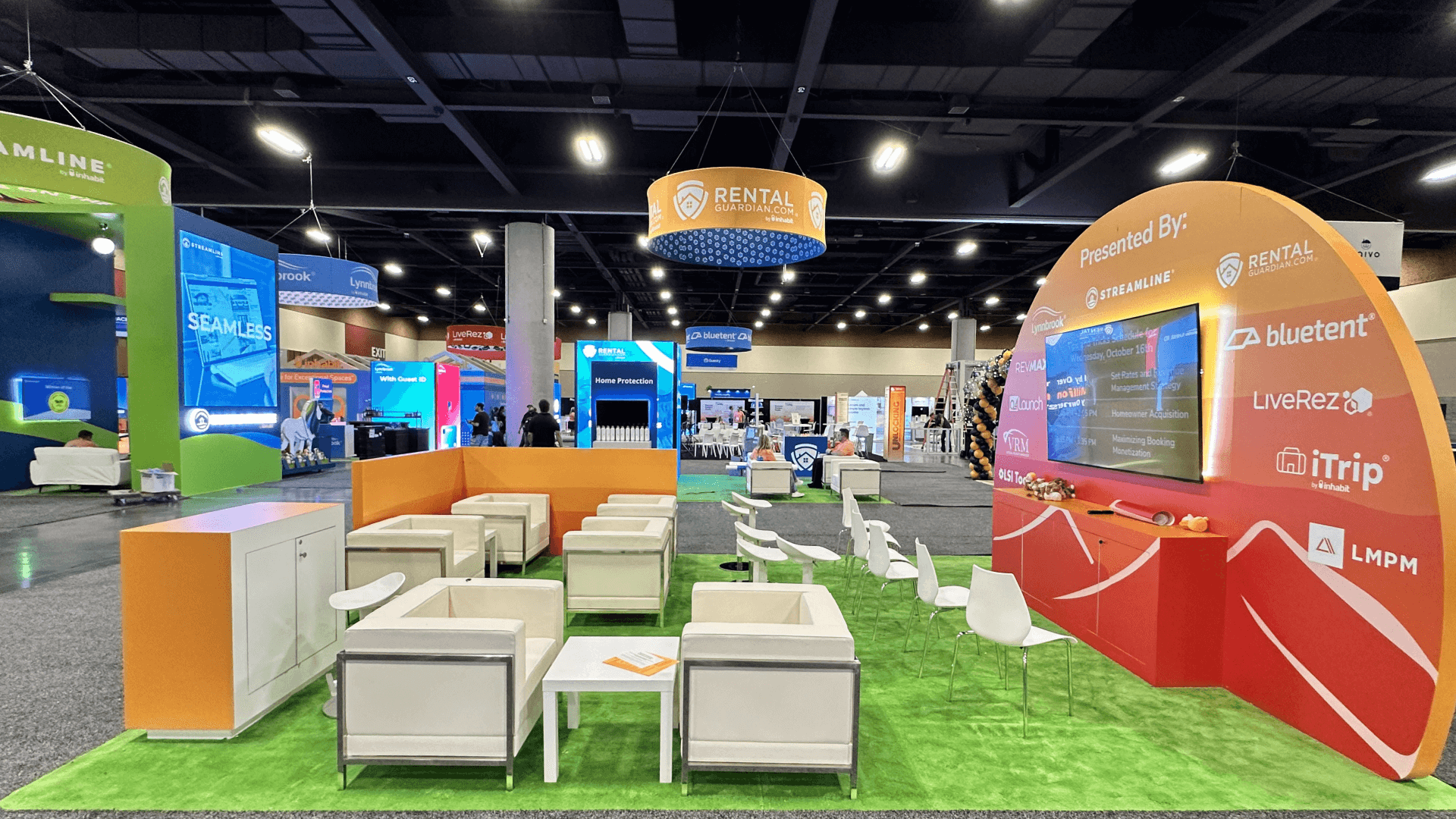
A rental booth can work when the exhibitor needs branded graphics, counters, demo screens, charger samples, light storage, and a clean layout for a focused EV charging presentation.
When Custom Build Support Helps
Custom build support is useful when the booth needs larger hardware areas, built-in demo counters, screen walls, controlled storage, branded structures, or a more guided infrastructure presentation path.
How to Decide
Choose based on what visitors need to understand first. A compact controller or software demo may work in a smaller booth, while charger hardware, site-planning conversations, and multiple demo screens usually need a larger footprint.
Plan hardware placement, screen setup, cable access, storage, graphics, and final checks early so the charging demo is ready when visitors arrive.
Leave enough room for visitors to stop, compare the hardware, watch the software workflow, and speak with staff without blocking the aisle.
Use labels, screens, and short messages to show whether the product charges, controls, measures, connects, or manages the site before the discussion becomes technical.
Check charger placement, screen content, cable access, product labels, storage, and meeting space before opening. EV infrastructure booths need the hardware display and software workflow ready before visitors arrive.
Use this page when the IESNA booth needs to explain charger hardware, facility meters, energy controllers, grid software, site planning, or EV infrastructure workflow.
Need an IESNA EV Infrastructure Booth Rental Plan?
Plan charger hardware displays, grid software screens, buyer flow, storage, cable access, and show-site setup around one clear rental booth layout.
What should exhibitors plan for an IESNA EV Charging Infrastructure Pavilion booth?
Exhibitors should plan charger hardware placement, software or grid workflow screens, product labels, sample components, buyer meeting space, storage, cable access, staff conversation points, and final setup checks before the show.
What booth size works well for EV charging exhibitors at IESNA?
How should EV charging products be displayed at IESNA?
What should exhibitors plan for an IESNA EV Charging Infrastructure Pavilion booth?
What booth size works well for EV charging exhibitors at IESNA?
READY TO PLAN YOUR NEXT BOOTH?
Let’s Build a Booth That Fits Your Event
Share your event name, booth size, city, timeline, product display needs, and design references. Circle Exhibit will review your project direction and help you choose a rental-friendly or custom exhibit path.
3000+
Booth Projects Supported
50+
U.S. Event Cities
Transparent
Quote Review
For exhibitors planning a focused EV charging product display, meter presentation, controller demo, software screen, and short buyer conversations.
For exhibitors that need more room for charger hardware, sample components, screen-led workflows, storage, and staff-led explanation.
For exhibitors planning a larger charging system display, multiple demo screens, site-planning conversations, storage, and stronger visitor flow.
For hardware placement, screen walls, demo counters, product display surfaces, storage, technical layout, and production planning before the show.
For product labels, infrastructure diagrams, software screenshots, use-case messaging, branded surfaces, and visitor-facing booth graphics.