IAAPA Rides & Equipment Booth Planning
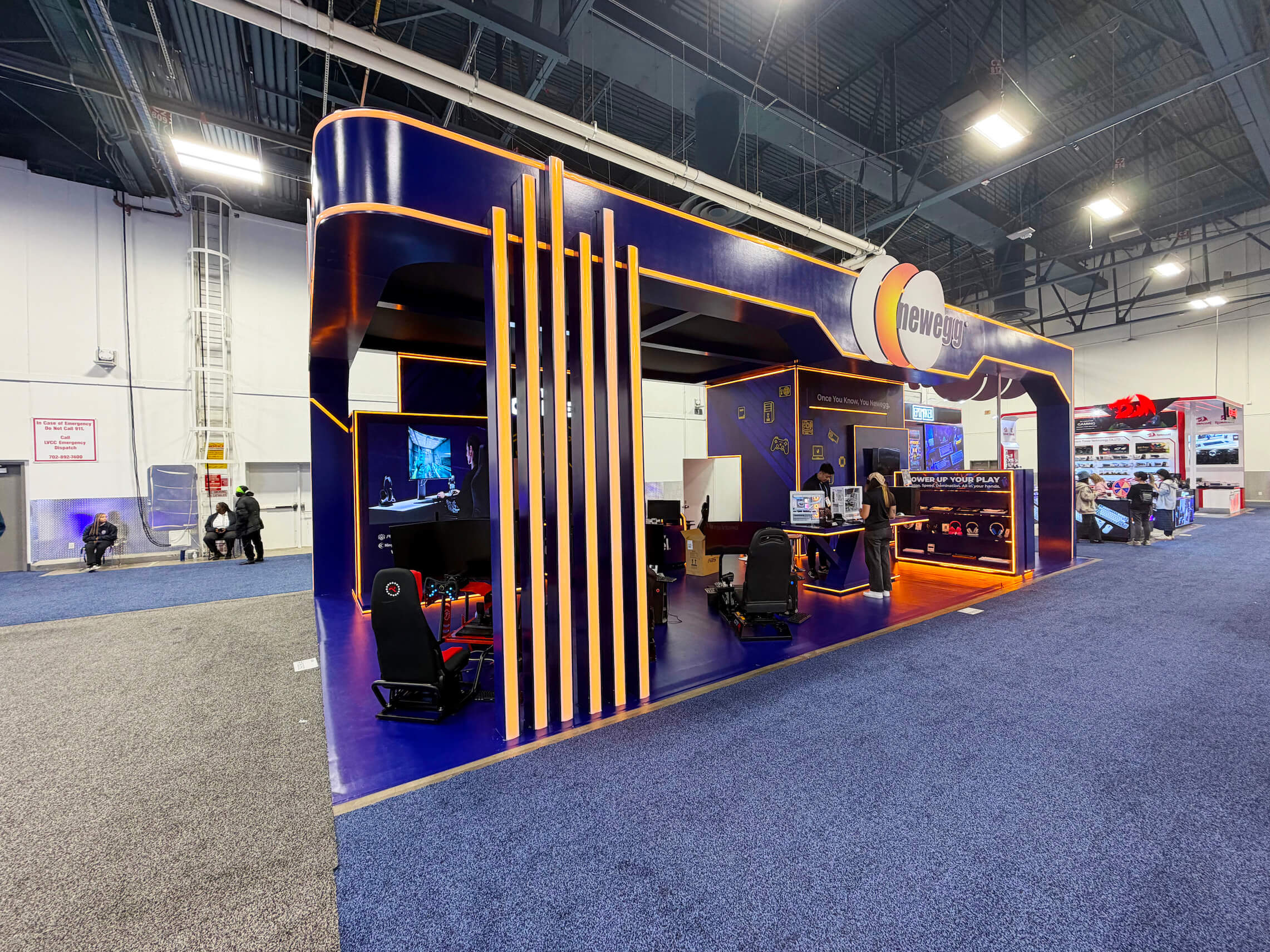
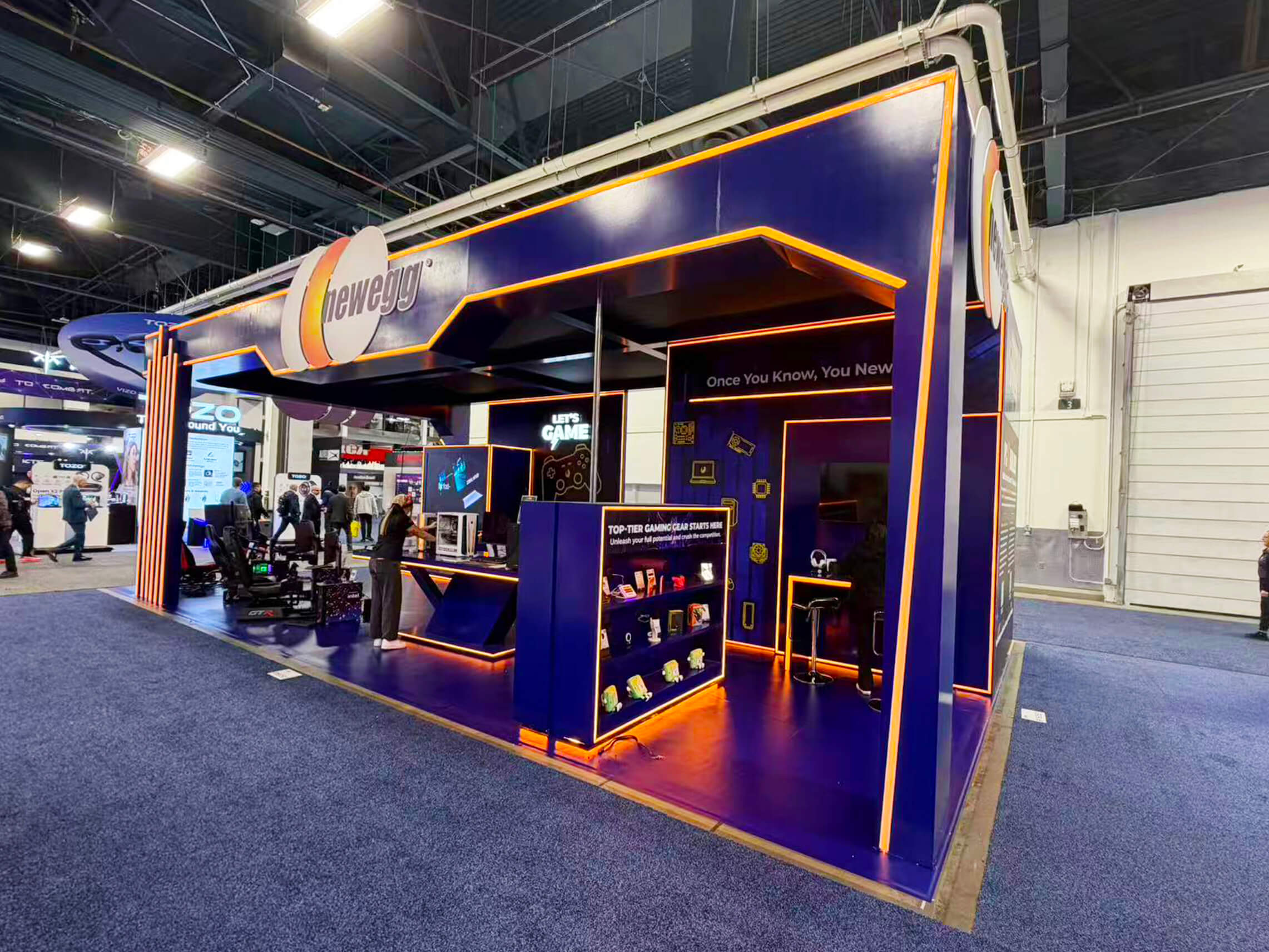
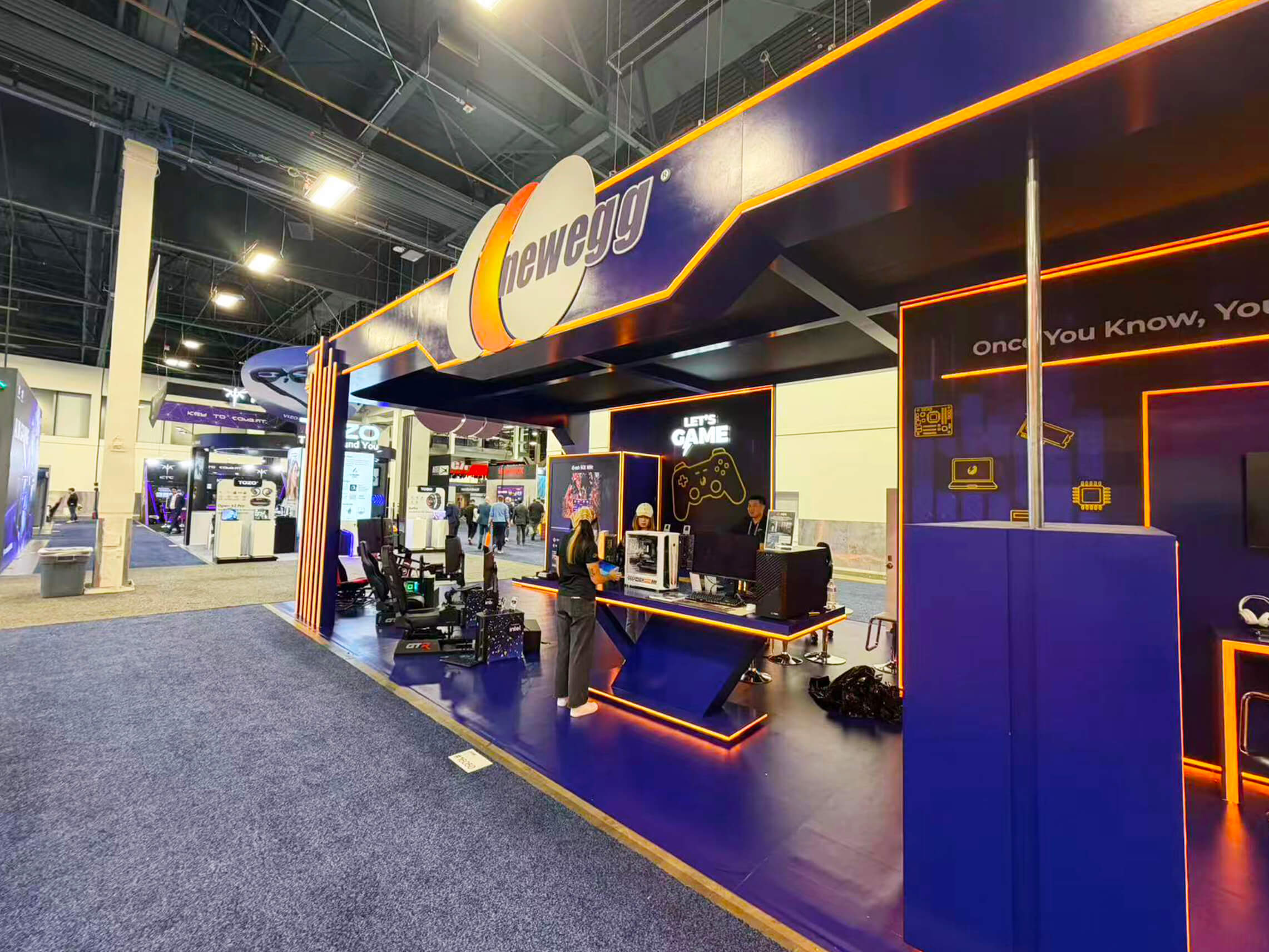

How should exhibitors plan an IAAPA rides and equipment booth?
An IAAPA rides and equipment booth should help buyers understand the product at a glance: its scale, how it works, and what installation it requires. Full-size components, models, screens, and moving devices need different viewing distances, service clearances, utilities, and freight access. Before fabrication begins, confirm the assigned OCCC building, required booth drawings, ride registration, and installation sequence.
Ride and equipment buyers need to grasp the product’s scale before they can assess performance. A full-size component, working mechanism, scale model, or screen simulation can change viewing distance, service clearance, utility needs, booth footprint, and the freight plan.
The wider IAAPA Expo booth planning hub covers games, FEC solutions, venue technology, merchandise, and operating services. This page stays focused on ride systems and equipment that require closer inspection, technical access, staff movement, and room for operator discussions.
Booth size should reflect the equipment dimensions, viewing distance, service access, and installation needs. A 20x20 layout can support a focused component or technical display, while 20x30 and larger footprints provide more room for full-size equipment, multiple components, storage, and operator discussions. Because exhibitors may be spread across different show-floor areas at the Orange County Convention Center, building assignment, freight routing, utilities, and installation order should shape the layout from the beginning.
Why Exhibitors Choose Circle Exhibit
Clear scope, transparent quote review, nationwide booth support, and efficient setup planning for qualified rental and custom exhibit projects.
48hr
Setup Window
10+
Years Since 2014
U.S.
Trade Show Support
Real
Booth Project Proof
Start with what will be physically displayed and how buyers will interact with it. A scale model, ride component, working mechanism, or integrated attraction system changes the viewing distance, service clearance, storage, utility access, and meeting space the booth needs.
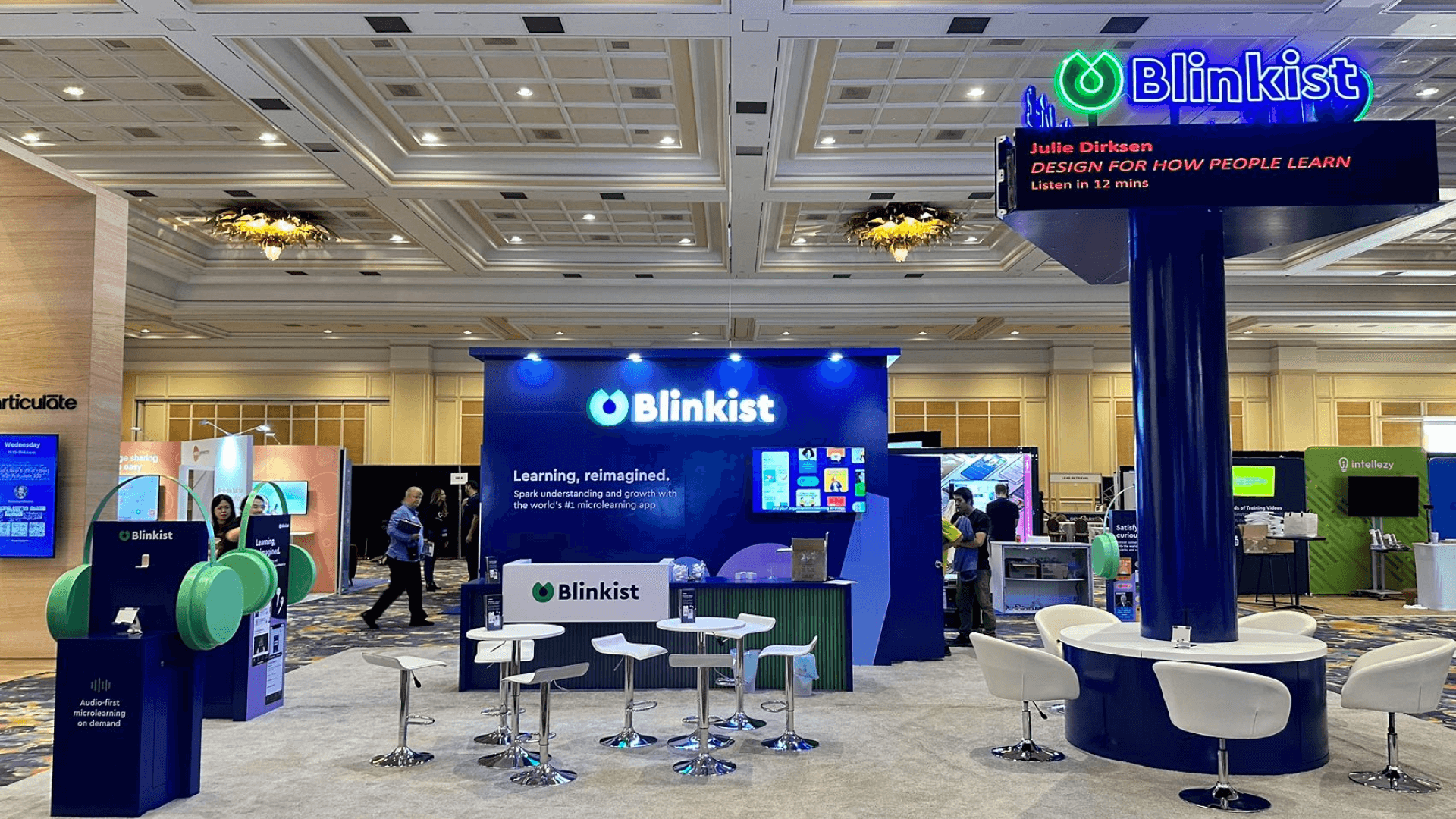
A 10x20 trade show booth can give one ride component, controller, scale model, or screen-supported concept a clear aisle view, focused discussion point, and limited storage.
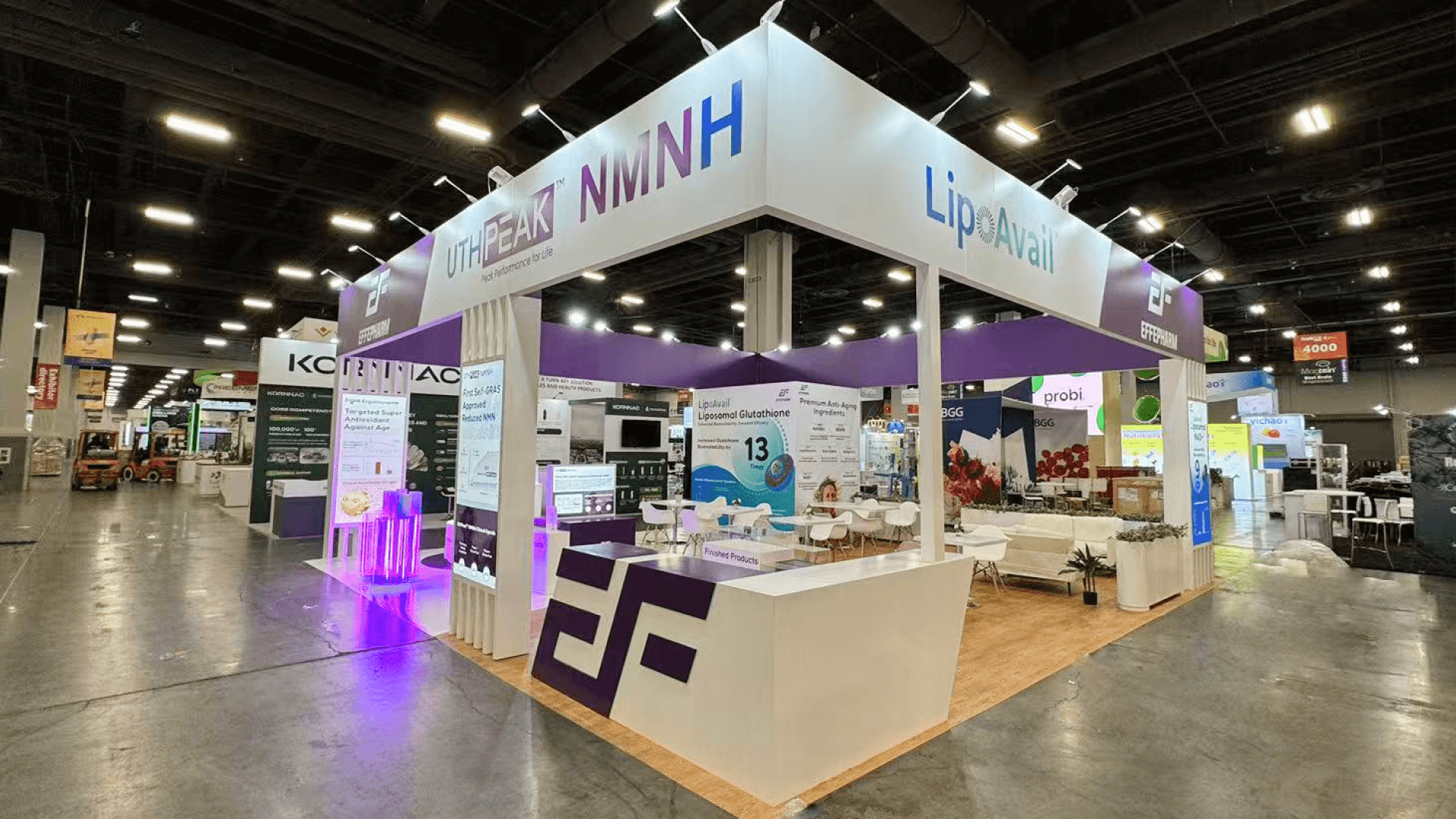
A 20x30 trade show booth creates room for larger components, multiple viewing angles, technical demonstrations, backstock, and a small operator meeting area.
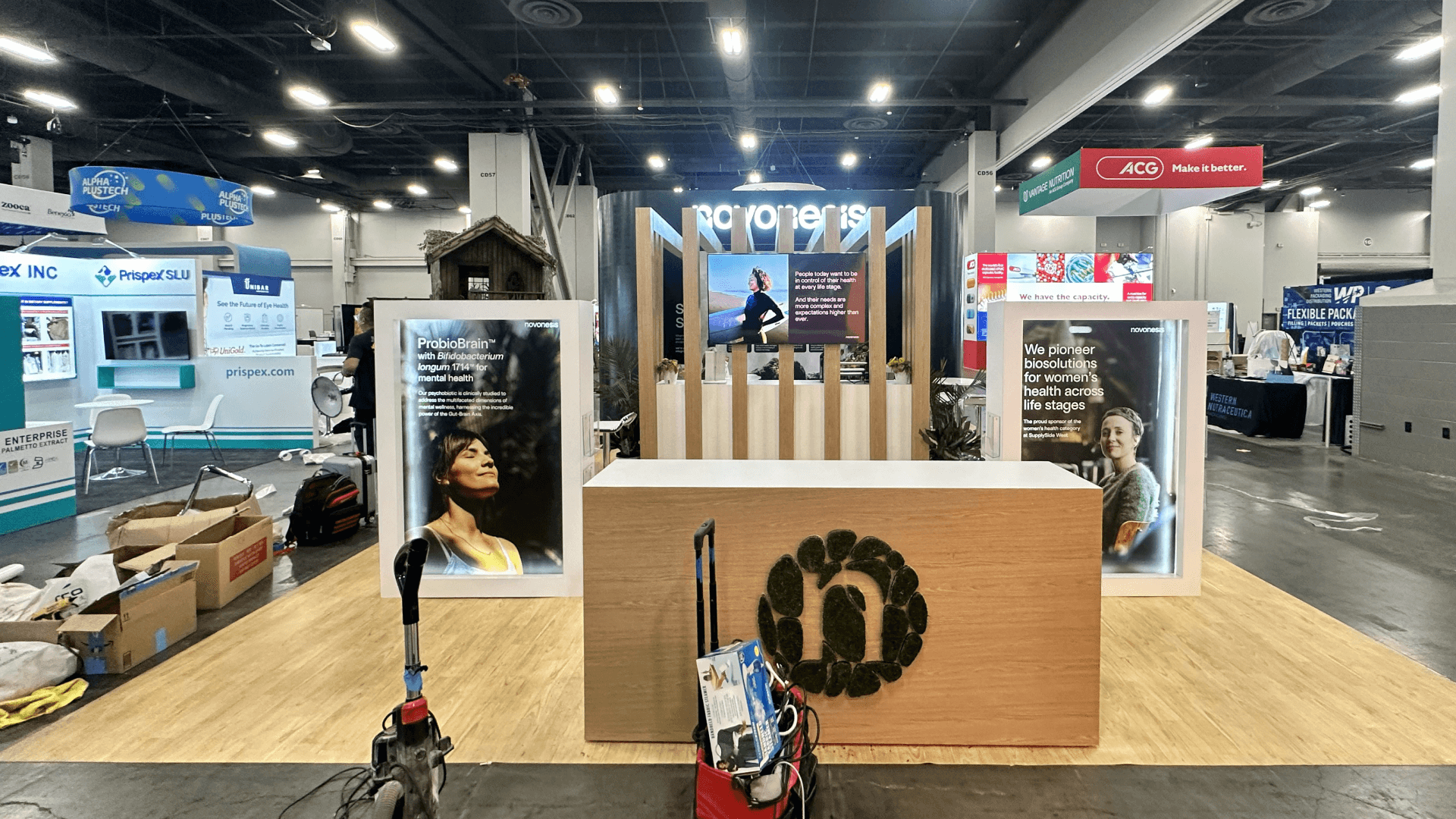
A 20x20 trade show booth can separate equipment from demonstration screens, specifications, service access, storage, and buyer conversations.
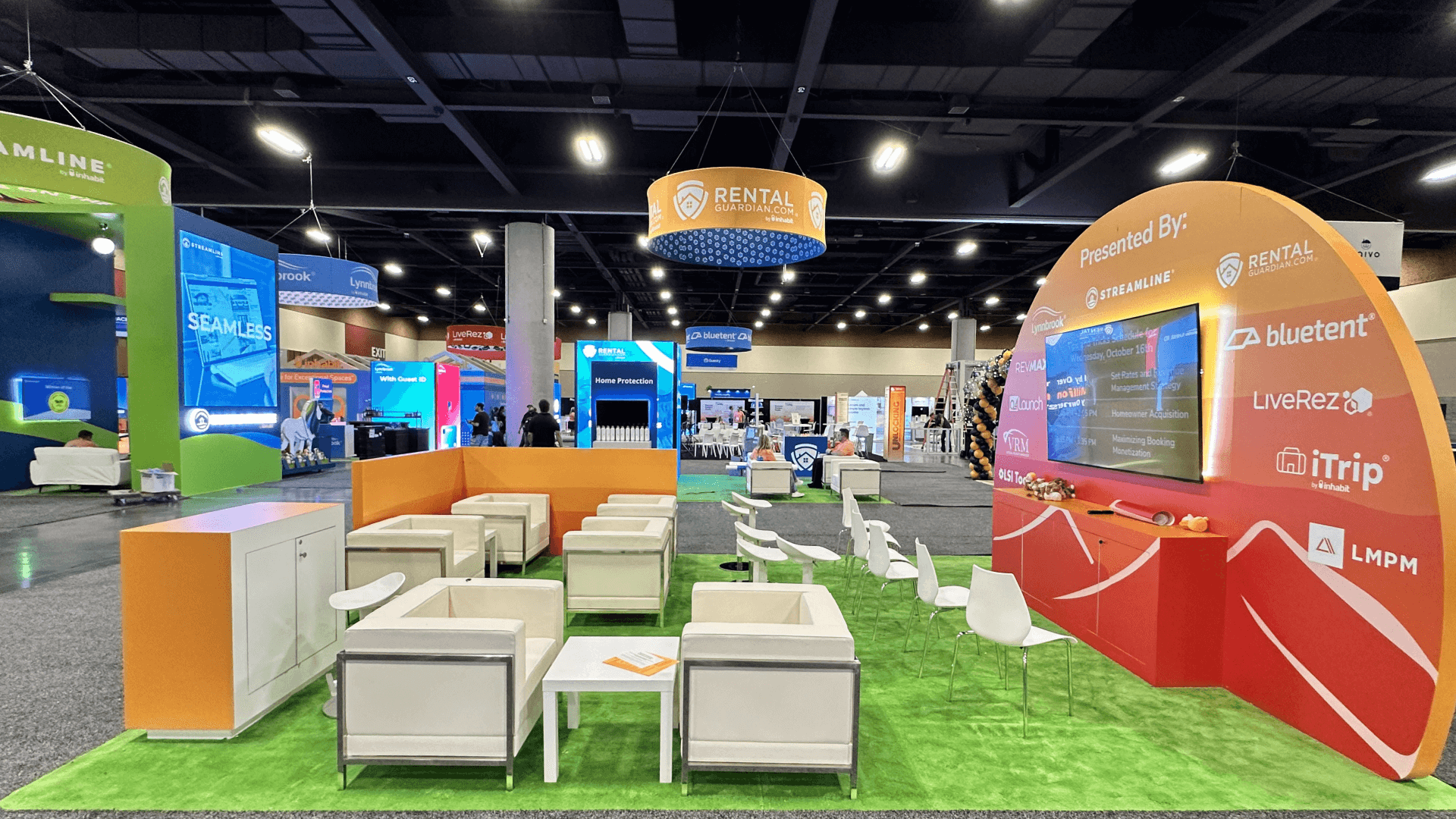
A 30x40 trade show booth supports several components, larger structures, moving elements, wider service clearances, and more substantial technical meetings.
The ride equipment demo and clearance guide focuses on viewing distance, moving parts, service access, staff positions, demo boundaries, and the space large components need around them. These decisions should be settled before equipment positions and booth structure are fixed.
Large equipment displays have to explain more than appearance. Buyers need enough context to understand scale, operation, installation, service requirements, and where the product fits within a complete attraction.
Use visible dimensions, human reference, models, or floor graphics to help buyers understand the product’s actual size and operating footprint.
Show how the component connects with the wider ride system, attraction environment, control package, or guest experience.
Controls, service points, moving parts, connection areas, and demonstration staff need clear access without interrupting the buyer path.
Moving or audience-participation products require a defined operating area, controlled entry and exit, and separation from general booth traffic.
Full ride systems, components, controls, and attraction technology are presented for park and venue teams to inspect, compare, and discuss in person.
The IAAPA Expo show floor is open November 17–20 at the Orange County Convention Center in Orlando.
Rides & Equipment exhibitors are spread across both show-floor buildings, so the assigned location affects freight routing, utilities, and installation.
Not Sure Which Booth Size You Need?
Not every exhibitor knows whether a 10x20, 20x20, 20x30, or larger booth is the right fit. Circle Exhibit can help review your event goals, product display needs, demo areas, meeting space, storage, budget scope, and setup timeline before you choose a booth size.
Preserving Service Access
Explaining the System
1
Display Format
2
3
4
Rental for Models and Compact Components
Rental structures can work for scale models, controls, parts, software, screens, and compact components that do not need custom structural support. Orlando booth rental planning can help match the setup to equipment size, demo needs, and storage.
Custom Around Full-Size Equipment
Full-size components, moving devices, elevated elements, and integrated machinery may require custom platforms, supports, access points, and fabrication developed around the product.
Hybrid for Mixed Equipment Displays
A hybrid booth can combine a reusable main structure with custom equipment platforms, demo stations, lighting, technical graphics, storage, and meeting space when several display types share the same footprint.
Verify the assigned OCCC building area and shipping destination before routing crates, machinery, booth materials, labor, or installation teams.
Match equipment shipments to the building-specific inbound schedule, booth location, and installation sequence rather than using a general OCCC delivery plan.
Complete the Booth Layout Form and provide the dimensioned views required for larger booths, structures, equipment, heights, and signage.
Complete the Audience Participation Safety Form and Ride Registration, then prepare any operating, insurance, and safety documents required for dynamic demonstrations.
Orlando Booth Rental for Ride Components
An Orlando rental booth is a practical fit for scale models, controls, software, screens, parts, and compact components that do not need custom structural support. Full-size equipment, moving devices, and integrated technical displays usually call for custom engineering, freight planning, and a detailed OCCC installation sequence.
Is IAAPA Rides & Equipment located in one pavilion?
No. IAAPA uses Rides & Equipment as an official product category, but the exhibits are distributed throughout both show-floor buildings rather than housed in one separate pavilion.
What booth size works for ride equipment exhibitors?
What forms are required for ride equipment displays?
How can exhibitors present equipment that is too large for the booth?
When is an Orlando rental booth suitable for this category?
READY TO PLAN YOUR NEXT BOOTH?
Let’s Build a Booth That Fits Your Event
Share your event name, booth size, city, timeline, product display needs, and design references. Circle Exhibit will review your project direction and help you choose a rental-friendly or custom exhibit path.
3000+
Booth Projects Supported
50+
U.S. Event Cities
Transparent
Quote Review
Plan building-specific freight, equipment arrival, crate handling, storage, installation order, and OCCC move-in requirements.
Develop the layout around product dimensions, viewing distance, utilities, service clearance, demo mechanics, and buyer movement.
Review equipment supports, platforms, graphics, lighting, clearances, access points, and installation details before shipment.
Coordinate equipment placement, structural assembly, utilities, demonstrations, final checks, and dismantle at OCCC.
Organize specifications, process diagrams, dimensional references, product labels, and technical messaging around the equipment.