EV Charging Infrastructure Expo Booth Planning

How should exhibitors plan an EV Charging Infrastructure Expo booth?
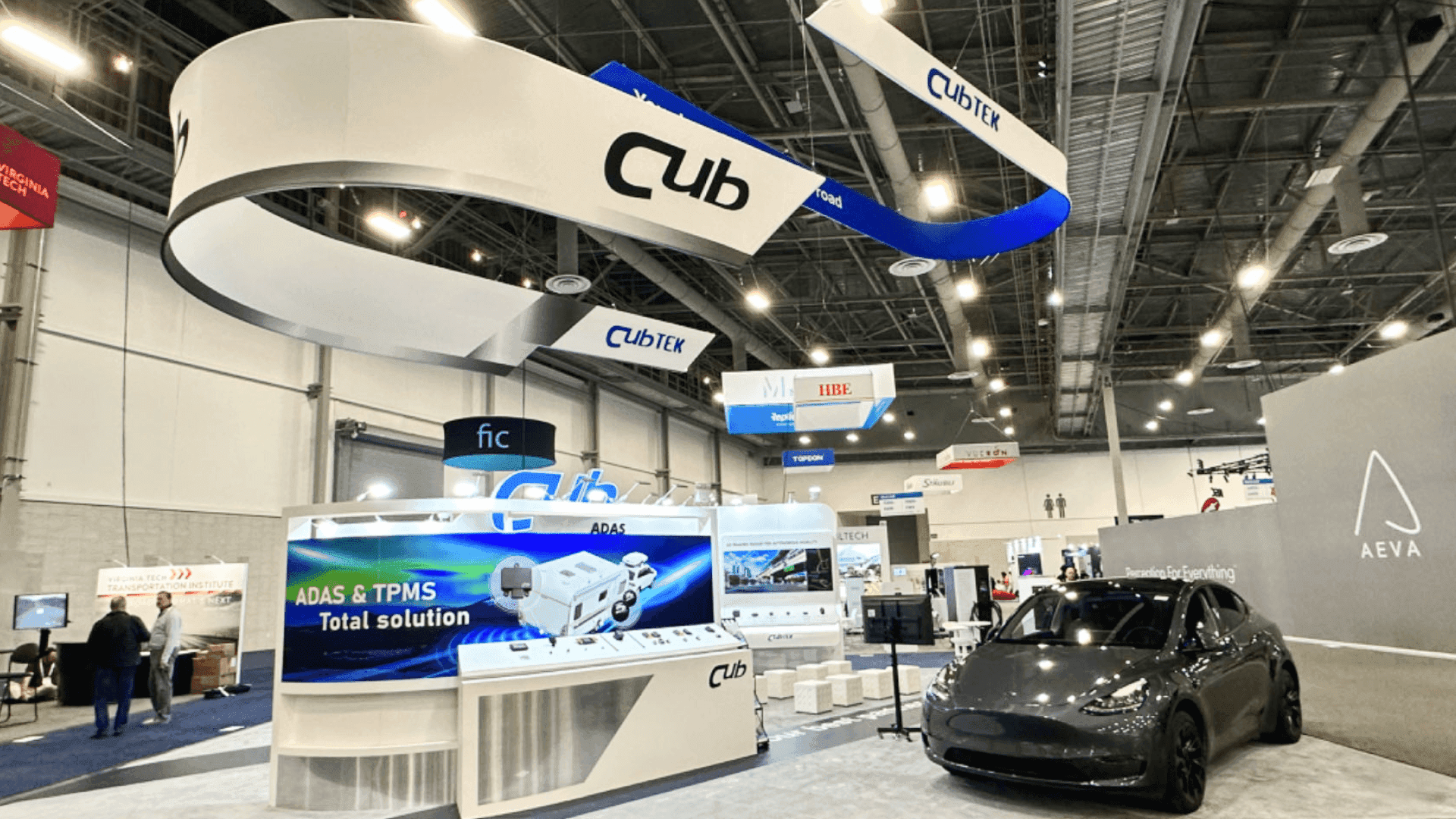
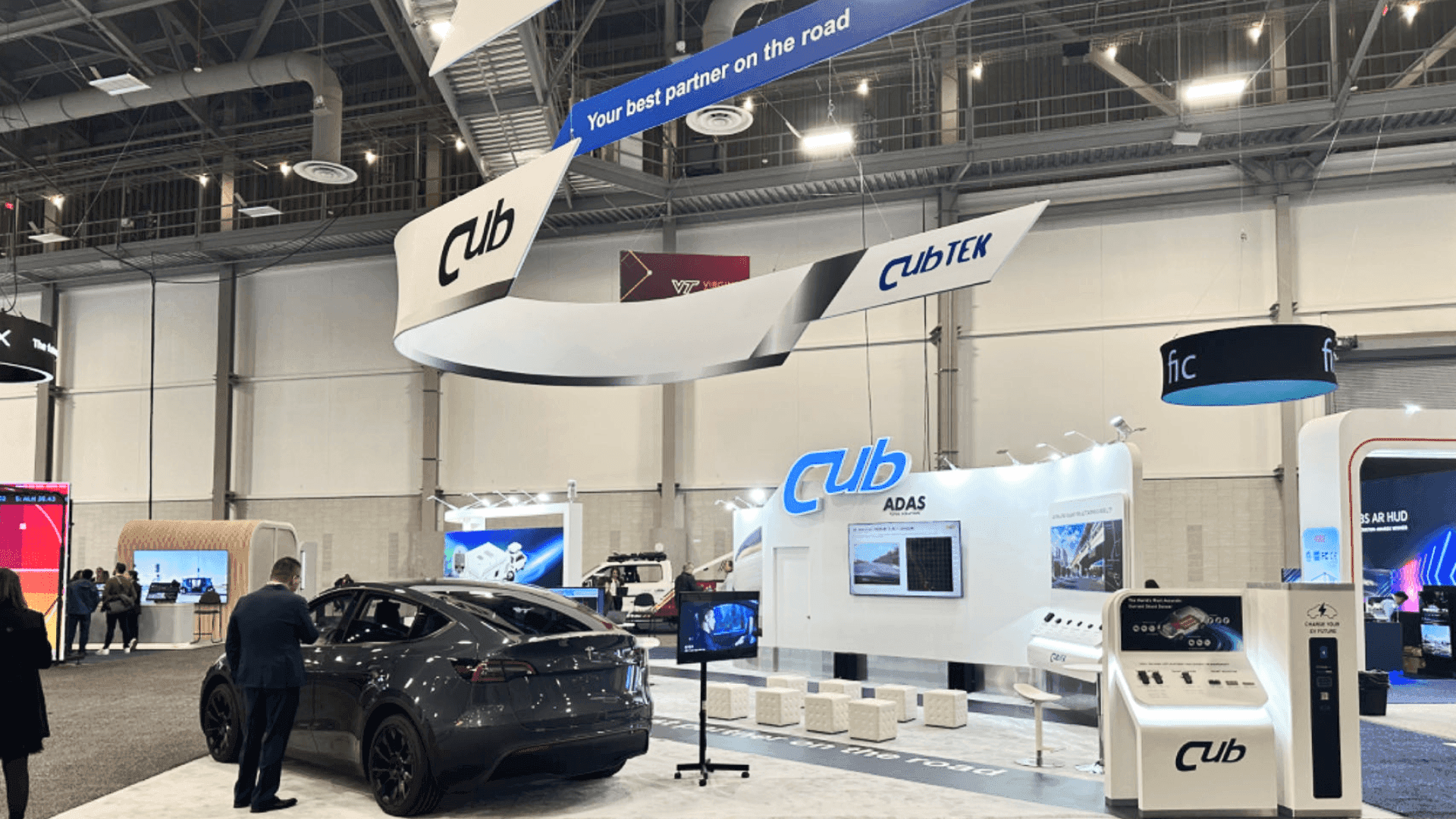
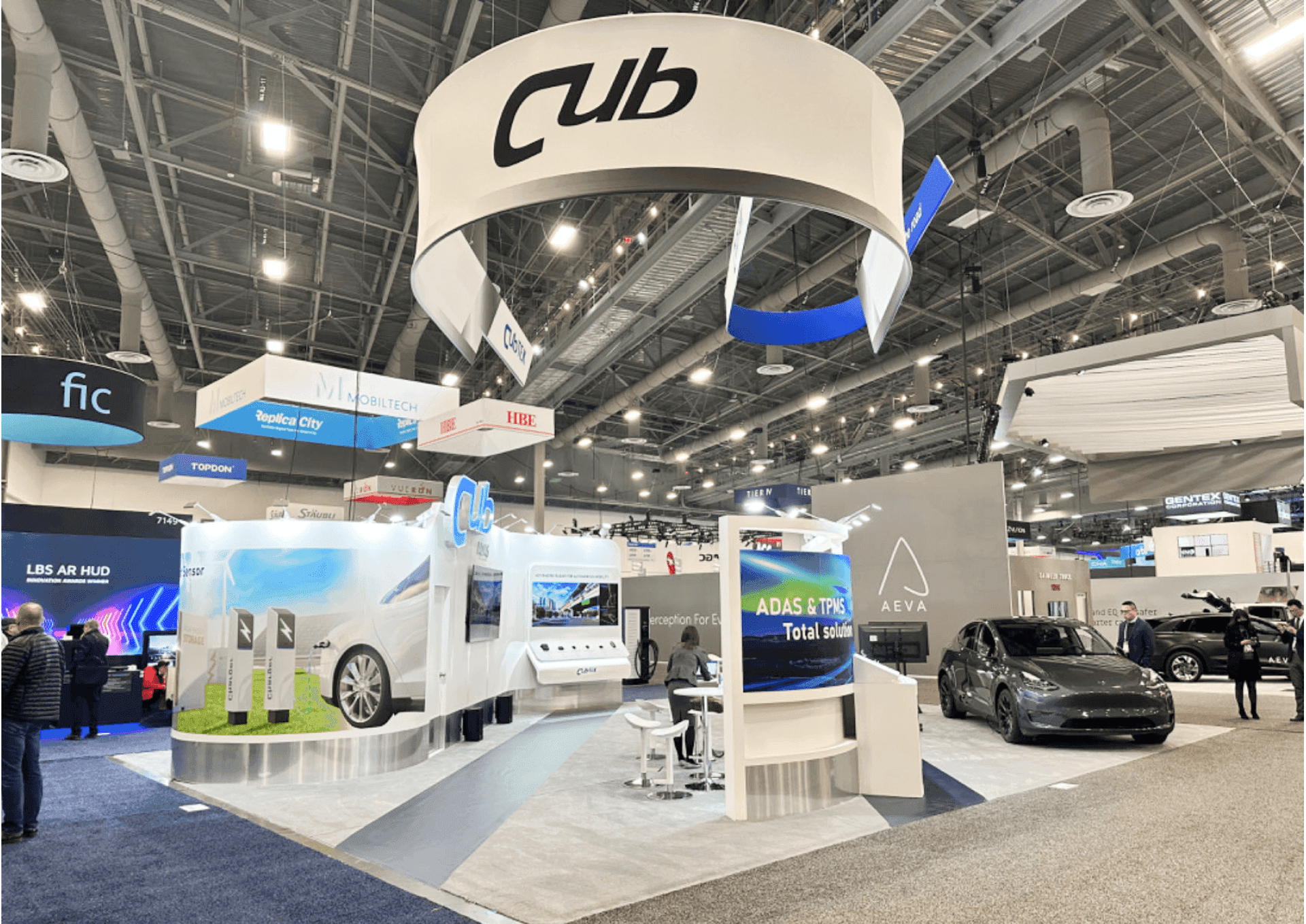
An EV Charging Infrastructure Expo booth should organize charging stations, connectors, power cabinets, grid technology, software dashboards, and meeting space around a clear infrastructure story. At Santa Clara Convention Center, most exhibitors need a 20x20 or 20x30 layout with equipment staging, cable routing, freight planning, demo counters, and safe visitor flow.
EV Charging Infrastructure Expo North America is a focused event for electric vehicle charging systems, power infrastructure, and network deployment solutions. The show brings together charging station manufacturers, energy providers, utilities, and infrastructure developers working on large-scale EV charging rollout across commercial, public, and fleet environments.
Exhibiting at this event is infrastructure-driven. Booths are built around physical charging units, connectors, power cabinets, and system-level presentations that explain how charging networks are deployed and managed. Many exhibitors use a 20x20 trade show booth layout to accommodate full or partial charging hardware displays while maintaining space for technical discussions with utilities, fleet operators, and project stakeholders.
Because EV charging exhibits often involve real equipment and electrical systems, booth design must support stable hardware positioning, cable routing, and safe visitor interaction. Our booth fabrication and pre-build checks services help ensure charging units, structural elements, and demo setups are properly prepared before installation begins.
For companies presenting charging infrastructure and power systems, working with an experienced Las Vegas trade show booth builder is critical. Proper installation sequencing, equipment handling, and on-site coordination directly affect how safely and reliably charging systems can be demonstrated during the event.
Why Exhibitors Choose Circle Exhibit
Clear scope, transparent quote review, nationwide booth support, and efficient setup planning for qualified rental and custom exhibit projects.
48hr
Setup Window
10+
Years Since 2014
U.S.
Trade Show Support
Real
Booth Project Proof
EV Charging Infrastructure Expo exhibitors should choose booth size based on equipment scale, demo method, cable routing, meeting needs, storage, and how much hardware needs to be shown on the floor. Charging stations, connectors, power cabinets, network dashboards, and fleet charging visuals need more planning than a standard lightweight product display.
A 10x20 booth can work for exhibitors with one compact charging solution, connector display, software dashboard, or wall-mounted product story. This layout should keep the hardware visible from the aisle while leaving enough room for staff explanation and short technical conversations.
A 20x30 booth planning direction is stronger when the booth needs multiple hardware references, connector displays, screen-led software demos, fleet charging graphics, and a separate buyer discussion area. This size helps exhibitors separate equipment viewing from deeper deployment conversations.
A 20x20 booth planning approach gives EV charging exhibitors more room for one main charging unit, a demo counter, product graphics, dashboard screen, meeting point, and hidden storage. This size works well when visitors need to understand both hardware and network management in one clear path.
Larger island booths are useful for exhibitors showing charging stations, power cabinets, smart-grid systems, fleet charging concepts, or multiple deployment scenarios. These layouts should plan equipment staging, freight order, power access, cable paths, storage, staff zones, and final demo checks before production.
EV Charging Infrastructure Expo booth planning is usually tied to equipment display, visitor flow, product safety, software demo clarity, freight timing, cable routing, and setup sequence. Exhibitors can use supporting articles to compare booth layouts, equipment staging, and rental-versus-build decisions before finalizing production.
For equipment-heavy exhibitors, solar and battery storage demo planning can also help EV charging teams think through product spacing, safety zones, equipment visibility, and technical buyer conversations. For booth layout decisions, booth size and visitor flow planning explains how 20x20 and 20x30 footprints affect demo counters, meeting zones, storage, and staff handoff.
Because EV charging booths often include hardware, screens, crates, cables, and structured demo areas, exhibitors should also review customizable booth rental vs custom booth build before choosing a flexible rental structure or a fully custom booth direction.
EV charging booths need to explain both physical equipment and infrastructure logic. Exhibitors often need to show how charging units, connectors, software dashboards, power management systems, grid integration tools, and fleet deployment workflows connect inside one charging network.
Charging stations, connector samples, pedestals, and power cabinets should be positioned so visitors understand the product before reading technical details. Display height, product angle, surrounding graphics, and staff access all affect how quickly the hardware can be explained.
Many EV charging exhibitors need to show software as much as hardware. Network dashboards, usage data, billing screens, charger status, and energy management visuals should be placed where visitors can read the screen and hear the explanation.
EV charging booths often include visible cables, sample connectors, powered screens, and hardware references. Cable paths, demo counters, flooring, and staff positions should be planned together so the booth looks clean and visitors can move safely.
Utilities, fleet operators, property owners, and infrastructure developers often ask about installation, capacity, compatibility, uptime, software control, and project deployment. The booth should move serious visitors from product viewing into a focused technical discussion area.
EV Charging Infrastructure Expo focuses on technologies that support electric vehicle charging networks and energy distribution systems.
The event takes place at the Santa Clara Convention Center, a venue frequently used for technology and infrastructure industry exhibitions.
The exhibition highlights charging stations, connectors, power management platforms, grid integration technologies, and EV charging software solutions.
Not Sure Which Booth Size You Need?
Not every exhibitor knows whether a 10x20, 20x20, 20x30, or larger booth is the right fit. Circle Exhibit can help review your event goals, product display needs, demo areas, meeting space, storage, budget scope, and setup timeline before you choose a booth size.
Explaining infrastructure technology clearly
Managing freight for charging hardware
1
Define charging hardware display areas
2
3
4
Rental works for focused charging demos
A customizable trade show booth rental in Las Vegas can work well for EV charging exhibitors with a focused hardware story, branded backwall, demo counter, screen display, meeting space, and clean visitor flow. It is especially practical when the booth uses modular charging units, connector samples, or smaller-scale infrastructure demos.
Custom build helps with equipment integration
A custom booth build is better when the exhibitor needs heavier product placement, larger charging hardware, integrated lighting, custom counters, elevated branding, private meeting areas, or multi-show reuse. EV charging brands should work with a Las Vegas trade show booth builder when structure, staging, and installation details become more complex.
Choose based on hardware and demo flow
The best option depends on booth size, charging hardware, software demo needs, freight timing, cable routing, storage, graphics, staff movement, and show-site setup sequence. EV charging exhibitors should decide after mapping the path from product display to dashboard demo and then into technical buyer conversation.
Charging units, cabinets, booth structures, counters, screens, and graphics should be packed and labeled in the order they will be installed. A clear freight sequence helps crews place larger hardware before final graphics, lighting, and demo content.
EV charging booths often depend on screens, demo devices, sample connectors, lighting, and network visuals. Power access, cable paths, counter locations, and visitor walking space should be checked before final setup is complete.
Physical chargers and digital dashboards should work together visually. Hardware placement, screen height, product labels, and nearby graphics should help visitors connect the charging unit with the software or infrastructure story.
Before the show opens, exhibitors should review screen visibility, cable safety, product labels, counter access, storage, staff positions, meeting flow, and demo reset. Infrastructure booths need final readiness checks, not only a clean visual finish.
Customizable Booth Rental for EV Charging Infrastructure Exhibitors
For exhibitors showcasing modular charging units, connectors, software dashboards, or smaller-scale infrastructure displays, a customizable booth rental can support a professional EV charging presentation without building every component from scratch. Rental booth planning can include branded backwalls, demo counters, screen displays, storage, meeting space, and structured cable routing. A rental booth works best when the product story and equipment plan are confirmed early. Exhibitors should map charging hardware, connector displays, dashboard screens, power needs, graphics, storage, staff movement, and buyer conversation areas before production. The goal is not only a clean booth structure, but a booth that helps visitors understand charging infrastructure clearly and safely.
What booth size works best for EV charging infrastructure exhibitors?
Many exhibitors choose 20x20 booths to showcase charging stations and infrastructure equipment while maintaining space for meetings.
What products are typically displayed at EV Charging Infrastructure Expo?
How should exhibitors prepare for EV charging hardware displays?
READY TO PLAN YOUR NEXT BOOTH?
Let’s Build a Booth That Fits Your Event
Share your event name, booth size, city, timeline, product display needs, and design references. Circle Exhibit will review your project direction and help you choose a rental-friendly or custom exhibit path.
3000+
Booth Projects Supported
50+
U.S. Event Cities
Transparent
Quote Review
Plan booth design, fabrication coordination, logistics, installation, and show-site setup for EV charging and infrastructure trade show booths.
Use a 20x20 layout for charging hardware, demo counters, dashboard screens, meeting space, storage, and safe visitor flow.
Compare 20x30 layouts for exhibitors that need multiple equipment references, software demos, technical meetings, storage, and stronger zoning.
Coordinate hardware placement, structure support, screen mounting, graphics fit, lighting, and equipment readiness before show-site setup.
Plan freight timing, crate order, equipment delivery, move-in sequence, storage needs, and installation coordination before the booth arrives.