What Is the Real Difference Between a Custom Build and a Booth Rental?
A booth rental usually starts with a reusable exhibit system and adapts it to the project. A modular rental system uses components such as frames, walls, counters, storage, and display surfaces that can be rearranged for different layouts or shows. Graphics, lighting, screens, products, furniture, and selected custom pieces can still make the finished exhibit highly specific to the brand.
A custom build starts with fewer structural constraints. Fixtures, materials, finishes, product integration, and assembly details can be developed around the project when reusable components cannot support the required result cleanly. Purpose-built means designed and fabricated around a specific project rather than adapted mainly from reusable exhibit components. A booth that looks highly customized is therefore not necessarily a fully custom build: if graphics, lighting, products, screens, counters, and layout can deliver the required experience, rental may be enough. Custom fabrication becomes more useful when the structure itself has a unique physical or technical job to perform.
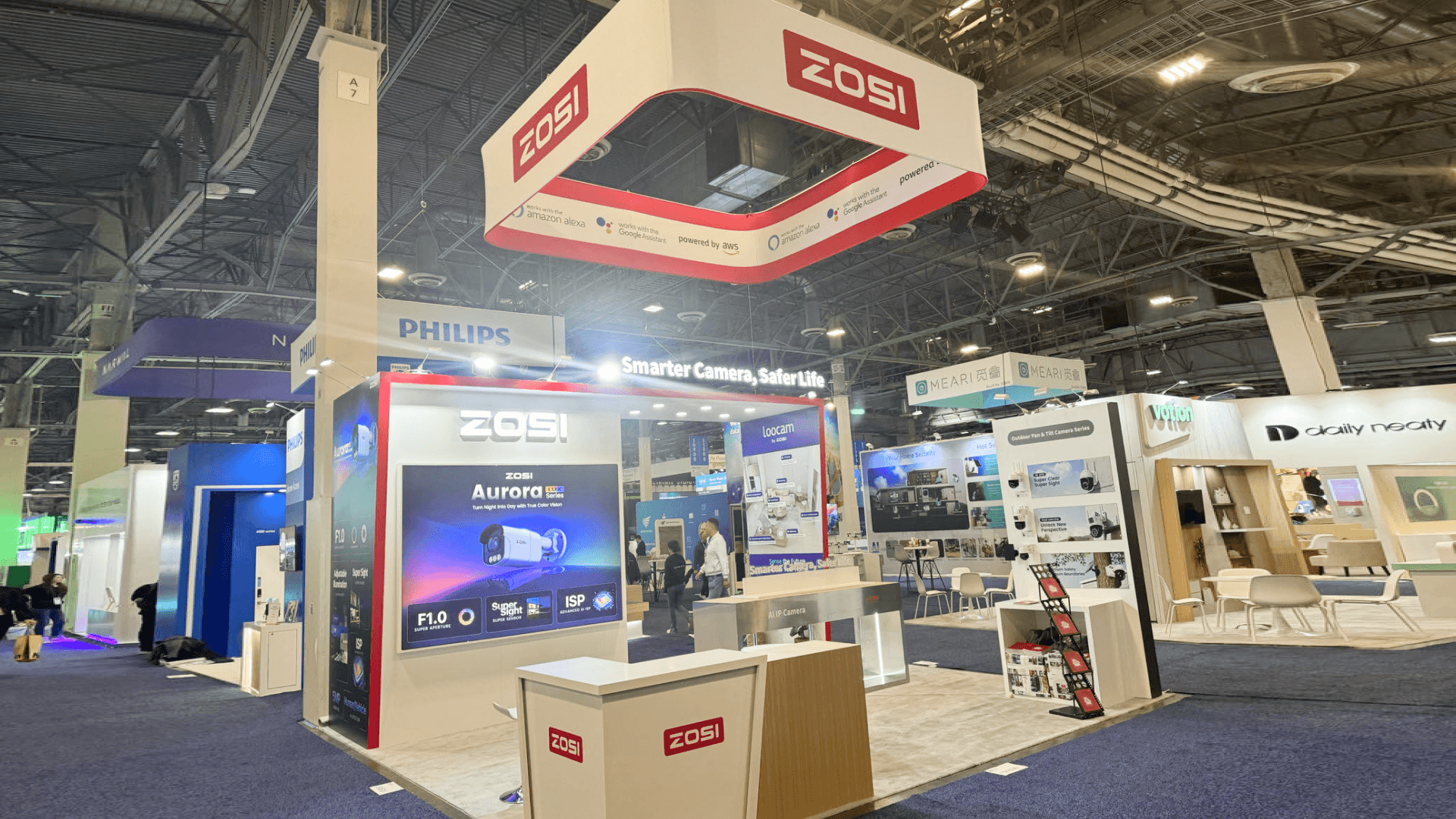
Custom builds offer more control when the structure itself must support specific products or technical requirements, while booth rentals can adapt reusable systems around layout, graphics, AV, and visitor needs.
Custom Build vs Booth Rental: Side-by-Side Comparison
Decision Factor | Custom Booth Build | Booth Rental |
|---|---|---|
Structural requirement | Best suited when the structure itself must be designed around specific product, brand, or technical requirements | Best suited when a reusable system can support the required layout and booth functions |
Product integration | More useful when machinery, fixtures, weight, access, or mounting requirements influence the structure itself | Works well when products and demos can fit within modular walls, counters, shelving, or display zones |
Timeline | Often needs more protected lead time when engineering, fabrication, or prebuild work is required | Can move faster when suitable inventory is available and the layout does not depend on major custom structural work |
Change flexibility | Late structural changes can affect fabrication, graphics, packing, and installation | Often easier to reconfigure before graphics, custom additions, and production are locked |
Cost structure | More of the project cost may come from engineering, fabrication, materials, finishes, specialized packing, and refurbishment | More of the project cost may come from rental components, graphics, AV, furniture, custom additions, freight, and show services |
Reuse strategy | Stronger when purpose-built physical assets will be reused across future shows | Stronger when the exhibit program needs a proven system that can be repeated or reconfigured across different footprints |
Show-site execution | May involve more project-specific packing, staging, assembly, and installation dependencies | Can be more repeatable when the rental system, packing plan, and installation sequence are already established |
Booth size is not a deciding factor on its own. A 30×40 exhibit can use a rental system, while a 20×20 booth may justify custom fabrication if the product, fixture, or structural requirements demand it.
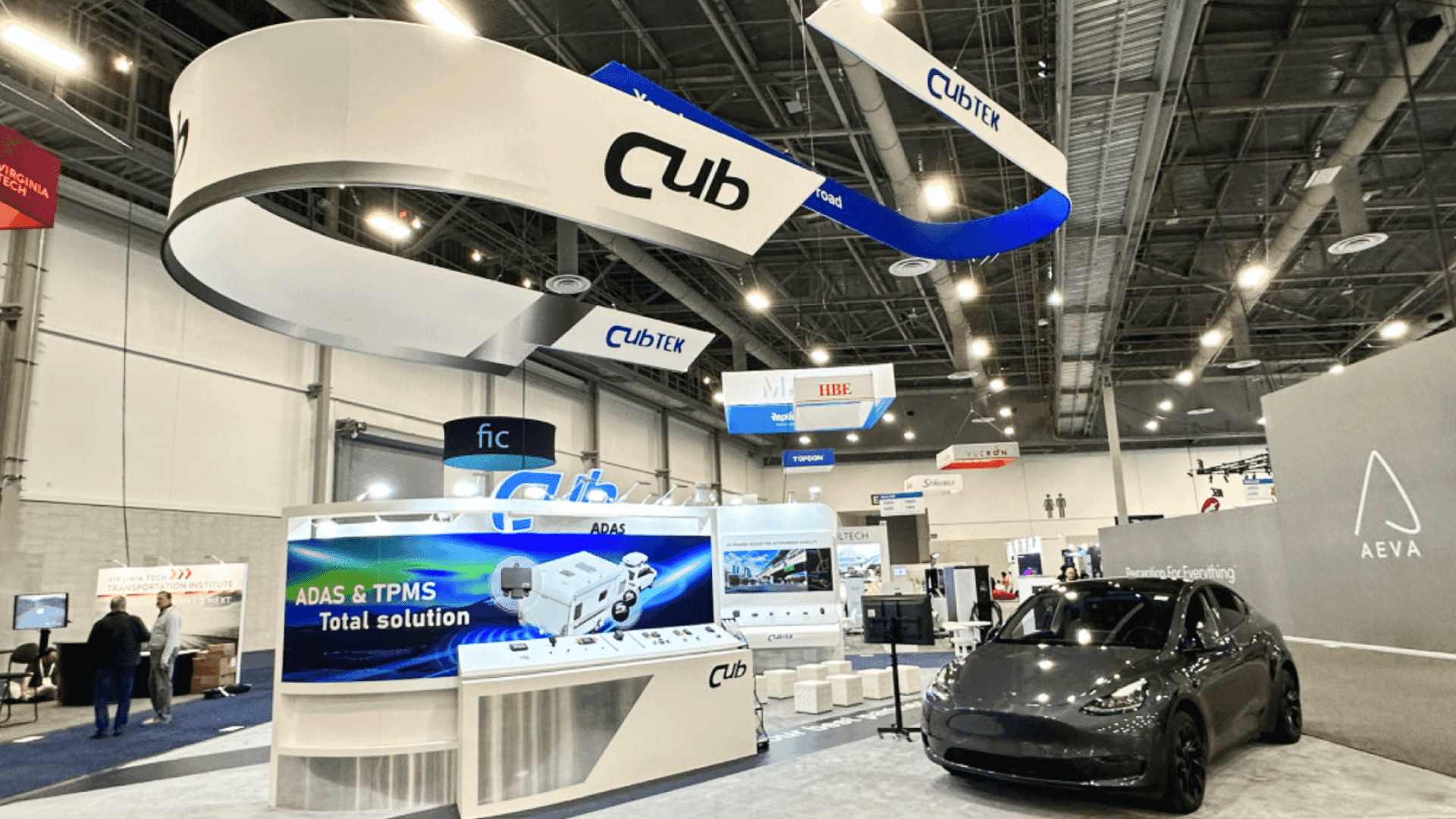
The right build path depends on what the booth must physically do, how much customization the structure requires, and whether the timeline, reuse plan, and show-site execution support that approach.
What Should Drive the Decision?
Structure and Product Integration
Start with what the physical exhibit needs to do. If the visitor experience can be supported through graphics, screens, lighting, counters, product displays, meeting areas, storage, and a flexible layout, an existing system may already provide enough control.
Custom work becomes more relevant when those requirements begin to dictate the structure itself—for example, when machinery has to be integrated into the booth, products require specialized fixtures, unusual loads or mounting points have to be supported, or visitors need to interact with a physical feature that cannot be reproduced cleanly with standard components.
Size adds coordination, but it does not automatically create a need for custom fabrication. As the footprint grows, the useful question is whether additional products, AV, meeting areas, storage, utilities, and circulation create structural requirements that a reusable system cannot handle well.
Reuse and Change Flexibility
Reuse means different things depending on the exhibit program. A custom build may make sense when purpose-built walls, counters, fixtures, or structural features will be used repeatedly and the same physical environment remains valuable from show to show.
Rental offers a different kind of reuse. The exhibitor can retain a proven brand and layout strategy while changing footprints, graphics, products, or campaign priorities. A company moving between 20×20, 20×30, and larger spaces may get more value from reconfiguring a familiar system than from recreating the same physical booth every time. The decision should focus on what actually needs to stay consistent: the physical assets themselves, or the visitor experience and operating logic behind them.
Budget and Delivered Scope
Comparing only the first structure quote can give a misleading picture of the two options. A custom project may put more of the budget into engineering, fabrication, materials, finishes, specialized packing, and future refurbishment. It may also include a prebuild—a partial or full assembly before shipment used to check fit, finish, graphics, and installation sequence.
A rental project may direct more spend toward the rental structure, graphics, AV, furniture, custom additions, freight, and show-site services. Neither path is automatically less expensive once the full project is included, so the more useful comparison is the delivered scope: everything that has to be designed, produced, transported, installed, tested, and ready when the exhibitor takes over the booth.
How Do Timeline and Show-Site Execution Affect the Choice?
Timeline matters because custom-heavy projects usually create more dependencies before production can move. Engineering, material decisions, fabrication, product integration, graphics, packing, and installation planning may all depend on the structure being settled first.
A shorter schedule can favor rental when suitable inventory is available and the project does not depend on unresolved structural work, but time alone does not decide the build path. If a product still requires a specific fixture or structural solution, less time does not remove that requirement—it only reduces the number of workable options. If the available lead time may affect the decision, the Las Vegas booth rental timeline shows when design, graphics, freight, and installation decisions normally need to be locked before move-in.
Venue and event requirements affect both approaches. A custom-heavy exhibit may create more project-specific packing, staging, assembly, technical, and installation dependencies, while a well-defined rental system can make some of those steps more repeatable. Once the build approach is set, freight, staging, and crate movement become part of logistics and pre-show coordination, while show-floor sequencing belongs in Las Vegas booth installation planning.
How Should Exhibitors Make the Final Choice?
Start with the job the booth has to do, then identify which requirements genuinely depend on the physical structure.
Decision Checklist
Does the booth require structure built specifically for the project, or can an adaptable system support the main visitor task?
How much product integration, AV, storage, or specialty display work is required?
How much protected time is available before move-in?
Will the same physical exhibit be reused, or does the program need flexibility across different shows?
How much fabrication, packing, staging, and installation complexity can the project support?
Does the additional custom work materially improve what visitors need to see, do, or understand?
A booth is not custom simply because it is expensive, and a rental booth is not automatically simple. The better approach is the one that meets the real project requirements without adding structure, cost, or execution complexity that does not improve the exhibit.
If rental is selected, the next approval question is whether the written scope actually matches the concept. The booth rental proposal checklist helps verify that scope before production begins.
Custom Build vs Booth Rental FAQ
Can a rental trade show booth still look custom?
Yes. A rental booth can use branded graphics, custom counters, lighting, AV, product displays, furniture, finishes, and selected custom elements. The main difference is that much of the underlying structure comes from reusable components rather than being fabricated specifically for that project.
Does a larger booth automatically need a custom build?
No. Larger footprints create more coordination, but size alone does not determine how the booth should be built. A large exhibit can use rental components, while a smaller booth may require custom fabrication when the product, fixture, structural, or technical requirements call for it.
Is booth rental always faster than a custom build?
Not always. Rental can shorten development time when suitable inventory is available and the layout works within an existing system. Complex graphics, AV, product integration, slow approvals, or late changes can still make a rental project time-sensitive.
Which option works better for exhibitors attending multiple shows?
It depends on what needs to stay consistent. A custom build can make sense when the same purpose-built physical environment will be reused. Rental can work well when the exhibitor wants to preserve a proven brand and layout strategy while adapting the structure to different footprints, campaigns, or events.