Automotive Testing Expo ADAS Validation Booth Planning

How should ADAS validation exhibitors plan an Automotive Testing Expo booth?
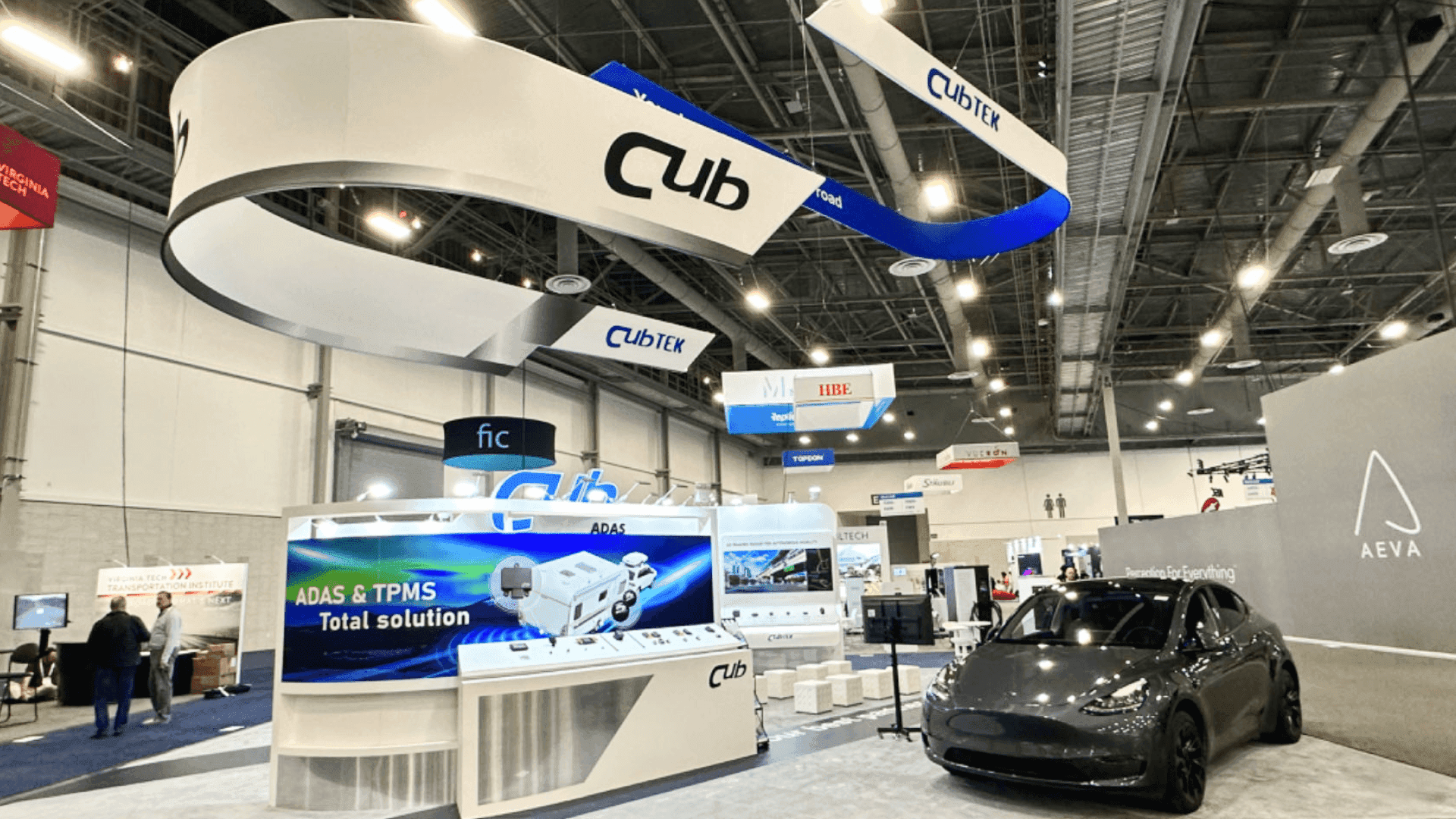
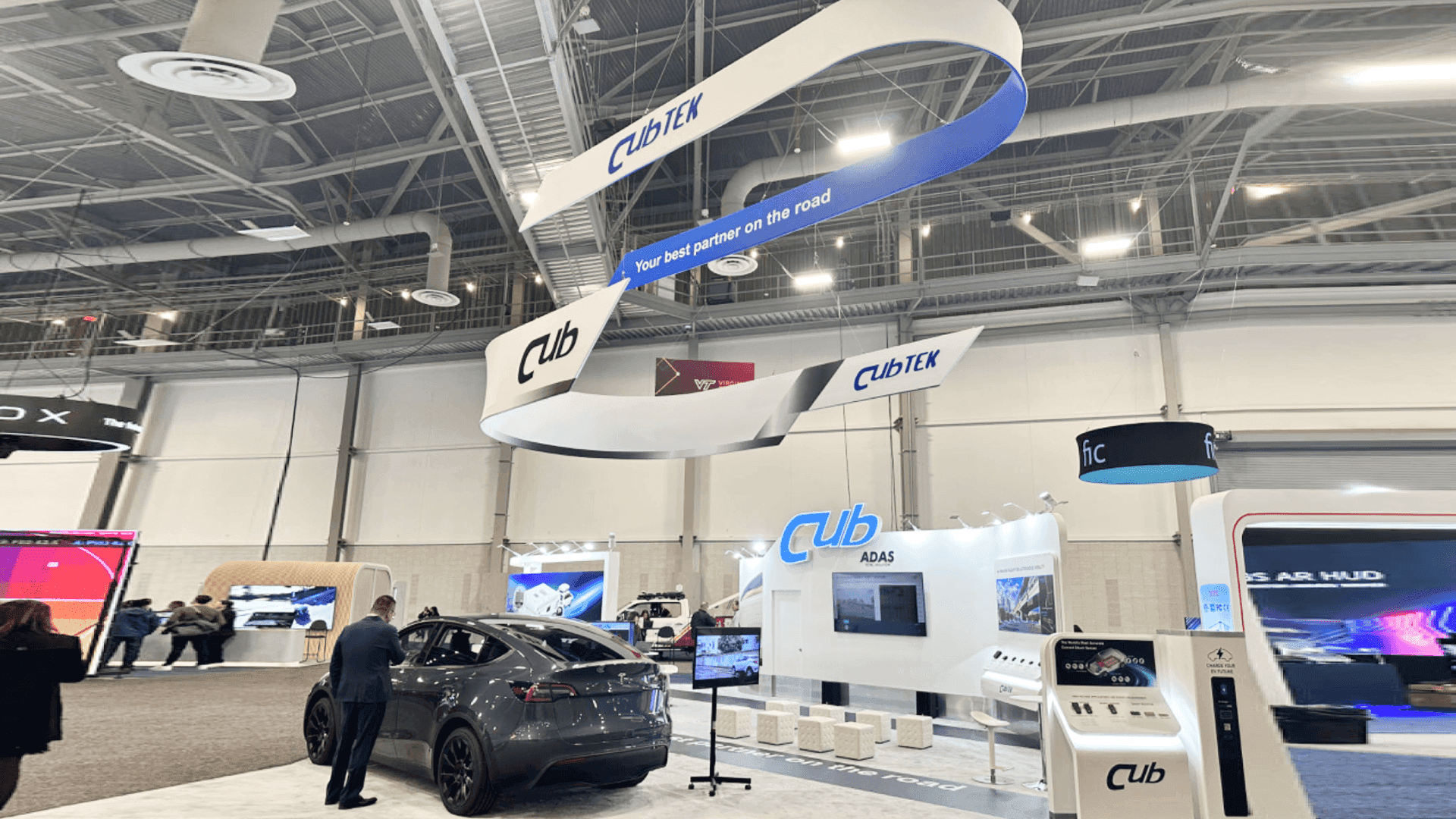
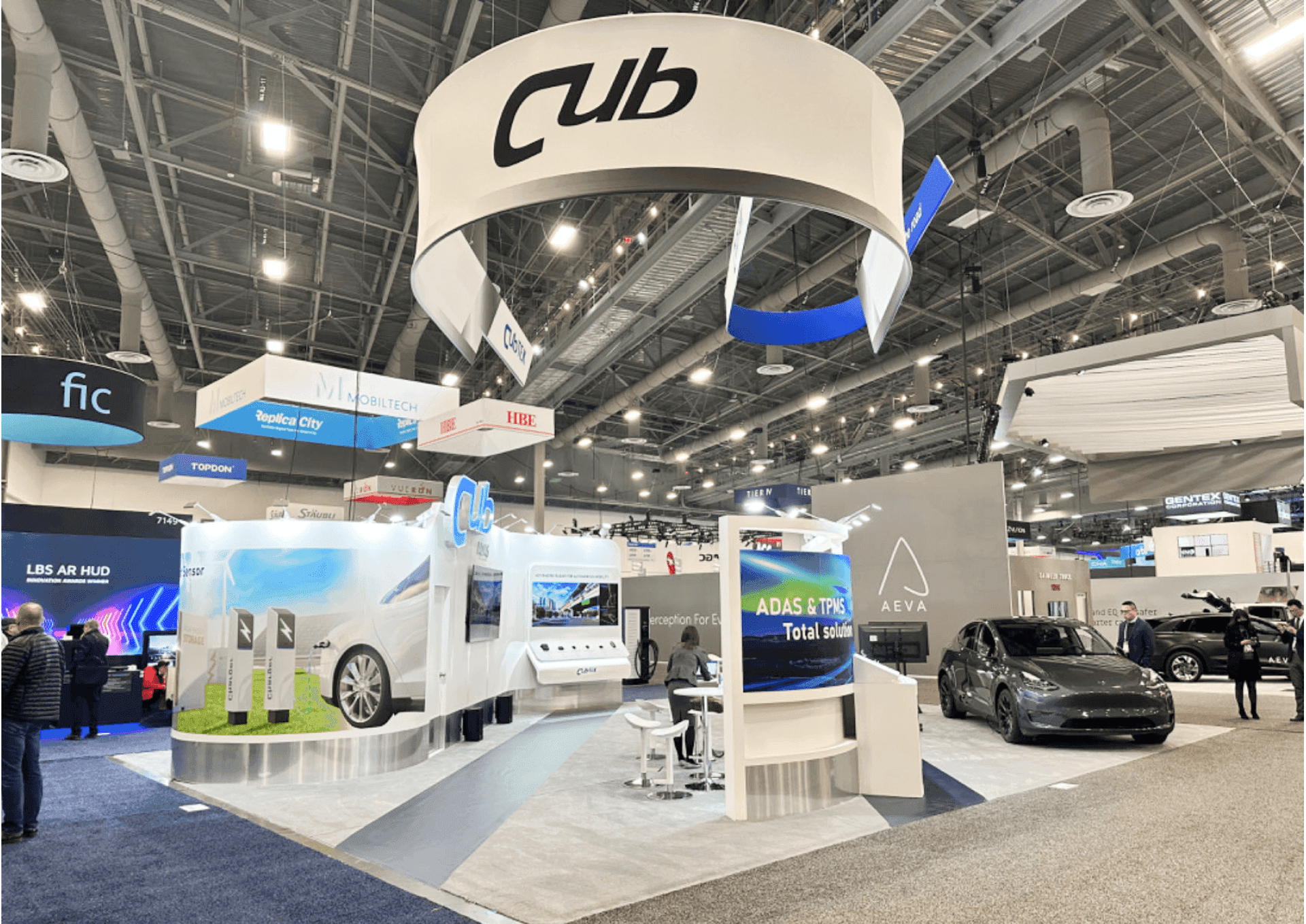
ADAS validation exhibitors at Automotive Testing Expo should focus on how engineers will follow the testing workflow during a short booth visit. Sensor validation, camera radar lidar demos, simulation software, data acquisition tools, and autonomous vehicle testing platforms need readable screens, clear demo steps, short labels, hidden storage, and enough space for technical conversations.
Automotive Testing Expo ADAS validation booths need to make complex testing workflows easy to follow without turning the space into a wall of screens. Exhibitors may be showing sensor validation tools, camera radar lidar testing, autonomous vehicle simulation, data acquisition systems, software-defined vehicle workflows, or testing platforms used by OEMs, Tier 1 suppliers, and engineering teams.
The booth should show the validation process clearly from the aisle into the demo. Screens need to explain what is being tested, labels should identify the sensor or workflow step, and the demo counter should leave room for engineering questions. Exhibitors who need the broader event context can review Automotive Testing Expo North America booth planning, while teams focused on battery, durability, or powertrain testing can use Automotive Testing Expo EV battery and powertrain testing booth planning.
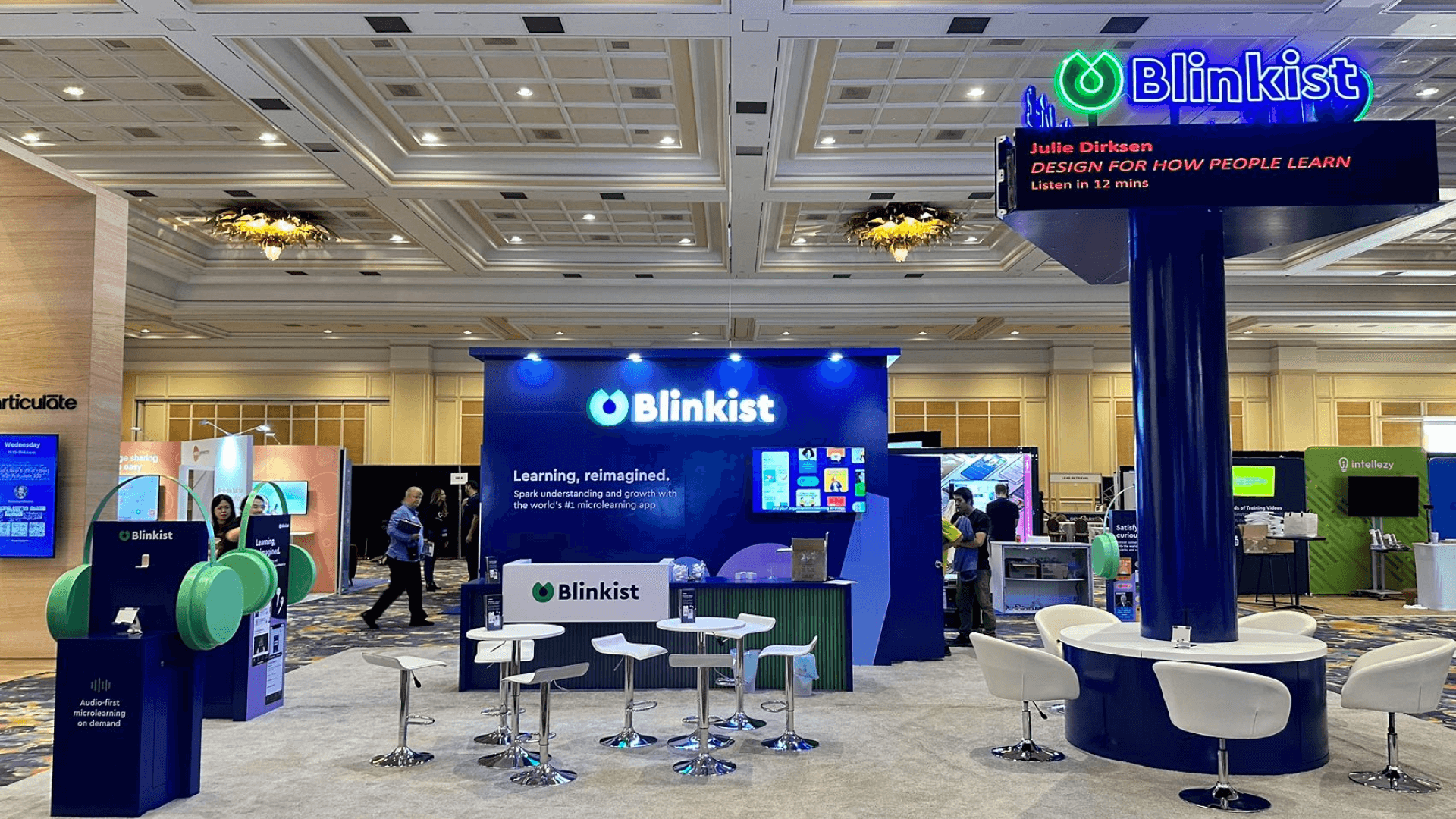
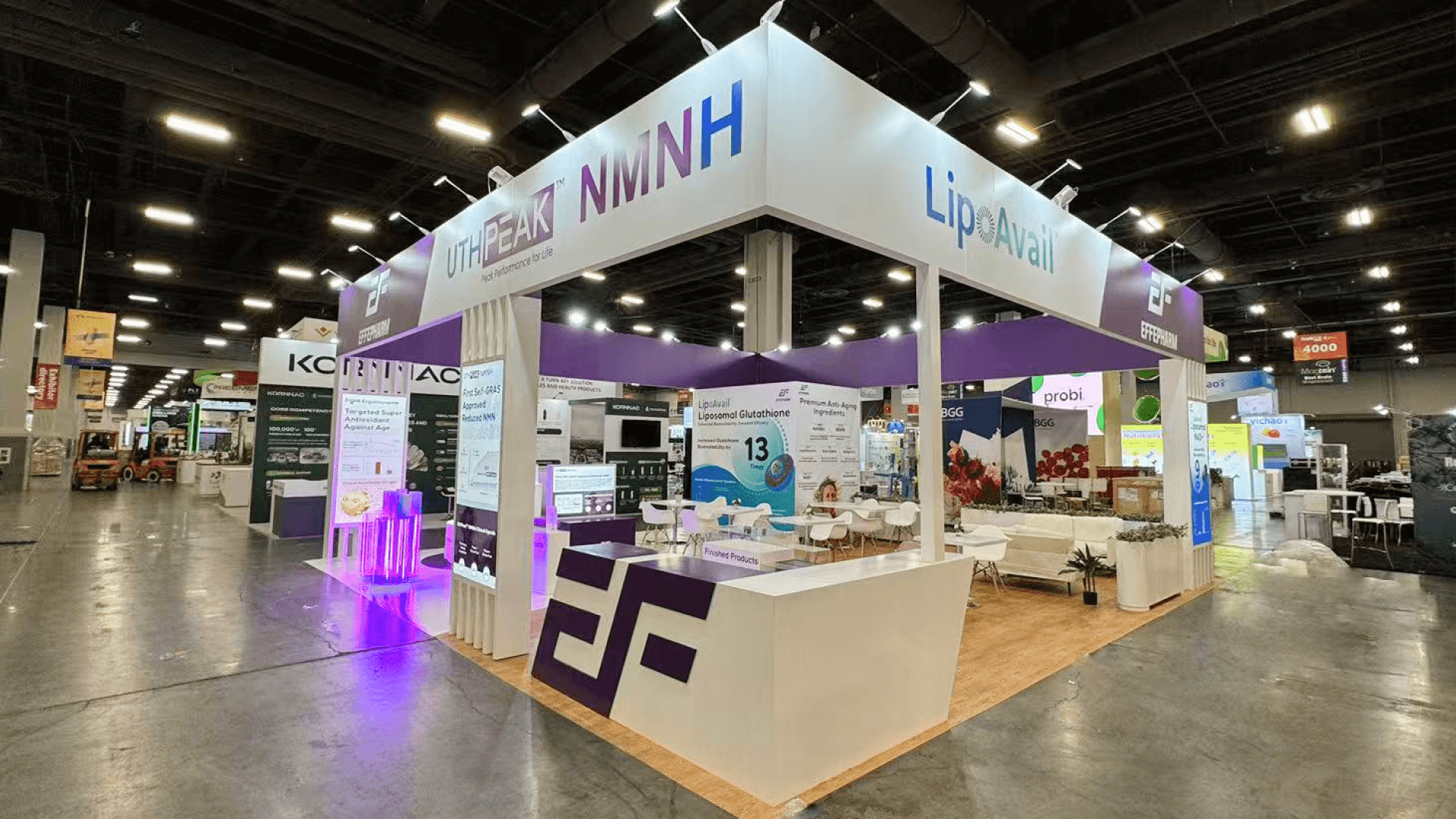
At Vibe Credit Union Showplace, screen placement, cable control, storage, staff movement, demo timing, and setup sequence should be settled before production is finalized. A 20x20 booth planning layout gives ADAS validation exhibitors room for monitors, demo counters, storage, and engineering conversations, while graphics and brand presentation support can make sensor workflows and validation messages easier to read from the aisle.
Why Exhibitors Choose Circle Exhibit
Clear scope, transparent quote review, nationwide booth support, and efficient setup planning for qualified rental and custom exhibit projects.
48hr
Setup Window
10+
Years Since 2014
U.S.
Trade Show Support
Real
Booth Project Proof
ADAS validation booth size should be chosen around screen count, demo counters, sensor displays, cable control, storage, and the amount of technical explanation needed on the show floor.
A 10x10 booth can work for one focused screen demo, a compact sensor display, or a simple validation workflow story.
A 20x30 booth is stronger when the display needs several monitors, multiple demo stations, sensor examples, and deeper technical discussions.
A 20x20 layout gives ADAS exhibitors room for monitors, demo counters, storage, staff movement, and engineering conversations.
An island booth can work when the exhibitor needs stronger visibility, larger screens, private meetings, or a more branded technical demo environment.
For automotive testing and validation exhibitors, the Automotive Testing Expo booth planning article gives a broader look at technical demo planning, screen placement, product display, graphics, booth size, logistics, and show-site setup. It helps teams keep validation workflows, storage, staff movement, and engineering conversations organized without making the booth feel crowded or overly technical.
ADAS validation booths need to make sensor workflows, simulation screens, data outputs, and engineering conversations easy to follow.
Simulation, validation, and data acquisition screens should be placed where visitors can understand the demo without crowding one monitor.
Camera, radar, lidar, perception, and software-defined vehicle messages should be grouped clearly so the technical story is easy to follow.
Engineering buyers may need room to ask about test coverage, data quality, simulation accuracy, and integration details.
Monitors, sensors, cables, demo hardware, printed materials, and staff supplies need storage and cable paths that keep the booth clean.
Automotive Testing Expo North America brings together companies working in vehicle testing, validation, development, quality engineering, data acquisition, simulation, and related automotive technology fields.
Automotive Testing Expo North America 2026 is scheduled for October 27–29, 2026 at Vibe Credit Union Showplace in Novi, Michigan.
The event is part of Vehicle Tech Week North America, giving ADAS, autonomous, sensor, simulation, and validation technology exhibitors a broader technical audience across vehicle innovation and development.
Not Sure Which Booth Size You Need?
Not every exhibitor knows whether a 10x20, 20x20, 20x30, or larger booth is the right fit. Circle Exhibit can help review your event goals, product display needs, demo areas, meeting space, storage, budget scope, and setup timeline before you choose a booth size.
Balancing screens and explanation
Explaining sensor technology without clutter
1
Define the validation story
2
3
4
Rental Booth for Focused ADAS Validation Demos
A rental booth can work well when the display needs a clean structure, readable monitors, branded graphics, demo counters, hidden storage, and space for focused technical conversations.
Custom Build for Multi-Screen Testing Workflows
A custom build makes more sense when the booth needs several demo stations, larger monitors, integrated lighting, private meeting space, or a stronger branded environment for validation storytelling.
Hybrid Booth for Screens, Sensors, and Meetings
A hybrid booth can keep the structure efficient while customizing the areas visitors use most: monitor walls, sensor displays, demo counters, graphics, storage, and meeting space.
At Vibe Credit Union Showplace, ADAS validation booths should be planned around move-in timing, freight access, installation sequence, electrical needs, and final show-floor checks.
Technical demo booths work better when monitors, demo counters, cable paths, storage, and staff movement are planned together from the start.
Show-site setup should account for screen visibility, sensor display placement, backup cables, demo content, and the staff flow needed for engineering conversations.
ADAS validation booths with simulation screens, sensor demos, or data acquisition displays should confirm monitor content, power access, backup cables, and demo counter placement before the exhibit floor opens.
Need an ADAS Validation Booth Plan for Automotive Testing Expo?
ADAS validation exhibitors often need a booth that balances screen-based demos, sensor workflows, cable control, storage, and technical conversations.
What should an ADAS validation booth include?
It should include readable monitors, short workflow labels, sensor or simulation demo areas, hidden storage, staff movement space, and room for technical buyer conversations.
What booth size works well for ADAS validation exhibitors?
How should sensor validation demos be shown in the booth?
Should ADAS booths include simulation screens?
Why is setup planning important for ADAS validation booths?
READY TO PLAN YOUR NEXT BOOTH?
Let’s Build a Booth That Fits Your Event
Share your event name, booth size, city, timeline, product display needs, and design references. Circle Exhibit will review your project direction and help you choose a rental-friendly or custom exhibit path.
3000+
Booth Projects Supported
50+
U.S. Event Cities
Transparent
Quote Review
Useful when an ADAS validation booth needs monitor placement, demo counters, sensor display areas, cable paths, storage, lighting, and visitor flow planned before production begins.
Technical automotive booths often need freight timing, monitor placement, cable control, equipment handling, storage planning, and setup checks arranged before move-in.
A 20x30 layout can work better when the booth needs several screens, multiple demo counters, engineering conversation space, storage, and a clearer visitor path.
ADAS validation booths with screens, counters, cable paths, and demo hardware need installation planning that keeps the setup sequence clear before the exhibit floor opens.
Useful when monitors, demo parts, booth structures, graphics, and technical display components need to be stored, checked, and prepared for future automotive events.
Circle Exhibit supports automotive technology exhibitors with trade show exhibit design, booth planning, rental structures, graphics, logistics, and show-site execution across U.S. events.