What Should Keep a Conversation at the Booth?
The booth remains the better setting while the discussion still depends on what visitors can see or experience there. A physical product, live demonstration, workflow screen, or side-by-side comparison can answer questions more clearly than moving the conversation away from the exhibit too early.
This is especially important for medical-device exhibitors, where the product itself often remains part of the explanation. Good Critical Care Congress medical device booth planning leaves enough room for equipment, screens, viewing positions, and staff interaction so those product-dependent conversations can continue without disrupting the next demonstration.
Once the product is no longer helping answer the visitor’s next question, the reason for keeping the discussion beside the exhibit becomes weaker.
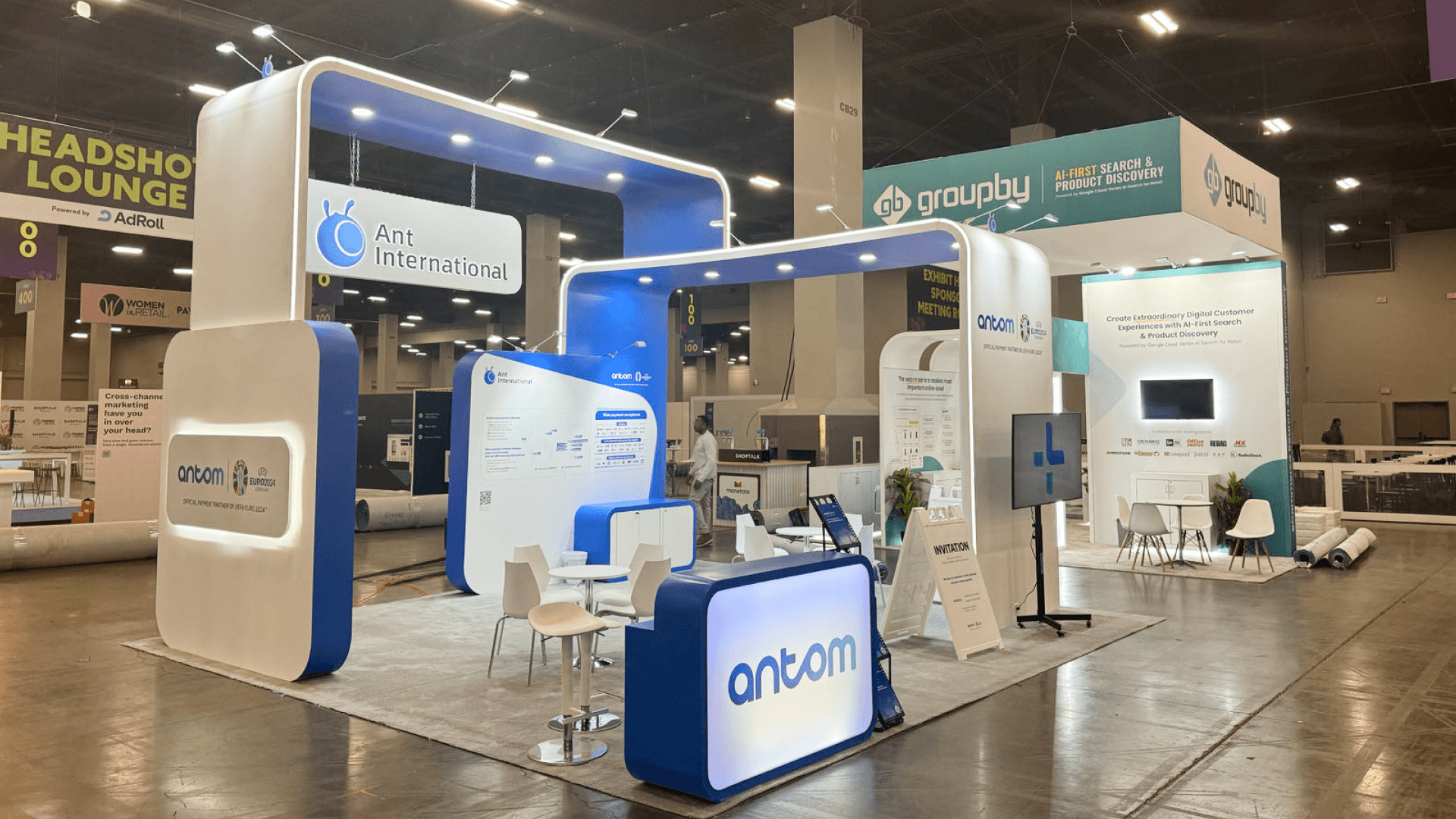
Product-dependent questions are usually easier to handle at the booth, where visitors can see the device, screen, or live demonstration.
When Has the Conversation Outgrown the Booth?
A conversation can outgrow the booth even when it began there successfully. The signal is usually not length alone, but growing friction from the environment: several people join the discussion, privacy becomes important, interruptions become harder to ignore, or the subject requires more concentration than the active exhibit floor allows.
At that stage, the booth may still be functioning exactly as intended for demonstrations and new visitors, but it is no longer the best place for that particular discussion. A Meeting Suite can separate the deeper conversation from booth traffic without asking the booth to perform two conflicting jobs at once.
The move should therefore solve a real conversation problem rather than simply use another available space.
Does the Next Question Still Need the Product?
The clearest transition test is whether the visitor’s next question still needs the product, demo, or workflow screen to be answered well.
If the discussion still depends on seeing how something works, comparing features, reviewing a workflow, or pointing to a specific part of the product, the booth is still providing useful context. Moving away too early can make the discussion less concrete.
Once the product has established relevance, however, the conversation may change. Questions about implementation, broader clinical use, partnership, commercial details, or next steps may no longer require the device itself. They may instead require more time, additional participants, or a quieter setting.
That is the practical transition point. If the next question still needs the exhibit, stay at the booth. If the exhibit has finished its job and the conversation now needs depth rather than product context, the Meeting Suite becomes the stronger setting.
When Does a Booth-to-Suite Handoff Make Sense?
A hybrid approach is useful when the booth and Meeting Suite handle different stages of the same visitor journey rather than duplicating each other.
The booth establishes relevance, supports the product demonstration, and handles the first technical or clinical questions. Once that stage is complete, a qualified visitor can move into a longer discussion about implementation, partnership, commercial detail, or issues involving several stakeholders.
The physical booth should make that transition easy rather than forcing staff to improvise it during the show. In trade show booth design and engineering, the demo area, staff positions, visitor circulation, and handoff path can be considered together so a deeper conversation can leave the active booth without interrupting the next one.
The value of the hybrid approach comes from giving each space a different job.
What Should Be Decided Before Reserving a Meeting Suite?
Before reserving a Meeting Suite, exhibitors should think about the conversations they realistically expect to have. If most visitor questions still depend on the product, demo, or workflow screen, the booth may already provide the right environment.
A Suite becomes more relevant when qualified discussions are likely to last longer, involve several participants, require privacy, or be difficult to hold with frequent interruptions. The expected number of those conversations matters as much as the length of any single meeting.
Availability matters as well. Because Meeting Suites are a limited event resource, exhibitors should decide before Congress whether enough conversations are likely to need a separate setting rather than treating the Suite as an on-site backup.
A reservation makes sense when the space has a defined role in the conversation flow—not simply because additional meeting space is available.
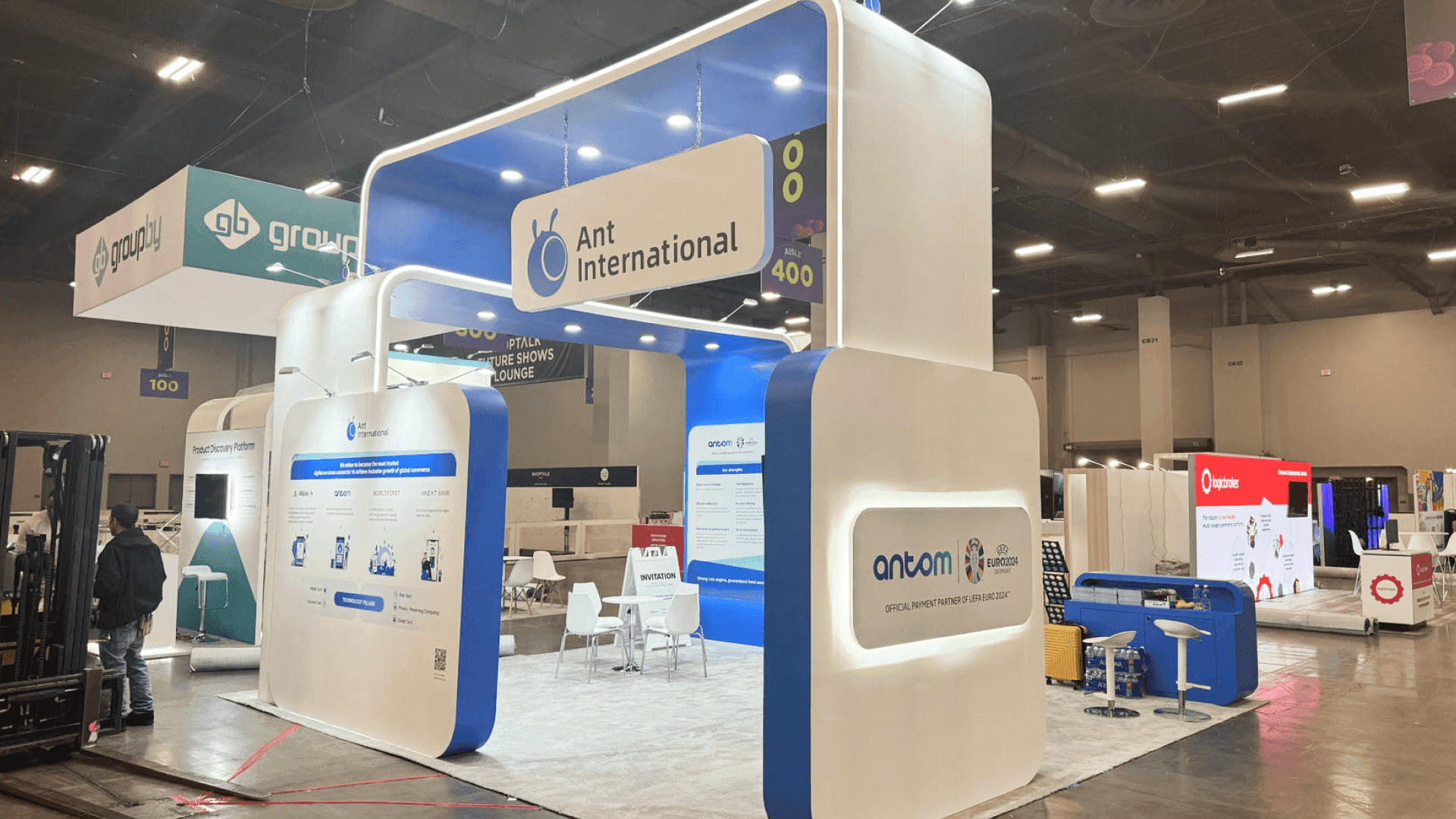
A booth-to-suite handoff makes sense once the product has established relevance and the next discussion needs more time, privacy, or participants.
When Is a Meeting Suite Probably Unnecessary?
A Meeting Suite may be unnecessary when most booth interactions are short, product-focused, and easy to complete beside the exhibit. If visitors mainly need a quick answer, a comparison, or a brief follow-up after a demonstration, moving them elsewhere can add another step without improving the conversation.
The same applies when groups remain small and few longer or scheduled discussions are expected. In those situations, the booth may already provide enough context and flexibility.
A separate Suite should solve a genuine need for time, privacy, participants, or concentration. If those conditions rarely occur, the booth may be enough.
FAQ
Can a longer discussion still stay at the booth?
Yes. A longer conversation can remain at the booth if the product, demo, or workflow screen is still important and the space can support the discussion without excessive interruption. Length alone is not a reason to move. What matters is whether the conversation still benefits from being beside the exhibit.
Should product demonstrations happen in the Meeting Suite?
Usually, demonstrations that depend on the physical product, equipment, or workflow screen belong at the booth. A Meeting Suite becomes more relevant after the demonstration has established product relevance and the discussion moves into questions that no longer require the product to be present.
When does a booth-and-suite hybrid approach make sense?
A hybrid approach makes sense when the booth handles product recognition, demonstration, and initial qualification while the Meeting Suite supports the longer discussion that follows. It works best when the two spaces have clearly different jobs rather than repeating the same conversation.