AACR Biotech and Drug Discovery Booth Planning for Scientific Evidence and Partnership Meetings


How should biotech and drug discovery exhibitors plan an AACR booth?
Begin with the scientific opportunity rather than the full company portfolio. Show which programs or capabilities use that approach, what evidence makes it credible, and who can discuss the next step. A pipeline is useful only when visitors can identify which part matters to their research, development, or partnership interests.
A biotech or drug discovery booth is easier to understand when it does not try to present the whole company at once. Most visitors first need to see what the company enables, which program or capability is relevant to them, and what evidence supports the opportunity before the conversation moves into development stage, technical detail, licensing, or partnership.
Within the broader AACR Annual Meeting, these exhibits are driven more by information hierarchy and conversation depth than by equipment operation. When the visitor experience depends on watching an instrument, following a physical workflow, or reviewing an operating result, laboratory technology demo planning addresses those equipment-led requirements.
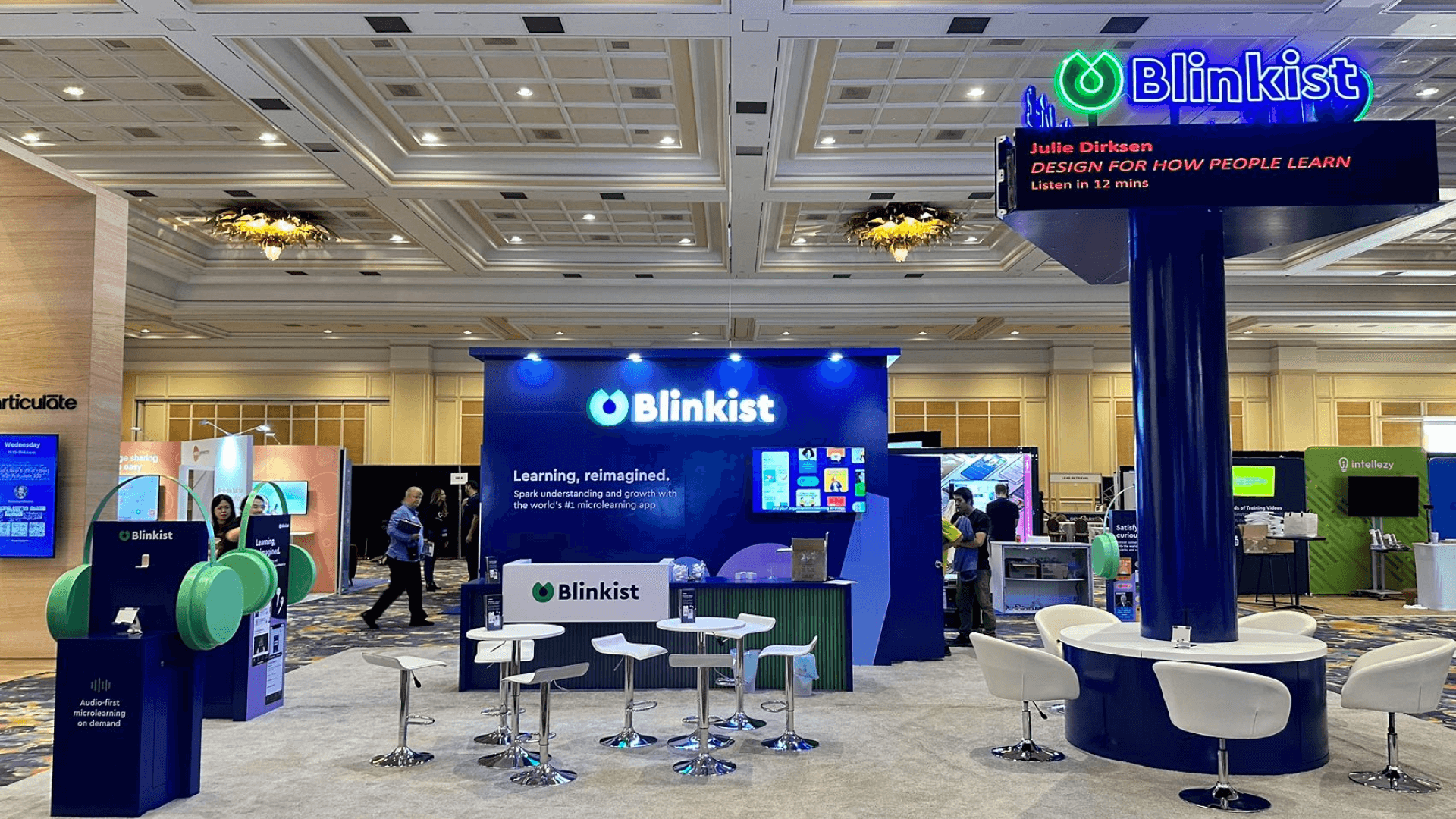
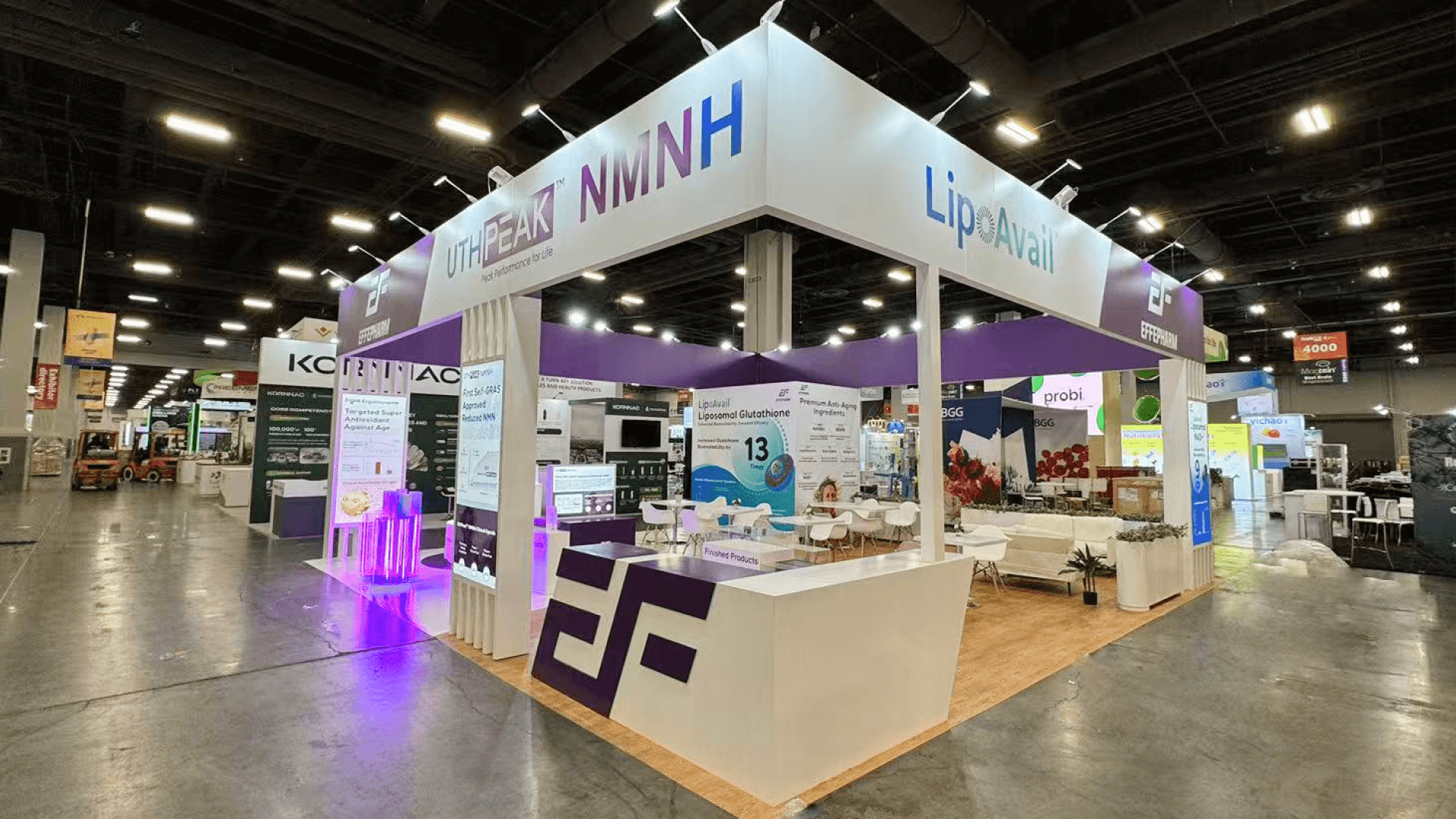
Booth size should reflect how many scientific stories, staff roles, and conversation types need to run at the same time. A 20x20 booth can support one focused platform, evidence screens, and short scientific discussions, while a 20x30 layout provides more separation for pipeline review, stored materials, several staff roles, and quieter licensing or partnership conversations.
Why Exhibitors Choose Circle Exhibit
Clear scope, transparent quote review, nationwide booth support, and efficient setup planning for qualified rental and custom exhibit projects.
48hr
Setup Window
10+
Years Since 2014
U.S.
Trade Show Support
Real
Booth Project Proof
The footprint should reflect how many scientific layers, staff roles, screens, meeting types, and privacy levels must operate together. More space is valuable only when it creates a clearer progression from recognition to evidence and discussion.
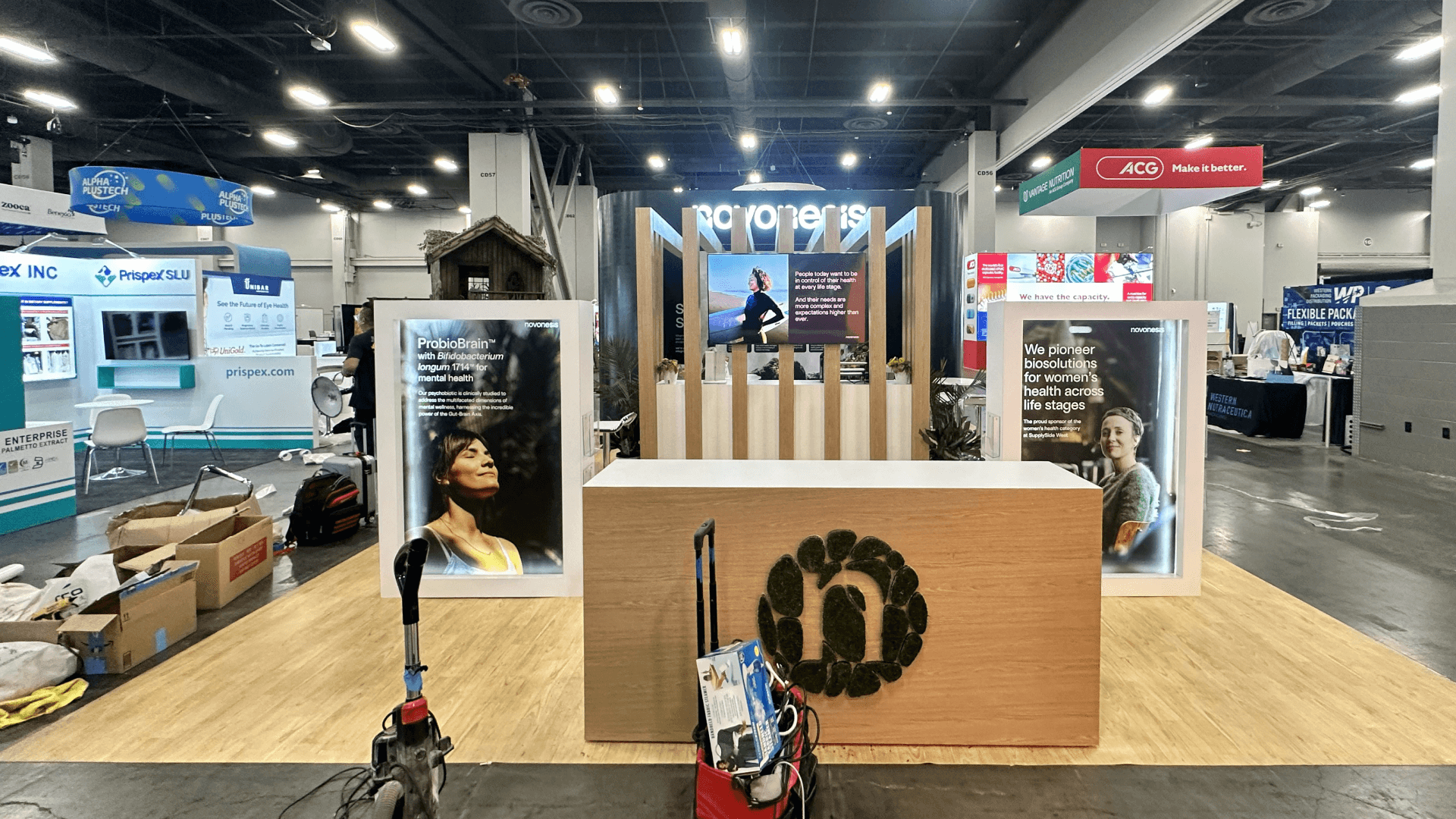
A 10x10 booth can introduce one platform, service, lead program, or collaboration opportunity. Detailed pipeline review and longer meetings can move to a screen, literature, or scheduled discussion.
A 20x30 booth can separate the aisle message, evidence review, staff activity, storage, and a quieter area for licensing or partnership discussions.
A 20x20 booth provides room for one central proposition, supporting evidence, a screen, several staff roles, and short standing or seated conversations.
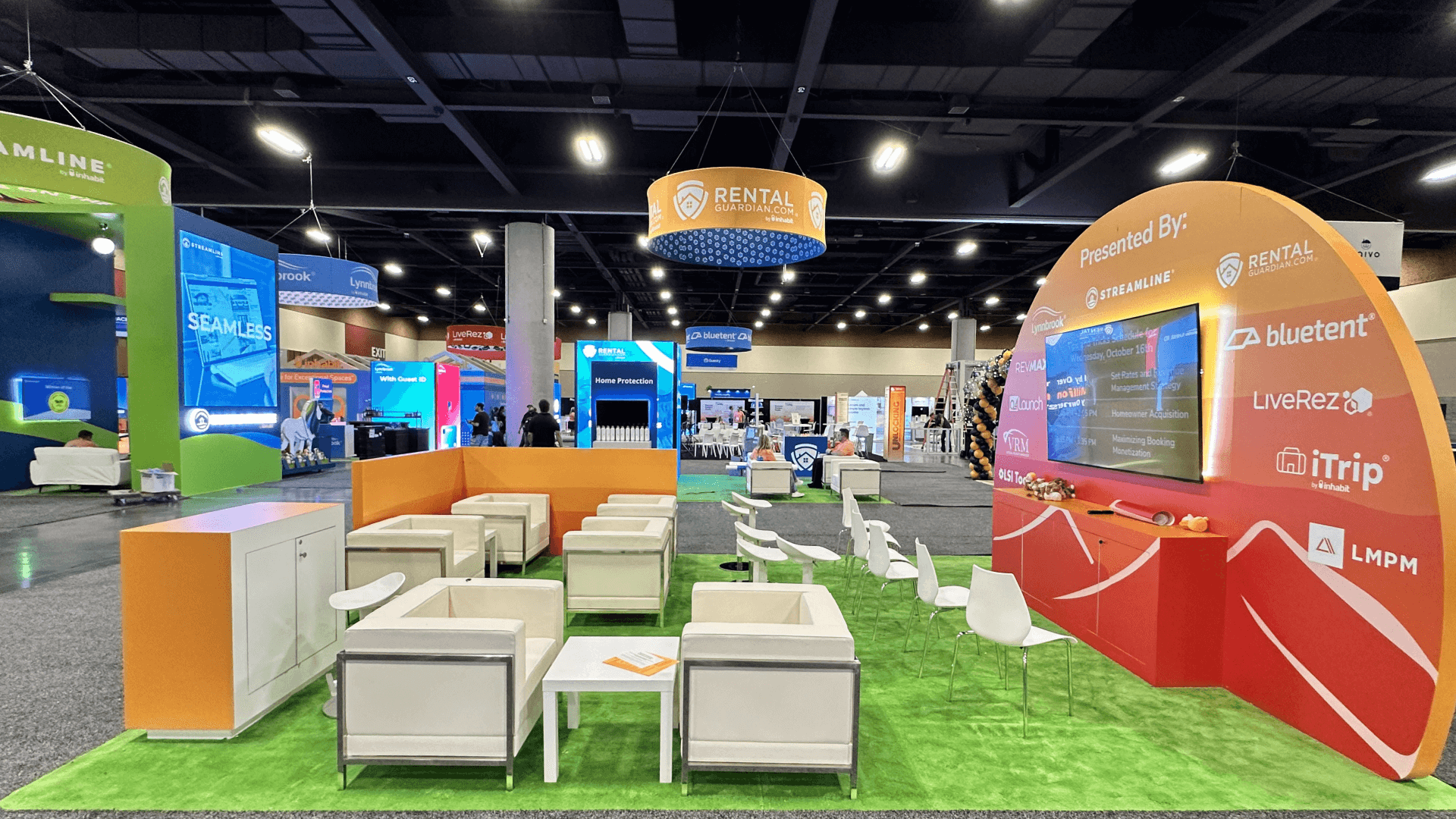
A 30x40 booth supports several therapeutic areas, presentation moments, or discussion teams. One unifying company proposition is still needed to keep the exhibit coherent.
After a Spotlight Theater session, some attendees may want to examine the evidence more closely, speak with a scientist, or continue into a licensing or partnership discussion. The session-to-booth follow-up covers that transition, while this Event page focuses on how evidence, staff roles, and meeting needs are organized inside the booth.
The exhibit should move visitors from a recognizable scientific opportunity into the right evidence, staff expertise, and next discussion without presenting the full portfolio at the same visual depth.
Visitors should first understand what the company enables or is developing. Programs and pipeline details then show where that idea is being applied.
One visitor may need a mechanism, another a result, development stage, model, or technical capability. The booth should provide several evidence paths without placing every detail in the first view.
Staff positions and meeting areas should help visitors reach the scientist, clinical contact, business development lead, or licensing team best suited to their question.
Graphics, screens, presentation slides, literature, meeting documents, and follow-up should use the same approved terminology and evidence priorities.
This page applies to biotech, pharmaceutical, drug discovery, translational research, CRO, CDMO, and related scientific service exhibitors.
AACR Annual Meeting 2027 takes place April 2–7 at the Orange County Convention Center, with exhibits open April 4–6.
Visitors may be evaluating the science, development stage, company capability, research service, licensing opportunity, or potential partnership.
Not Sure Which Booth Size You Need?
Not every exhibitor knows whether a 10x20, 20x20, 20x30, or larger booth is the right fit. Circle Exhibit can help review your event goals, product display needs, demo areas, meeting space, storage, budget scope, and setup timeline before you choose a booth size.
Using the Pipeline as Evidence, Not as the Opening Message
Selecting Evidence That Answers a Real Question
1
Identify the First Question the Company Wants to Receive
2
3
4
Rental for One Focused Scientific Story
When the exhibit centers on one clear scientific proposition, an Orlando booth rental setup can keep the structure simple while providing room for evidence screens, literature, concealed storage, and a small discussion area.
Custom for Multiple Programs and Private Discussions
When several programs, staff groups, presentation moments, and privacy levels need to operate within the same exhibit, the layout may require custom design and engineering around information flow, meeting separation, and screen placement.
Hybrid for Reusable Scientific Displays
A hybrid approach keeps the main structure reusable while adding AACR-specific evidence graphics, screen content, meeting elements, and storage where they improve information hierarchy, scientific review, or the transition into licensing and partnership discussions.
Installation is too late to decide which capability leads, how a mechanism is described, or which evidence belongs at first view.
The presentation may go deeper than the booth, but both should begin from the same scientific proposition and lead toward the same next discussion.
A quieter area should feel like a natural next step after evidence review, not a separate room that visitors and staff struggle to enter.
Staff should know when to continue a conversation, when to involve a scientist, and when to move a qualified visitor into a licensing or partnership meeting.
Rental Booth for One Focused Scientific Story
A rental booth in Orlando can support one clear scientific opportunity with branded surfaces, evidence screens, literature, concealed storage, and a small discussion area. It is most suitable when the exhibit does not require several private meetings or heavily integrated media elements.
What should visitors understand first at an AACR biotech booth?
They should first understand what scientific capability, platform, program, service, or collaboration opportunity the company makes possible.
How much of the pipeline should be displayed?
Does the booth need a private meeting area?
Who should staff the booth?
How should Spotlight Theater content connect to the booth?
READY TO PLAN YOUR NEXT BOOTH?
Let’s Build a Booth That Fits Your Event
Share your event name, booth size, city, timeline, product display needs, and design references. Circle Exhibit will review your project direction and help you choose a rental-friendly or custom exhibit path.
3000+
Booth Projects Supported
50+
U.S. Event Cities
Transparent
Quote Review
Visitors may first need the company proposition, then a relevant program, development stage, or result. Graphics and brand presentation helps organize those layers without placing the complete portfolio in the first view.
An open scientific question and a confidential licensing discussion do not need the same environment. Design and engineering planning helps balance evidence screens, standing conversations, seated meetings, staff positions, storage, and privacy.
The 20x20 booth planning page is relevant when one platform or compact pipeline needs a central message, supporting evidence, and short scientific discussions.
The 20x30 booth planning page examines a footprint that can separate the aisle message, evidence review, staff activity, storage, and a quieter meeting area.
Final graphics, screen files, literature, and meeting documents may come from different internal teams. Logistics and pre-show coordination helps move the approved materials, freight, and storage requirements through one controlled preparation sequence.