WWIN Point-of-Purchase Pavilion Booth Planning for Small Products
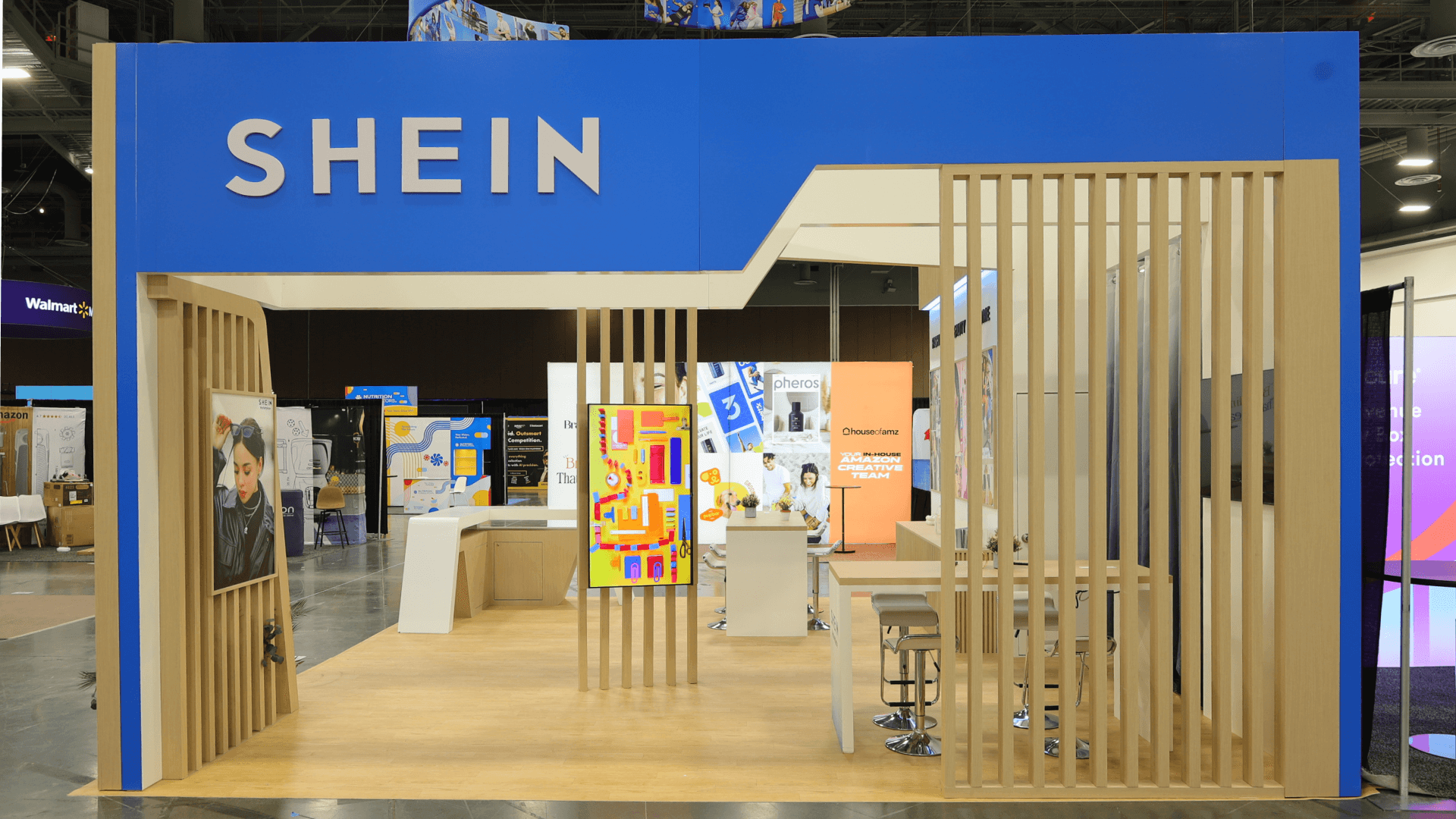
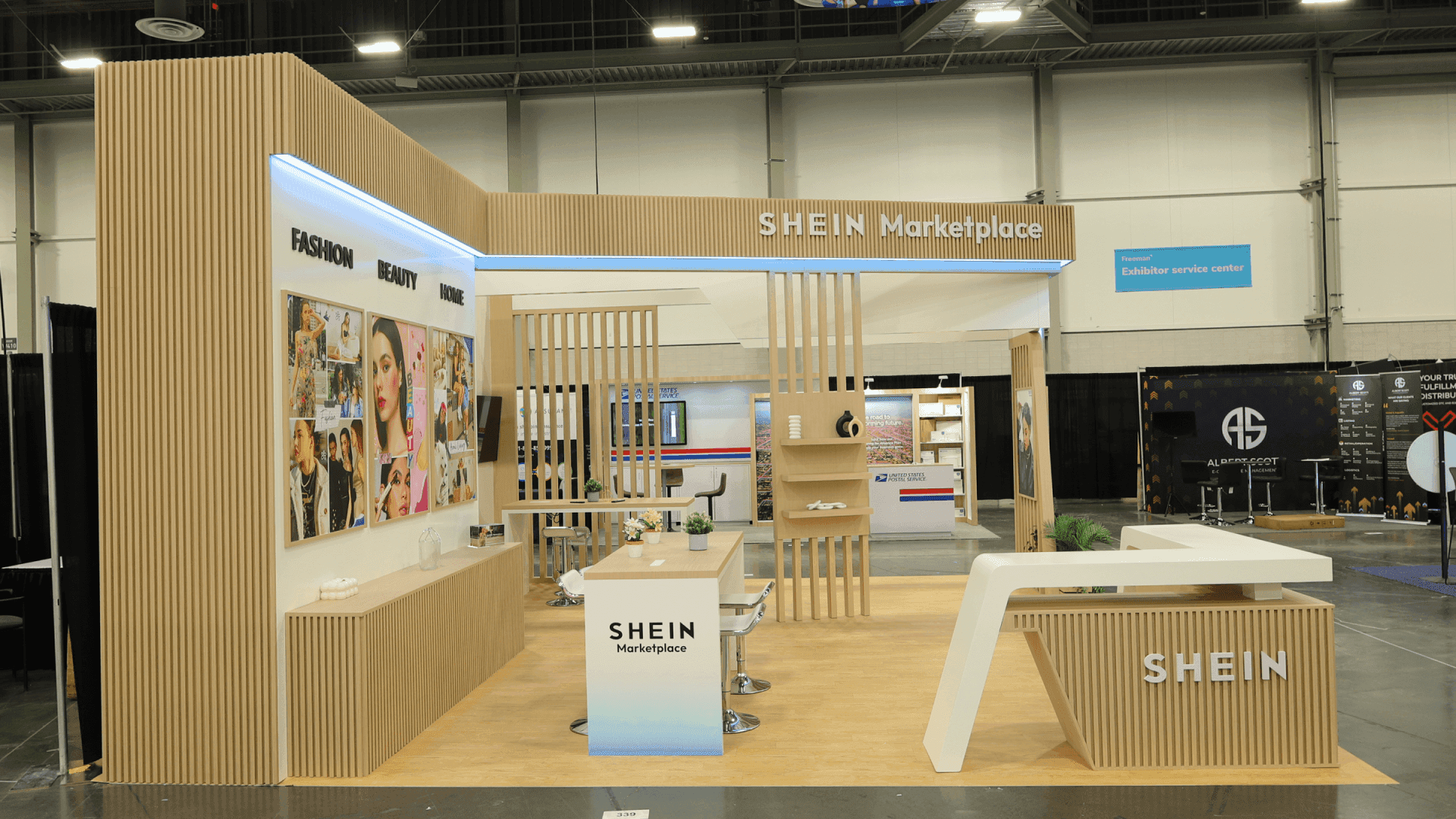
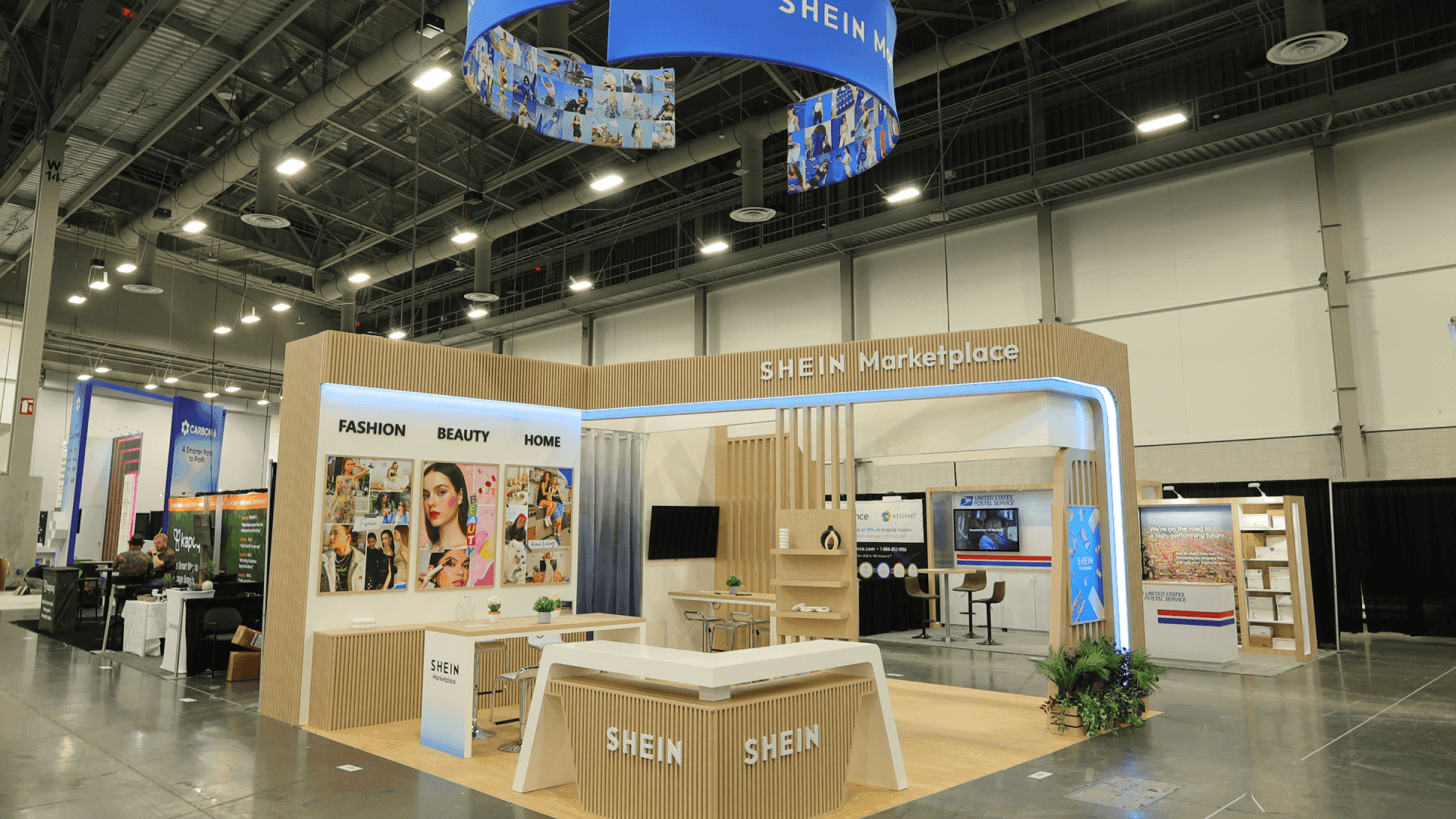

How should exhibitors plan a WWIN Point-of-Purchase Pavilion booth?
A Point-of-Purchase Pavilion booth should turn a dense small-product assortment into a display buyers can scan quickly. Product families need clear grouping, priority items need easy access, and replacement stock should stay out of sight so buyers can compare products without working inventory or excessive SKU density getting in the way.
The Point-of-Purchase Pavilion is a specialized product-discovery area within the broader WWIN booth planning environment. Its countertop, impulse, checkout-lane, accessory, gift, and beauty products create a very different display problem from apparel: small items occupy little physical space but can create far more visual decisions.
WWIN’s current public information does not establish one universal Pavilion booth size, so the contracted footprint should lead the layout. If that space is comparable to 10x20, exhibitors need to decide how many product families can stay visible without sacrificing buyer reach, circulation, or hidden stock. 10x20 booth planning provides a useful compact-space reference.
At The Expo at World Market Center, counters, shelving, graphics, cartons, and product fixtures still have to remain inside the assigned WWIN booth envelope. Inside that space, the merchandising system should keep product families visible, reachable, and easy to refill without allowing boxes or backup inventory to enter the buyer path.
Why Exhibitors Choose Circle Exhibit
Clear scope, transparent quote review, nationwide booth support, and efficient setup planning for qualified rental and custom exhibit projects.
48hr
Setup Window
10+
Years Since 2014
U.S.
Trade Show Support
Real
Booth Project Proof
Confirm the contracted Pavilion footprint before production. Then judge the space by product-family count, number of display faces, buyer reach, conversation needs, and the backstock required to keep the display replenished.
A compact assigned space can work when one category carries the booth, only selected SKUs remain visible, and product explanation happens at a simple counter, panel, or shelving system.
A footprint comparable to 20x20 can separate more product families, open additional buyer approaches, and create extra storage or conversation capacity without stacking every category onto one wall.
If the contracted footprint is comparable to 10x20, several controlled product groups can share brand graphics, compact fixtures, hidden stock, and a short buyer conversation. See 10x20 booth planning.
A larger footprint is worthwhile when additional categories, buyer access, or backstock cannot be organized clearly in the contracted space. More shelving by itself is not a reason to expand.
Small-format products often need more shelving, clearer category separation, easy buyer reach, and concealed replenishment stock, but those needs do not always require a new booth structure. WWIN package upgrade decisions should first look at whether modular shelving, counters, storage, or display fixtures can solve the problem before the product system itself starts to demand a more specialized structure.
The merchandising system should move buyers from brand recognition to product family, priority items, close inspection, and conversation without making every SKU compete for equal attention.
Shelves, counters, panels, or compact fixtures should carry several products while keeping spacing and category structure easy to follow.
Buyers should understand the main product families before moving closer to individual items. Clear labels and repeated grouping logic reduce unnecessary searching.
Priority products should sit where buyers can see and inspect them easily, while secondary SKUs support the range without taking over the display.
Replacement units and packaging need nearby storage so staff can restore the display quickly without exposing cartons or reserve stock.
WWIN's Point-of-Purchase Pavilion features countertop, impulse-purchase, and checkout-lane products including accessories, gifts, and beauty items.
The Pavilion operates within WWIN, running February 15–17, 2027 at The Expo at World Market Center in Las Vegas.
Buyers can scan complementary product categories, compare small-format items, and identify products worth discussing further with suppliers.
Not Sure Which Booth Size You Need?
Not every exhibitor knows whether a 10x20, 20x20, 20x30, or larger booth is the right fit. Circle Exhibit can help review your event goals, product display needs, demo areas, meeting space, storage, budget scope, and setup timeline before you choose a booth size.
Small Products Do Not Carry Aisle-Level Messaging
Buyers Need a Category Map in Seconds
1
Sort the Assortment the Way a Buyer Thinks
2
3
4
Use Modular Shelving When the Product Format Is Simple
When products fit standard shelves, counters, panels, and concealed storage, a Las Vegas trade show booth rental can provide enough structure without turning the display into a custom fabrication project. This works best when the assortment can be organized with repeatable product groupings and conventional fixture sizes.
Build Custom Fixtures Around the Product
Custom fixtures become more useful when the merchandise needs dedicated trays, unusual product holders, integrated panels, or hidden refill access. In these cases, the fixture is part of how the product is presented and handled, not just a surface that holds it.
Keep the Exhibit Reusable, Customize the Merchandising Layer
A reusable exhibit structure can still support product-specific inserts, branded panels, category labels, shelving, and storage. This approach keeps the main framework flexible while giving the product layer enough control to support denser assortments and faster replenishment.
Install counters, shelves, product panels, category signs, graphics, and labels before opening cartons so every item already has an assigned place.
Set the most important items and category representatives first, then add supporting products only after the main visual hierarchy is working.
Replacement inventory, packaging, and shipping cartons should stay in assigned storage rather than under open counters or beside product displays.
Restore category groups, refill empty positions, and correct misplaced items before the display becomes harder for buyers to scan.
Modular Booth Rental for Small-Product Displays
A rental-based booth can support modular shelving, counters, category graphics, concealed backstock, and compact buyer interaction when small-format products fit standard display components and do not require highly specialized fixtures.
How many products should a POP Pavilion exhibitor display at once?
Show enough products to communicate the main categories and assortment depth, but keep supporting SKUs and replacement stock in backstock when displaying everything would weaken clarity.
How should small products be grouped for wholesale buyers?
Can a 10x20 footprint work for a high-SKU display?
Where should replacement products and packaging be stored?
What products are featured in the WWIN Point-of-Purchase Pavilion?
READY TO PLAN YOUR NEXT BOOTH?
Let’s Build a Booth That Fits Your Event
Share your event name, booth size, city, timeline, product display needs, and design references. Circle Exhibit will review your project direction and help you choose a rental-friendly or custom exhibit path.
3000+
Booth Projects Supported
50+
U.S. Event Cities
Transparent
Quote Review
For assigned spaces comparable to 10x20 that need several product groups, shelving or counters, concealed storage, and a controlled buyer path.
For broader assortments that need more display faces, additional buyer approaches, greater backstock capacity, or a clearer conversation point.
For aisle-level brand cues, product-family labels, category hierarchy, and visual communication that makes small merchandise easier to scan.
For coordinating cartons, product staging, backstock, replenishment materials, booth components, move-in, and final show-floor readiness.
For projects that need integrated shelving, purpose-built product walls, concealed stock access, counters, or other fabricated merchandising components.