WWIN Show Booth Planning for Wholesale Fashion Exhibitors


How should exhibitors plan a WWIN booth?
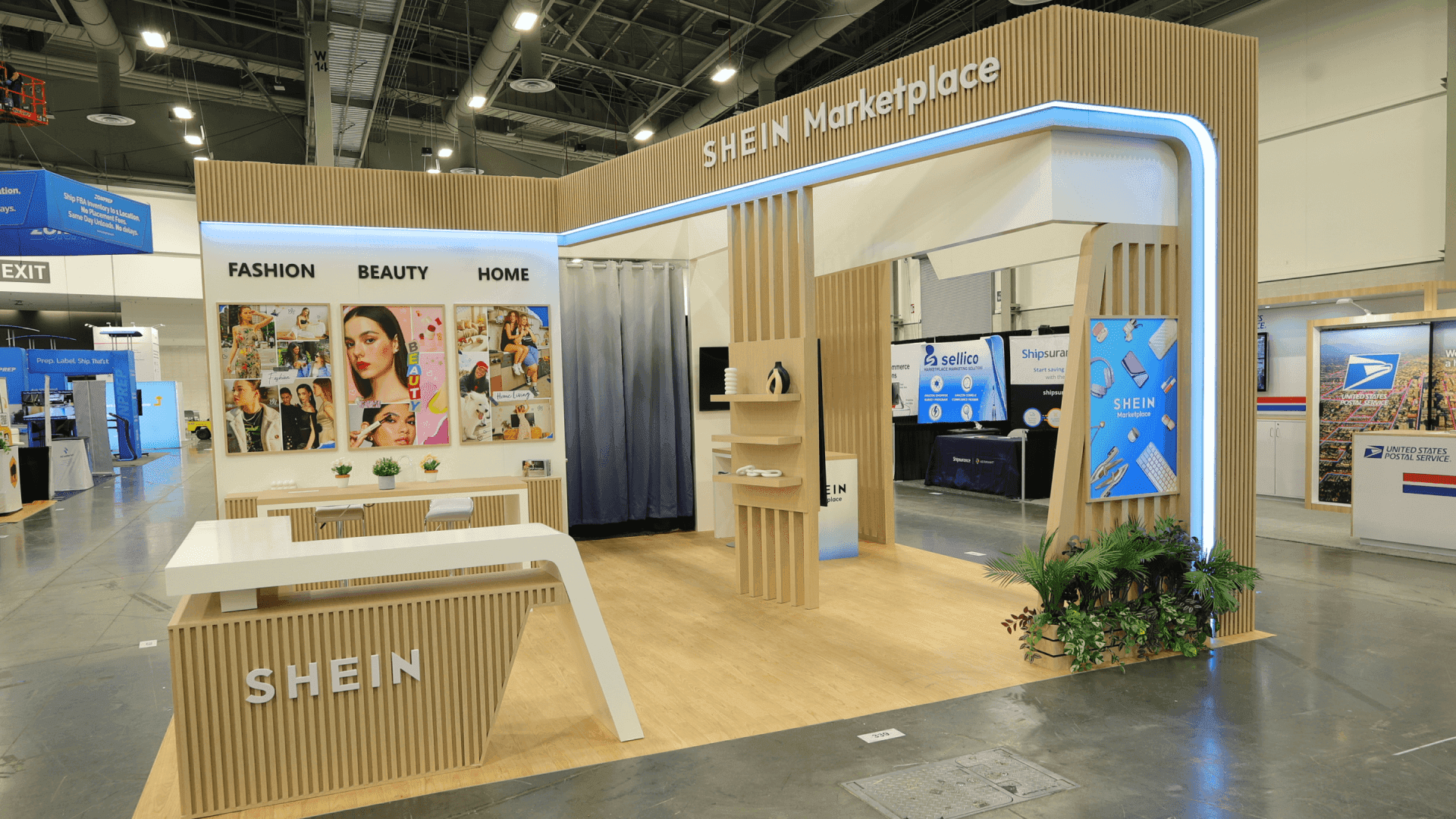
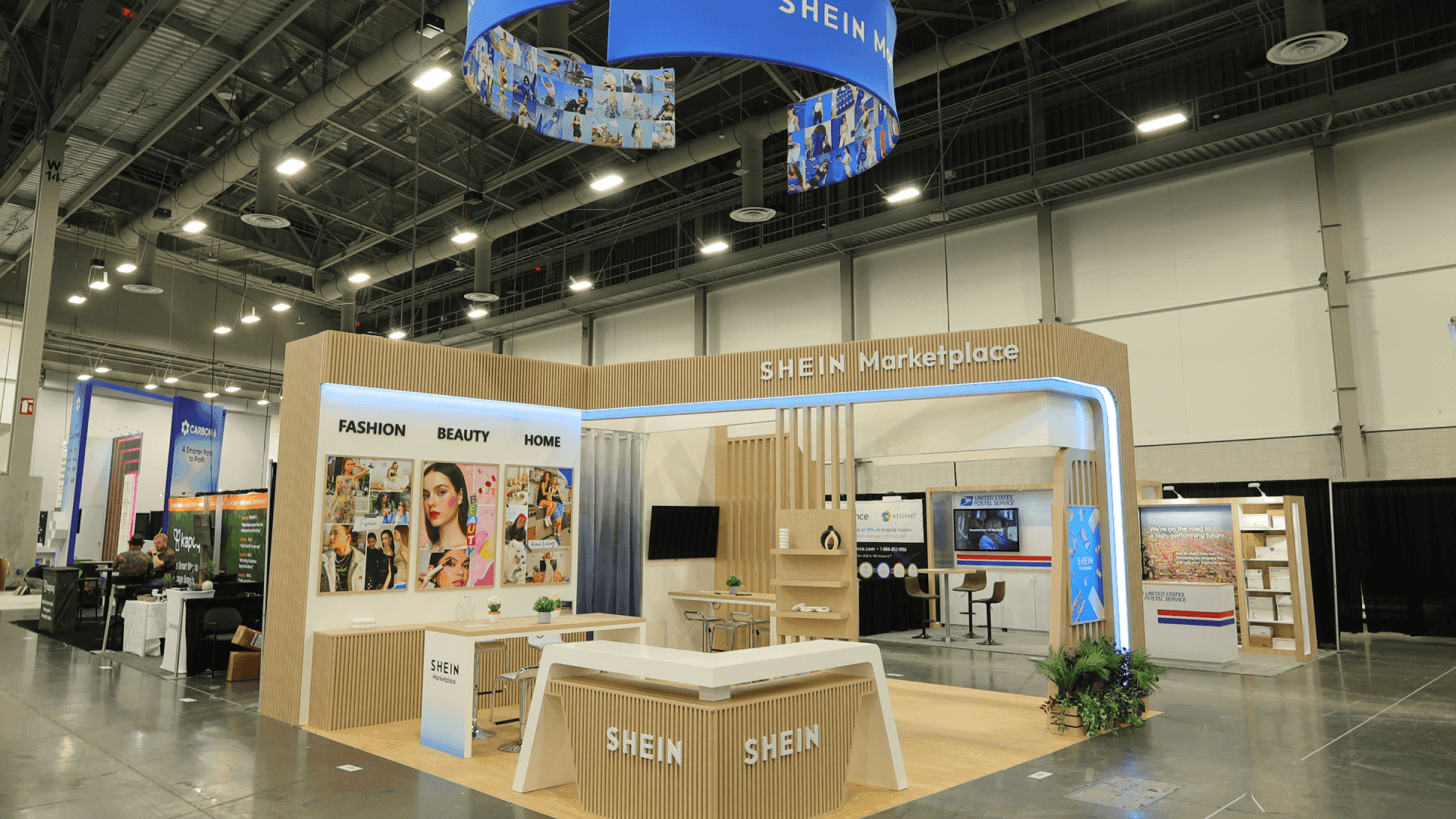
At WWIN, the booth should make it easy for buyers to recognize the brand, understand the assortment, inspect products, compare categories, and move into an order-writing conversation. The layout should balance merchandise with circulation, conversation space, and concealed storage so the booth remains easy to shop rather than becoming visible inventory.
WWIN is built around efficient wholesale sourcing. Buyers may move through dozens of apparel, footwear, accessory, and lifestyle collections in a single buying session, so exhibitors need to make the brand and core assortment understandable before a longer sales conversation begins. The booth should guide buyers naturally from aisle recognition to product review, comparison, and order writing.
For a focused collection, a 10x20 booth can provide enough room for accessible product display, concealed storage, and one buyer-conversation point without overfilling the footprint. Broader assortments or several buyer discussions happening at once may need 20x20 or 20x30 planning. For brands showing suits, footwear, hats, and accessories together, The Men’s Edit booth planning addresses the more specific challenge of organizing a mixed menswear collection for buyer comparison and order writing.
At The Expo at World Market Center, the provided booth package still has to work with the exhibitor’s fixtures, graphics, merchandise, storage, and final styling. When those requirements call for fabricated walls, integrated storage, custom product displays, or a more coordinated production scope, Circle Exhibit’s trade show booth design and build in Las Vegas becomes relevant to the overall exhibit plan.
Why Exhibitors Choose Circle Exhibit
Clear scope, transparent quote review, nationwide booth support, and efficient setup planning for qualified rental and custom exhibit projects.
48hr
Setup Window
10+
Years Since 2014
U.S.
Trade Show Support
Real
Booth Project Proof
Use booth size as a functional decision. Assortment breadth, display types, buyer circulation, simultaneous conversations, and concealed storage should determine whether a compact inline booth is enough or a larger footprint will make the buying process easier.
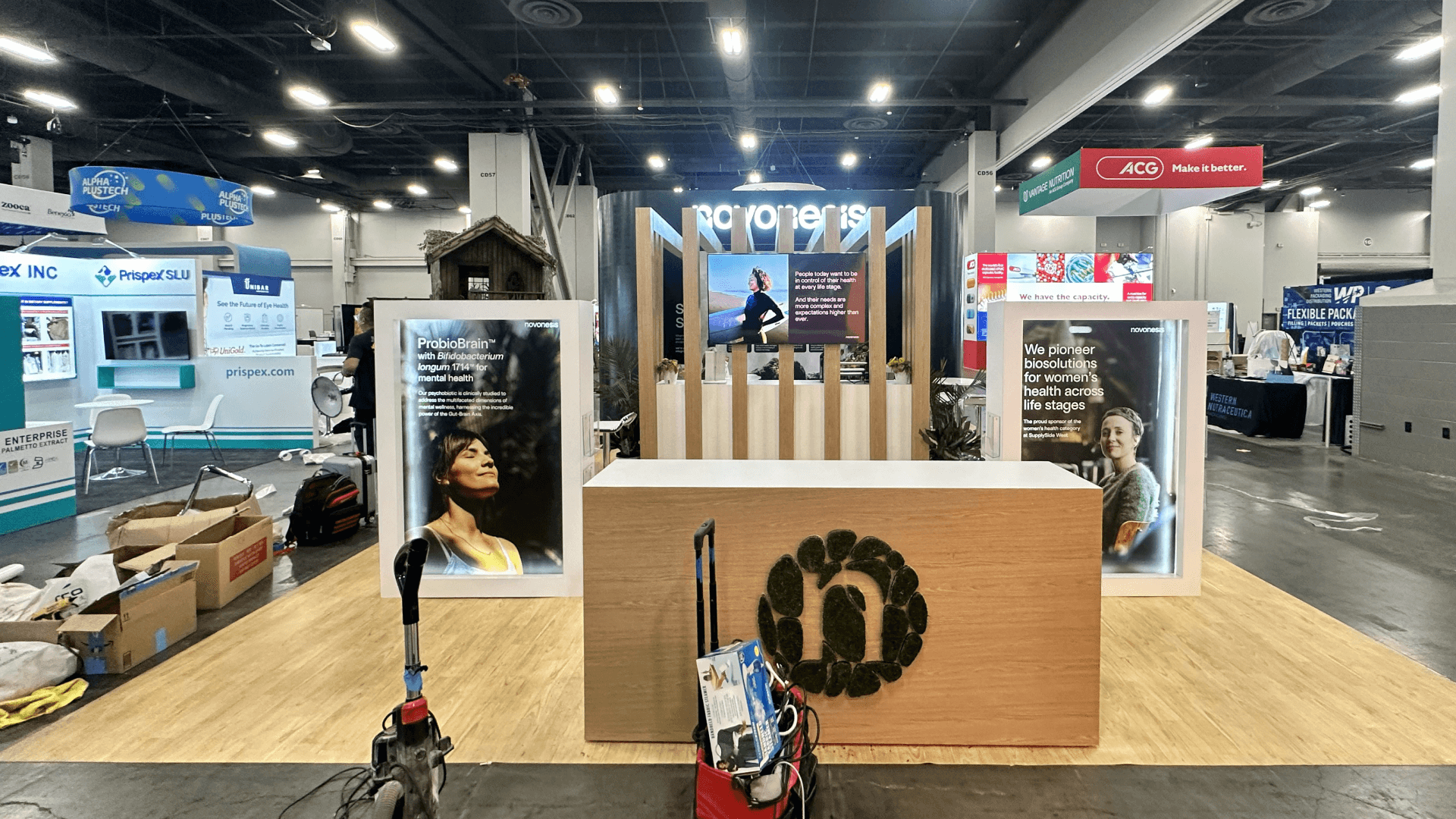
When one collection carries the booth and the team needs a clean display, hidden storage, and one buyer-conversation point, a 10x20 reference can be enough. Compare those trade-offs in 10x20 booth planning.
A 20x30 reference can help when several category stories, product groups, or buyer discussions need to operate at the same time without turning the booth into a series of crowded mini-zones.
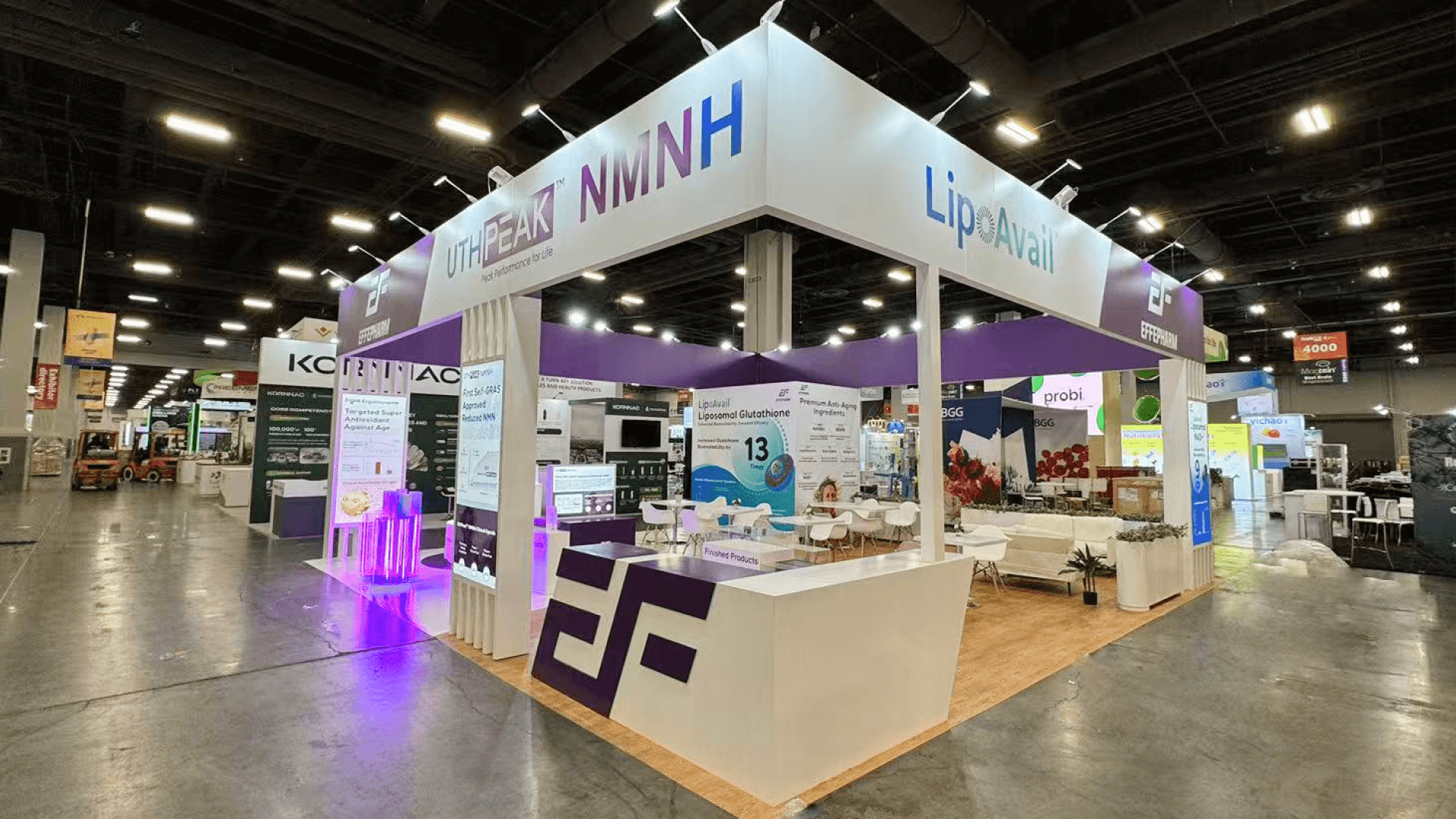
A 20x20 reference becomes more useful when apparel, accessories, circulation, storage, and buyer conversations need clearer separation while several sides of the booth remain accessible.
A larger footprint should solve a real conflict—such as display competing with conversations or storage—not simply create room for more merchandise.
The supplied WWIN package may already cover much of the basic structure, display area, and buyer-conversation needs. In that case,WWIN booth package upgrades can stay focused on the parts that are actually missing or underperforming—such as shelving, storage, graphics, fixtures, or a better order-writing point—rather than rebuilding the whole exhibit.
The display should make the collection easy to read at several stages: before the buyer stops, while the assortment is being reviewed, and when the conversation shifts from discovery to buying.
The aisle-facing message should make the brand and main category understandable before the buyer needs a staff explanation.
Hero pieces should attract attention, but buyers still need enough category depth to understand whether the collection fits their store or customer.
The product display should lead interested buyers toward a conversation or writing point without placing furniture directly in the browsing path.
Backup merchandise, packaging, bags, literature, and staff supplies should remain accessible to the team without becoming part of the buyer-facing presentation.
WWIN brings together more than 1,500 lines from 400+ exhibitors across womenswear, accessories, footwear, menswear, and related wholesale fashion categories.
WWIN runs February 15–17, 2027 at The Expo at World Market Center in Las Vegas.
Retail buyers use the show to discover collections, compare products, meet brands, and move directly into wholesale buying and order-writing conversations.
Not Sure Which Booth Size You Need?
Not every exhibitor knows whether a 10x20, 20x20, 20x30, or larger booth is the right fit. Circle Exhibit can help review your event goals, product display needs, demo areas, meeting space, storage, budget scope, and setup timeline before you choose a booth size.
The Gap Between Browsing and Order Writing
A Booth Buyers Cannot Read Quickly
1
Start With How Buyers Shop the Booth
2
3
4
Use the WWIN Package as the Base
When the supplied structure already works for the collection, exhibitors may only need stronger graphics, better merchandise fixtures, additional storage, or a more useful buyer-conversation point. A Las Vegas trade show booth rental can provide those upgrades without replacing the entire booth structure.
Upgrade the Parts Buyers Actually Use
A project does not need to become fully custom just because the supplied booth feels basic. Product walls, counters, graphics, storage, or selected fixtures can be upgraded where they directly improve buying behavior.
Go Custom When the Assortment Changes the Architecture
Custom fabrication becomes more relevant when several product zones, integrated storage, unusual fixtures, or a stronger architectural brand environment are essential to how the collection is presented.
WWIN move-in is scheduled for February 13–14, and booth-package furnishings are delivered before exhibitors arrive. Check the structure and fixtures before final merchandise is loaded.
WWIN limits booth construction to 8 feet and requires mannequins, racks, and other display elements to remain inside the assigned booth boundary.
Walls, graphics, counters, racks, flooring, and storage should be ready before the final assortment is styled so merchandise does not slow structural setup.
WWIN 2027 move-out begins February 17 at 6:00 PM. Packing materials can be prepared in advance, but the booth should remain intact until the show officially closes.
Flexible Booth Rental for WWIN Fashion Exhibitors
A rental booth can work well when the WWIN exhibit needs branded walls, apparel or accessory displays, buyer conversation space, concealed storage, and a clean order-writing path without building every element from scratch.
Should WWIN exhibitors display their full assortment?
Usually not at equal priority. Buyers need enough merchandise to judge the line, but hero products and clear category groups are easier to shop than a booth that treats every item as a focal point.
What booth size works for WWIN exhibitors?
How should product display and order-writing space work together?
Does the WWIN booth package solve every display need?
What WWIN setup rules should exhibitors confirm?
READY TO PLAN YOUR NEXT BOOTH?
Let’s Build a Booth That Fits Your Event
Share your event name, booth size, city, timeline, product display needs, and design references. Circle Exhibit will review your project direction and help you choose a rental-friendly or custom exhibit path.
3000+
Booth Projects Supported
50+
U.S. Event Cities
Transparent
Quote Review
For exhibitors showing small-format accessories, gifts, beauty, countertop, or impulse products that need high-SKU merchandising and fast buyer scanning.
For a broader view of retail, apparel, jewelry, consumer-product, and buyer-focused shows that create different merchandising requirements in Las Vegas.
For exhibitors that need more separation between product categories, buyer circulation, storage, and conversations than an inline booth can provide.
For aisle messaging, product-category hierarchy, collection graphics, and branded surfaces that support physical merchandise without competing with it.
For projects that require fabricated exhibit elements, production coordination, custom display components, or more complex installation support.