The Men’s Edit @ WWIN Menswear Booth Planning

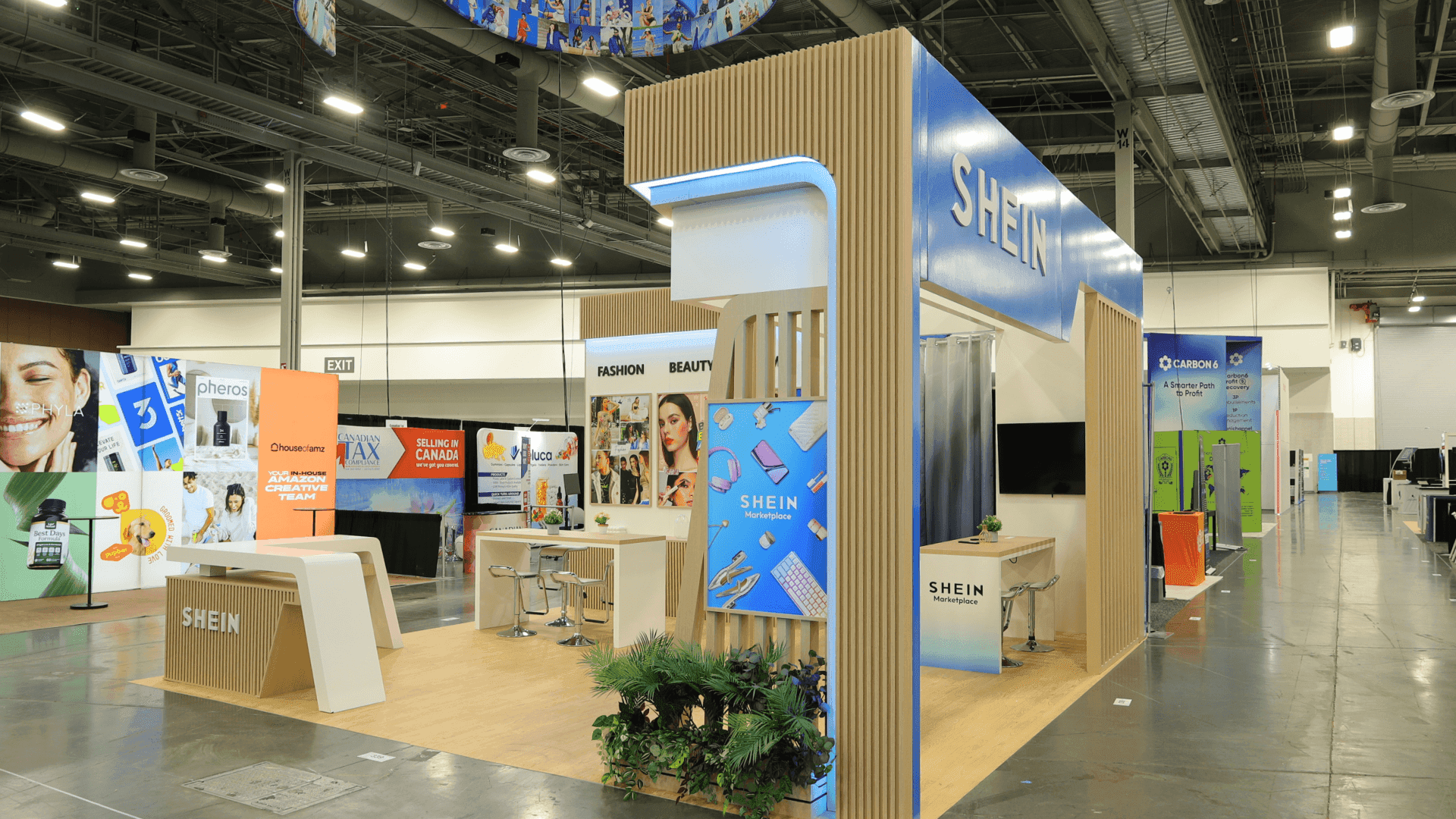
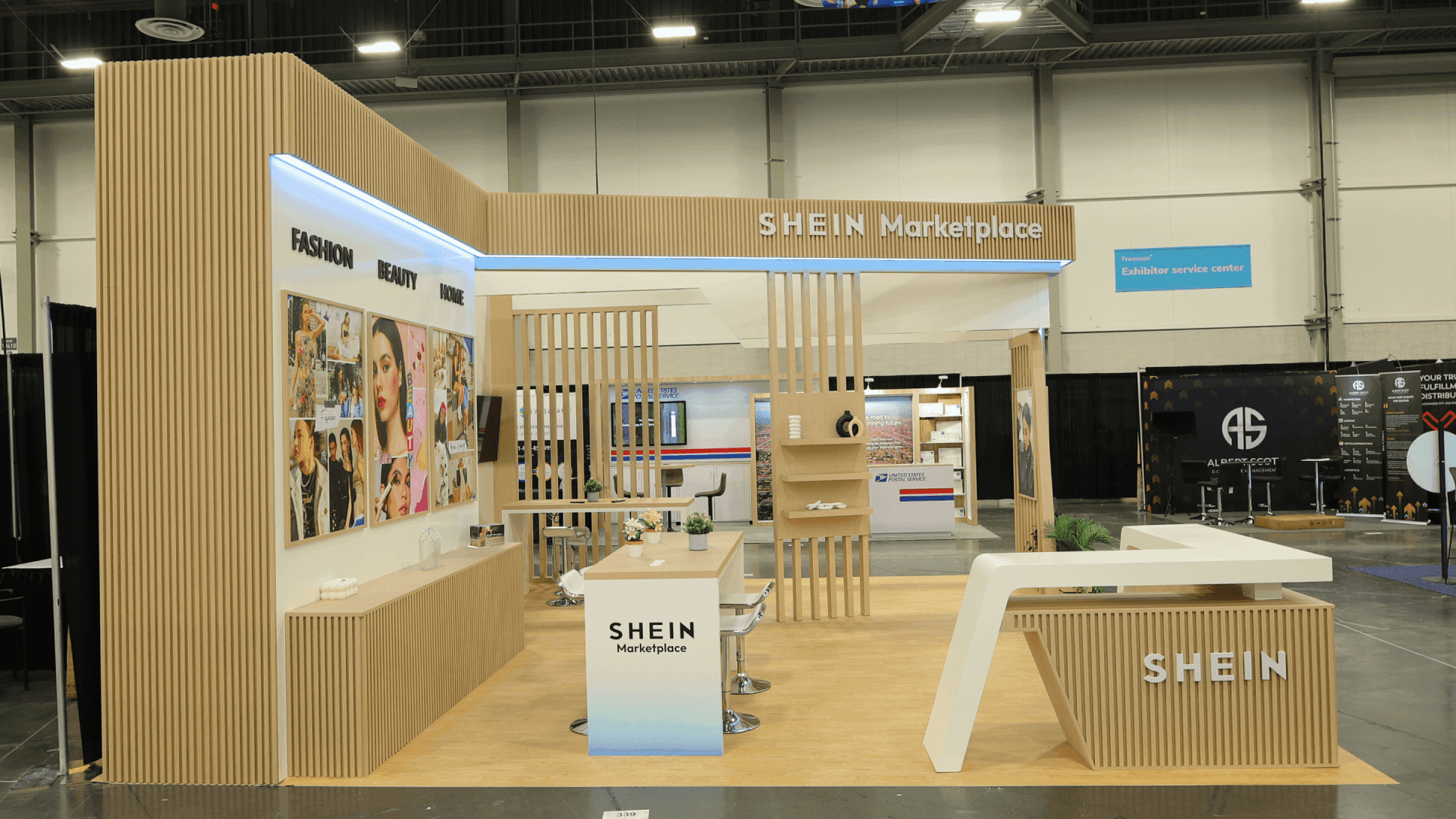

How should exhibitors plan a The Men’s Edit booth?
A The Men’s Edit booth should turn a mixed menswear collection into a clear buying story. Buyers should be able to understand complete looks, inspect individual garments and accessories, compare categories, and move into a business conversation without the booth feeling like visible stock.
The Men’s Edit gives menswear brands a more focused buying environment within WWIN. Exhibitors may need to present tailored apparel, casual pieces, footwear, hats, and accessories together, so the challenge is not simply adding more racks—it is making the collection read as one coordinated offer. The broader WWIN booth planning context still matters for buyer flow, order-writing space, storage, and show-site execution.
A tightly edited capsule may fit comfortably within a 10x20 footprint when the booth uses only a few display methods and one compact conversation point. When mannequins, hanging apparel, footwear, accessories, storage, and buyer discussions need clearer separation, a 20x20 booth gives the collection more room to breathe without breaking it into disconnected zones.
At The Expo at World Market Center, WWIN's 8-foot height limit and booth-boundary rules still shape the layout. Within those constraints, each product family should have the display treatment it needs while the collection remains visually connected from complete looks to individual products.
Why Exhibitors Choose Circle Exhibit
Clear scope, transparent quote review, nationwide booth support, and efficient setup planning for qualified rental and custom exhibit projects.
48hr
Setup Window
10+
Years Since 2014
U.S.
Trade Show Support
Real
Booth Project Proof
Use standard booth sizes only as planning references; the final design must follow the contracted WWIN footprint. Collection breadth, number of display methods, buyer inspection, storage, and conversation needs should determine how much space is functional.
If the contracted footprint is comparable to 10x20, a tighter capsule can work with a few hero looks, accessible hanging, limited footwear or accessories, concealed storage, and one compact conversation point.
More space becomes relevant when several apparel families, footwear, accessories, multiple styled looks, or simultaneous buyer conversations cannot share the same path comfortably.
A footprint comparable to 20x20 gives more room to separate complete looks, hanging apparel, hard-goods display, buyer circulation, storage, and conversation without fragmenting the collection. See 20x20 booth planning.
The strongest reason to increase footprint is not more rack capacity. It is the point where mannequins, garments, footwear, accessories, inspection, storage, and buyer conversation begin competing for the same space.
A menswear collection that combines apparel, footwear, hats, and accessories may need several fixture types even when the supplied booth structure is still usable. Upgrading the WWIN booth package makes the most sense when standard additions can improve product separation, comparison, storage, or buyer interaction without changing the entire exhibit.
The booth should help buyers understand the full collection first, then move easily into the individual garments and supporting categories they want to inspect more closely.
Selected mannequins or styled combinations can establish silhouette, attitude, and collection direction before buyers begin reviewing individual pieces.
Jackets, shirts, outerwear, and suiting should remain accessible enough for buyers to examine fabric, color, finish, and construction.
Shoes, hats, and accessories need their own surfaces so they support the apparel story instead of disappearing inside racks or looking like unrelated add-ons.
Brand and collection graphics should clarify positioning or style families while allowing the physical merchandise to carry most of the product detail.
The Men’s Edit brings suits, footwear, fedoras, accessories, and other menswear collections into a focused buying environment within WWIN.
The Men’s Edit runs with WWIN February 15–17, 2027 at The Expo at World Market Center.
Buyers can review coordinated looks, compare product categories, meet brands, and move from collection discovery into wholesale buying conversations.
Not Sure Which Booth Size You Need?
Not every exhibitor knows whether a 10x20, 20x20, 20x30, or larger booth is the right fit. Circle Exhibit can help review your event goals, product display needs, demo areas, meeting space, storage, budget scope, and setup timeline before you choose a booth size.
One Collection, Several Display Languages
Tailored, Casual, and Lifestyle Need Separation—Not Isolation
1
Edit the Collection Before the Floor Plan
2
3
4
Standard Structure, Stronger Merchandising
A focused collection may not need a fully custom structure. A Las Vegas trade show booth rental can provide branded walls, apparel racks, mannequins, graphics, storage, and a compact conversation area, while leaving the collection itself to carry most of the visual story.
Custom Fixtures for Mixed Product Categories
Purpose-built fixtures become more useful when footwear, accessories, hanging apparel, and storage need to work together as one coordinated display system. Custom elements can help each product category keep its own presentation logic without breaking the collection apart.
Keep the Structure Reusable, Customize the Product Layer
A reusable exhibit structure can still support collection-specific shelving, footwear displays, branded panels, and storage inserts. This approach works well when the main structure can stay standardized but the merchandise needs more tailored presentation.
Finish walls, graphics, racks, shelves, mannequins, footwear surfaces, and storage before loading the booth with the final collection.
Garments and complete looks need a separate finishing window after structural setup so the collection does not open with crushed fabric, uneven racks, or unfinished mannequins.
Replacement garments, extra colors, footwear boxes, and packaging should stay in assigned storage instead of being mixed into the buyer-facing assortment.
Rehang handled garments, restore styled looks, realign footwear and accessories, and refill missing pieces before buyers return to the floor.
Rental Booths for Focused Menswear Collections
For a focused menswear line, a rental structure can support hanging apparel, mannequins, footwear or accessory displays, storage, graphics, and a compact buyer-conversation area while leaving room for collection-specific merchandising.
Should a The Men’s Edit booth lead with complete looks or individual products?
Complete looks work well as the visual entry point, but buyers still need direct access to individual garments and supporting categories before they can judge the line.
How much of a menswear collection should be visible at one time?
Can a 10x20 footprint work for The Men’s Edit?
How should suits, footwear, and accessories share one booth?
Where should backup garments and samples be stored?
READY TO PLAN YOUR NEXT BOOTH?
Let’s Build a Booth That Fits Your Event
Share your event name, booth size, city, timeline, product display needs, and design references. Circle Exhibit will review your project direction and help you choose a rental-friendly or custom exhibit path.
3000+
Booth Projects Supported
50+
U.S. Event Cities
Transparent
Quote Review
For a compact assortment that needs apparel display, limited accessories, storage, and one buyer-conversation point.
For collections that need more separation between complete looks, hanging apparel, footwear, accessories, storage, and buyer discussions.
For brand positioning, style-family messaging, and visual hierarchy that supports physical garments instead of competing with them.
For coordinating exhibit assembly, fixtures, graphics, final merchandising dependencies, and show-close dismantle.
For projects that require integrated racks, shelving, product walls, storage, architectural branding, or other fabricated display components.