SupplySide Mandalay Bay Booth Planning for Exhibitors

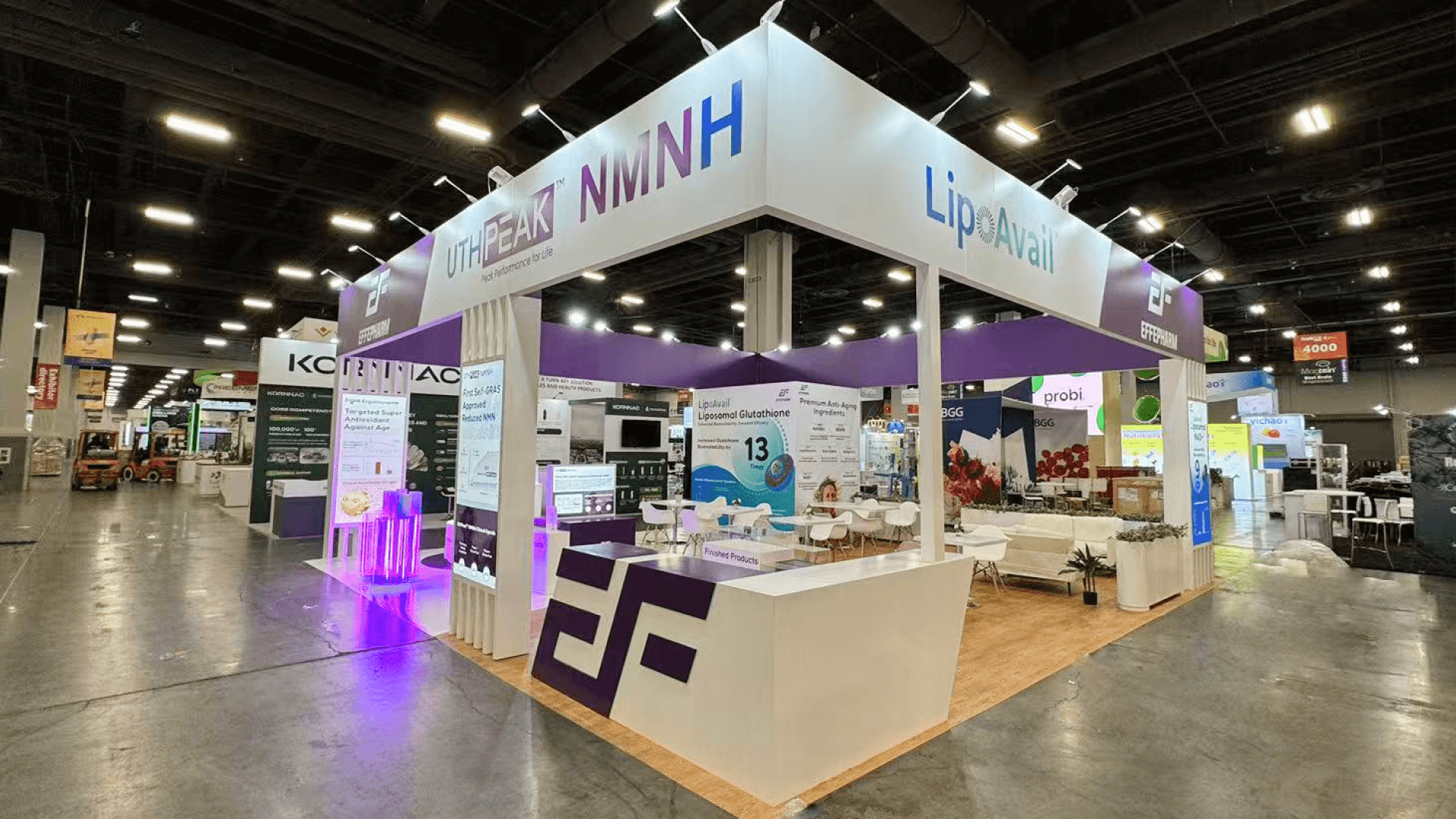
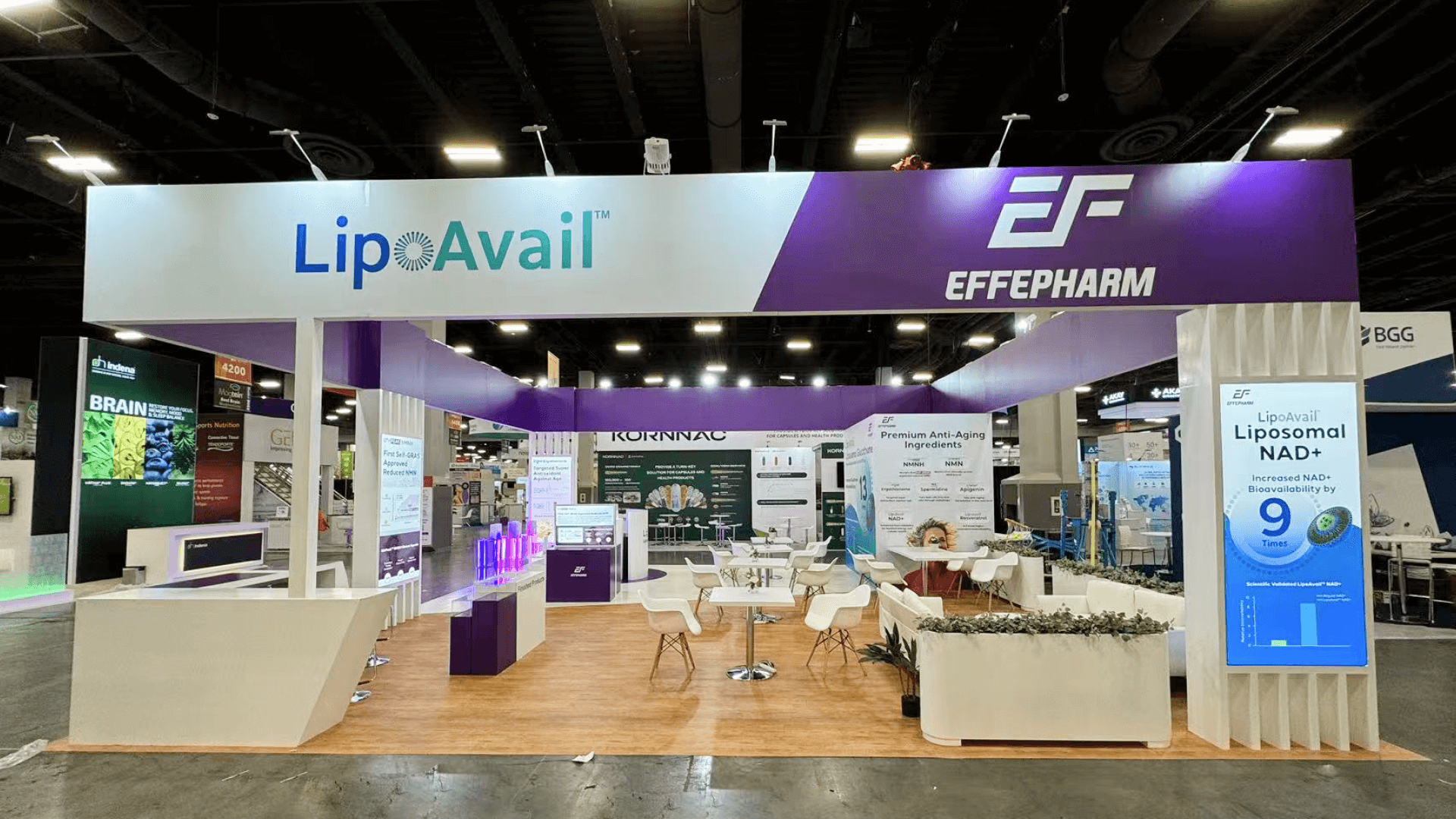

How should exhibitors plan a SupplySide booth at Mandalay Bay?
A SupplySide booth at Mandalay Bay should be planned around move-in timing, freight delivery, material staging, storage access, booth labor coordination, power placement, product display setup, final checks, and show-site readiness. The booth plan should connect logistics with the display layout so products, counters, graphics, meeting areas, and staff materials are ready before the expo hall opens.
A SupplySide Mandalay Bay booth needs more than a finished design file. Exhibitors should know how booth materials, product samples, counters, graphics, storage items, and staff tools will arrive, where they will be staged, and how the booth will be checked before show traffic begins.
For ingredient, supplement, functional food, and packaging exhibitors, Mandalay Bay setup planning should connect freight timing, material handling, power placement, storage access, product display layout, labor coordination, and final show-site checks. Working with SupplySide booth builder support can help align booth structure, logistics, installation, graphics, and on-site adjustments around the venue setup process.
This page focuses on Mandalay Bay booth setup, move-in planning, freight timing, storage access, booth labor coordination, power placement, and final setup checks. For broader event planning, booth size choices, rental options, and SupplySide Global booth strategy, use SupplySide Global booth planning.
Why Exhibitors Choose Circle Exhibit
Clear scope, transparent quote review, nationwide booth support, and efficient setup planning for qualified rental and custom exhibit projects.
48hr
Setup Window
10+
Years Since 2014
U.S.
Trade Show Support
Real
Booth Project Proof
SupplySide booth size at Mandalay Bay should be chosen with setup needs in mind. Larger booths may need more freight planning, storage access, labor coordination, power placement, and final checks, while smaller booths still need a clear setup path for products, counters, and graphics.
A 10x20 SupplySide booth can be practical when the exhibitor has a focused product display, one counter, light storage, and simple graphics. Setup planning should still confirm material arrival, counter placement, staff supplies, and storage before opening. For inline layouts, review 10x20 booth planning.
A 20x30 booth often needs more coordination for displays, meeting areas, storage, graphics, and staff materials. This size can work well when move-in planning, labor timing, and setup sequence are confirmed before materials reach the show floor. For larger planning, review 20x30 trade show booth planning.
A 20x20 booth gives more room for product counters, storage, lead capture, and short buyer conversations. At Mandalay Bay, this footprint should be planned around freight staging, power needs, product placement, and final setup checks. For this footprint, see 20x20 trade show booth planning.
An island booth may require stronger freight coordination, overhead branding checks, multiple product zones, storage access, power planning, and a more detailed installation sequence. The setup plan should define what arrives first, what gets installed first, and what must be checked before the booth opens.
These related planning articles help exhibitors think through Mandalay Bay setup questions before SupplySide Global: when booth materials should be ready, how move-in details should be organized, where storage access matters, and what final checks should happen before the show opens. The main article, Mandalay Bay Booth Setup Checklist for SupplySide Global Exhibitors, covers move-in planning, freight timing, booth setup sequence, storage access, common setup mistakes, and practical FAQ for exhibitors. Additional articles can compare booth size needs for teams deciding how much space they need for product counters, meeting areas, storage, and staff movement. Another article can explain how logistics and pre-show coordination helps keep material staging, installation details, booth labor coordination, and final show-site checks organized at Mandalay Bay.
SupplySide Mandalay Bay booth planning should connect venue setup details with the product display experience. Exhibitors need a layout that can be installed, stocked, checked, and operated smoothly during show days.
Move-in planning should define when booth materials, product samples, graphics, counters, meeting furniture, and staff supplies arrive. Clear freight timing helps avoid rushed setup and reduces the chance that product displays are assembled out of sequence.
Booths need space for backup samples, packaging, literature, staff materials, and tools. Storage access should be planned before setup so materials can be restocked or removed without blocking counters, meetings, or visitor flow.
Product displays, screens, lead capture devices, refrigerators, counters, and demo equipment may need early power planning. Logistics and pre-show coordination helps align power placement, material staging, and final booth checks before the hall opens.
The final setup check should confirm graphics, counters, product placement, storage, power, staff materials, lead capture, and visitor flow. These checks help the booth open cleanly and reduce last-minute fixes during busy show traffic.
SupplySide booths at Mandalay Bay need planning for move-in timing, material handling, freight staging, product display setup, storage access, and final booth readiness before the expo hall opens.
Ingredient, supplement, and functional food exhibitors often bring samples, packaging, literature, counters, graphics, and staff materials. These items should be staged and stored so the booth remains clean during show traffic.
Booth setup may involve labor timing, power placement, screen checks, counter installation, product placement, and final safety checks. These details should be confirmed before show opening.
Not Sure Which Booth Size You Need?
Not every exhibitor knows whether a 10x20, 20x20, 20x30, or larger booth is the right fit. Circle Exhibit can help review your event goals, product display needs, demo areas, meeting space, storage, budget scope, and setup timeline before you choose a booth size.
Managing Freight and Product Materials
Keeping Storage Accessible
1
Confirm the Setup Scope
2
3
4
Rental Booth Option for Focused Mandalay Bay Setup A rental-based booth can work when the exhibitor needs branded graphics, one or two counters, product display support, light storage, lead capture, and a practical setup path. This option is best when the layout is simple and the booth does not require custom product structures or complex hidden storage. For this direction, review Las Vegas trade show booth rental.
Custom Build Support for Complex Show-Site Setup Custom support is stronger when the booth needs multiple counters, integrated storage, product zones, special display structures, power coordination, controlled traffic flow, or a detailed installation sequence. In these cases, booth fabrication and show-site execution helps keep logistics, graphics, storage, and installation aligned.
Choosing Based on Setup Risk and Material Volume Choose based on how many materials, samples, counters, screens, and storage items need to be managed. If the booth setup is simple, rental may be enough. If the team needs more control over timing, placement, storage, and final checks, custom support may be safer.
Booth materials, counters, graphics, product samples, literature, and staff supplies should be packed and labeled so the setup team can identify what belongs on display, in storage, or in staff-only areas.
Storage should support restocking and staff needs without interfering with visitors. Backup products, packaging, cleaning items, literature, and lead capture materials should have assigned locations.
Power needs should be confirmed for screens, devices, lighting, counters, demo equipment, refrigeration needs, and lead capture tools. Cable paths should stay safe and away from visitor movement.
Before opening, the team should check booth structure, graphics, counters, product display, storage access, power, staff positions, lead capture, and visitor flow. <a href="/services/logistics-pre-show-coordination"><strong>Logistics and pre-show coordination</strong></a> helps keep these setup details aligned before opening.
For exhibitors planning a SupplySide Mandalay Bay booth, these related pages help separate venue setup from other SupplySide booth planning needs: SupplySide Global booth planning for the main event hub, 20x20 trade show booth planning for focused setup layouts, Las Vegas trade show booth rental for rental-based booth options, and logistics and pre-show coordination for freight timing, storage, and final setup checks.
Need a Flexible SupplySide Mandalay Bay Booth Rental?
A rental-based booth can work when a SupplySide Mandalay Bay booth needs branded graphics, product counters, light storage, lead capture, and a practical show-site setup path. This option is best when the booth layout is focused and the setup does not require complex custom structures, special product mounts, or heavy hidden storage.
What should exhibitors prepare for SupplySide booth setup at Mandalay Bay?
Exhibitors should prepare booth materials, product samples, graphics, counters, storage items, lead capture tools, staff supplies, power needs, and final setup checks before the show opens. These details help the booth stay organized during move-in and show days.
Why is move-in planning important for SupplySide Global?
Is Mandalay Bay booth setup different for larger booths?
How should exhibitors plan storage for a SupplySide booth?
What final checks should happen before the booth opens?
READY TO PLAN YOUR NEXT BOOTH?
Let’s Build a Booth That Fits Your Event
Share your event name, booth size, city, timeline, product display needs, and design references. Circle Exhibit will review your project direction and help you choose a rental-friendly or custom exhibit path.
3000+
Booth Projects Supported
50+
U.S. Event Cities
Transparent
Quote Review
Use the main SupplySide Global event page for broader booth planning, booth size choices, rental vs custom build decisions, event context, and related project references.
For exhibitors that need booth structure, fabrication, logistics, installation, storage planning, graphics, and show-site execution aligned around Mandalay Bay setup.
For exhibitors planning product counters, storage, lead capture, and a focused booth setup path at Mandalay Bay.
For exhibitors that need a flexible rental-based booth with branded graphics, counters, storage, and practical show-site setup support.
For exhibitors that need pre-show coordination, freight timing, storage planning, material staging, power placement, and final readiness checks.