Why Mandalay Bay Setup Planning Matters for SupplySide Exhibitors
A SupplySide booth can look simple in the design file but still depend on many setup details: freight timing, move-in access, product material handling, electrical, AV, graphics, counters, storage, and final handoff.
SupplySide Mandalay Bay booth planning should focus on how the booth gets installed, checked, stocked, and ready before the show opens. This article is about setup, not one product display type.

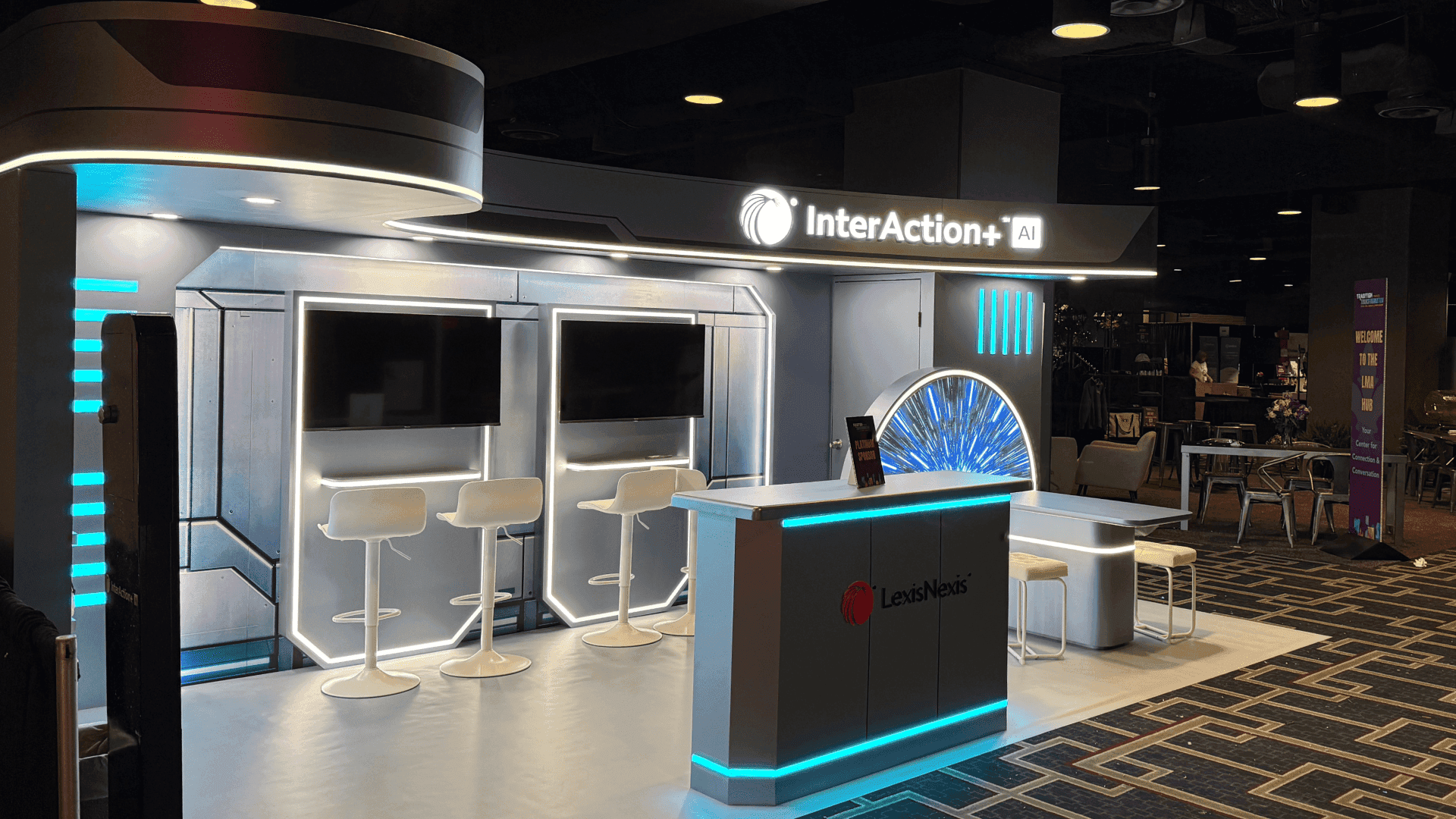
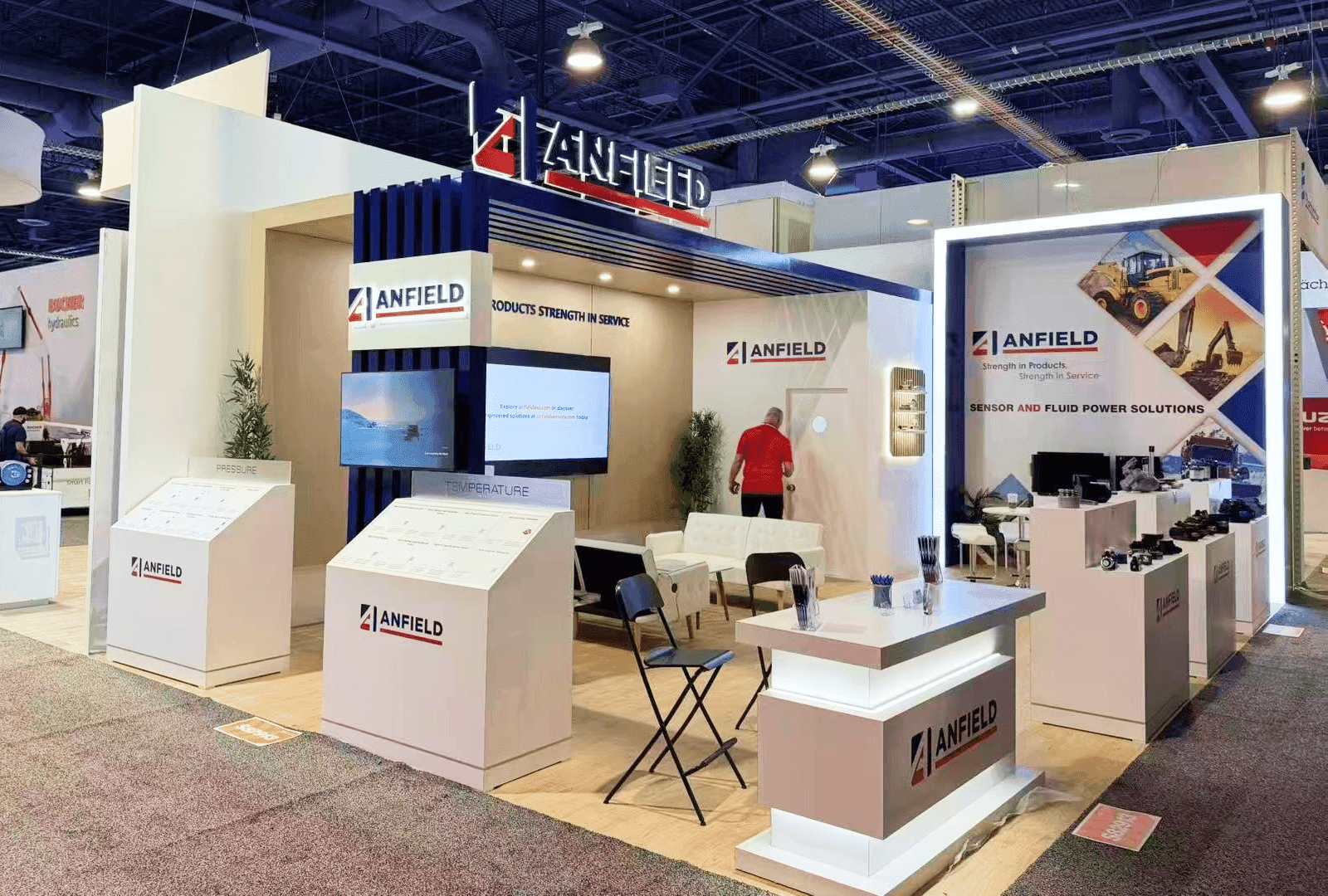
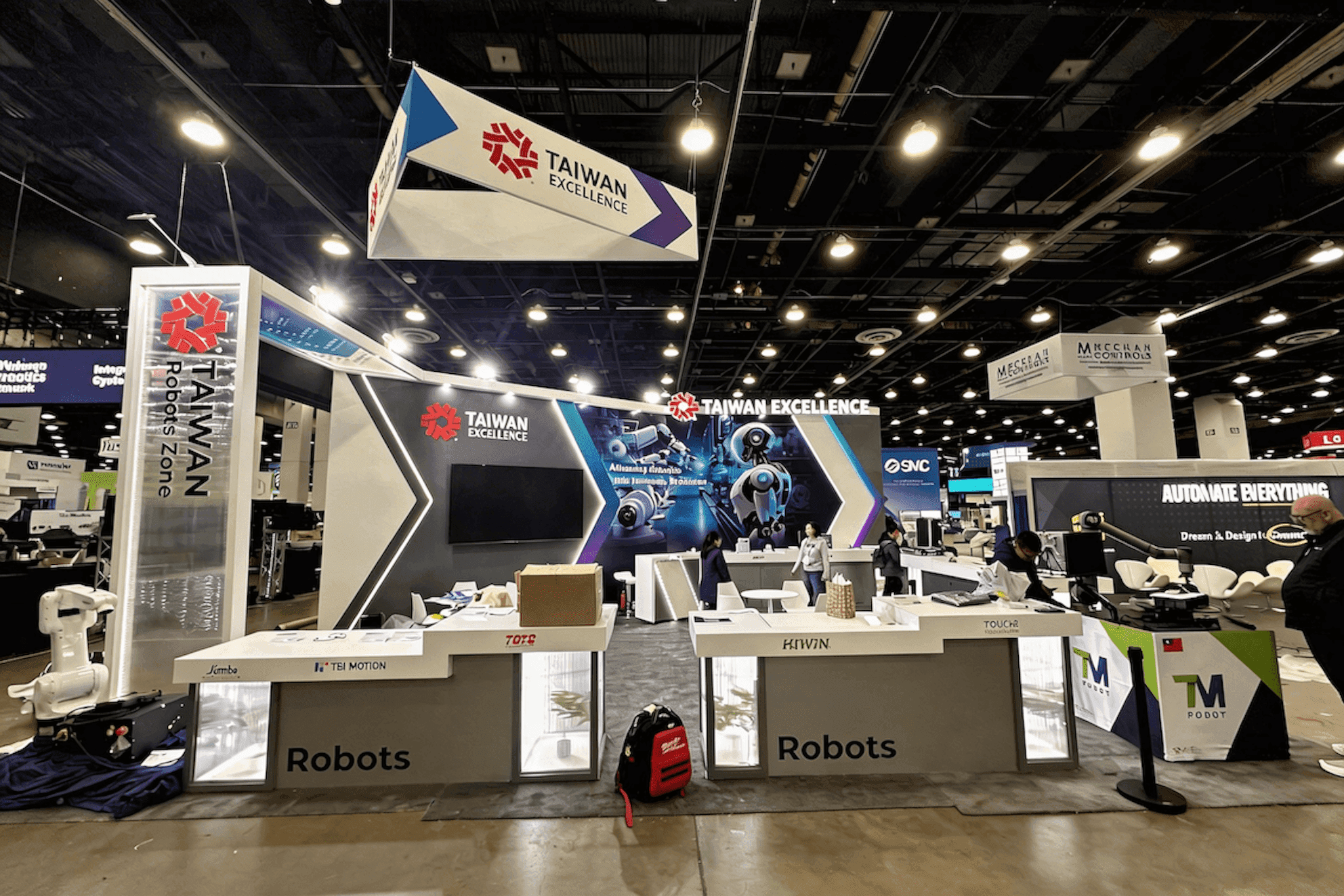
A Mandalay Bay booth setup plan should begin with booth structure, product display placement, setup timing, and pre-show preparation so the space is ready before final installation starts.
What Should Exhibitors Check Before Move-In?
Before move-in, exhibitors should confirm what is shipping, what arrives with staff, what needs installation, and what must be tested before the first show day. Small mistakes in these details can affect the booth even if the design is finished.
Setup Item | Why It Matters |
|---|---|
Freight timing | Prevents booth parts or samples from arriving late |
Graphics | Needs correct size, finish, and install sequence |
Electrical and AV | Supports screens, counters, lighting, and demos |
Storage plan | Keeps samples, materials, and supplies organized |
Final handoff | Confirms the booth is clean, tested, and ready |

Freight timing, drayage coordination, and move-in preparation should be reviewed early so booth materials, product displays, and setup work arrive in the right sequence.
How Should Freight and Drayage Be Planned?
Freight planning should begin before production is finished. Exhibitors should know which booth components ship together, what needs protection, which materials are time-sensitive, and what must be accessible first during setup.
For SupplySide exhibitors, product samples, packaging, printed materials, counters, and graphics may not all move the same way. A clean logistics plan helps the setup team know what should arrive, where it goes, and when it needs to be available.
logistics and pre-show coordination is useful when the booth has sample materials, graphics, counters, and show-site timing that need to be coordinated before move-in.
What Power, AV, and Display Items Should Be Confirmed?
Power and AV should be reviewed with the booth layout. Screens, lightboxes, refrigeration, demo equipment, charging stations, or digital product displays all affect where counters and visitor areas should sit.
The booth team should confirm screen locations, cable paths, electrical placement, and any equipment that needs to be tested before show opening. A screen that works in the design file can still fail if the power plan or installation sequence is unclear.

Final booth handoff should include AV checks, product display review, graphics inspection, lighting confirmation, and a last walk-through before the show opens.
How Should Booth Graphics Be Checked During Setup?
Graphics should be checked for size, position, readability, and lighting after installation. A booth can lose clarity if the product message is blocked by a counter, too low, too small, or hidden behind visitor traffic.
For exhibitors with product category messaging, ingredient visuals, or packaging displays, the final graphics check is not a small detail. It confirms that visitors can understand the booth from the aisle.
What Should Be Checked During Final Booth Handoff?
Final booth handoff should happen before staff get busy with show preparation. The team should walk the booth from the visitor side and the staff side.
Useful handoff checks include booth structure, graphics, counters, storage, product materials, lighting, AV, electrical, lead capture tools, cleaning, and sample placement. If staff need to test a demo or organize product materials, that should happen before show opening.
When Does Builder or Installation Support Matter?
More complex booths need more than delivery. They may need structural checks, installation sequencing, graphics alignment, counter placement, AV testing, and final cleaning. For exhibitors that need deeper show-site execution, Las Vegas trade show booth builder support can help connect design, production, and installation.
For booth assembly and teardown details, on-site installation and dismantle support can help keep the setup sequence and final booth handoff organized.
Common Setup Questions SupplySide Exhibitors Ask
How early should booth graphics and product samples arrive?
They should arrive early enough to be checked, sorted, and placed before final booth handoff. Graphics need installation time, while samples may need storage and staff organization.
What setup mistakes should exhibitors avoid?
Common mistakes include late freight, missing graphics, unclear storage plans, untested AV, blocked product messaging, and no final walkthrough before show opening.
Should the booth be checked from the aisle?
Yes. The aisle view is how most visitors first understand the booth. Staff should check whether the main message, product display, and counter placement make sense from that angle.
FAQ
What should exhibitors check before setting up a SupplySide booth at Mandalay Bay?
They should check freight timing, graphics, counters, product materials, storage, electrical, AV, installation sequence, cleaning, and final booth handoff.
What move-in details matter for SupplySide exhibitors?
Freight arrival, product sample handling, graphics installation, counter placement, storage access, and AV testing all matter before the booth opens.
How should freight and drayage be planned?
Exhibitors should confirm what ships, when it arrives, what needs protection, and which materials must be available first during booth setup.
What should be checked during final booth handoff?
The team should check booth structure, graphics, lighting, screens, power, counters, storage, product materials, cleaning, and staff readiness.
Does every SupplySide booth need builder support?
No. Simple booths may only need a clean rental setup. Builder or installation support matters more when the booth has custom structure, multiple graphics, AV, or a complex show-site sequence.
Related Planning Links
SupplySide Mandalay Bay booth planning
Use this page when the booth needs move-in timing, freight and drayage planning, power checks, AV checks, and final handoff.
SupplySide Global booth planning
Use this main event page to connect SupplySide exhibitor type, booth size, product display, and Las Vegas setup requirements.
Mandalay Bay Convention Center booth planning
Use this venue page when setup, venue context, and show-site planning need to connect to Mandalay Bay.
logistics and pre-show coordination
Use this service page when freight timing, move-in planning, sample storage, and booth handoff need coordination.
on-site installation and dismantle support
Use this service page when booth assembly, final setup, dismantle timing, and show-site handoff need stronger execution support.
Final Takeaway
A SupplySide booth at Mandalay Bay should be planned beyond the design file. Confirm freight, graphics, counters, product materials, power, AV, storage, installation sequence, and final handoff early so the booth is ready before visitors arrive.