SupplySide Ingredient Sampling Booth Planning for Exhibitors


How should exhibitors plan a SupplySide ingredient sampling booth?
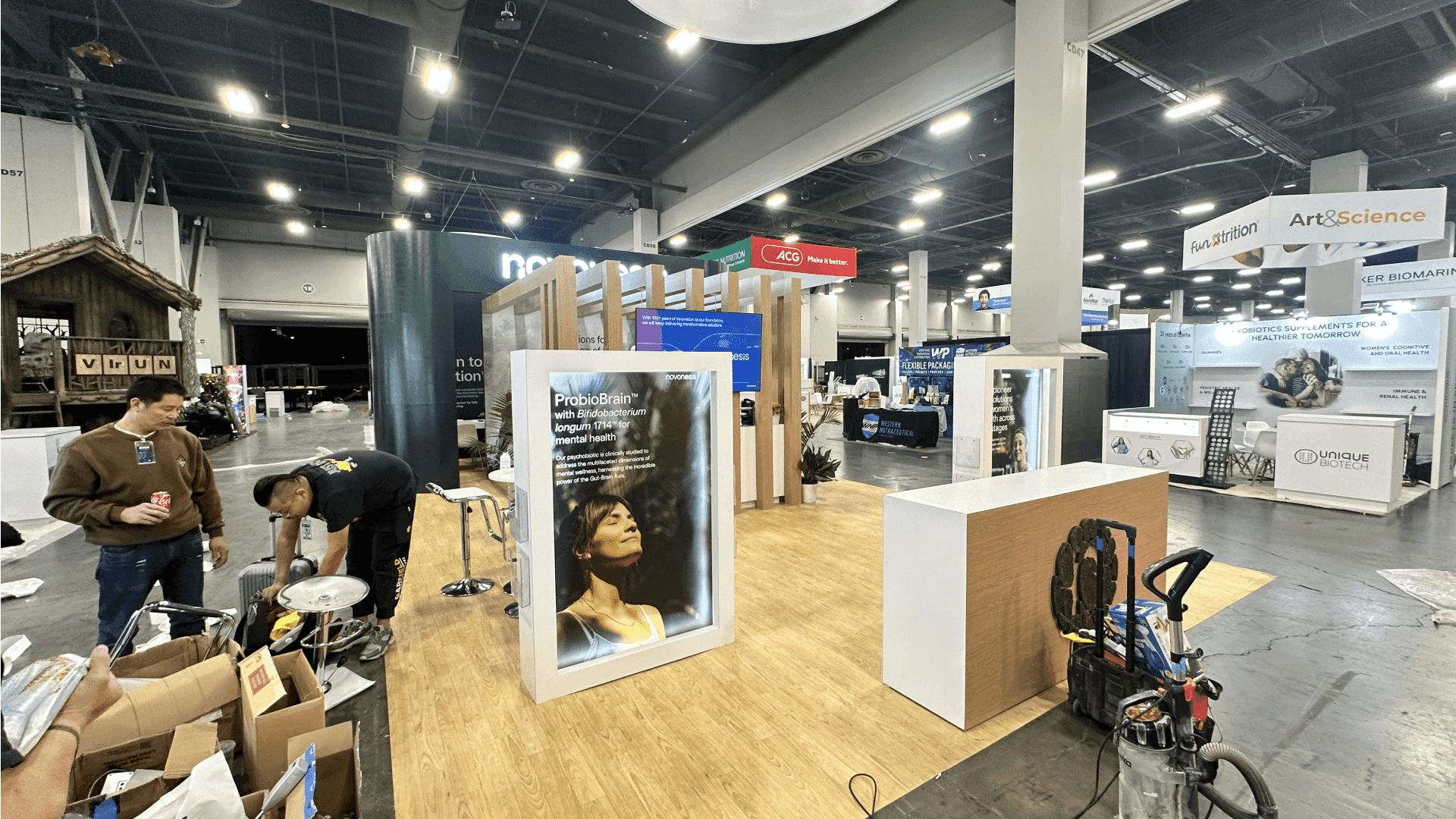
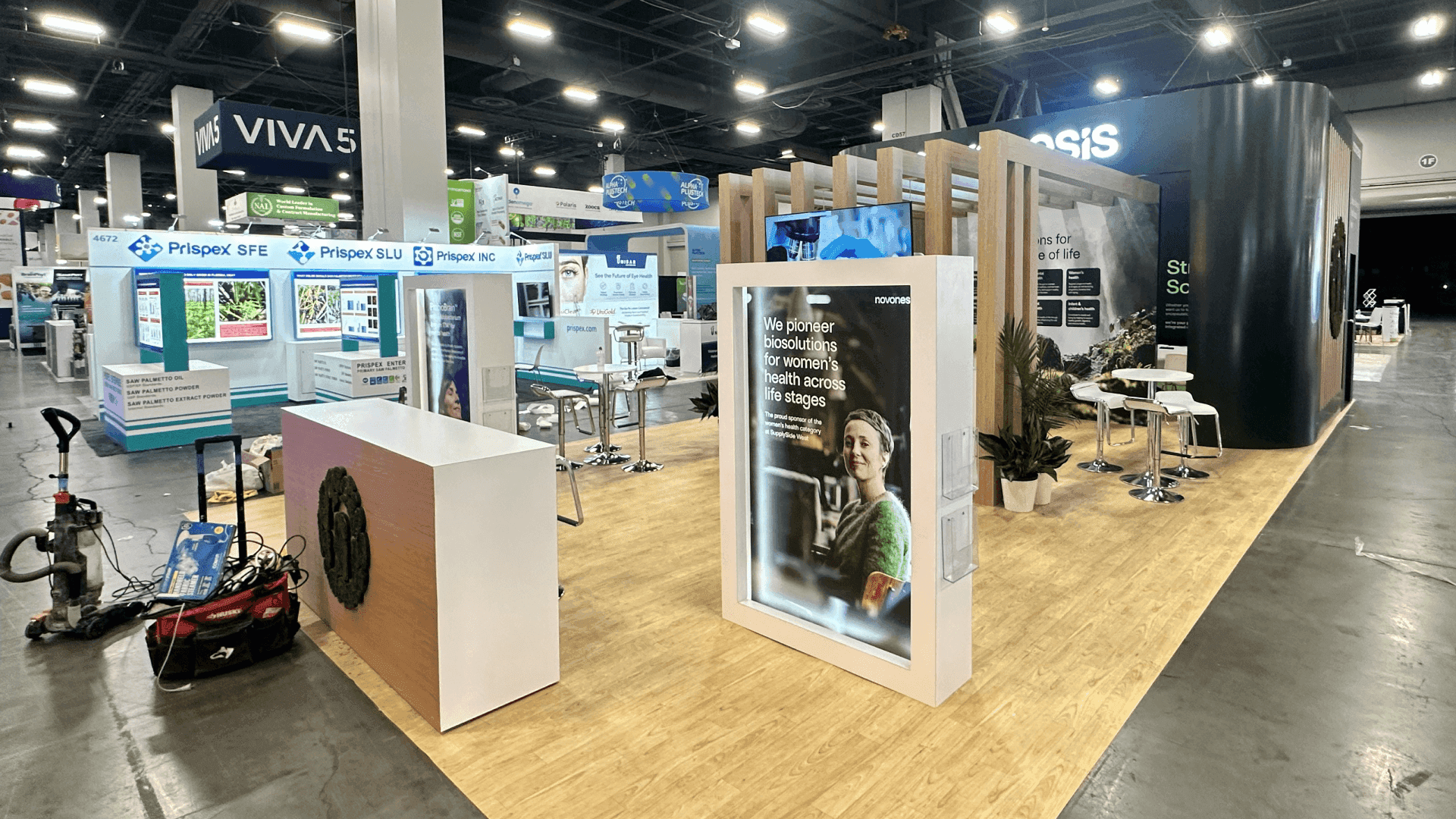
A SupplySide ingredient sampling booth should be planned around sample counter layout, buyer tasting flow, ingredient jar display, sample cup preparation, sample storage, label visibility, staff handoff, cleanup space, and show-site setup. The booth should help buyers understand the ingredient, taste or review the sample, ask questions, and move into a useful follow-up conversation without crowding the aisle.
A SupplySide ingredient sampling booth needs to do more than place samples on a counter. Buyers should quickly understand what the ingredient is, how it is used, where to taste or review the sample, and who to speak with next. Working with Las Vegas trade show booth builders can help connect booth structure, branded graphics, logistics, and show-site setup around that sampling path.
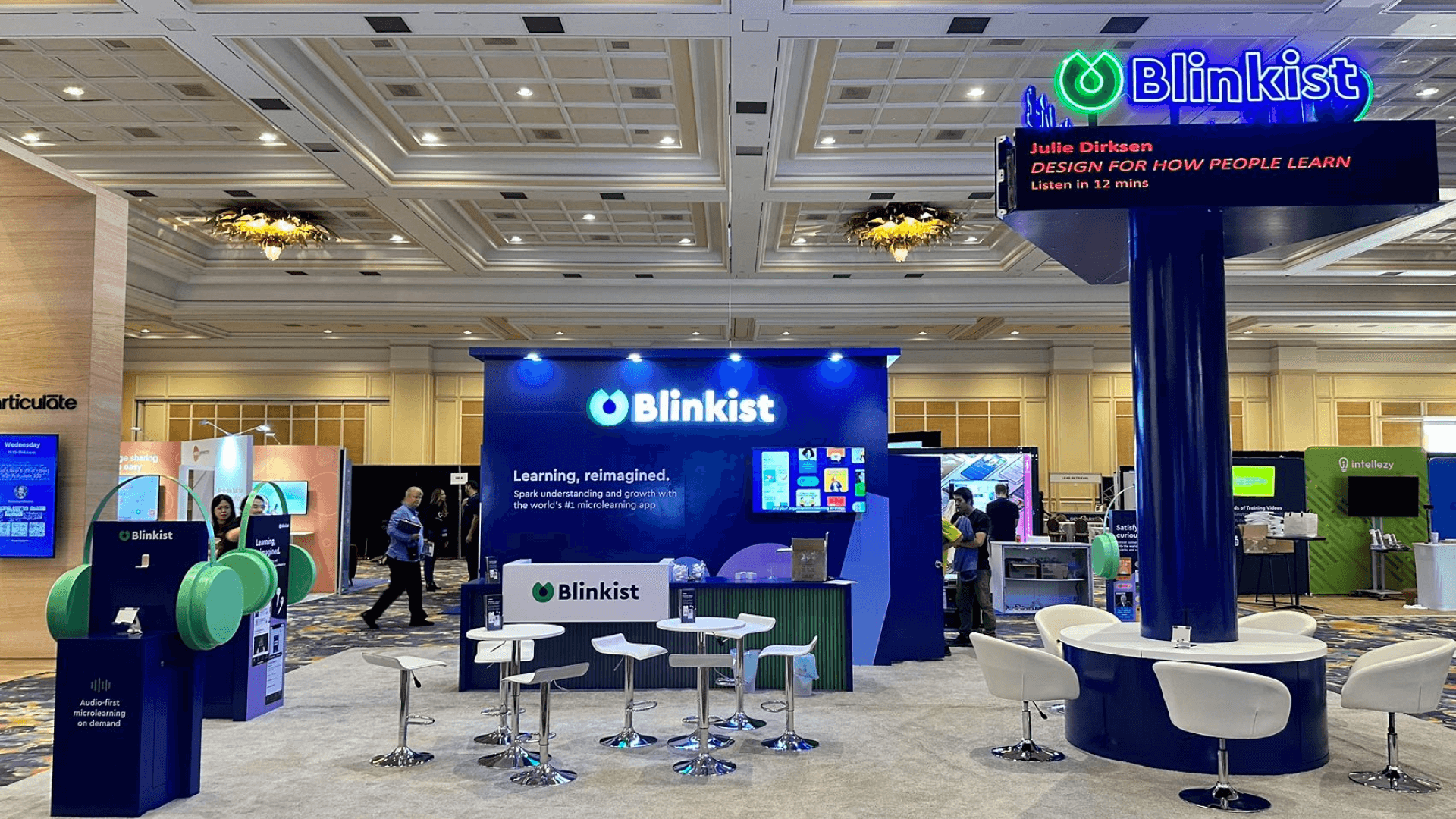
For exhibitors using a rental-based sampling layout, Las Vegas trade show booth rental can help connect branded counters, ingredient displays, sample storage, graphics, lead capture, and practical Mandalay Bay setup support. When the booth needs more control over counter placement, storage access, branded surfaces, and installation, booth fabrication and show-site execution can help align the full sampling experience.
This page focuses on ingredient sampling booth planning, sample counter layout, buyer tasting flow, sample storage, label visibility, staff handoff, and Mandalay Bay show-site setup. For broader event planning, booth size choices, rental options, and SupplySide Global booth strategy, use SupplySide Global booth planning.
Why Exhibitors Choose Circle Exhibit
Clear scope, transparent quote review, nationwide booth support, and efficient setup planning for qualified rental and custom exhibit projects.
48hr
Setup Window
10+
Years Since 2014
U.S.
Trade Show Support
Real
Booth Project Proof
Ingredient sampling booth size should be chosen around the number of samples, counter space, storage needs, staff positions, buyer flow, and whether the team needs room for tasting, product education, or follow-up conversations. The booth should keep sampling easy to understand without letting the counter block the aisle.
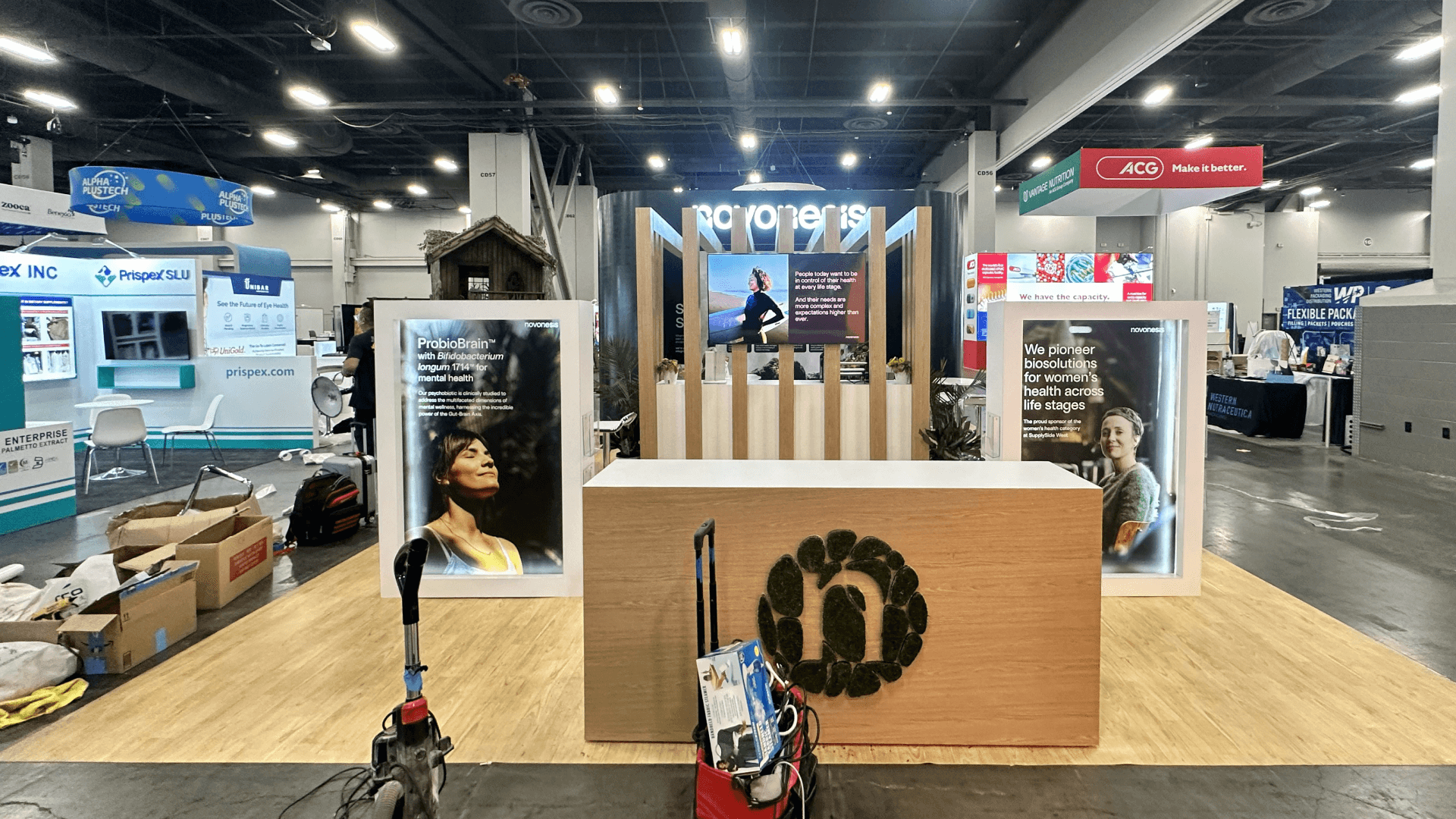
A 10x20 SupplySide sampling booth can work when the exhibitor needs one clear sample counter, a short product message, light storage, and a simple staff-led tasting flow. This layout should keep the sample point visible and avoid overloading the backwall with too many ingredient claims. For inline layouts, review 10x20 booth planning.
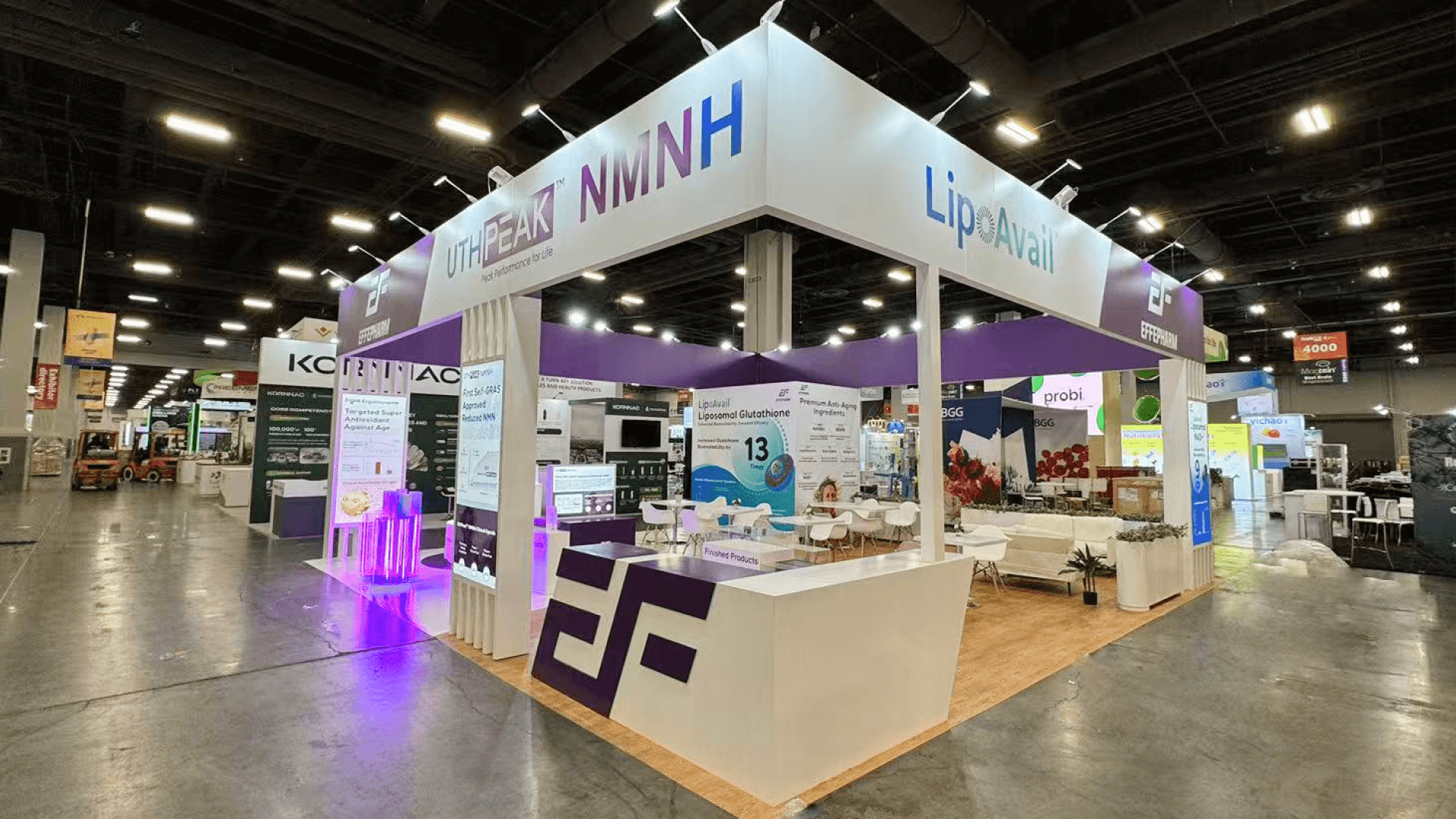
A 20x30 SupplySide sampling layout is useful when the exhibitor has multiple ingredient samples, separate tasting points, stronger graphics, more storage, and a clearer buyer flow. This size can support one side for sampling and another side for buyer questions, sample requests, or product development conversations. For larger planning, review 20x30 trade show booth planning.
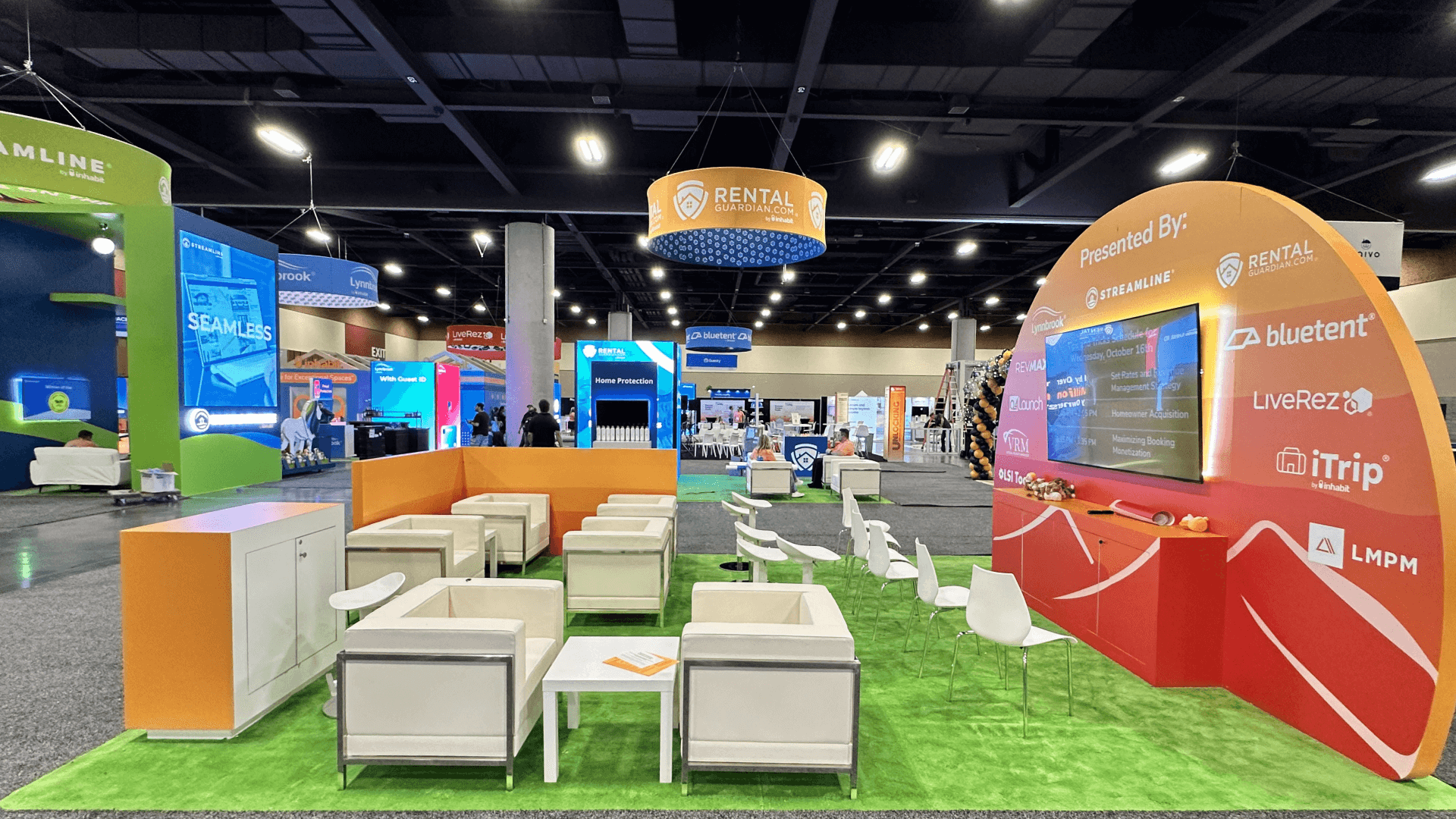
A 20x20 ingredient sampling booth gives more room for sample cups, ingredient jars, product labels, staff handoff, storage, lead capture, and a small discussion area. This footprint works well when buyers need to taste, compare, ask questions, and move into a short formulation or sourcing conversation. For this footprint, see 20x20 trade show booth planning.
An island booth can work when the sampling program needs several counters, stronger aisle visibility, product category separation, storage access, staff movement, and better traffic control around tasting points. The layout should be planned around where buyers stop, where samples are prepared, where staff answer questions, and where follow-up conversations happen.
These related planning articles help ingredient exhibitors think through common booth questions before SupplySide Global: how to set up a sample counter, where buyers should taste or review samples, how much storage is needed, and how staff should move visitors from sampling to conversation. The main article, How to Plan an Ingredient Sampling Booth for SupplySide Global, covers sample counter layout, buyer tasting flow, ingredient jar display, sample cup preparation, common setup mistakes, and practical FAQ for exhibitors. Additional articles can compare 20x20 and 20x30 booth layouts for teams deciding how much space they need for sample counters, storage, lead capture, and buyer discussions. Another article can explain how logistics and pre-show coordination helps keep sample materials, counter setup, storage access, and final show-site checks organized before the booth opens.
SupplySide ingredient sampling booths need to make the sample easy to find, easy to understand, and easy to discuss. The booth should support tasting or sample review while keeping labels, ingredients, storage, staff positions, and buyer movement clear.
The sample counter should be visible from the aisle but not placed where it blocks traffic. Cups, jars, trays, utensils, product cards, lead capture tools, and staff positions should be arranged so buyers can sample, ask a first question, and move forward without creating a bottleneck.
Buyer tasting flow should be short and easy to follow. A visitor should know where to stop, what to taste, what the ingredient is used for, and who can answer the next question. The booth should give staff a clear way to move interested buyers from sampling into a sourcing or formulation discussion.
Ingredient jars, sample containers, product labels, category signs, and benefit messaging should be easy to read at close range. Strong graphics and brand presentation helps connect sample names, ingredient categories, product claims, and booth messaging without overcrowding the display.
Sampling booths need practical storage for backup samples, cups, trays, packaging, literature, cleaning supplies, and staff materials. The booth should also have a simple reset path so staff can restock samples without interrupting buyer conversations or blocking the main counter.
SupplySide ingredient sampling booths often need to support tasting, sample review, product education, sourcing questions, and buyer follow-up in a busy show environment. The booth should make the sample point, ingredient category, and next step clear from the aisle.
Many visitors are looking for ingredients, suppliers, formulation ideas, product development partners, or new sourcing options. Sampling booths should help buyers understand the ingredient quickly and move into a useful conversation when interest is clear.
Ingredient sampling booths need more behind-the-scenes planning than a simple product display. Backup samples, cups, trays, labels, cleaning items, literature, staff materials, and setup timing should be confirmed before the booth opens.
Not Sure Which Booth Size You Need?
Not every exhibitor knows whether a 10x20, 20x20, 20x30, or larger booth is the right fit. Circle Exhibit can help review your event goals, product display needs, demo areas, meeting space, storage, budget scope, and setup timeline before you choose a booth size.
Managing Buyer Tasting Flow
Explaining Ingredient Value Quickly
1
Define the Sampling Goal
2
3
4
Rental Booth Option for Focused Ingredient Sampling
A rental-based booth can work when the exhibitor needs branded graphics, one main sample counter, light storage, lead capture, and a practical setup path for focused ingredient sampling. This option is best when the sampling flow is simple and the booth does not require special counters, hidden storage, or custom product display structures. For this direction, review Las Vegas trade show booth rental.
Custom Build Support for Sampling Counters and Storage
Custom build support is stronger when the booth needs multiple sample points, custom counters, hidden storage, product category displays, controlled traffic flow, or a cleaner restocking path. In these cases, booth fabrication and show-site execution helps keep sampling, graphics, storage, logistics, and installation aligned.
Choosing Based on Buyer Flow and Sample Volume
Choose based on how buyers will move through the sample experience. If the booth only needs one clear counter and a simple staff explanation, rental may be enough. If the team needs several samples, more storage, better counter control, and smoother buyer handoff, custom support may be safer.
Sample cups, ingredient jars, trays, product cards, labels, utensils, and display materials should be packed, labeled, and matched to the booth layout before setup begins. Staff should know which items stay on the counter and which items stay in storage.
Ingredient sampling booths need storage for backup samples, packaging, literature, cups, trays, cleaning items, staff supplies, and lead capture materials. Storage should be easy for staff to reach but kept out of the main visitor path.
Sampling points should leave enough space for buyers to pause, taste, ask a first question, and move away from the aisle. The booth should avoid placing the most active sample point where it blocks nearby traffic or staff movement.
Before opening, the team should check sample placement, label visibility, counter organization, storage access, staff positions, lead capture, cleanup materials, and buyer flow. Logistics and pre-show coordination helps keep these sampling booth details aligned before opening.
For exhibitors planning a SupplySide ingredient sampling booth, these related pages help separate sampling flow from other SupplySide booth planning needs: SupplySide Global booth planning for the main event hub, 20x20 trade show booth planning for focused sampling layouts, graphics and brand presentation for ingredient labels and sample messaging, and logistics and pre-show coordination for storage, restocking, and setup planning.
Need a Flexible SupplySide Ingredient Sampling Booth Rental?
A rental-based booth can work when a SupplySide ingredient sampling booth needs branded graphics, one clear sample counter, product labels, light storage, lead capture, and a practical show-site setup path. This option is best when the sampling flow is simple and the booth does not require several custom counters or complex hidden storage.
What is a SupplySide ingredient sampling booth?
A SupplySide ingredient sampling booth is planned around sample counters, ingredient jars, tasting flow, product labels, storage, staff handoff, and buyer conversations. It helps visitors understand the ingredient, review or taste the sample, ask questions, and move into a sourcing or formulation discussion.
What should be placed on an ingredient sampling counter?
How can exhibitors avoid crowding around a sampling booth?
Is a 20x20 booth enough for SupplySide ingredient sampling?
How should exhibitors prepare sample storage before SupplySide Global?
READY TO PLAN YOUR NEXT BOOTH?
Let’s Build a Booth That Fits Your Event
Share your event name, booth size, city, timeline, product display needs, and design references. Circle Exhibit will review your project direction and help you choose a rental-friendly or custom exhibit path.
3000+
Booth Projects Supported
50+
U.S. Event Cities
Transparent
Quote Review
Use the main SupplySide Global event page for broader booth planning, booth size choices, rental vs custom build decisions, Mandalay Bay setup notes, and related project references.
For ingredient exhibitors that need booth structure, counters, graphics, storage planning, logistics, installation, and show-site execution aligned around a sampling booth.
For exhibitors planning one or two sample counters, ingredient jars, storage, lead capture, and a small buyer conversation area.
For sampling booths that need clear ingredient category signs, product labels, sample messages, branded surfaces, and buyer-facing explanation graphics.
For exhibitors that need pre-show coordination, storage planning, counter setup, material staging, restocking flow, and final show-site readiness checks.
For ingredient exhibitors that need a rental-based booth structure with branded graphics, sample counters, ingredient display areas, storage, lead capture, logistics coordination, and Mandalay Bay setup support.