SupplySide Buyer Meeting Booth Planning for Exhibitors


How should exhibitors plan a SupplySide buyer meeting booth?
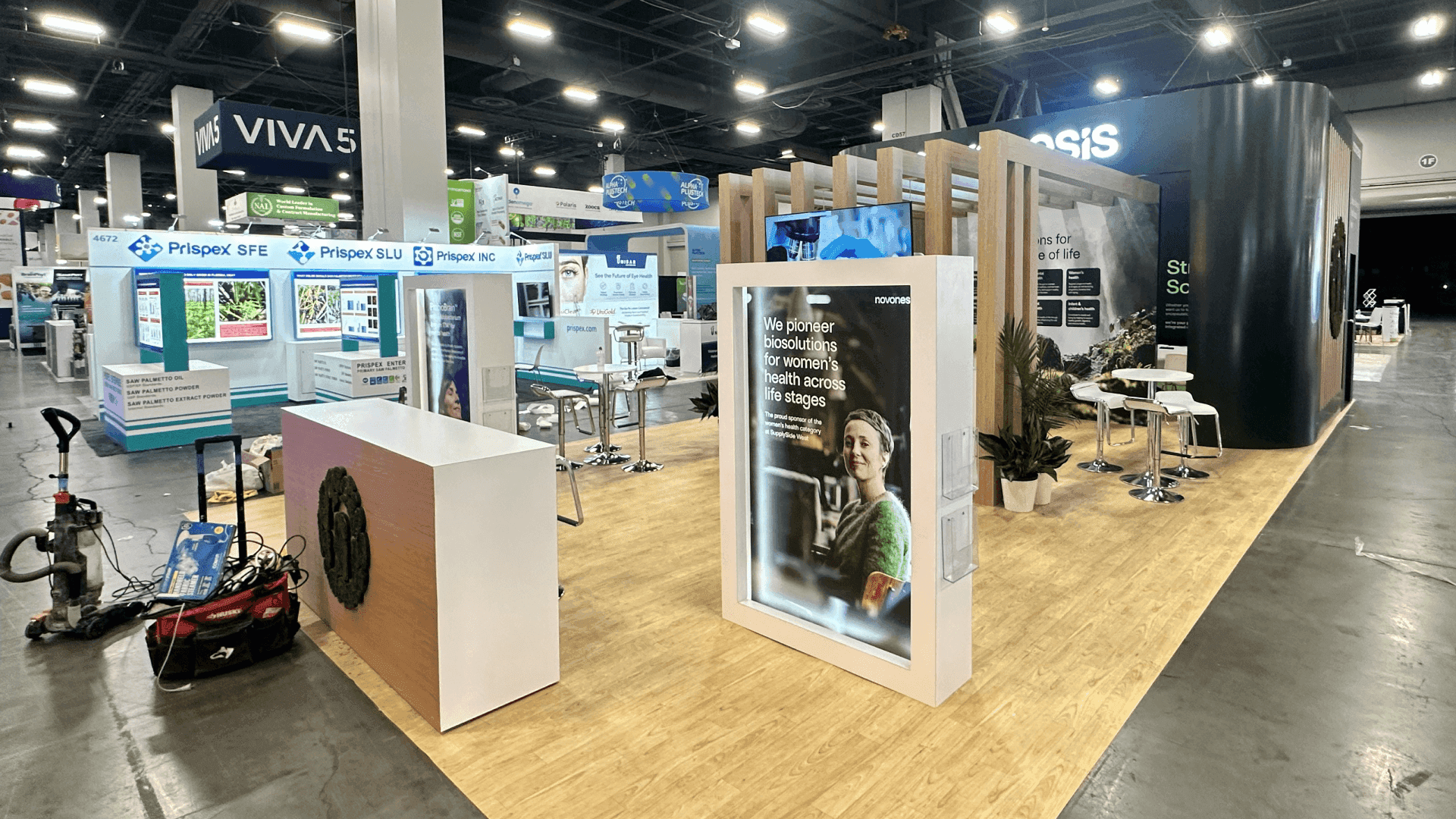
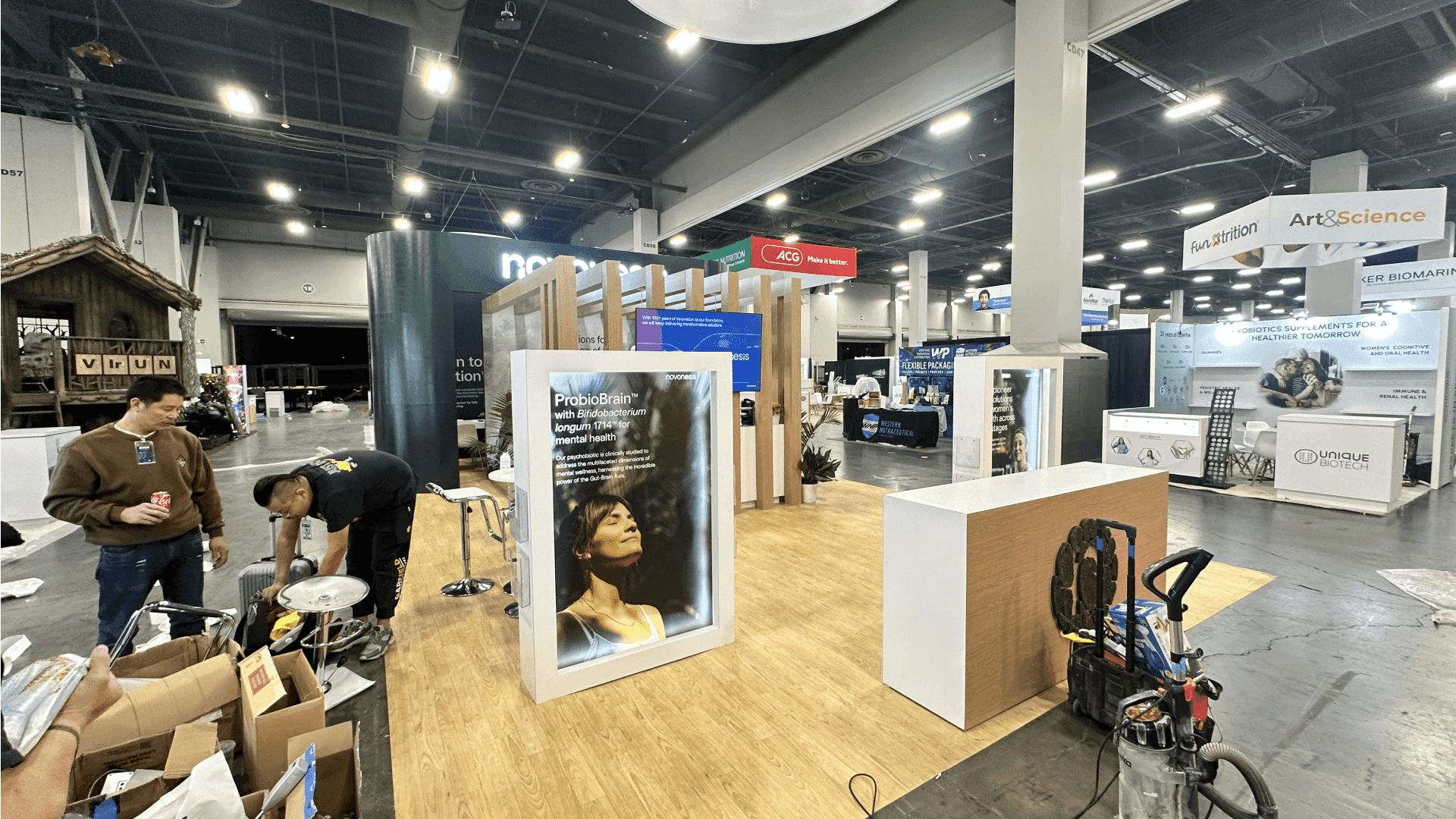
A SupplySide buyer meeting booth should be planned around private or semi-private discussion areas, meeting table placement, product sample support, distributor conversation flow, qualified lead handoff, storage, staff workflow, and show-site setup. The booth should help visitors move from first interest to a focused buyer conversation without blocking the aisle or interrupting product display areas.
A SupplySide buyer meeting booth should make it easy for qualified visitors to move from a quick booth conversation into a more useful discussion. Buyers, distributors, sourcing teams, and product developers often need space to compare products, review samples, ask pricing or formulation questions, and decide whether follow-up is worth scheduling.
For exhibitors using SupplySide Global to meet buyers, distributors, or sourcing partners, the booth should connect meeting tables, semi-private discussion space, sample support, storage, lead capture, staff positions, and show-site setup into one practical plan. Working with SupplySide booth builder support can help align booth structure, branded surfaces, meeting areas, storage access, logistics, and installation around the buyer conversation flow.
This page focuses on buyer meeting booth planning, private discussion areas, distributor conversation flow, qualified lead handoff, meeting table placement, and Mandalay Bay show-site setup. For broader event planning, booth size choices, rental options, and SupplySide Global booth strategy, use SupplySide Global booth planning.
Why Exhibitors Choose Circle Exhibit
Clear scope, transparent quote review, nationwide booth support, and efficient setup planning for qualified rental and custom exhibit projects.
48hr
Setup Window
10+
Years Since 2014
U.S.
Trade Show Support
Real
Booth Project Proof
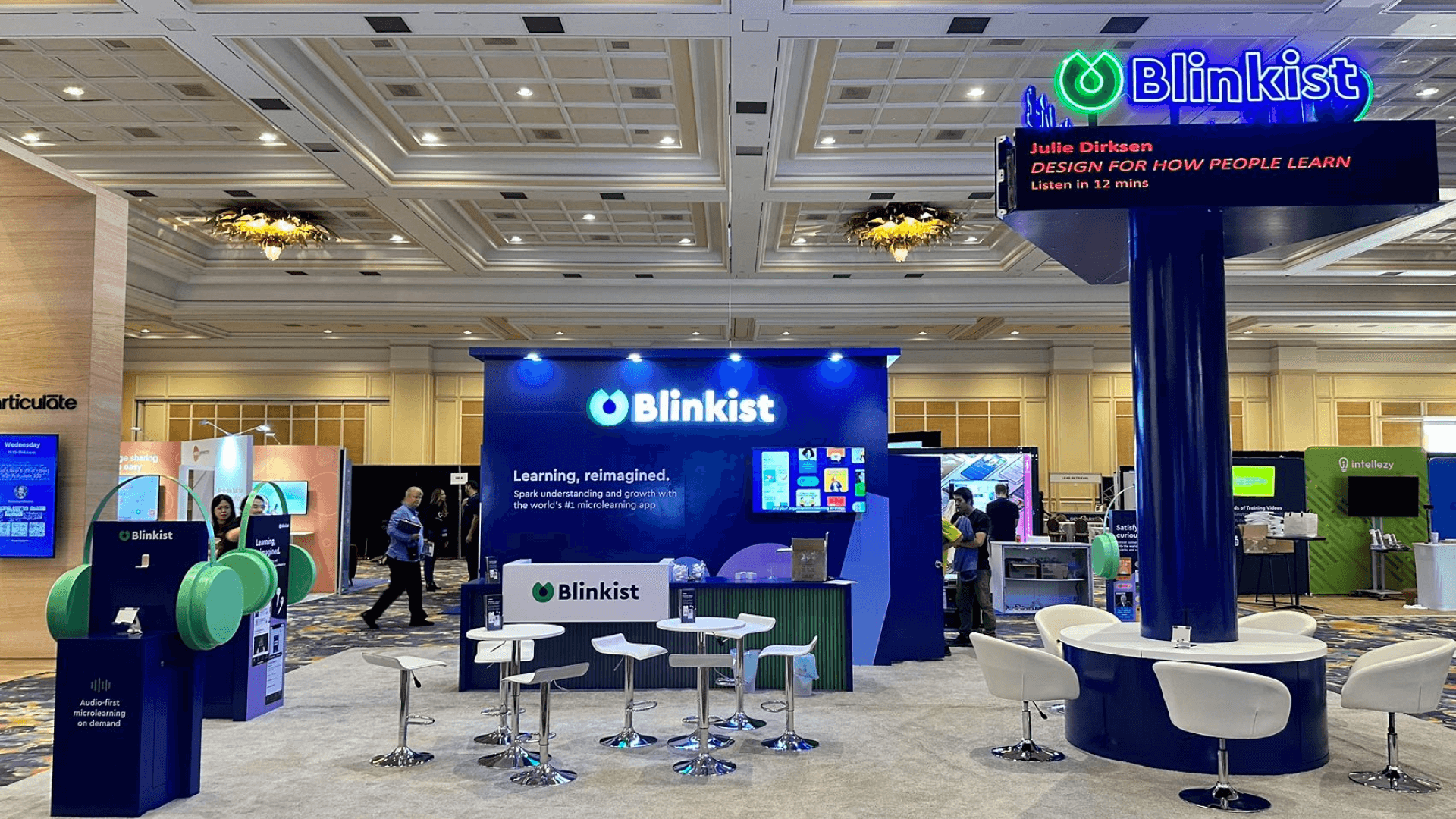
SupplySide buyer meeting booth size should be chosen around the number of meetings, staff roles, product samples, storage needs, and how visitors move from first interest into a more focused discussion. The booth should support conversation without becoming a closed room that hides the product message.
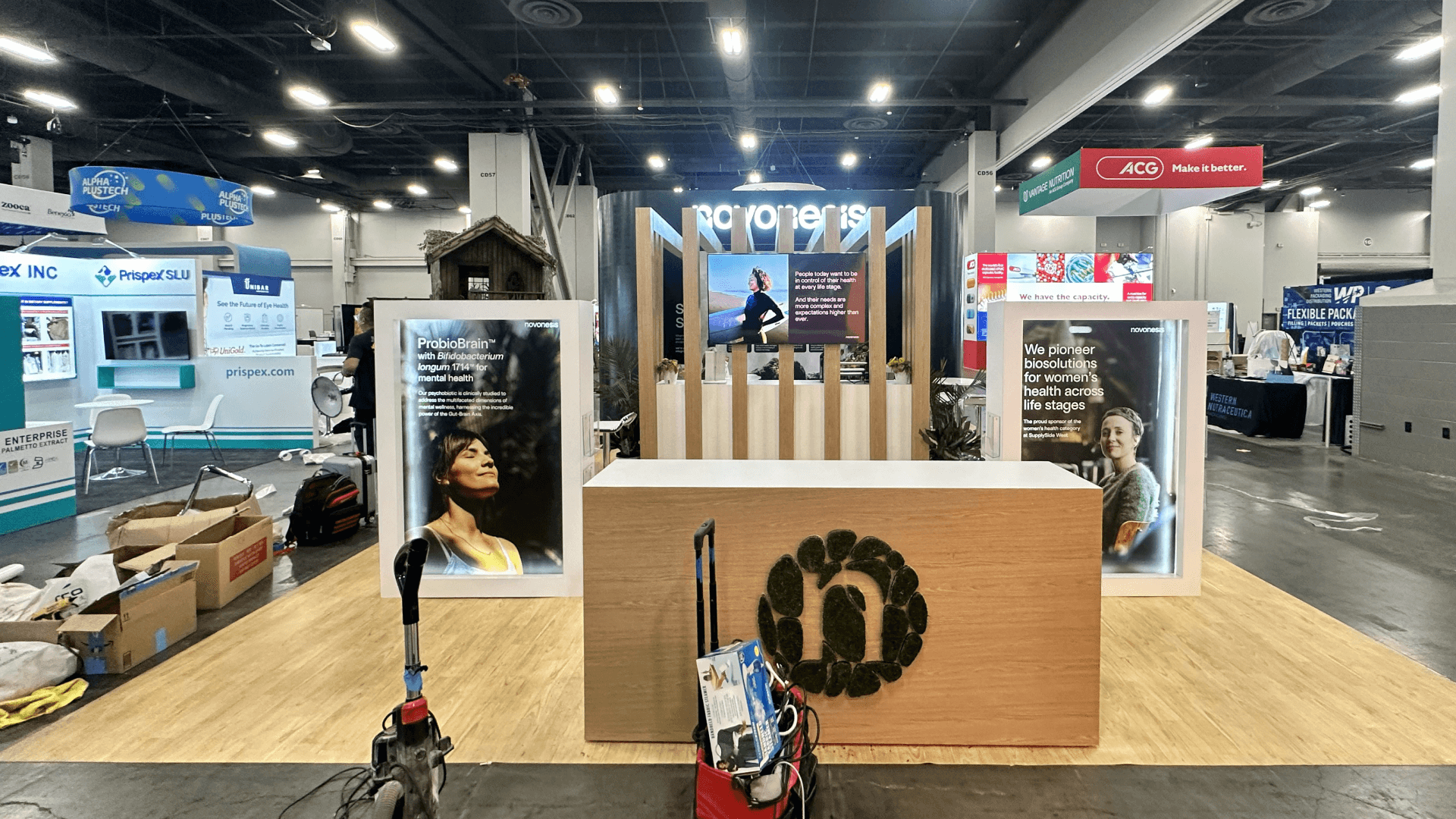
A 10x20 SupplySide meeting booth can work when the exhibitor needs one small conversation point, a clean product message, light storage, lead capture, and a simple staff handoff. This layout is best for quick distributor or sourcing conversations rather than long private meetings. For inline layouts, review 10x20 booth planning.
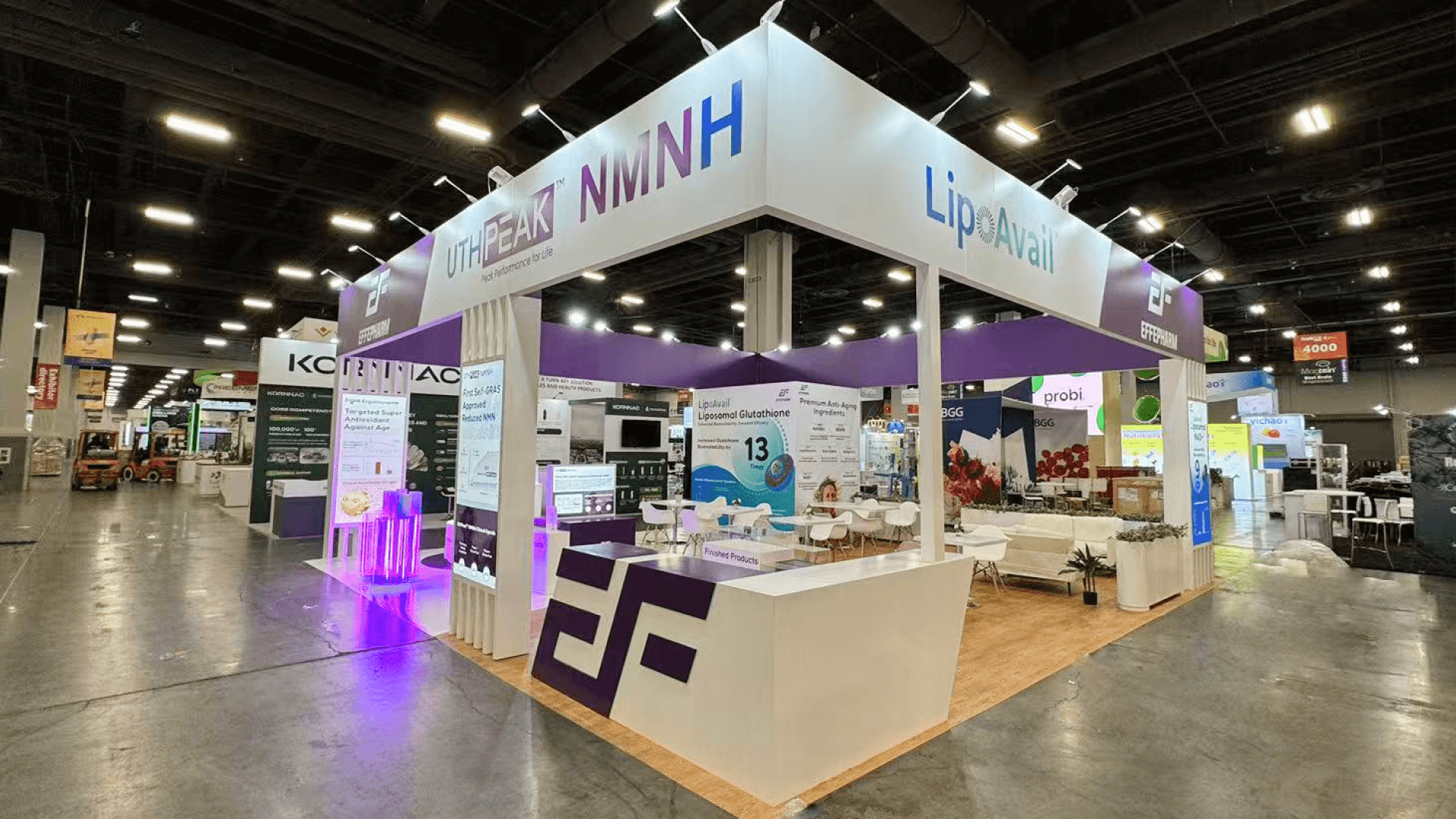
A 20x30 SupplySide meeting layout is useful when the team needs separate zones for product display, buyer meetings, distributor conversations, and follow-up capture. This size can keep meetings more organized without removing the booth from aisle visibility. For larger planning, review 20x30 trade show booth planning.
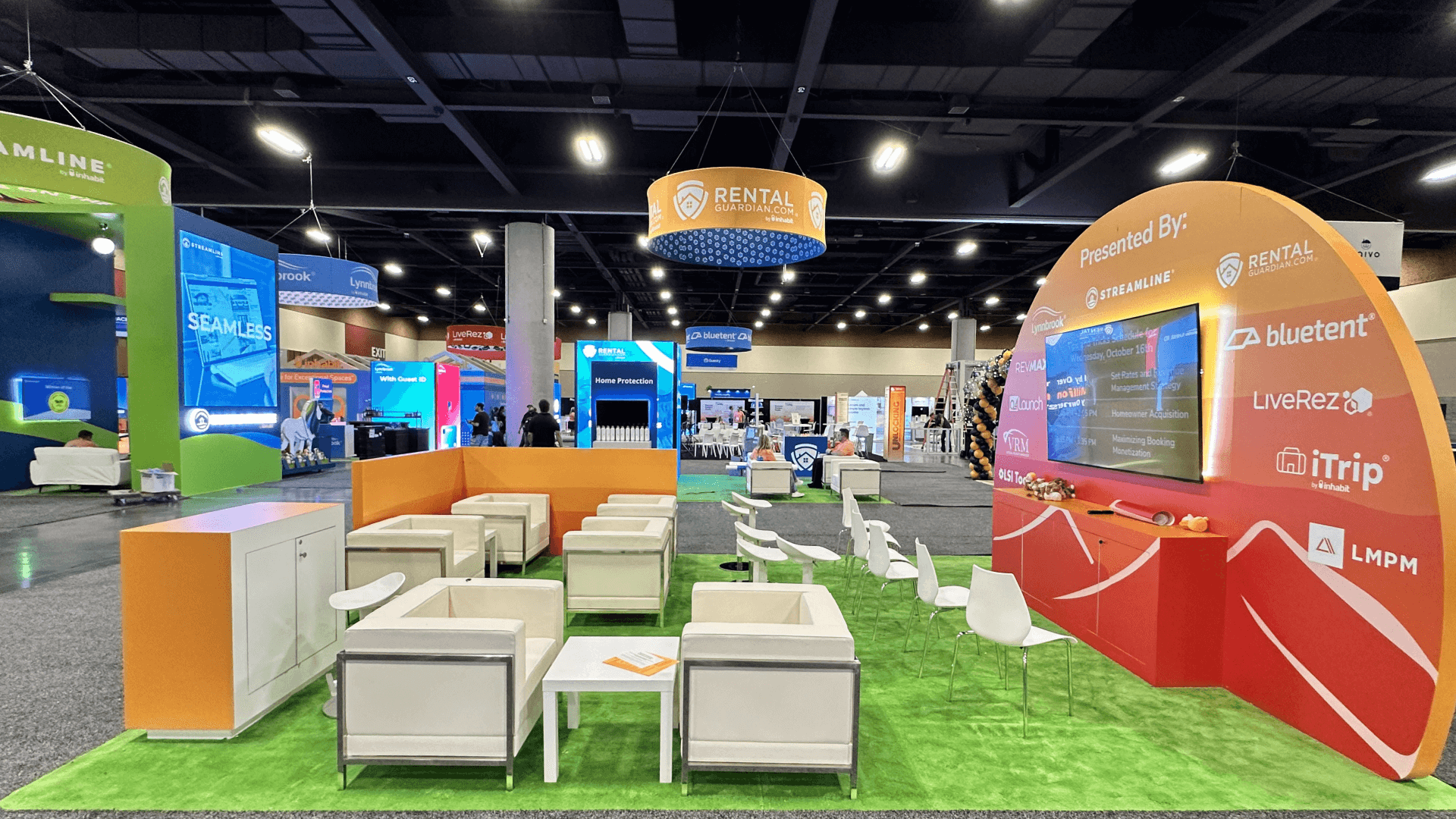
A 20x20 buyer meeting booth gives more room for a meeting table, product samples, storage, staff movement, and a small display area. This footprint works well when the booth needs to support both first-look interest and short buyer conversations. For this footprint, see 20x20 trade show booth planning.
An island booth can work when the exhibitor needs stronger visibility, multiple meeting points, private or semi-private spaces, sample support, storage access, and smoother staff movement. The layout should be planned around who qualifies a visitor, where the meeting begins, and how the next step is captured.
These related planning articles help exhibitors think through buyer meeting questions before SupplySide Global: how much meeting space is needed, where private or semi-private conversations should happen, how product samples should support the discussion, and how qualified visitors should move from booth interest to a scheduled follow-up. The main article, Buyer Meeting Booth Layout Ideas for SupplySide Global Exhibitors, covers meeting table placement, distributor conversation flow, sample discussion points, lead handoff, common layout mistakes, and practical FAQ for exhibitors. Additional articles can compare 20x20 and 20x30 booth layouts for teams deciding how much room they need for meeting tables, storage, product samples, and staff movement. Another article can explain how logistics and pre-show coordination helps keep meeting materials, sample kits, storage access, and final booth setup ready before the show opens.
SupplySide buyer meeting booths need to support conversations without making the booth feel closed off. The layout should balance product visibility, meeting comfort, staff access, sample support, and qualified lead handoff.
A private or semi-private discussion area should be placed where buyers can talk without blocking the booth entrance. The space does not need to be large, but it should feel intentional, organized, and easy for staff to manage during busy show hours.
Distributor conversations often start with a quick product question and move into pricing, capacity, packaging, formulation, or follow-up. The booth should give staff a clear path from first contact to a meeting table or lead capture point.
Meeting areas often need nearby product samples, packaging examples, ingredient cards, or product literature. Strong graphics and brand presentation helps buyers connect product categories, meeting topics, and next-step discussions without overcrowding the table.
The booth should make it clear who handles first conversations, who answers technical or sourcing questions, and who captures follow-up. A simple handoff path helps the team avoid losing qualified buyers when several conversations happen at once.
SupplySide buyer meeting booths often need to support distributor conversations, sourcing questions, product sample review, formulation discussions, and follow-up planning in a busy show environment.
Many visitors may stop for a product question, but only some need a deeper buyer meeting. The booth should help staff separate quick interest from qualified conversations without slowing down traffic.
Buyer meeting booths need planning for meeting tables, sample support, literature, lead capture tools, staff materials, storage, and setup timing before the show opens.
Not Sure Which Booth Size You Need?
Not every exhibitor knows whether a 10x20, 20x20, 20x30, or larger booth is the right fit. Circle Exhibit can help review your event goals, product display needs, demo areas, meeting space, storage, budget scope, and setup timeline before you choose a booth size.
Keeping Meeting Areas Easy to Reach
Avoiding Overcrowded Tables
1
Define the Meeting Goal
2
3
4
Rental Booth Option for Focused Buyer Meetings A rental-based booth can work when the exhibitor needs branded graphics, one meeting table, light storage, lead capture, and a practical setup path for focused buyer conversations. This option is best when the meeting flow is simple and the booth does not require private rooms or custom storage. For this direction, review Las Vegas trade show booth rental.
Custom Build Support for Meeting Zones and Handoff Custom build support is stronger when the booth needs multiple meeting points, semi-private areas, integrated storage, controlled traffic flow, or a cleaner handoff from product display to buyer conversation. In these cases, booth fabrication and show-site execution helps keep meetings, graphics, storage, logistics, and installation aligned.
Choosing Based on Meeting Volume and Privacy Needs Choose based on how many qualified conversations the team expects and how private those conversations need to be. If the booth only needs one meeting point and simple lead capture, rental may be enough. If the team needs multiple discussions at once, custom support may be safer.
Meeting tables, chairs, product samples, literature, lead capture tools, and staff materials should be matched to the booth layout before setup begins. Each meeting point should have a clear purpose.
Buyer meeting booths need storage for product samples, packaging examples, literature, business cards, chargers, staff notes, and lead capture materials. Storage should stay close to staff but outside the visitor path.
Meeting areas should allow buyers to pause and speak without blocking the aisle. The booth should leave a clear path for new visitors, staff handoff, and completed meetings.
Before opening, the team should check meeting tables, sample support, graphics, staff positions, lead capture, storage access, and visitor flow. <a href="/services/logistics-pre-show-coordination"><strong>Logistics and pre-show coordination</strong></a> helps keep these meeting details aligned before opening.
For exhibitors planning a SupplySide buyer meeting booth, these related pages help separate buyer conversation flow from other SupplySide booth planning needs: SupplySide Global booth planning for the main event hub, 20x20 trade show booth planning for focused meeting layouts, 20x30 trade show booth planning for larger buyer conversation spaces, and logistics and pre-show coordination for table setup, storage, and show-site readiness.
Need a Flexible SupplySide Buyer Meeting Booth Rental?
A rental-based booth can work when a SupplySide buyer meeting booth needs branded graphics, one clear meeting point, product sample support, light storage, lead capture, and a practical show-site setup path. This option is best when the meeting flow is focused and the booth does not require multiple semi-private zones or complex hidden storage.
What is a SupplySide buyer meeting booth?
A SupplySide buyer meeting booth is planned around private or semi-private conversations, meeting table placement, distributor discussions, product sample review, lead handoff, storage, and staff workflow. It helps exhibitors move qualified visitors into useful buyer conversations.
What should be included in a buyer meeting booth?
Is a 20x20 booth enough for SupplySide buyer meetings?
How can exhibitors make meeting areas feel private without closing the booth?
How should staff manage buyer handoff during SupplySide Global?
READY TO PLAN YOUR NEXT BOOTH?
Let’s Build a Booth That Fits Your Event
Share your event name, booth size, city, timeline, product display needs, and design references. Circle Exhibit will review your project direction and help you choose a rental-friendly or custom exhibit path.
3000+
Booth Projects Supported
50+
U.S. Event Cities
Transparent
Quote Review
Use the main SupplySide Global event page for broader booth planning, booth size choices, rental vs custom build decisions, Mandalay Bay setup notes, and related project references.
For exhibitors that need booth structure, meeting areas, product display support, graphics, storage planning, logistics, installation, and show-site execution aligned around buyer conversations.
For exhibitors planning one focused meeting point, product samples, storage, lead capture, and a small buyer conversation area.
For exhibitors that need more room for buyer meetings, product samples, storage, staff handoff, and a clearer conversation path.
For exhibitors that need pre-show coordination, table placement, storage planning, material staging, and final show-site readiness checks.