Why Buyer Meeting Booths Need a Different Layout
Not every SupplySide booth is built around high-volume sampling. Some exhibitors need the booth to support qualified buyer conversations, distributor discussions, formulation questions, pricing follow-up, or private-label conversations.
A focused SupplySide buyer meeting booth planning approach should help staff move visitors from first interest into a more useful conversation without making the booth feel closed off.

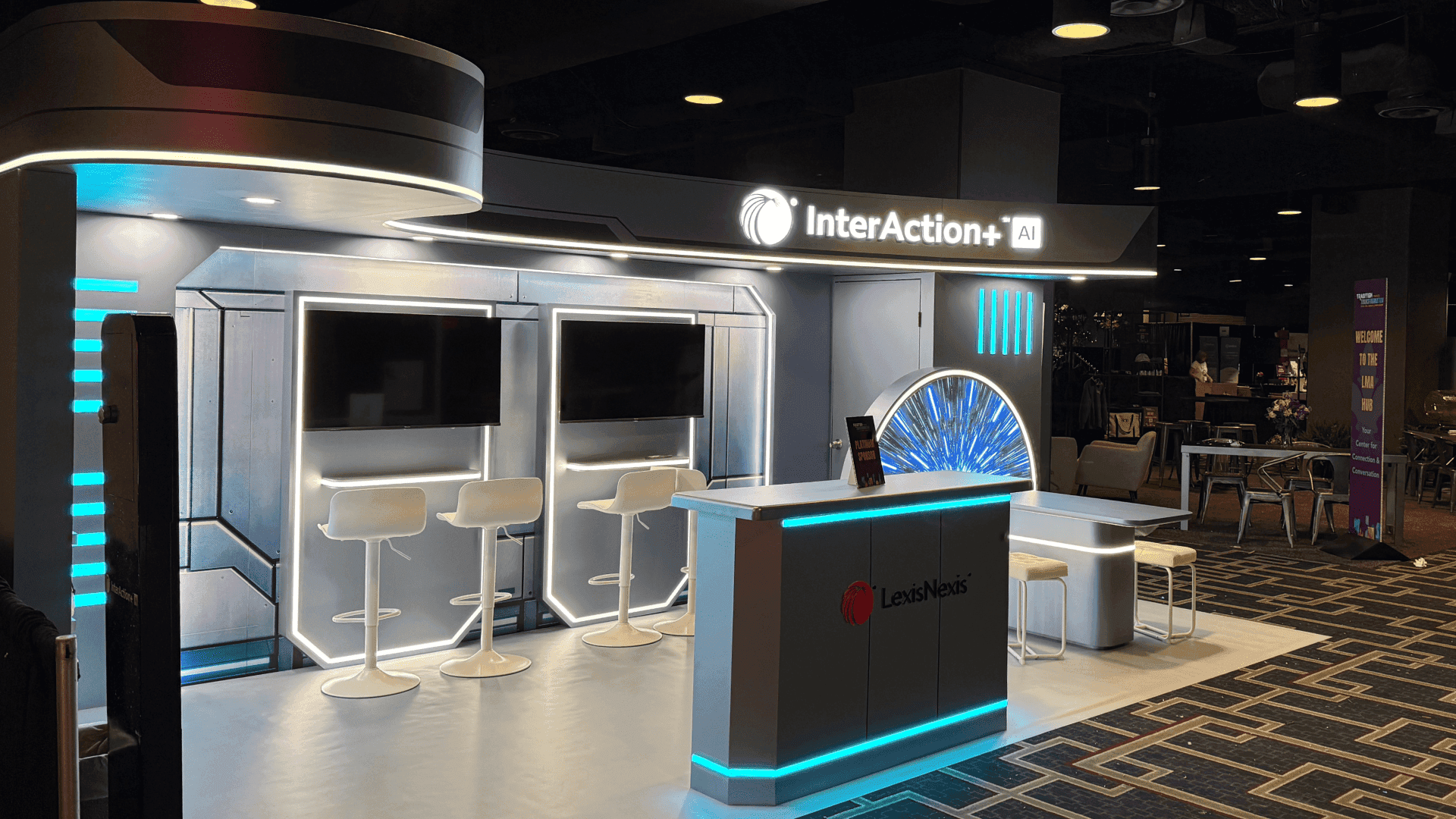
A SupplySide buyer meeting booth should give exhibitors space for product introduction, short buyer conversations, and semi-private follow-up without making the booth feel closed or crowded.
What Should a Buyer Meeting Booth Include?
A buyer meeting booth should include a clear product or category display, a staff greeting point, a lead qualification path, and a semi-private conversation area. It does not need to feel like an office, but it should give serious visitors a place to slow down.
Booth Area | Purpose |
|---|---|
Product display | Creates the first reason to stop |
Greeting point | Lets staff qualify interest quickly |
Meeting area | Supports buyer conversations |
Sample or document counter | Connects product interest to next steps |
Storage | Keeps materials and personal items out of view |
How Much Meeting Space Does a SupplySide Booth Need?
Meeting space depends on how many conversations may happen at the same time. A small booth may only need one counter-height conversation point. A larger booth may need a seated area or two semi-private discussion spaces.
The meeting area should not occupy the entire front of the booth. If it blocks the product display, visitors may not understand why they should stop.

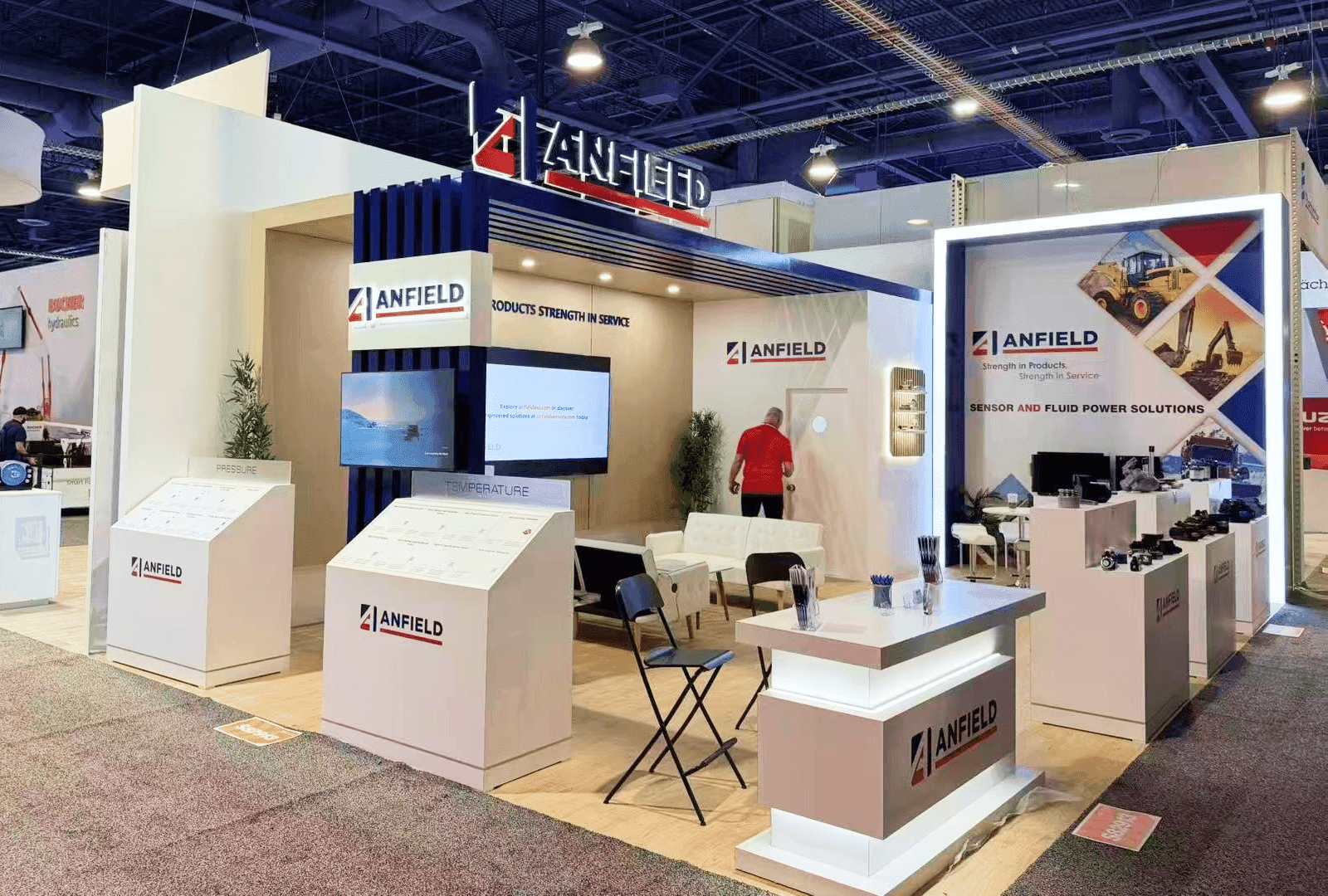
A buyer meeting booth should guide visitors from the first product display to a clearer buyer conversation path, helping staff qualify interest before moving into deeper discussions.
How Do You Separate Product Display From Buyer Conversations?
The product display should create interest first. The meeting area should support the second step. When these two areas overlap too much, the booth can feel crowded and staff may talk over new visitors.
A simple layout often works best: product display near the aisle, staff greeting point beside it, and meeting space slightly deeper or to one side.
Should Buyer Meeting Areas Be Private or Semi-Private?
Most SupplySide exhibitors do not need a fully closed room. A semi-private area often works better because it keeps the booth open while still giving buyers a more comfortable place to talk.
Privacy can come from booth orientation, partial walls, backwall placement, furniture position, or a quieter side zone. The goal is to reduce noise and distraction, not hide the meeting completely.
What Booth Size Works for Buyer Meetings?
A 20x20 booth can support product display, one meeting area, storage, and a staff path. A 20x30 booth gives more room for multiple conversations, sample-to-meeting flow, and stronger graphics.
For exhibitors planning a meeting-focused booth, 20x20 booth planning is useful for one conversation area, while 20x30 booth planning can support more separation and a clearer visitor path.

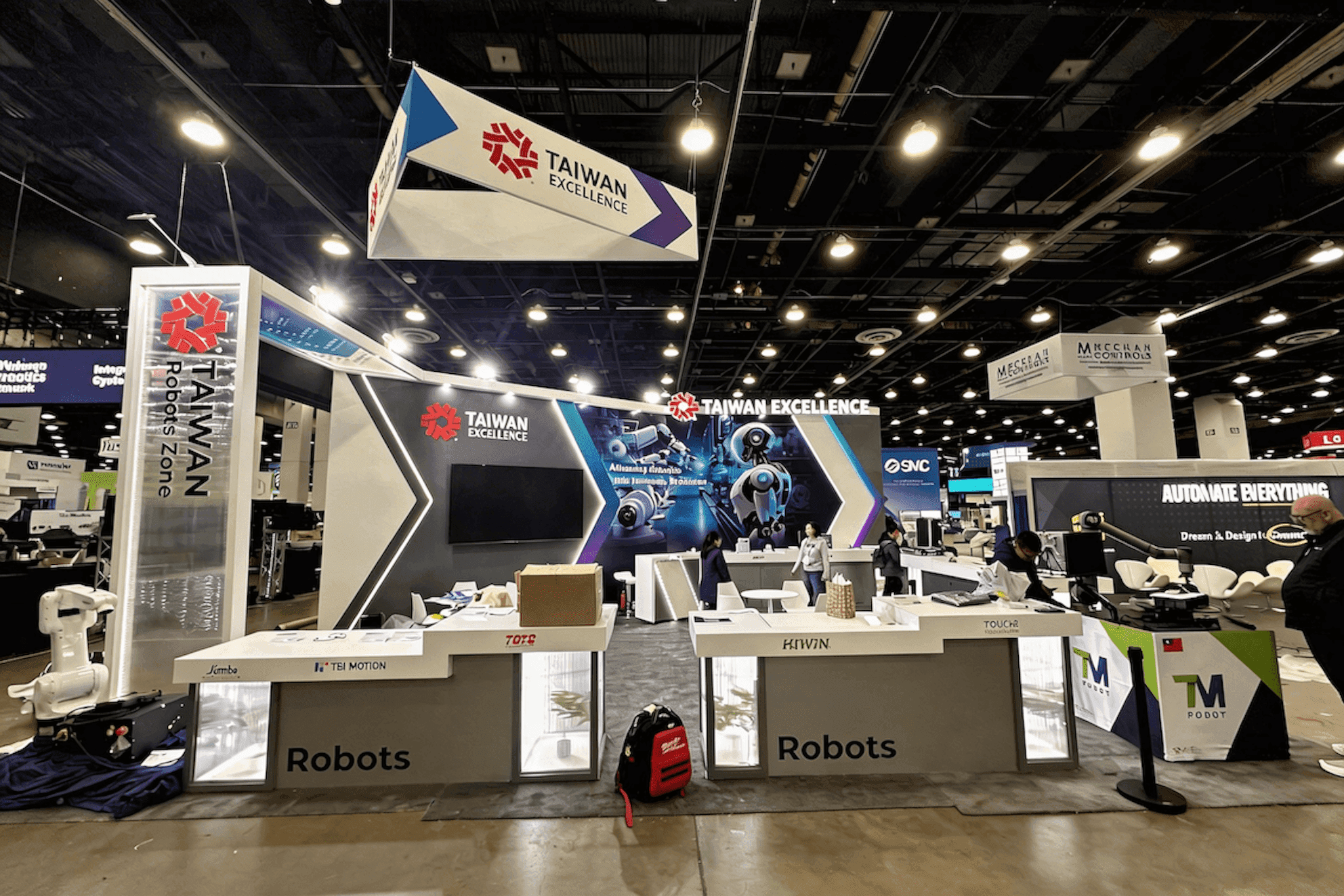
Semi-private meeting areas often work well for SupplySide exhibitors because they give buyers more focus while still keeping the booth open and approachable from the aisle.
How Do Staff Qualify Visitors Before a Meeting?
Staff should not move every visitor directly into a meeting area. A short qualification step helps protect meeting time. Staff can ask what the visitor is looking for, whether they are sourcing, distributing, formulating, or exploring a partnership.
The booth layout should support that step with a greeting counter, product display, or document point before the visitor enters the meeting area.
Common Planning Questions Exhibitors Ask Before Setting the Layout
Should meeting furniture face the aisle?
Not directly. Meeting furniture should feel accessible but not exposed. A slight angle or side placement often makes conversations more comfortable while keeping the booth open.
Should samples be part of a buyer meeting booth?
Samples can help, but they should connect to the meeting path. The sample can start the discussion, while the meeting area supports product details, sourcing needs, and next steps.
How do you avoid wasting meeting space?
Keep the meeting area sized for the real conversation length and staff count. Oversized seating can reduce product visibility and make the booth feel less active.
FAQ
How do you plan a buyer meeting booth for SupplySide Global?
Plan the product display, greeting point, lead qualification flow, semi-private meeting area, storage, staff path, and follow-up materials before the booth layout is finalized.
What should a buyer meeting booth include?
It should include a product or category display, a staff greeting point, one or more meeting areas, storage, and a clear handoff from first interest to deeper discussion.
How much meeting space does a SupplySide booth need?
It depends on the number and type of conversations. Some booths need one counter-height discussion point. Others need seated space for scheduled buyer meetings.
Should buyer meeting areas be private?
They should usually be semi-private, not fully closed. This keeps the booth open while giving serious buyers enough comfort to continue the conversation.
How do samples connect to meeting follow-up?
Samples create context. Staff can use that moment to ask qualifying questions, share documentation, and move the visitor into a meeting or follow-up path.
Related Planning Links
SupplySide buyer meeting booth planning
Use this page when the booth needs meeting area planning, lead qualification flow, sample-to-meeting path, and semi-private conversations.
SupplySide Global booth planning
Use this main event page to connect SupplySide exhibitor type, booth size, product display, and Las Vegas setup requirements.
customizable booth rental in Las Vegas
Use this page when the booth needs a flexible rental structure with meeting space, branded graphics, counters, and storage.
20x20 booth planning
Use this size page when the booth needs one focused meeting area and controlled visitor flow.
20x30 booth planning
Use this page when the booth needs more room for product display, meeting areas, staff movement, and buyer follow-up.
Final Takeaway
A buyer meeting booth should make the path from product interest to conversation clear. Plan the display, greeting point, qualification flow, meeting area, storage, and follow-up materials before choosing the final layout.