RV Dealers Convention/Expo Booth Planning
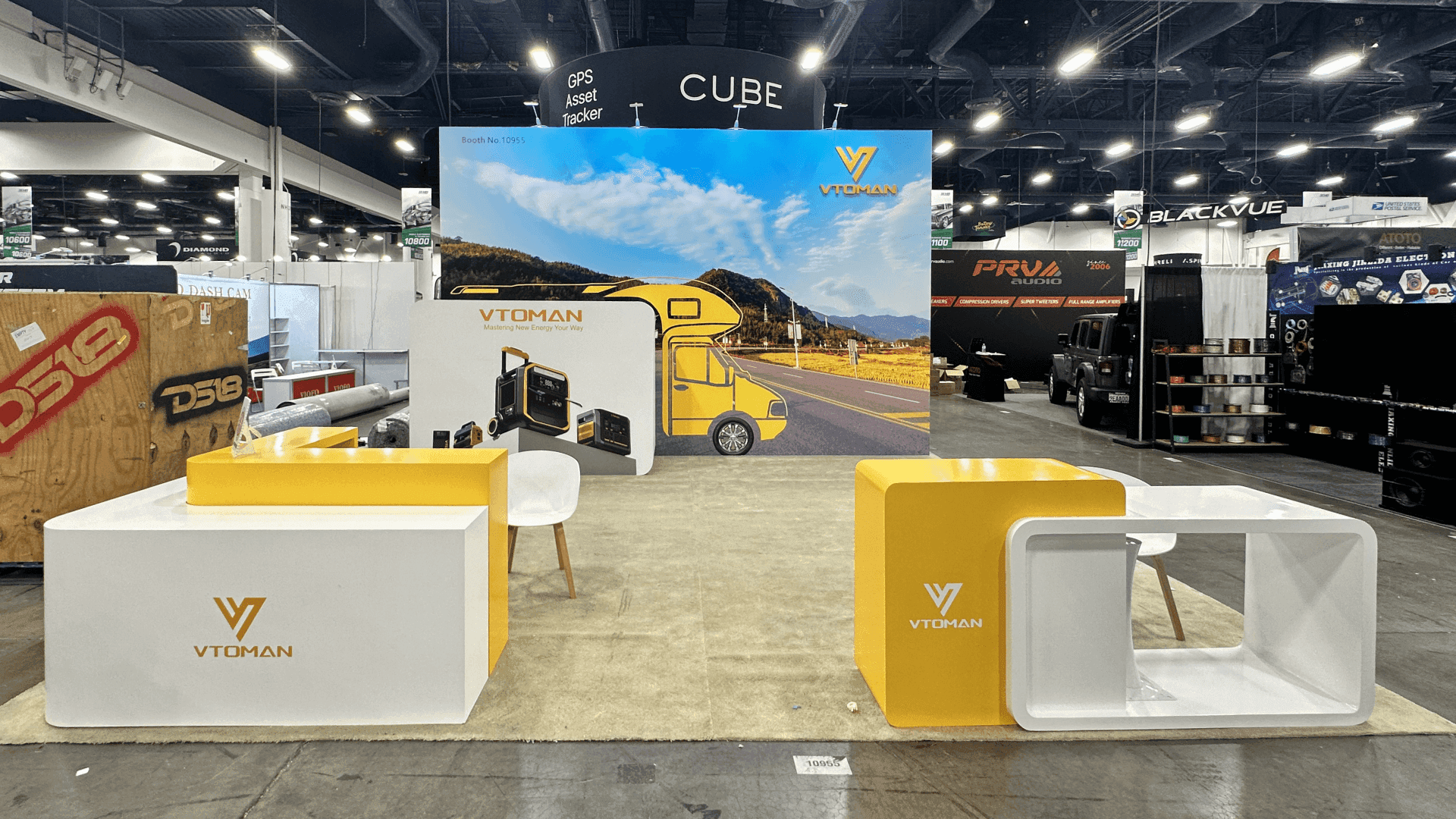


How should exhibitors plan an RV Dealers Convention booth?
Start by deciding what the dealer needs to evaluate. A full RV, a dealership solution, and a short business conversation create very different booth requirements. Once that task is clear, the exhibitor can choose the right format, footprint, display, meeting space, demo setup, and next step.
RV Dealers Convention/Expo brings together exhibitors with very different booth requirements. An RV manufacturer displaying a complete unit faces a different planning problem from a software company, F&I provider, service supplier, or marketing vendor. Before choosing walls, screens, furniture, or graphics, exhibitors should first decide what a dealer needs to understand, compare, or evaluate during the first few minutes of the visit.
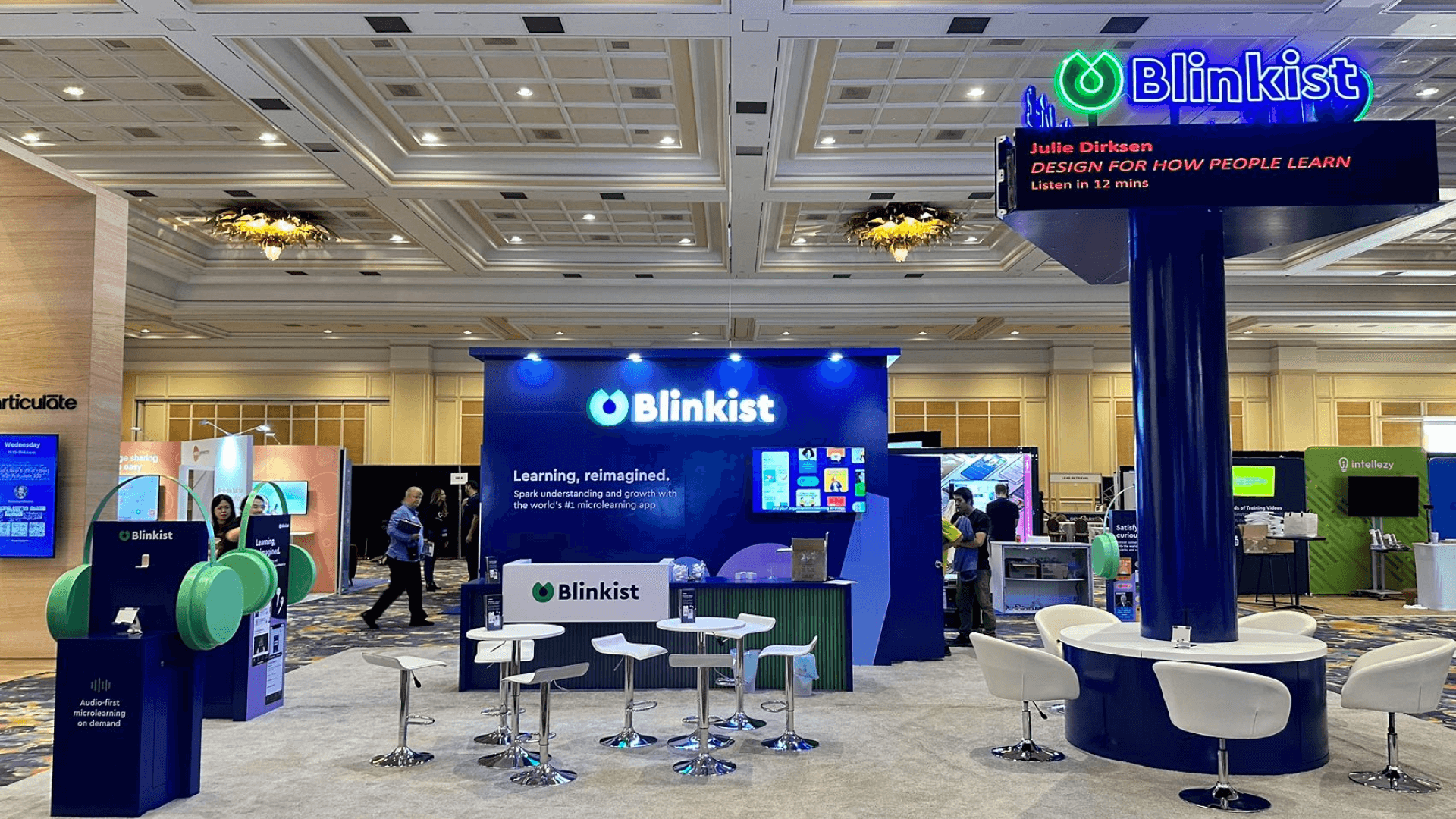
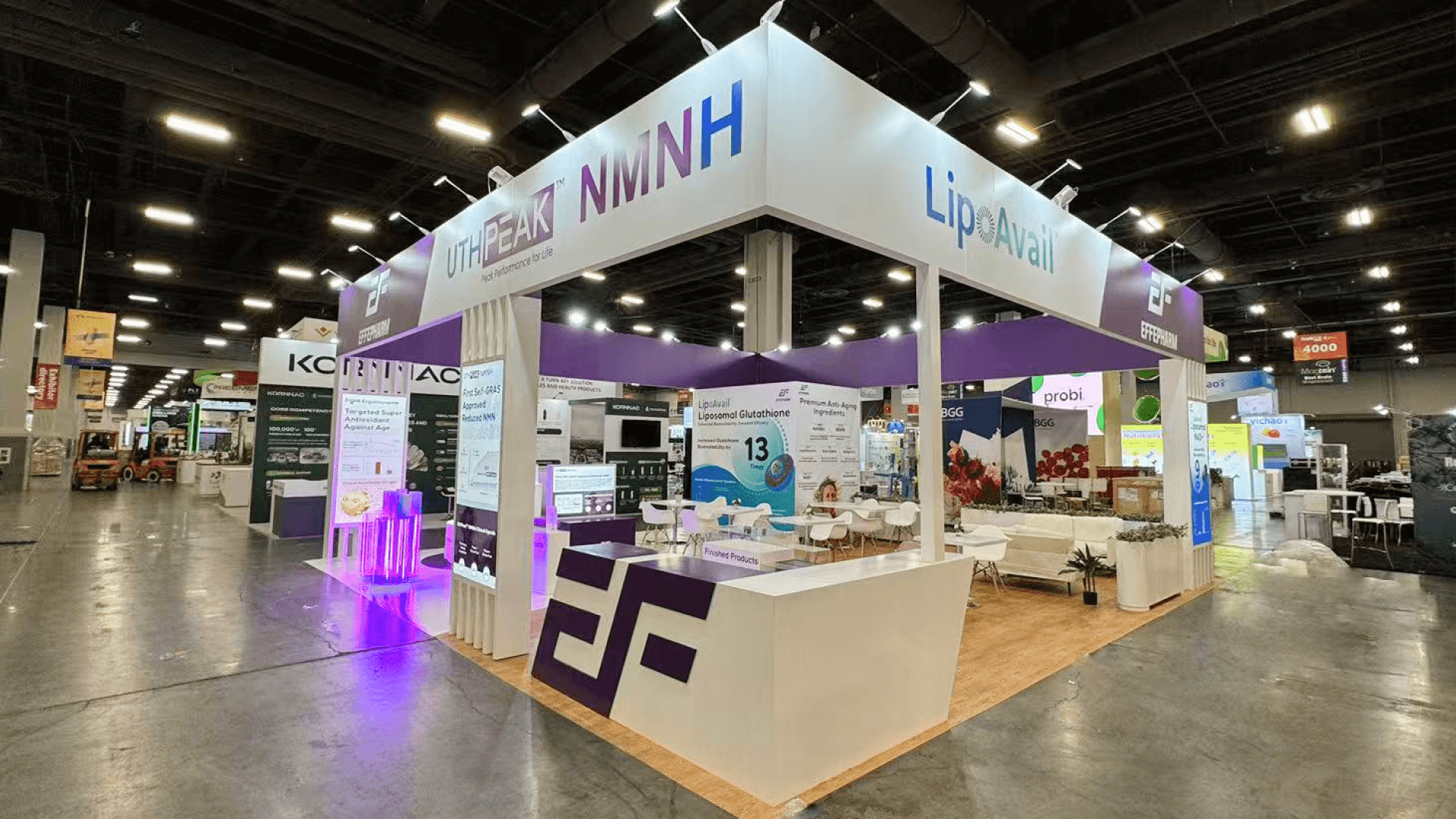
A compact 10x10 can work when the booth is built around one clear conversation or demonstration. A 10x20 becomes more useful when a live demo, storage, and a separate consultation need to happen without competing for the same space. Larger 20x20 or 20x30 footprints make more sense when several conversations, screens, or meeting functions need to operate at once. If a complete RV is the main product dealers need to inspect, the planning model changes entirely; RVDA vehicle display booth planning starts with the vehicle itself rather than a conventional booth layout.
RVDA also sits within the broader Las Vegas automotive trade shows market. Paris Las Vegas adds its own venue and show-site context, while exhibitors that need local design, fabrication, graphics, and execution support can work with Las Vegas trade show booth builders familiar with the demands of exhibiting in the city.
Why Exhibitors Choose Circle Exhibit
Clear scope, transparent quote review, nationwide booth support, and efficient setup planning for qualified rental and custom exhibit projects.
48hr
Setup Window
10+
Years Since 2014
U.S.
Trade Show Support
Real
Booth Project Proof
RVDA exhibitors should choose the exhibit format around how dealers will interact with the product or service. The published options range from tabletops and compact inline booths to island layouts and dedicated vehicle spaces.
A tabletop works for appointments, literature, and simple face-to-face conversations. RVDA’s 2026 prospectus says tabletops are not booths and may not have electric, so they are a poor fit for exhibitors that depend on powered displays or live demos.
A 20x20 booth or 20x30 booth becomes more useful when several screens, product areas, meetings, or dealer conversations need to operate without sharing one crowded zone.
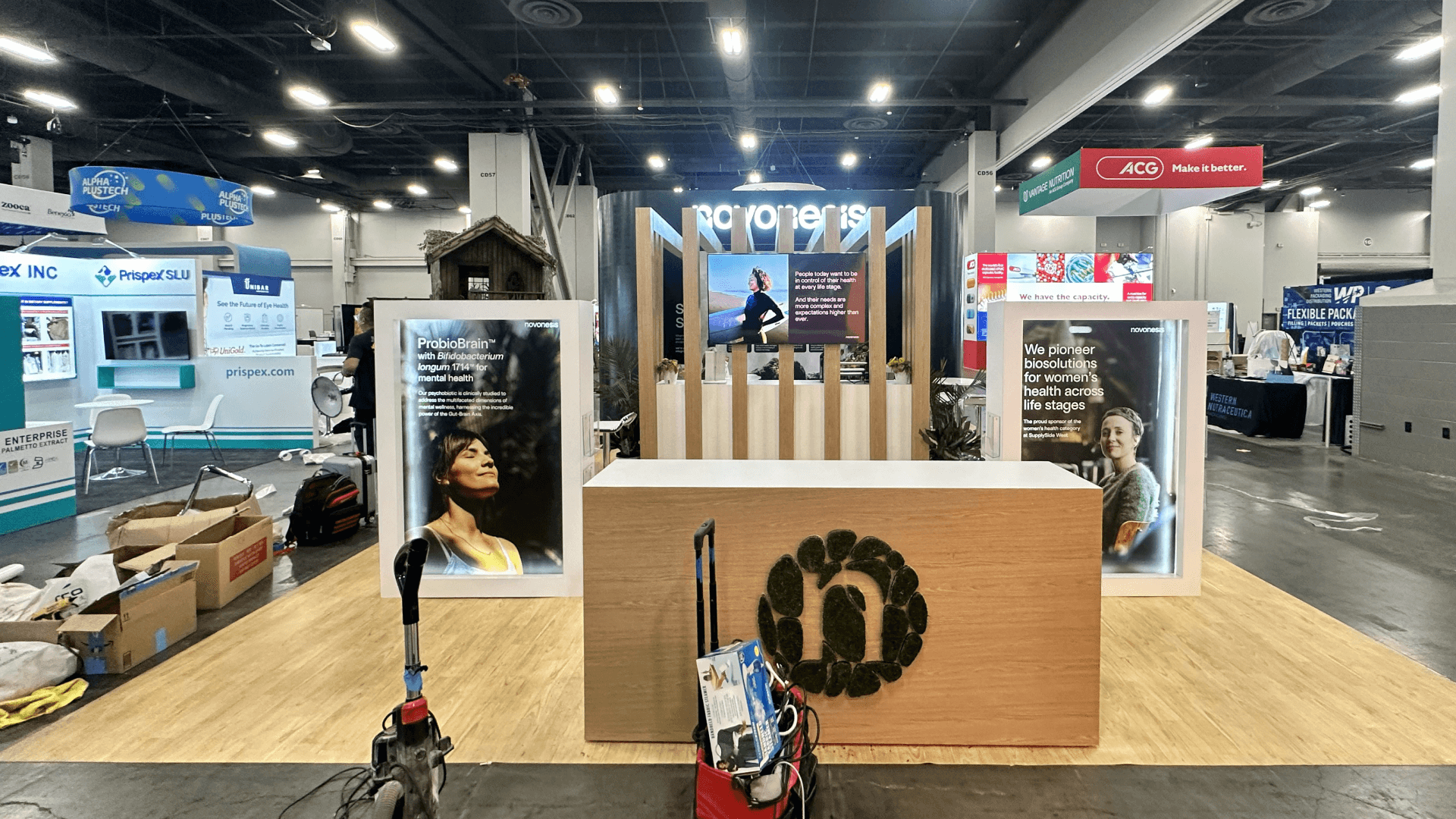
A 10x10 can handle one clear message and short dealer conversations. A 10x20 booth gives the team more room to separate a product explanation or demo from storage and a compact consultation point.
RVDA publishes dedicated vehicle-space options for manufacturers bringing full units. Vehicle dimensions, access, viewing clearance, and handling requirements should determine the layout rather than a generic booth-size formula.
The booth format should follow what dealers actually need to do once they stop. Simple conversations may work at a tabletop, while powered demos, multiple active interactions, or a full RV can change the space requirement entirely. Those tradeoffs become clearer when choosing the right RVDA exhibit format.
Vendor Training +Plus creates a different planning issue. A dealer who has already heard the problem or method in a session should not arrive at the booth and start again from a generic company introduction. Exhibitors using VTP can plan that transition more deliberately by carrying the dealer conversation from the session into the booth.
The booth needs to make the exhibitor’s dealership value understandable from the aisle and give interested visitors a natural way to move from first interest into product evaluation, a demo, a conversation, or follow-up.
A dealer should understand what the exhibitor helps improve, evaluate, sell, finance, service, or operate before staff begin a long explanation.
The next step depends on the product. That may mean walking through an RV, watching a short software workflow, comparing a service, or discussing a dealership problem.
A visitor who wants more detail should be able to move naturally into a sales discussion, technical conversation, consultation, or scheduled follow-up.
The brochure, video, meeting, or post-show contact should continue the same story the visitor saw in the booth rather than starting over with a generic company introduction.
RVDA brings together dealership owners, sales teams, service departments, managers, marketing staff, finance teams, manufacturers, and vendors. That mix means the first booth decision is not what to display, but which dealer question the exhibit needs to answer first.
The 2026 RV Dealers Convention/Expo runs November 9–13 at Paris Las Vegas, with Expo Hall activity concentrated on November 10–12.
A tabletop, inline booth, island, and vehicle space do not simply offer different amounts of square footage. They support different combinations of product display, powered demos, meetings, storage, circulation, and dealer conversations.
Not Sure Which Booth Size You Need?
Not every exhibitor knows whether a 10x20, 20x20, 20x30, or larger booth is the right fit. Circle Exhibit can help review your event goals, product display needs, demo areas, meeting space, storage, budget scope, and setup timeline before you choose a booth size.
One Dealer Audience or Several Departments?
Tabletop or Full Booth?
1
Decide What the Dealer Is Evaluating
2
3
4
Rental for Standard Dealer-Facing Programs
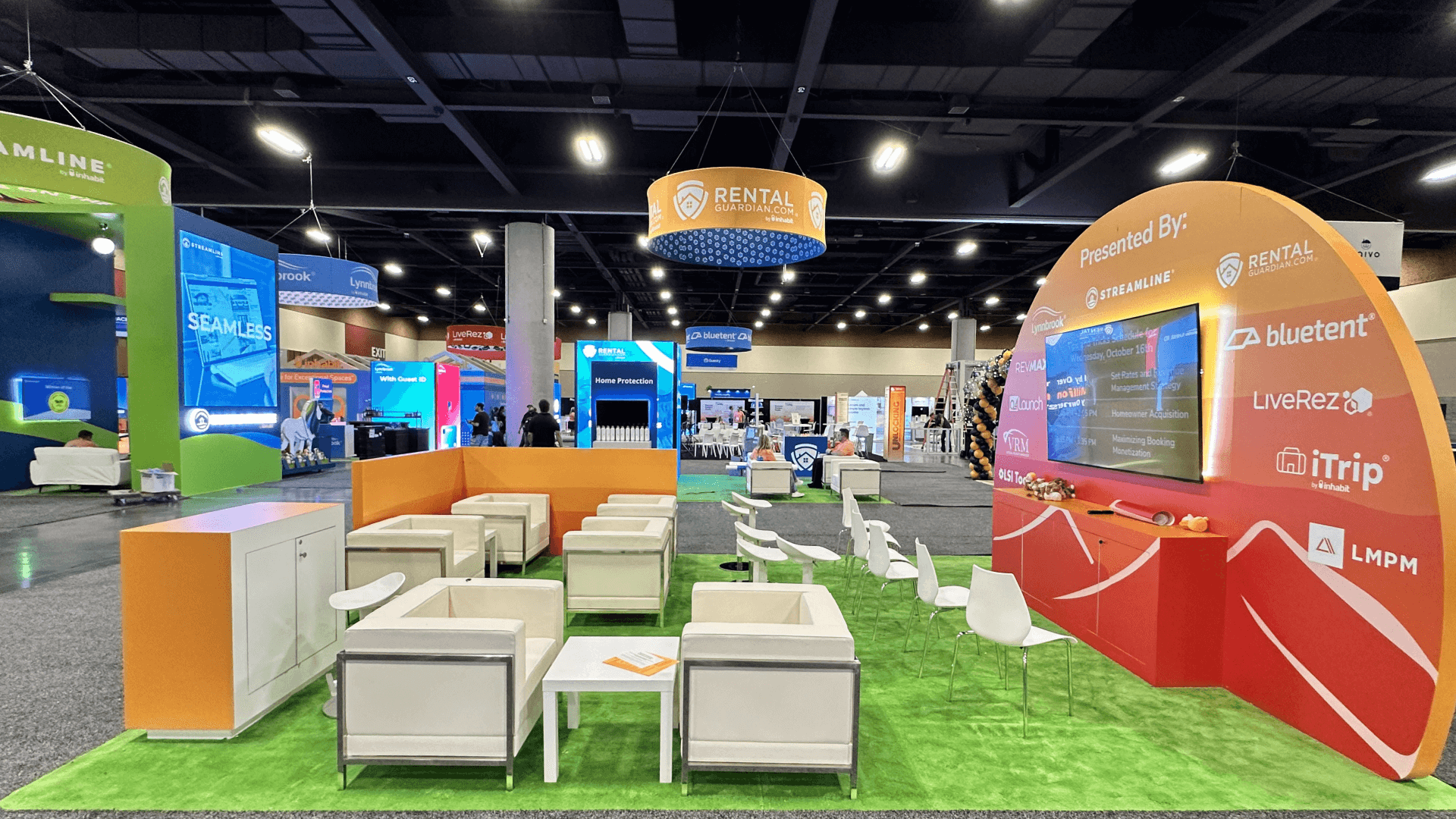
A rental booth is often enough when the program needs branded walls, screens, counters, storage, and meeting furniture without unusual product integration. Las Vegas trade show booth rental fits many of these inline and island configurations.
Custom When the Product Controls the Layout
Custom fabrication becomes more useful when a vehicle, unusual product dimensions, specialized display elements, integrated technology, or non-standard clearances determine the structure.
Hybrid When Only Part of the Booth Is Unique
Many programs do not need a fully custom environment. Reusable walls, counters, storage, graphics, and furniture can stay modular while custom work is reserved for the product or technology that genuinely requires it.
The 2026 Exhibit Hall runs Tuesday from 3:30–7:00 p.m., Wednesday from 11:30 a.m.–3:30 p.m., and Thursday from 9:00 a.m.–Noon. Staffing and demo depth should reflect those short operating periods.
RVDA gives booth-selection priority to partners and sponsors, then returning exhibitors and other exhibitors. Final aisle openings, graphics orientation, and utilities should follow the confirmed assignment.
Standard inline booths include pipe-and-drape and an identification sign, while other formats have different inclusions. Tabletop exhibitors should also note that the current prospectus does not permit electric at tabletops.
RVDA’s 2026 prospectus requires exhibitors to carry general liability coverage and submit proof of insurance by October 2. Include this requirement in the pre-show readiness schedule rather than treating it as a last-minute setup task.
Need a Flexible RVDA Booth Rental?
A rental-based booth can work well when RVDA exhibitors need branded walls, screens, counters, storage, and meeting furniture without specialized architecture.
Which RVDA exhibit format should I choose?
Choose the format around what dealers need to do in the space. Simple conversations may fit a tabletop or small inline booth, while powered demos, meetings, multiple conversations, or vehicle displays require more room and infrastructure.
When is a 10x20 more useful than a 10x10?
Should RV manufacturers and dealer-solution vendors use the same layout logic?
Can an RVDA tabletop support a powered demo?
When does custom fabrication make sense at RVDA?
READY TO PLAN YOUR NEXT BOOTH?
Let’s Build a Booth That Fits Your Event
Share your event name, booth size, city, timeline, product display needs, and design references. Circle Exhibit will review your project direction and help you choose a rental-friendly or custom exhibit path.
3000+
Booth Projects Supported
50+
U.S. Event Cities
Transparent
Quote Review
For software, F&I, finance, service, marketing, and other dealer-solution vendors that need to organize demos, qualification, consultation, and follow-up.
For exhibitors that need one main demo, compact consultation space, practical storage, and a clear separation between aisle interaction and dealer conversation.
For exhibits that need multiple conversations, screens, meetings, storage, and more open visitor circulation.
For exhibitors considering a modular or reusable booth with branded walls, screens, counters, storage, and meeting furniture.
For projects that need fabrication, installation planning, EAC coordination, product integration, or show-site execution beyond a standard rental configuration.