RVDA Dealer Solutions Booth Planning for Demos and Dealer Conversations



How should dealer-solution vendors plan an RVDA booth?
A dealer should be able to recognize the problem from the aisle, see one useful example or workflow, and decide quickly whether the solution is relevant. Staff can then ask a few questions and move the right visitor into a longer conversation, while everyone else receives a shorter explanation or follow-up path.
A dealer walking the RVDA show floor sees dozens of vendors competing for attention. The first job is not to explain the entire platform; it is to make one dealership problem recognizable enough that the right person stops. Once they do, the conversation changes depending on whether that visitor is an owner, salesperson, service leader, marketing professional, F&I decision-maker, or another dealership role.
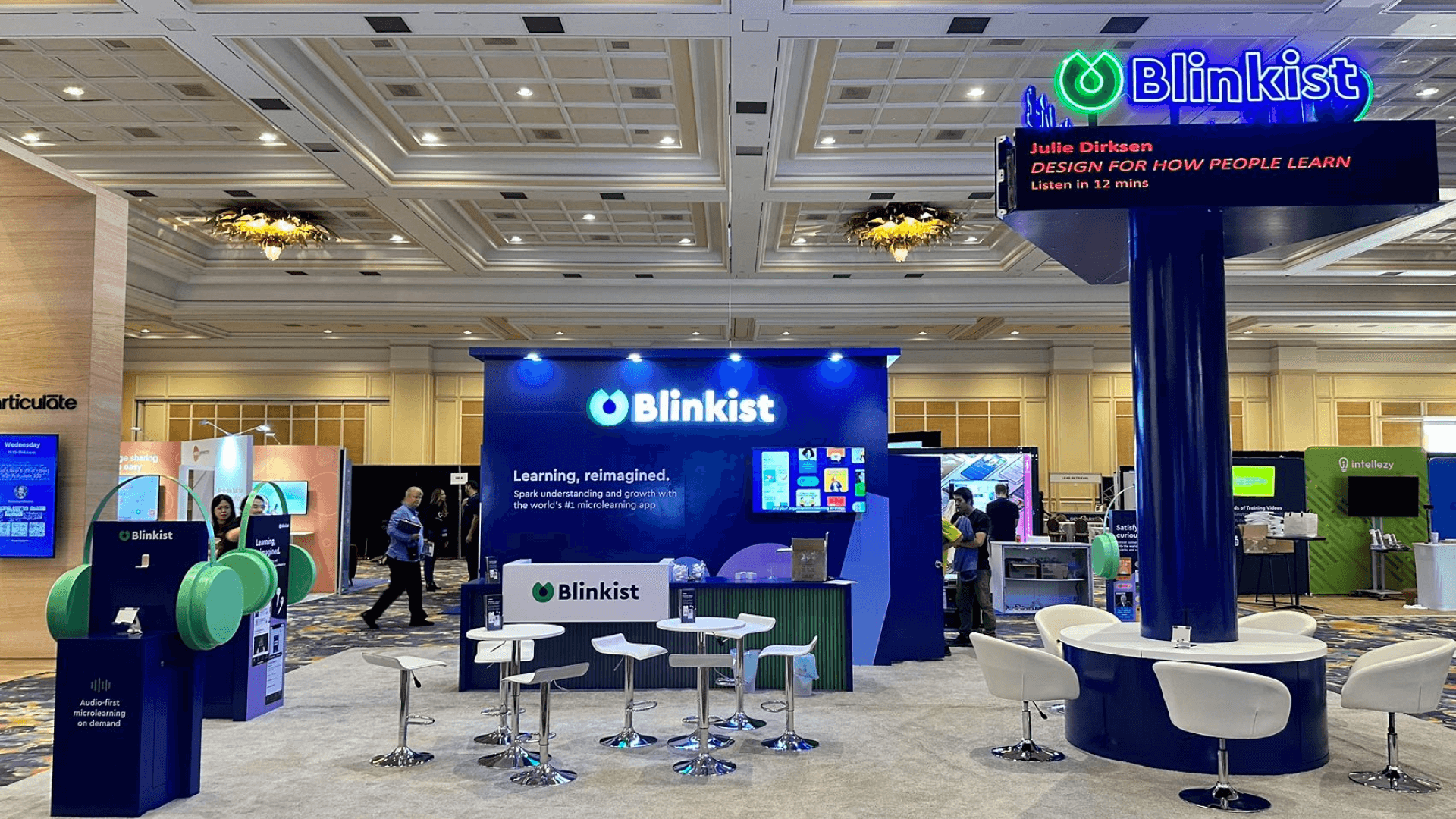
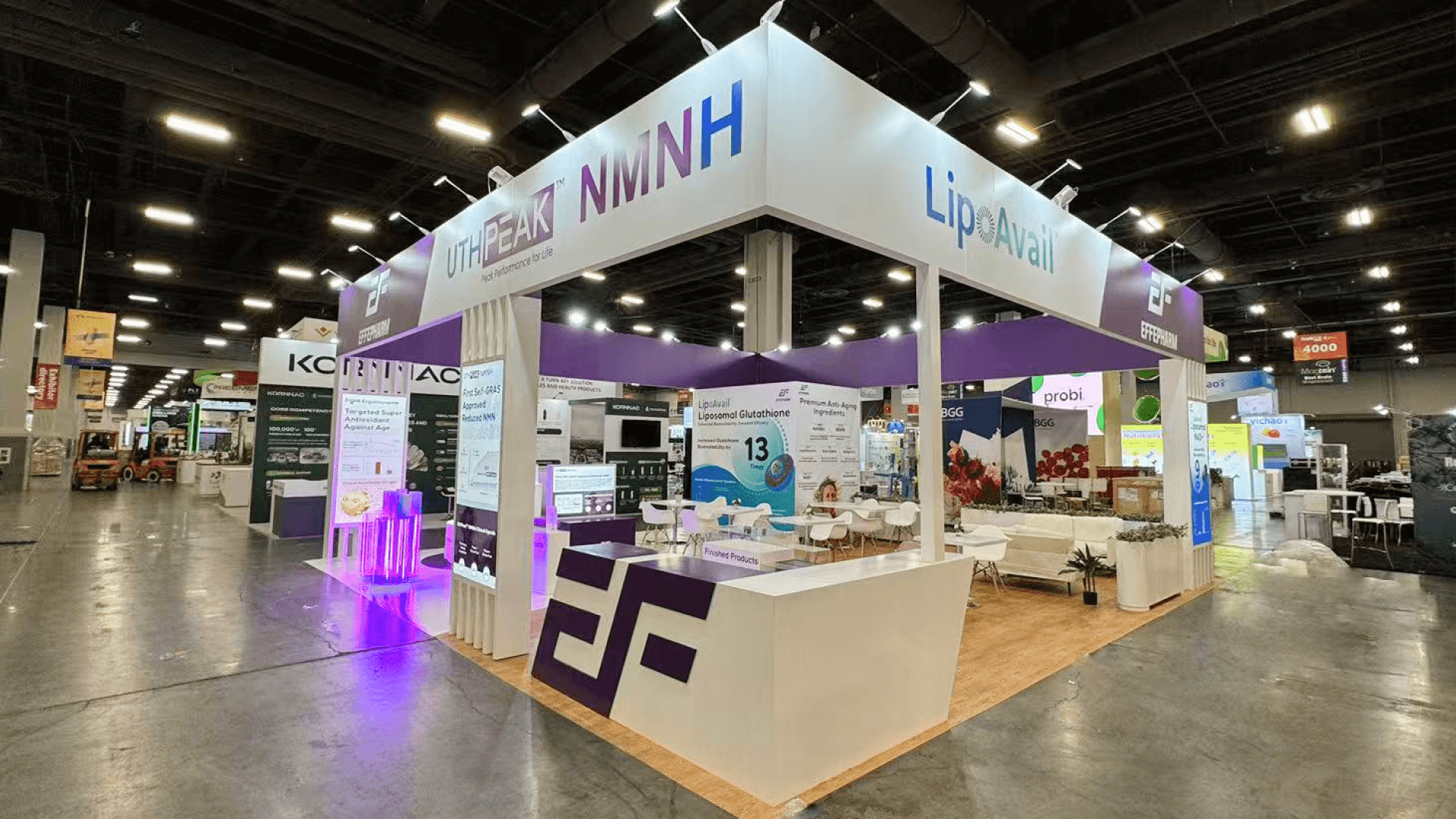
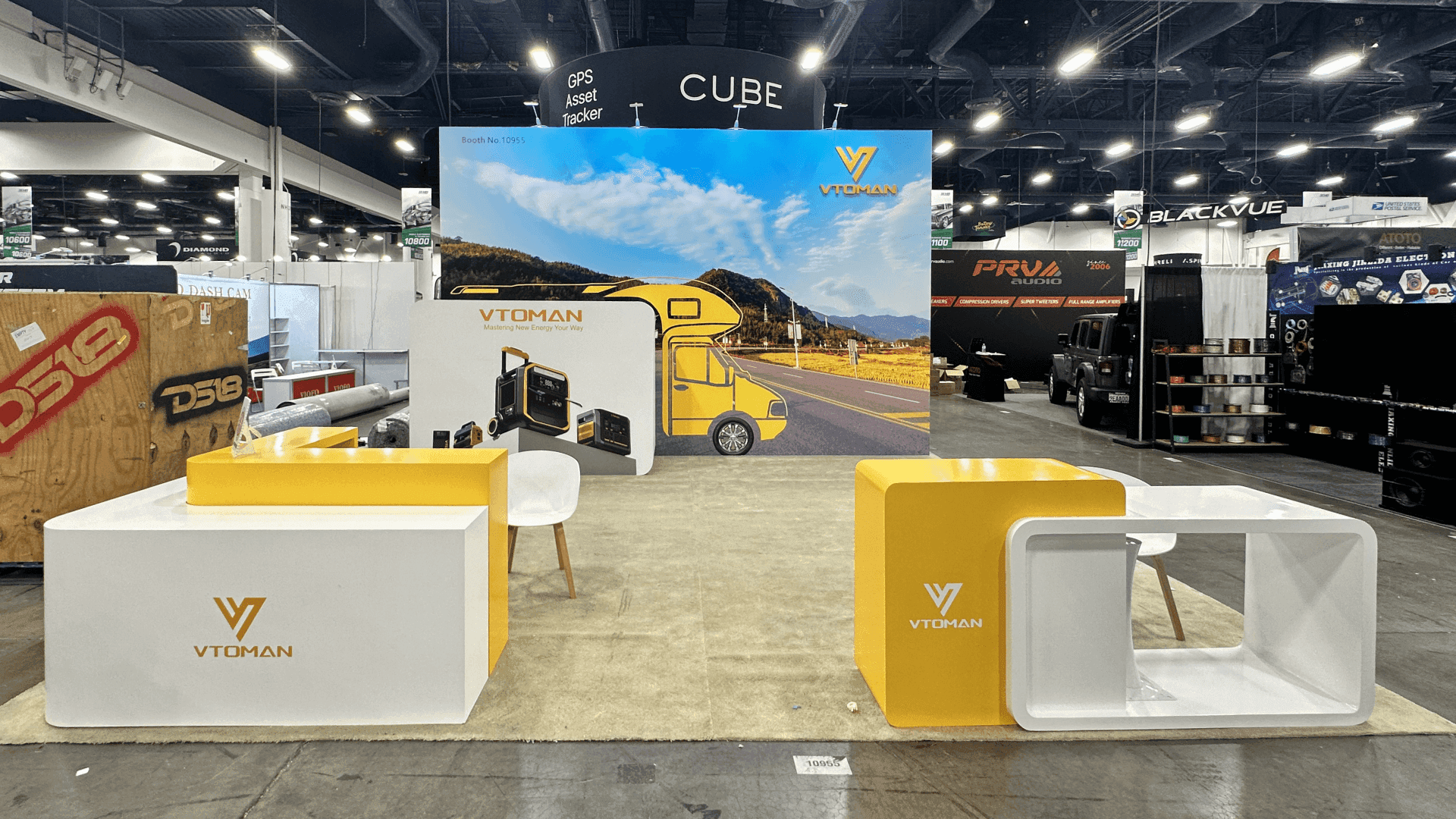
The demo should change with that answer. One visitor may only need to see a single workflow, while another may want implementation details, reporting, integrations, pricing, or a longer consultation. A 10x20 can give one demo and one compact discussion enough room to operate without competing for the same space. A 20x20 booth becomes more useful when two active conversations or demo functions need to run at the same time.
The booth should also make the next step easy after the show. Video, brochures, product documents, and other follow-up materials work better when they continue the same workflow or dealership problem shown in the demo instead of restarting with a generic company presentation. That dealer-focused interaction sits within broader RVDA booth planning, where exhibitors can compare overall exhibit formats, audience needs, and other event-level decisions.
Why Exhibitors Choose Circle Exhibit
Clear scope, transparent quote review, nationwide booth support, and efficient setup planning for qualified rental and custom exhibit projects.
48hr
Setup Window
10+
Years Since 2014
U.S.
Trade Show Support
Real
Booth Project Proof
Dealer-solution exhibitors should choose space around how many demonstrations and conversations need to happen at once. RVDA also offers tabletops, but the current prospectus states that they are not booths and may not have electric, which matters for exhibitors relying on powered devices.
A tabletop works for appointments, literature, and low-tech conversations. Because the 2026 prospectus does not permit electric at tabletops, it is a poor fit for an exhibit that depends on powered monitors, laptops, or a live device-based demonstration.
A 10x20 booth can hold one active demo, standing qualification, hidden storage, and a compact consultation area without forcing every conversation into the same spot.
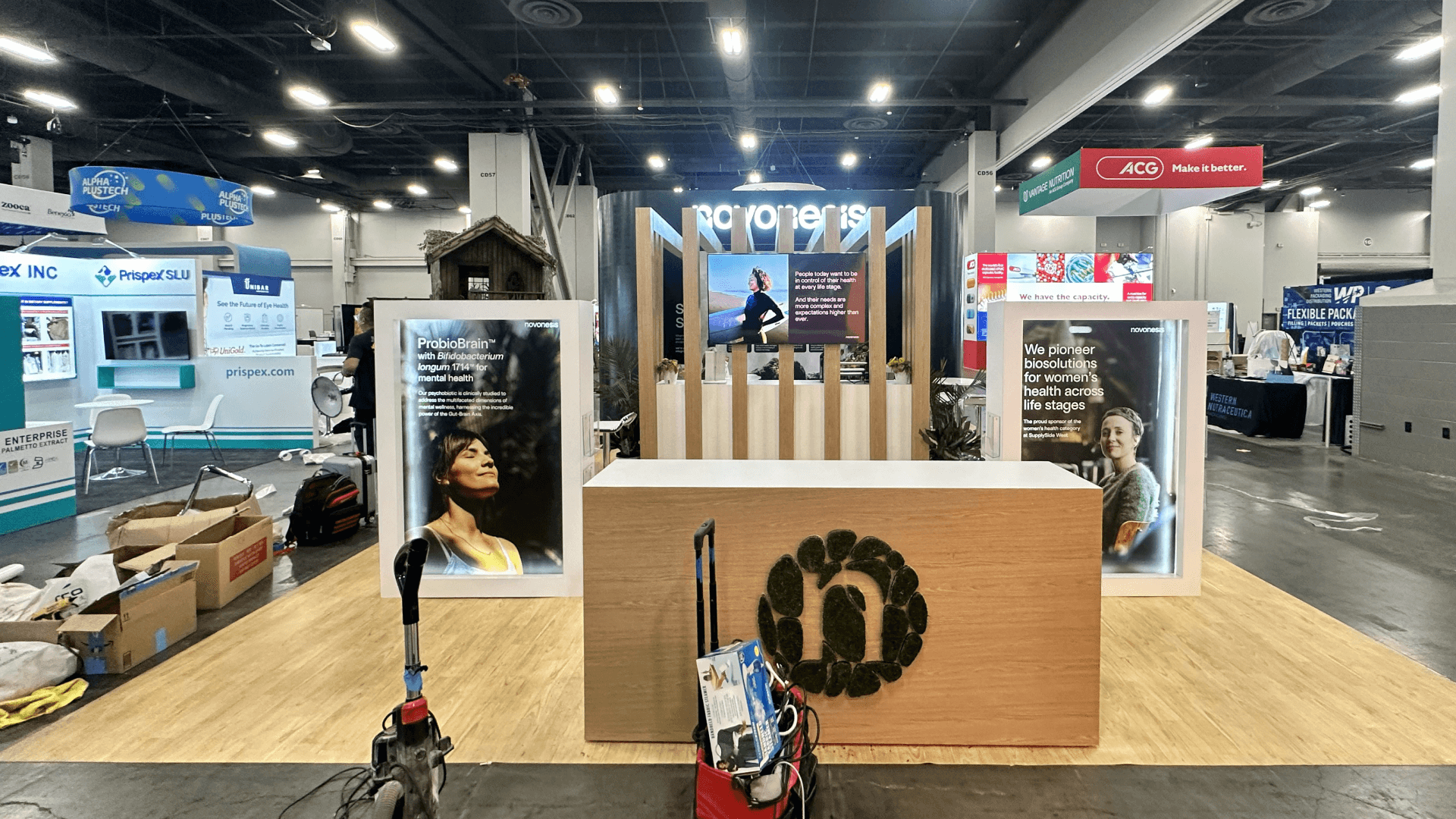
A 10x10 works when one clear message, one screen or demo point, and short dealer conversations are enough. Keep seating and storage light so the main interaction remains easy to access.
A 20x20 booth or larger footprint becomes useful when two or more demonstrations, department-specific conversations, staff handoffs, or semi-private consultations need to happen at the same time.
A dealer-solutions booth needs enough room for the way the product is actually sold. A tabletop may be enough for a simple conversation, while a live demo, storage, consultation, or several simultaneous interactions can push the program into an inline or island format. The first step is matching the RVDA exhibit format to the dealer task.
Vendor Training +Plus can change the conversation again. If a dealer reaches the booth after attending the exhibitor’s session, the team can move directly into proof, application, or a more specific question instead of restarting the pitch. That makes continuing the VTP conversation at the booth part of the booth plan rather than a separate follow-up task.
The booth needs to help the right dealer recognize a business problem, see enough proof to stay interested, and move into the appropriate conversation without turning the space into a screen-filled product presentation.
The aisle message has one job: make the right visitor think, “That is an issue we are dealing with.”
Do not start by touring the full platform. Show the workflow, result, or example that answers the visitor’s first question.
Once staff know the visitor’s role and dealership need, they can decide whether the next step is sales, technical, service, finance, executive discussion, or simply follow-up.
If the booth showed one workflow, the post-show video or brochure should continue that workflow instead of switching to a generic corporate presentation.
Owners, sales, service, marketing, and F&I teams may stop for different reasons. The booth message should quickly shift toward the visitor’s actual role and problem.
The 2026 RV Dealers Convention/Expo runs November 9–13 at Paris Las Vegas, with the exhibit hall open November 10–12.
Vendor Training +Plus covers finance, sales, fixed operations, management, AI, aftermarket products, and other dealership issues that solution vendors may hear on the show floor.
Not Sure Which Booth Size You Need?
Not every exhibitor knows whether a 10x20, 20x20, 20x30, or larger booth is the right fit. Circle Exhibit can help review your event goals, product display needs, demo areas, meeting space, storage, budget scope, and setup timeline before you choose a booth size.
The Same Product Means Different Things to Different Departments
A Screen Can Show a Product Without Proving Anything
1
Pick the One Problem That Earns the Stop
2
3
4
Keep the Core Demo Environment Modular
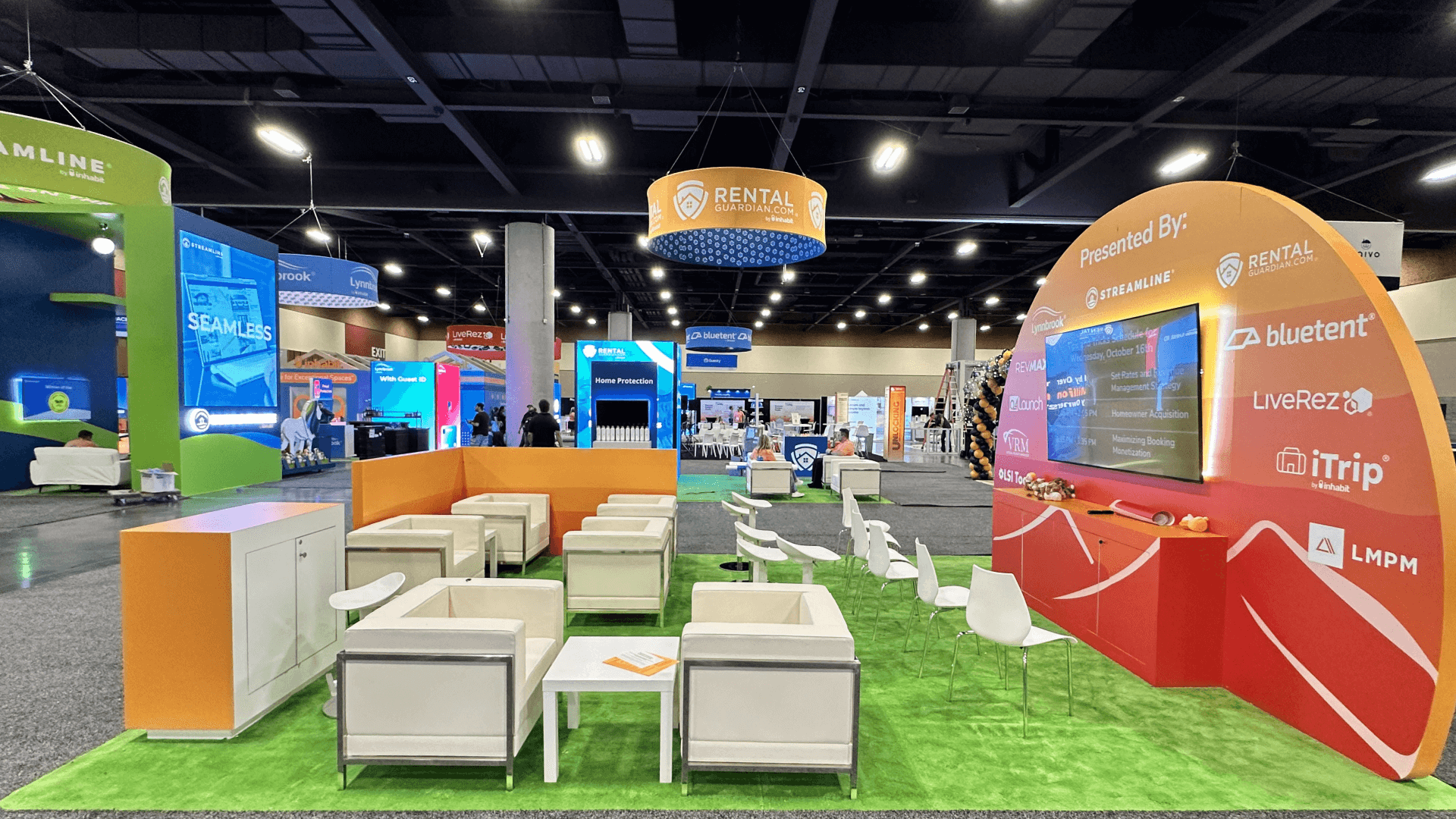
A modular rental structure works well when the booth needs screens, counters, hidden storage, branded surfaces, and meeting furniture that can be reused at future shows. See Las Vegas trade show booth rental.
Customize the Technology, Not Everything Around It
Integrated hardware, unusual monitor structures, specialized counters, controlled cable paths, or product-specific equipment may justify custom fabrication without making the whole booth custom.
Reuse the Conversation Framework
If the booth program still moves from demo to qualification and consultation, the physical environment can stay mostly reusable even when the software, message, or technology changes.
The 2026 prospectus states that tabletops are not booths and may not have electric. Vendors depending on screens, laptops, tablets, or other powered equipment should choose the exhibit format accordingly.
RVDA includes an 8-foot pipe-and-drape back wall, 3-foot side rails, and a company identification sign for standard inline booths only. Do not assume the same setup applies to islands, tabletops, or vehicle spaces.
The Exhibit Hall runs Tuesday afternoon and evening, Wednesday around lunch, and Thursday morning. Plan staffing and demo depth so the booth can shift between quick qualification and longer dealer conversations.
Resolve screen locations, device charging, power, connectivity, login access, and an offline presentation fallback before counters, furniture, and cable paths are fixed.
Need a Flexible RVDA Demo Booth Rental?
A modular rental booth can handle screens, demo counters, hidden storage, and meeting furniture while keeping the core dealer-conversation layout reusable for future shows.
How long should the first RVDA demo be?
Long enough to prove one relevant dealership result, but short enough that staff can still qualify the visitor. Save the full workflow for people who have shown a real need.
How should staff handle dealers from different departments?
When should a demo become a consultation?
Can an RVDA tabletop handle a live software demo?
What happens if the live demo fails?
READY TO PLAN YOUR NEXT BOOTH?
Let’s Build a Booth That Fits Your Event
Share your event name, booth size, city, timeline, product display needs, and design references. Circle Exhibit will review your project direction and help you choose a rental-friendly or custom exhibit path.
3000+
Booth Projects Supported
50+
U.S. Event Cities
Transparent
Quote Review
Return to the Main Event Hub for overall RVDA audiences, exhibit formats, vehicle planning, booth-size decisions, and event-level preparation.
For one active demo, a compact consultation area, storage, and a focused dealer interaction path.
For multiple active dealer conversations, screens, meetings, storage, and clearer separation between interactions.
For modular walls, demo counters, screens, storage, meeting furniture, and other rental-friendly dealer-solution layouts.
For dealership-problem messaging, screen support, information hierarchy, and graphics that help visitors understand the offer before a demo begins.