What Should Vendor Training +Plus Accomplish Before the Dealer Reaches the Booth?
Vendor Training +Plus, or VTP, is RVDA’s vendor-led workshop format for dealership-focused education. For an exhibitor, its role is not to finish the sales conversation before the attendee reaches the show floor. It should establish a dealership problem, offer a useful way to think about it, and give the attendee a reason to continue.
That connection works best when the session starts with an operating issue dealers already recognize rather than a broad company overview. By the time the attendee reaches the exhibit, they should understand why the topic matters and know what they want to explore next.

A returning VTP attendee already understands the dealership problem, so the booth conversation can move directly into proof, workflow, or a focused demo instead of restarting with a company introduction.
What Changes When a VTP Attendee Comes Back to the Booth?
A dealer who attended the exhibitor’s VTP session is not a cold visitor. They already know the issue and usually have a specific reason for coming back.
That should change the opening. Repeating the company introduction, replaying the session summary, or launching into a broad product pitch forces the attendee backward. Instead, find out what they want to take further: which part they want to see in practice, which dealership workflow matters most, or what question the session left unanswered.
The visit can then move directly into proof, application, or a more focused discussion. Once that next step involves a demo, qualification, or consultation, the physical experience becomes part of RVDA dealer solutions booth planning. The attendee should not have to explain again why they came back before the useful part of the discussion can begin.
What Does the Booth Need to Prove That the Session Could Not?
A VTP session can explain a problem and introduce a method, but the exhibit has to make the idea tangible. The attendee should be able to see what the approach looks like in practice rather than hear the same concept explained again.
That proof could be a short workflow, a product example, a dealership use case, or a focused demo built around the question that brought them back. It does not need to cover every feature. It needs to answer the next practical question: “What would this actually look like in my dealership?” The session creates understanding; the exhibit gives the dealer something concrete to evaluate.
How Should the Speaker and Booth Team Hand Off the Conversation?
The handoff starts before the VTP session begins. If the speaker will be away from the exhibit, someone on the team should already know the session topic, the dealership problem being discussed, and the kinds of questions returning attendees are likely to bring back.
A context handoff means passing that existing information from one person to the next without making the attendee repeat it. A quick question such as “Were you in the VTP session?” can establish where to begin. If the dealer wants to see the workflow discussed in the session, staff should know who can demonstrate it. If the question requires the speaker or another subject-matter expert, that person should receive the topic and question before joining the discussion.
The same principle applies when the speaker returns. “They attended the fixed-operations session and want to see how the workflow handles service follow-up” gives the speaker a useful starting point. The team does not need a complicated staffing system; it needs a reliable way to carry the dealer’s reason for returning from one person to the next.
What Context Should Be Saved With the Lead?
A name, company, and email address are not enough when someone visits because of a VTP session. Lead context is the information that explains why the dealer returned, what they explored, and what should happen next.
At minimum, capture:
the VTP topic or session that brought the attendee back;
the dealer’s department or role;
the question or dealership problem they wanted to explore;
the demo, workflow, or example they saw;
the next step they requested or agreed to.
This does not require a detailed CRM record on the show floor. It only needs to give the next person enough information to continue from where the exhibit discussion ended.
How Should the Same Dealer Conversation Continue After RVDA?
Post-show follow-up should start with what the dealer already saw and asked about. If the discussion focused on a service workflow, send the relevant workflow, requested document, or meeting invitation—not a generic corporate deck that resets the relationship.
The same rule applies to other next steps. A dealer who asked for a product example should receive that example. Someone who wanted a deeper technical discussion should get a meeting tied to that question. If an on-demand VTP resource is available and supports the same topic, it can extend the education without sending the dealer in a different direction.
The dealership problem should remain recognizable across the booth graphics, demo visuals, and follow-up material. The wording does not have to match exactly, but the issue and next action should still feel connected. Good follow-up reads like the next part of a discussion that has already started.

A clear handoff preserves the VTP topic, dealer question, demo seen, and agreed next step so post-show follow-up can continue the same conversation.
What Should Be Ready Before VTP and the Expo Open?
Before the first VTP session begins, the team should be able to trace one clear path from the session topic to the exhibit and then into follow-up.
Have these pieces ready:
One dealership problem the session is built around;
One clear takeaway the attendee should leave with;
One proof point or demo the exhibit can use to make the idea tangible;
One opening question for returning VTP attendees;
Lead-context fields for the topic, role, question, demo, and next step;
One follow-up asset tied to the same workflow, question, or use case.
If the exhibit depends on a live demo, have a simple fallback ready in case the primary screen, connection, or software is unavailable. The point is not to build a second presentation; it is to keep the discussion moving if the preferred demo cannot run.
How Circle Exhibit Can Support
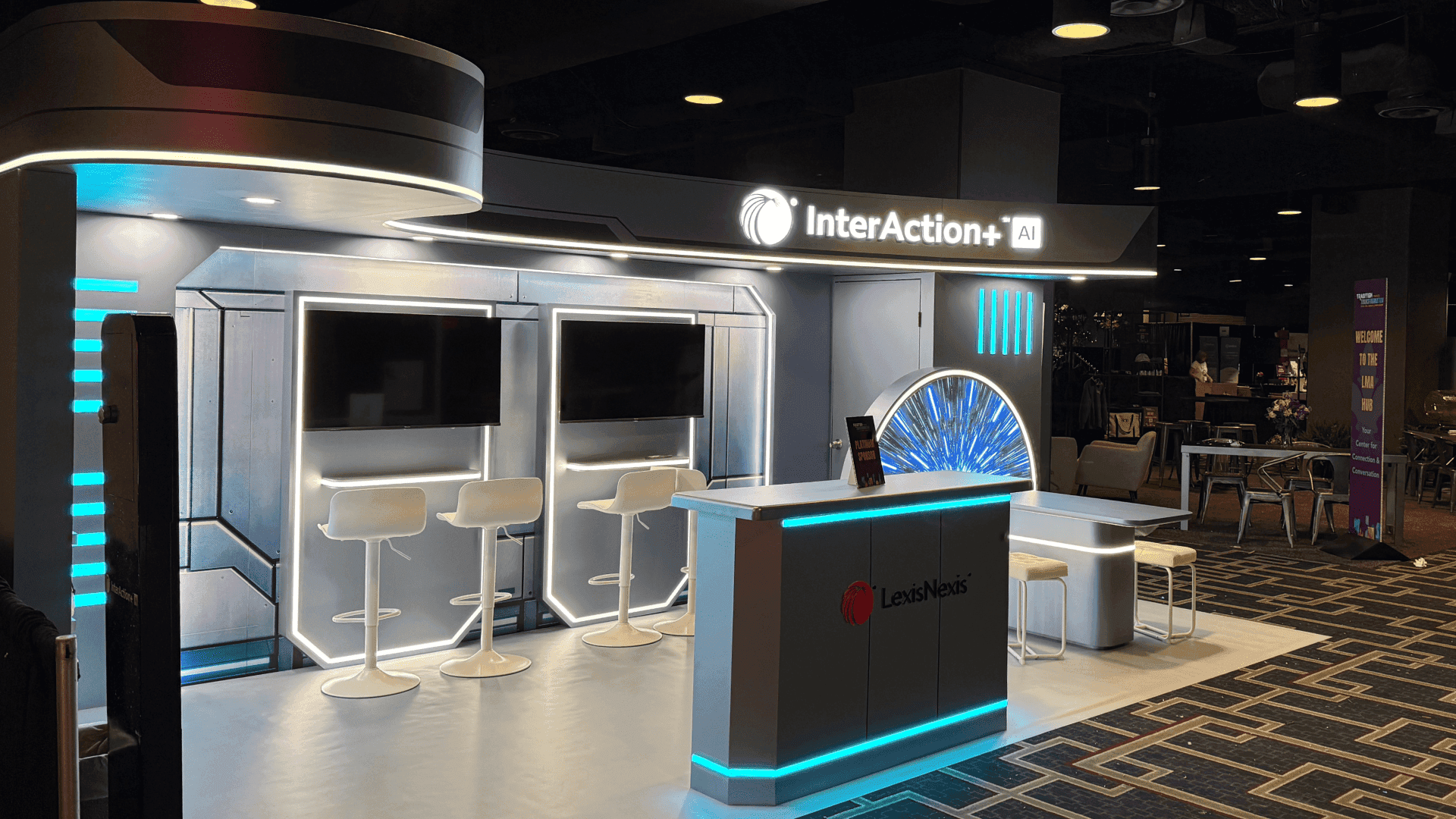
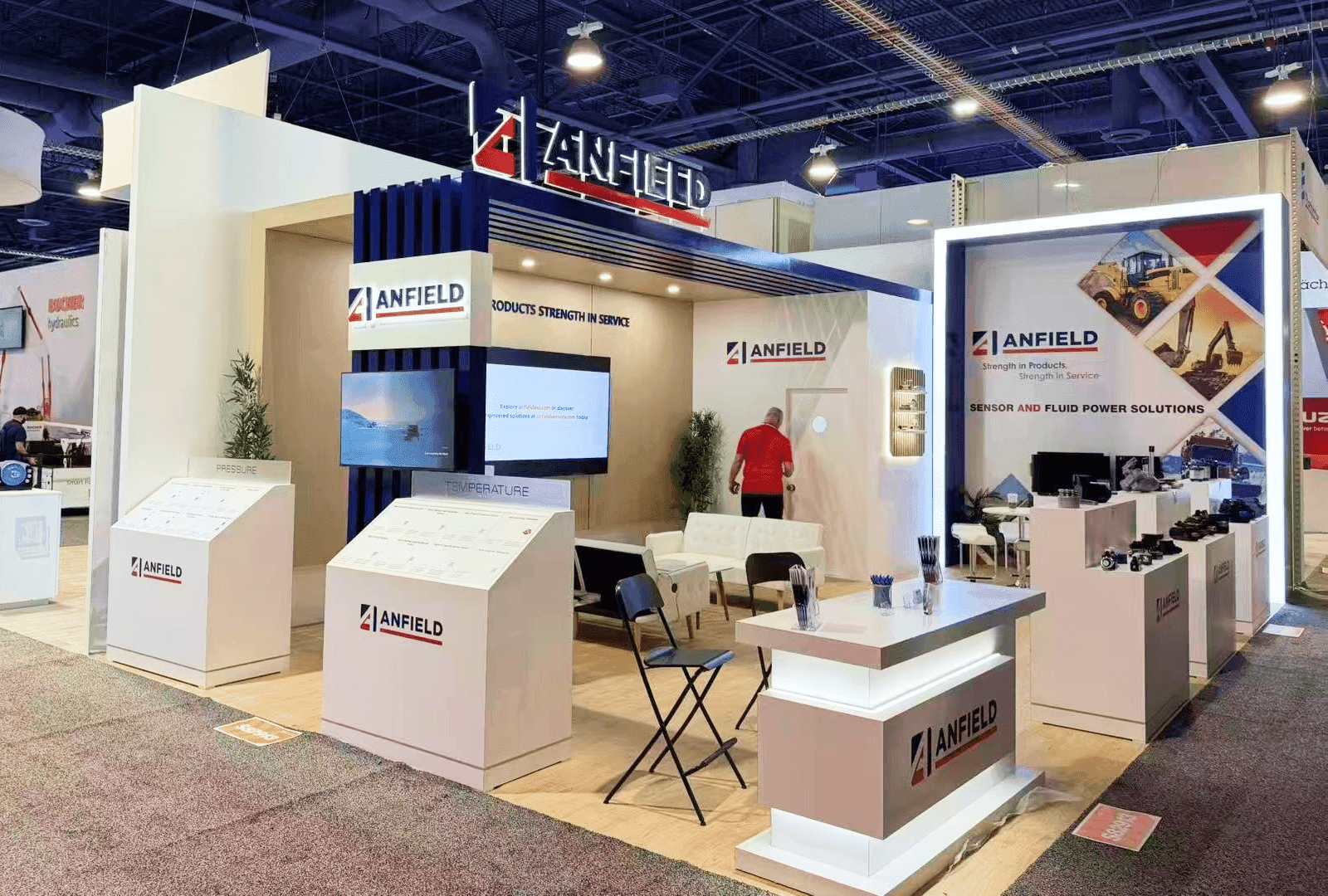
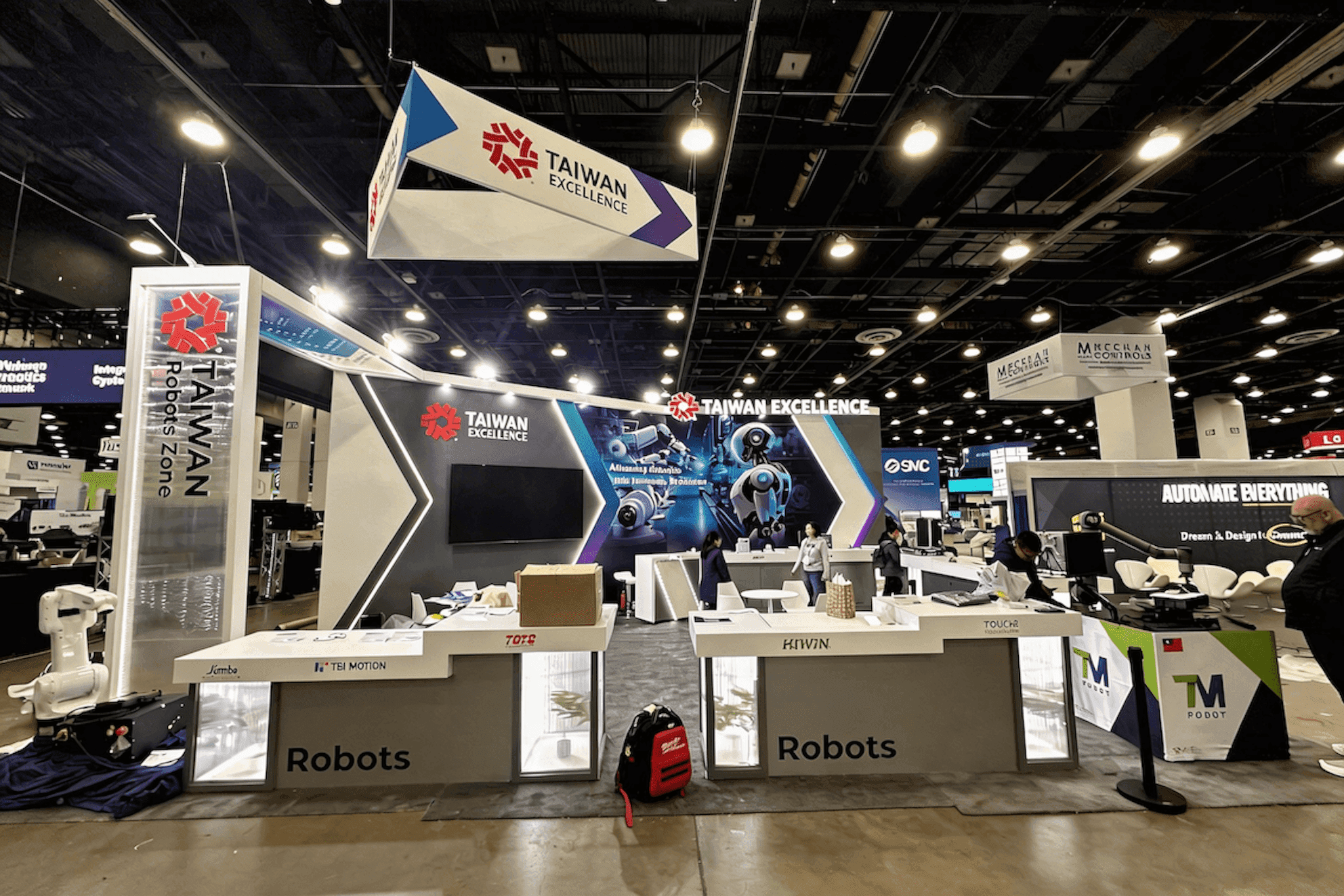
Circle Exhibit can carry the VTP message onto the show floor through a clear aisle message, graphics and brand presentation, and demo visuals. The dealership problem introduced in the session should still be easy to recognize when the attendee reaches the exhibit.
If the program also needs a physical demo or meeting environment, a Las Vegas booth rental can provide the screens, counters, storage, and modular structure around that interaction. The exhibit should support the VTP-to-booth discussion rather than compete with it.
FAQ
Should an RVDA Vendor Training +Plus session be a product pitch?
The session is more useful when it starts with a dealership problem, idea, or method rather than a broad product pitch. Product-specific proof can happen at the exhibit when the dealer is ready to see how the idea works in practice.
What should booth staff do when a VTP attendee returns?
Start from what the dealer already knows. Confirm the session or topic that brought them back, then move toward the workflow, example, demo, or unanswered question they want to explore instead of repeating the company introduction.
What should be recorded when a dealer comes to the booth after VTP?
Capture the session or topic, the dealer’s role, the question they raised, what they saw, and the next step they requested or agreed to. That gives the post-show team enough information to continue without starting the discussion over.